
Can dogs eat figs? It’s a question many pet owners ask when their furry friend gives them those big, pleading eyes while they’re snacking on this sweet fruit. Figs are packed with fiber, vitamins, and minerals, but before you share a bite with your dog, it’s important to know the risks and benefits. Some dogs can enjoy figs in moderation, while others might experience digestive upset or even allergic reactions. Understanding the right way to introduce figs to your dog’s diet can help you make a safe and healthy choice for your pet.
I once gave my neighbor’s dog a small piece of fig as a treat, only to watch him develop a mild upset stomach later that day. It was a good reminder that even healthy foods can cause problems if introduced too quickly or in the wrong amounts.
Key Things to Understand
- Fresh vs. dried figs: Fresh figs are generally safer than dried figs because they contain less sugar and no added preservatives
- Safe parts: The skin and flesh of the fig are usually safe, but the stems and leaves can be toxic to dogs
- Sugar content: Dried figs are more concentrated in sugar, which can lead to weight gain or digestive issues
- Allergic reactions: Some dogs may have an allergic reaction to figs, even if they’ve eaten them before without problems
- Introduction method: Always introduce new foods slowly and in small amounts to monitor your dog’s reaction
What to Look For
When deciding whether to give your dog a fig, start by checking the fruit’s freshness. Overripe figs can ferment, leading to alcohol content that’s harmful to dogs. Look for firm, plump figs without any soft spots or mold. If you’re using dried figs, opt for unsweetened varieties to avoid unnecessary sugar intake. Watch your dog closely after the first taste: some may show immediate interest, while others might sniff and walk away. Pay attention to their body language; excessive drooling, pawing at the mouth, or vomiting are clear signs they’re not enjoying it.
Another thing to observe is how your dog reacts after eating the fig. Some dogs may experience mild diarrhea or gas, especially if they’re not used to high-fiber foods. If your dog has a sensitive stomach, it’s best to avoid figs altogether. Also, check for any unusual behavior like lethargy or loss of appetite, which could indicate an allergic reaction.
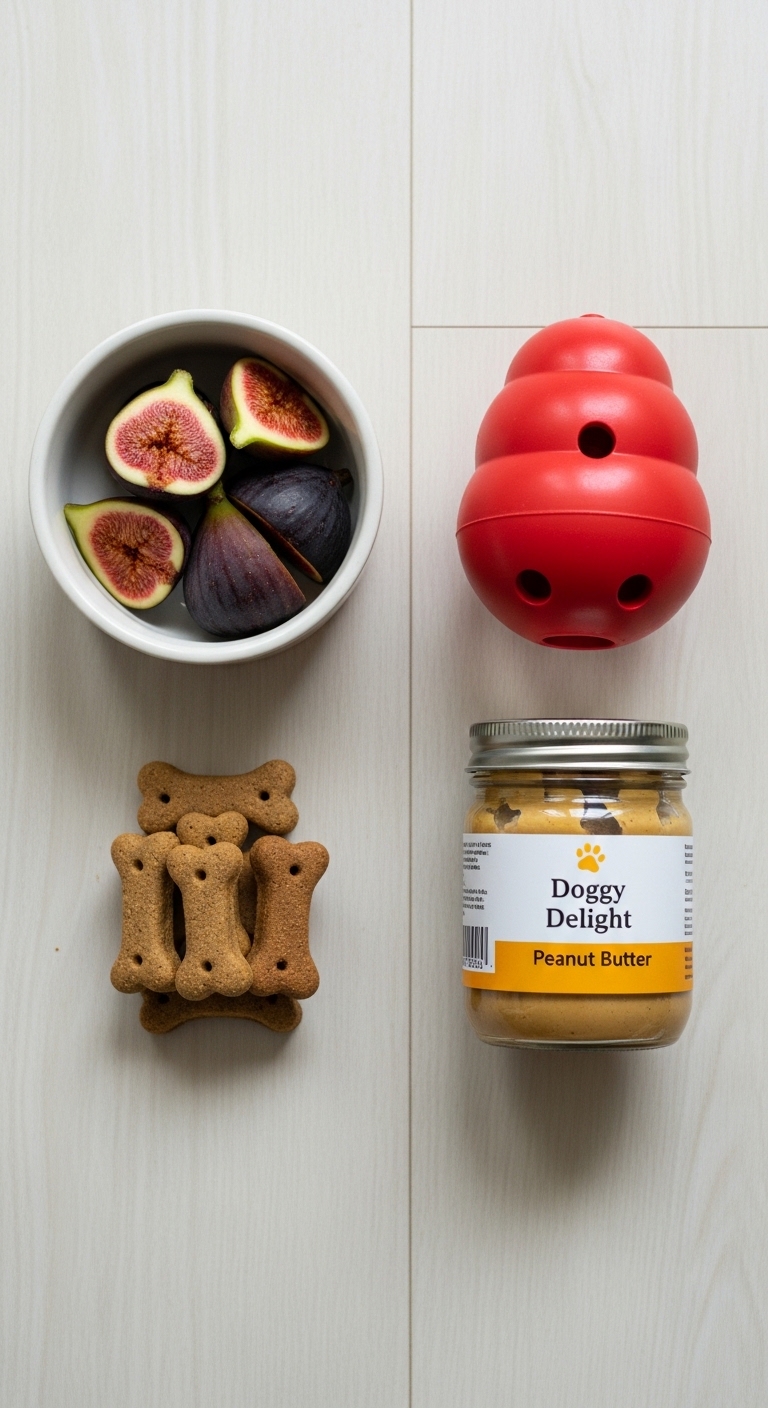
I’ve seen dogs go wild for figs, gobbling them up like they’re the best treat in the world. But remember, just because your dog loves the taste doesn’t mean it’s the best choice for their health. Moderation is key, and it’s always better to err on the side of caution when introducing new foods.
Serving Figs to Your Dog
If you’ve decided to give your dog a fig, start with a small piece no larger than a pea. This tiny amount allows you to observe how your dog reacts without overwhelming their system. For smaller dogs, even a small piece can be too much, so adjust the serving size accordingly. If your dog tolerates the fig well, you can gradually increase the portion, but never make figs a regular part of their diet. A few times a month is plenty to avoid any potential issues.
Alternative Fruits for Dogs
If figs don’t agree with your dog or you’re looking for variety, there are plenty of other dog-safe fruits to consider. Apples (without seeds), blueberries, and watermelon (seedless) are all great options that provide vitamins and hydration. Bananas can be a tasty treat in moderation, but they’re high in sugar, so use them sparingly. Always introduce new fruits one at a time to monitor your dog’s reaction and ensure they don’t cause any digestive upset.

Figs can be a fun occasional treat for dogs, but they’re not a necessity. Always prioritize your dog’s regular diet and consult your vet if you’re unsure.
Frequently Asked Questions
- → Are figs safe for dogs to eat?
Yes, figs are generally safe for dogs in small amounts. They contain beneficial nutrients like fiber and vitamins A and K. However, moderation is key due to natural sugars and potential choking hazards from seeds.
- → How many figs can I give my dog?
Start with a small piece (about 1/4 of a fig) for small dogs and up to half a fig for larger breeds. Too many figs can cause stomach upset or diarrhea due to their sugar content.
- → Can dogs eat dried figs?
Dried figs are more concentrated in sugar and fiber, making them riskier for dogs. They can also stick to teeth, increasing the risk of dental issues. Fresh figs are a better option.
- → What parts of the fig are toxic to dogs?
The stems and leaves of the fig plant contain compounds that can cause irritation or toxicity. Always remove these parts before offering figs to your dog.
- → What should I do if my dog eats too many figs?
Monitor for signs of digestive upset like vomiting or diarrhea. If symptoms persist or your dog shows unusual lethargy, contact your vet immediately. Keep figs out of reach to prevent overconsumption.
- → Are there any health benefits of figs for dogs?
Figs provide fiber for digestive health, vitamins A and K for immune support, and potassium for muscle function. However, these benefits can be obtained from dog-safe fruits like blueberries or apples instead.