
 Pin
Pin
Understanding whether dogs can eat lemons is essential for every pet owner. This topic holds significance because many pet owners may unknowingly offer their dogs foods that can be harmful. Knowing the implications of such foods can help maintain a healthy lifestyle for our furry friends and enhance their wellbeing.
It's surprising how many human foods can affect dogs differently than we expect. Being informed helps ensure our pets stay healthy and happy in their daily lives.
Key Things to Understand
- Lemons contain citric acid which can be harmful to dogs: Consuming lemons may lead to gastrointestinal upset in dogs
- The size and health of the dog can influence their reaction to lemons: Dogs may be attracted to the smell of lemons but this doesn't mean they should eat them
What to Look For
Observe your dog's behavior when introducing new foods. Look for signs of discomfort or adverse reactions after they consume something unfamiliar. If your dog shows any unusual symptoms like vomiting, diarrhea, or lethargy, it's essential to consult your veterinarian. Additionally, pay attention to your dog's overall diet and ensure it meets their nutritional needs without unnecessary risks.

A common mistake is thinking all fruits are safe for dogs. Always research before introducing new foods into their diet. Remember that moderation is vital, even with safe foods, and it's best to prioritize their health by sticking to dog-friendly treats.
Daily care habits
Routine feeding is crucial for maintaining your dog's health. Regular meal times help regulate their digestive system and provide a sense of security. Always monitor their reactions to different foods and adjust their diet as necessary.
Choosing the right product
When selecting dog food, pay attention to the ingredients listed. Avoid foods with artificial preservatives and fillers. Choose high-quality products that meet the specific needs of your dog's breed, age, and health status.
Common mistakes to avoid
One common error is assuming that all human food is safe. Foods like chocolate, grapes, and citrus fruits can be toxic. Always research before sharing your meal with your dog.
Cleaning and hygiene
Maintaining a clean feeding area is essential for your dog's health. Regularly wash food and water bowls to prevent bacteria build-up. Ensure any leftover food is stored properly to avoid spoilage.
Indoor routines
Establishing a daily routine helps dogs feel secure and less anxious. Regular playtime, walks, and training sessions contribute to a balanced lifestyle and strengthen the bond between you and your pet.
Outdoor routines
Outdoor activities are vital for a dog’s physical and mental health. Regular walks and playtime in safe environments can help expend energy and reduce behavioral issues.
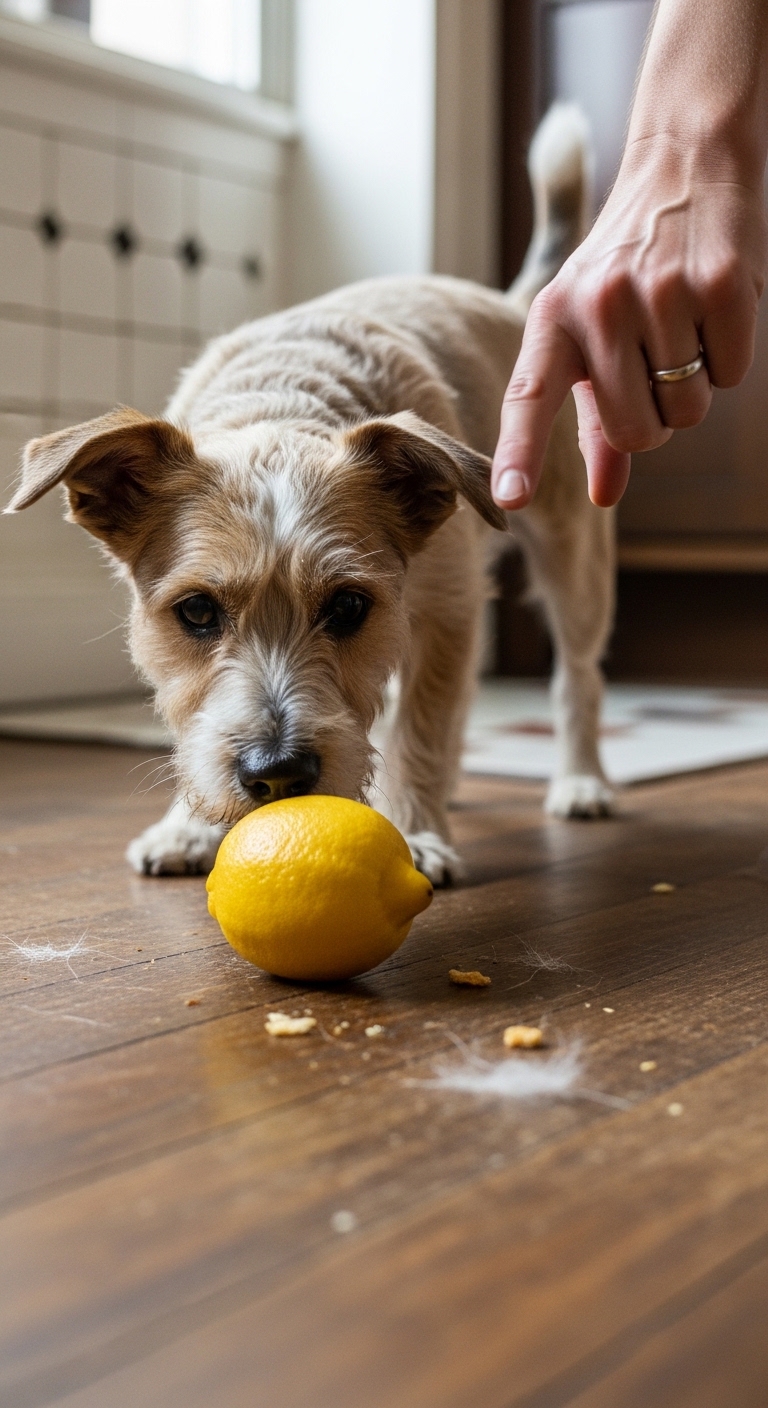
Always prioritize your dog's health by being informed and cautious about their diet.
Frequently Asked Questions
- → Can dogs eat lemon slices?
Dogs can eat tiny amounts of lemon flesh in moderation, but the peel, seeds, and pith should be avoided. The high acidity may irritate their stomach, leading to vomiting or diarrhea.
- → What happens if a dog eats a lemon peel?
Lemon peels contain essential oils and psoralens, which can cause digestive upset, photosensitivity, or even central nervous system depression. Seek veterinary advice if your dog ingests a peel.
- → Are lemon seeds dangerous for dogs?
Lemon seeds can pose a choking hazard and contain small amounts of cyanide, though the risk is low. It's best to remove all seeds before offering any citrus to your pet.
- → What are safe citrus alternatives for dogs?
Safe alternatives include blueberries, apple slices (without seeds), or small amounts of peeled orange. Always introduce new foods gradually and in tiny portions.
- → How much lemon can a dog safely eat?
A few drops of lemon juice or a tiny piece of flesh (less than a teaspoon) may be tolerated by some dogs, but it's best to avoid citrus altogether. Monitor for adverse reactions like drooling or lethargy.
- → What are signs my dog ate too much lemon?
Watch for vomiting, diarrhea, drooling, lethargy, or skin irritation. Severe reactions may include tremors or sensitivity to light. Contact your vet if symptoms persist.