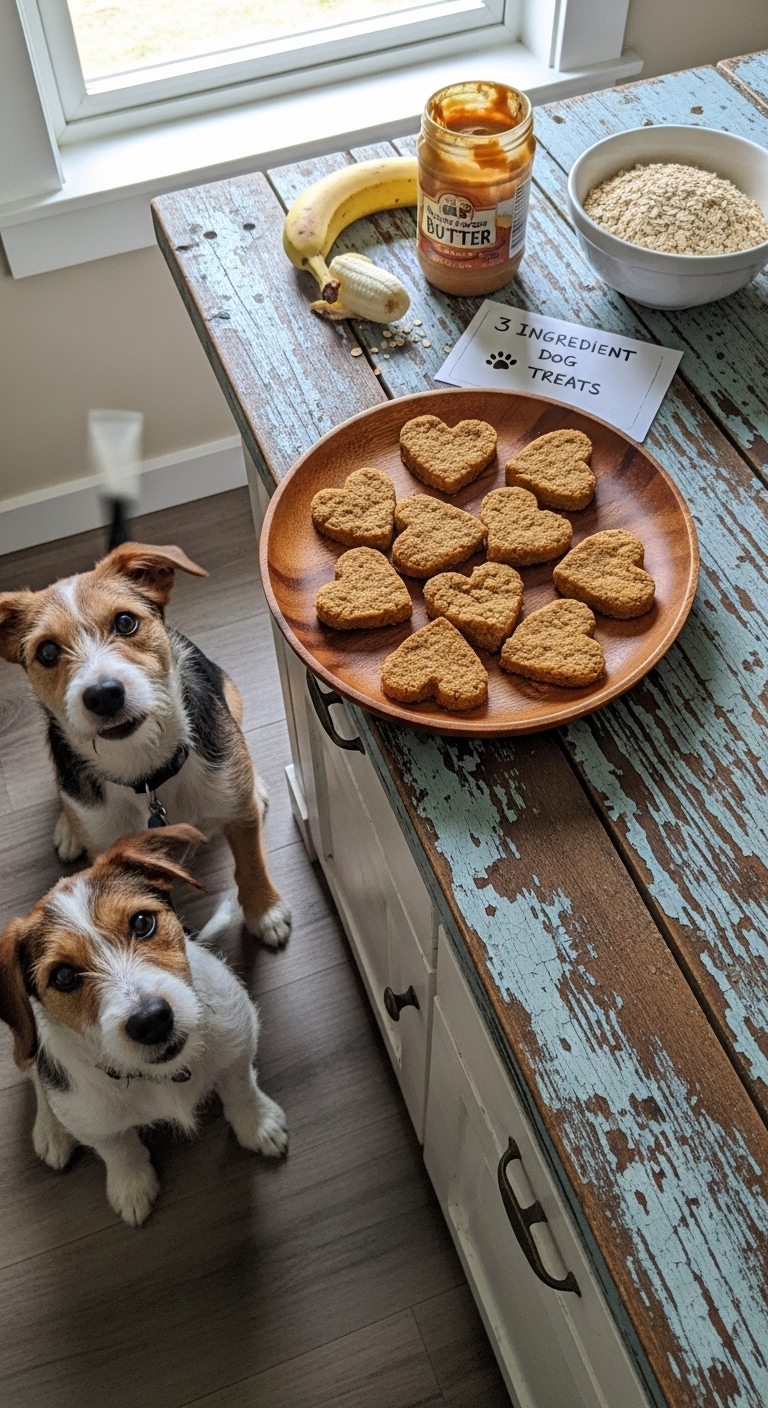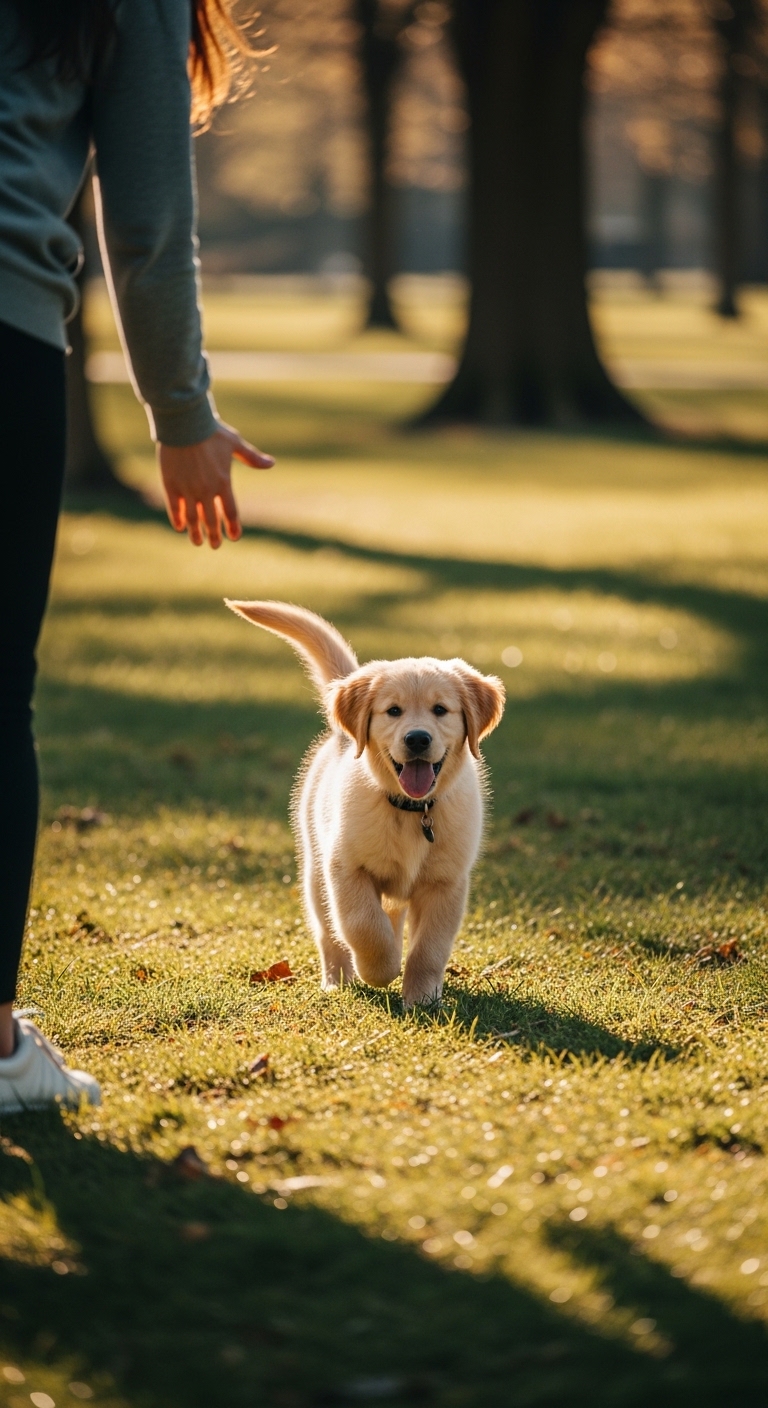
First-time dog owners often feel overwhelmed by the sudden responsibility of caring for a new furry family member. Bringing a dog home isn’t just about cuddles and playtime: it’s about understanding their needs, behaviors, and how to create a safe environment where they can thrive. Whether you’re dealing with sleepless nights, potty training mishaps, or figuring out the right food, every small decision impacts your dog’s long-term health and happiness.
I remember my first week with my rescue terrier: every bark, whine, or chewed shoe felt like a crisis until I realized it was just him figuring out his new world. Small adjustments made a huge difference.
Key Things to Understand
- House training takes patience and consistency: Dogs thrive on routine, so setting fixed times for meals, walks, and bathroom breaks helps them learn faster.
- Puppies need more frequent potty breaks: Especially after eating or waking up.
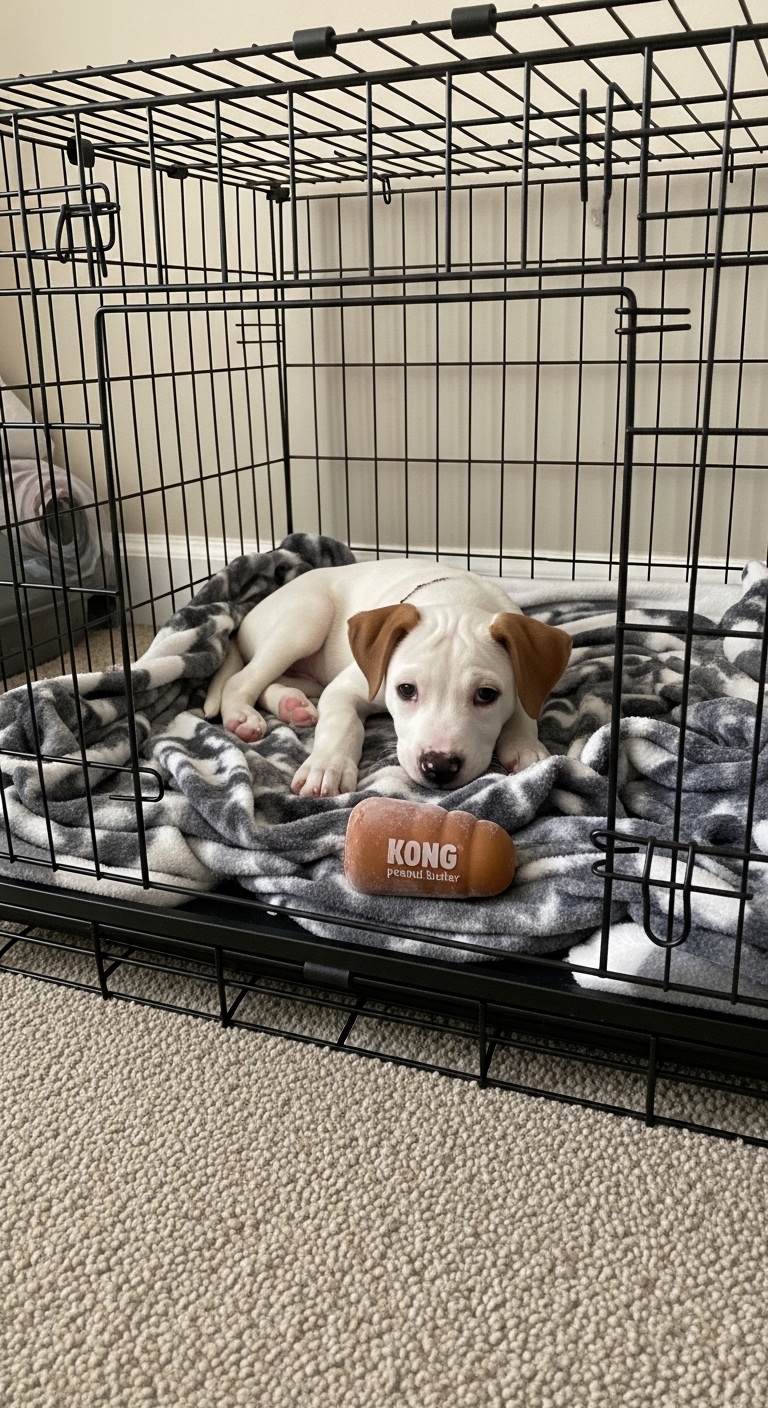
- Chewing is natural but can destroy furniture if not managed: Provide appropriate chew toys and redirect destructive behavior calmly.
- Socialization early on prevents fear-based aggression later: Introduce your dog to different people, pets, and environments gradually.
- Vet visits aren’t optional: Even if your dog seems healthy, regular checkups catch issues like dental disease or parasites early.
What to Look For
Watch how your dog interacts with their surroundings in the first few days. A dog that hides constantly or refuses food may be stressed or unwell. On the other hand, a curious pup who sniffs everything is usually adjusting well. Pay attention to their energy levels too: lethargy or excessive pacing can signal discomfort or illness.
Notice their eating habits. A sudden loss of appetite or difficulty chewing could point to dental pain or digestive issues. Also observe their stool consistency: soft or bloody stools warrant a vet visit. Grooming needs vary by breed, but even short-haired dogs benefit from regular brushing to reduce shedding and skin irritation.
I once saw a friend’s new puppy develop separation anxiety because they left him alone for hours without preparation. Small steps, like short departures and rewarding calm behavior, made a world of difference over time.
Daily Care Habits
Start with a consistent morning routine: a short walk, fresh water, and a measured meal. This sets the tone for the day and helps your dog anticipate what’s next. Evening routines should include a longer walk to tire them out, followed by a wind-down period before bedtime. Puppies may need a potty break every few hours, so plan accordingly.
Choosing the Right Product
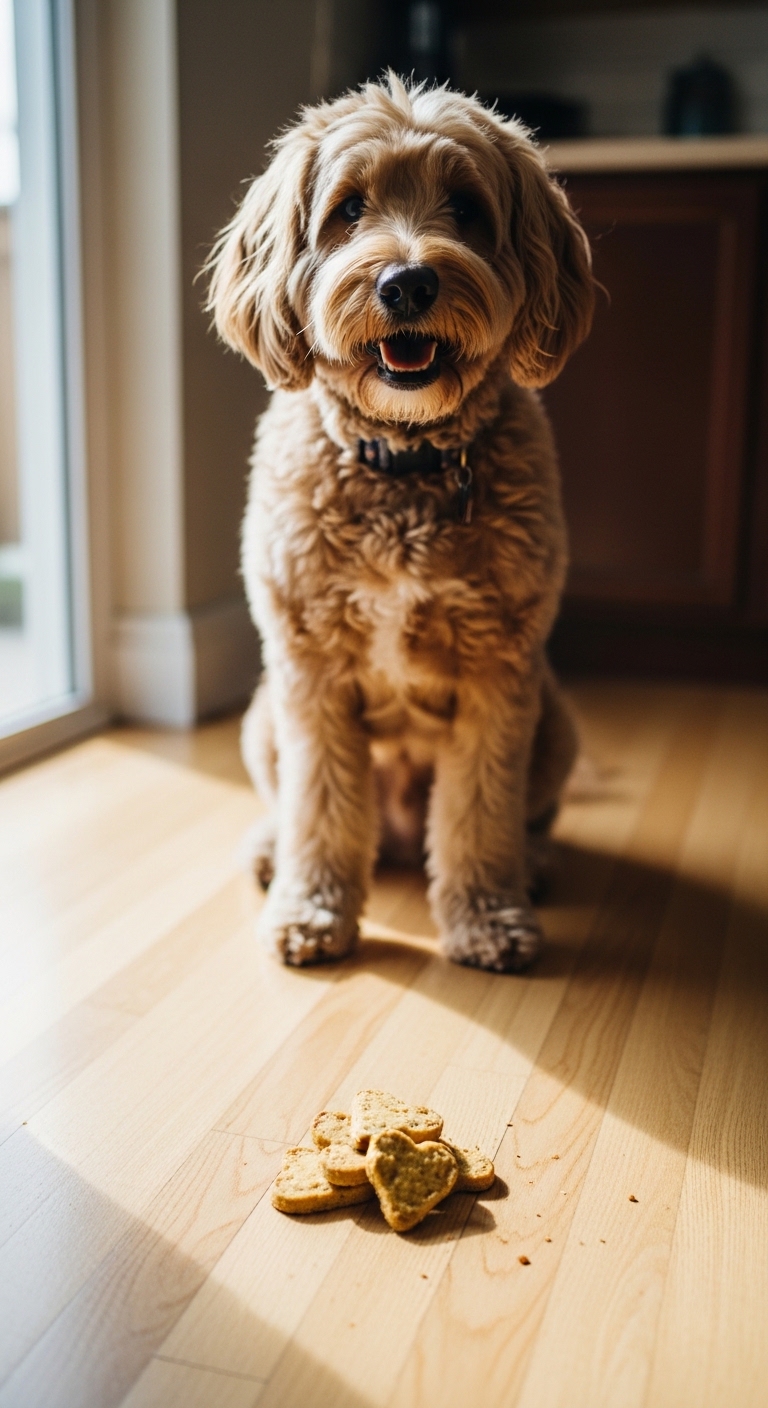
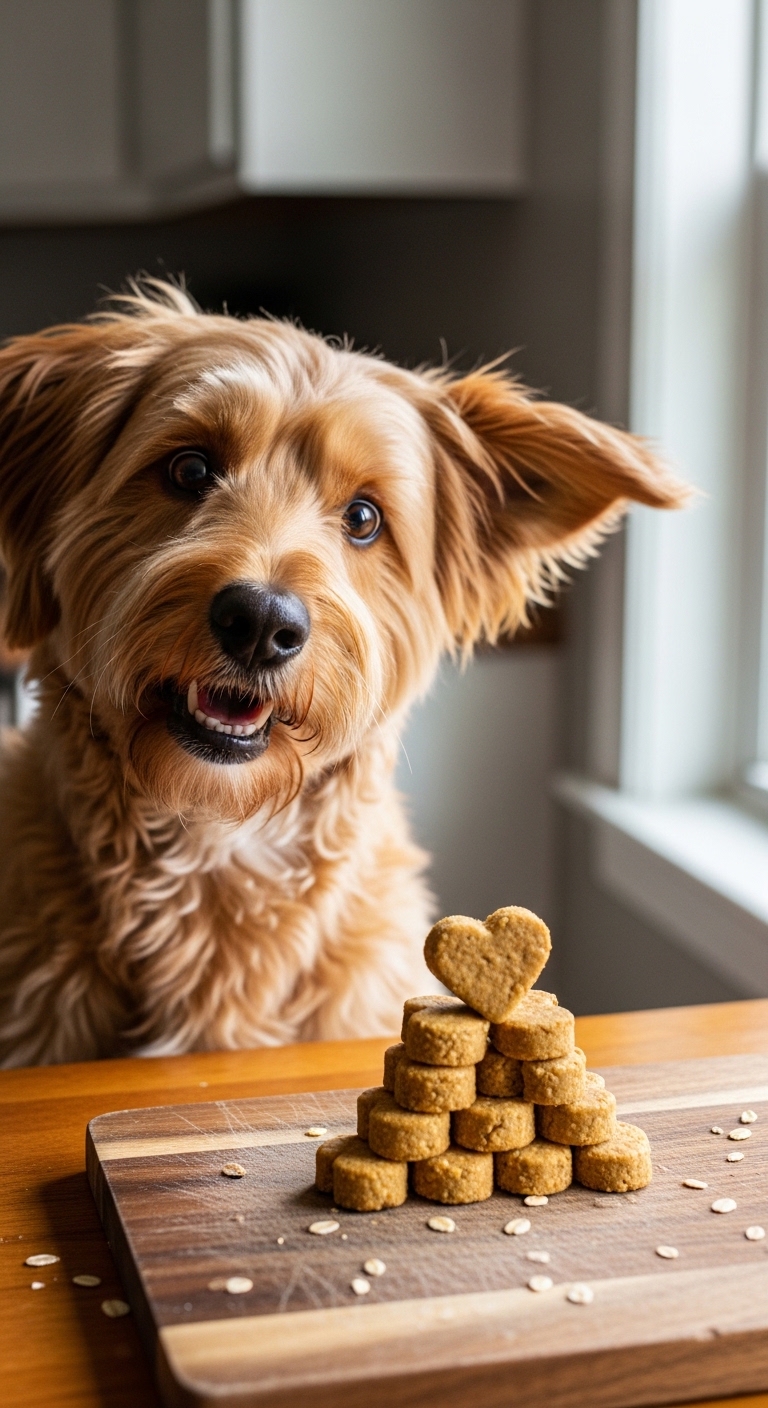
Not all dog foods are created equal. Look for options with real meat as the first ingredient and avoid fillers like corn or by-products. For treats, choose single-ingredient options like freeze-dried liver or carrots to keep calories in check. Collars and leashes should fit snugly but not choke: test the fit by slipping two fingers between the collar and your dog’s neck.
Safety and Comfort
Hide electrical cords and secure trash cans to prevent chewing hazards. Baby gates can block off unsafe areas like stairs or rooms with fragile items. During car rides, use a crash-tested harness or crate to keep your dog safe. Never leave them in a parked car, even for a few minutes: temperatures rise quickly and can be fatal.
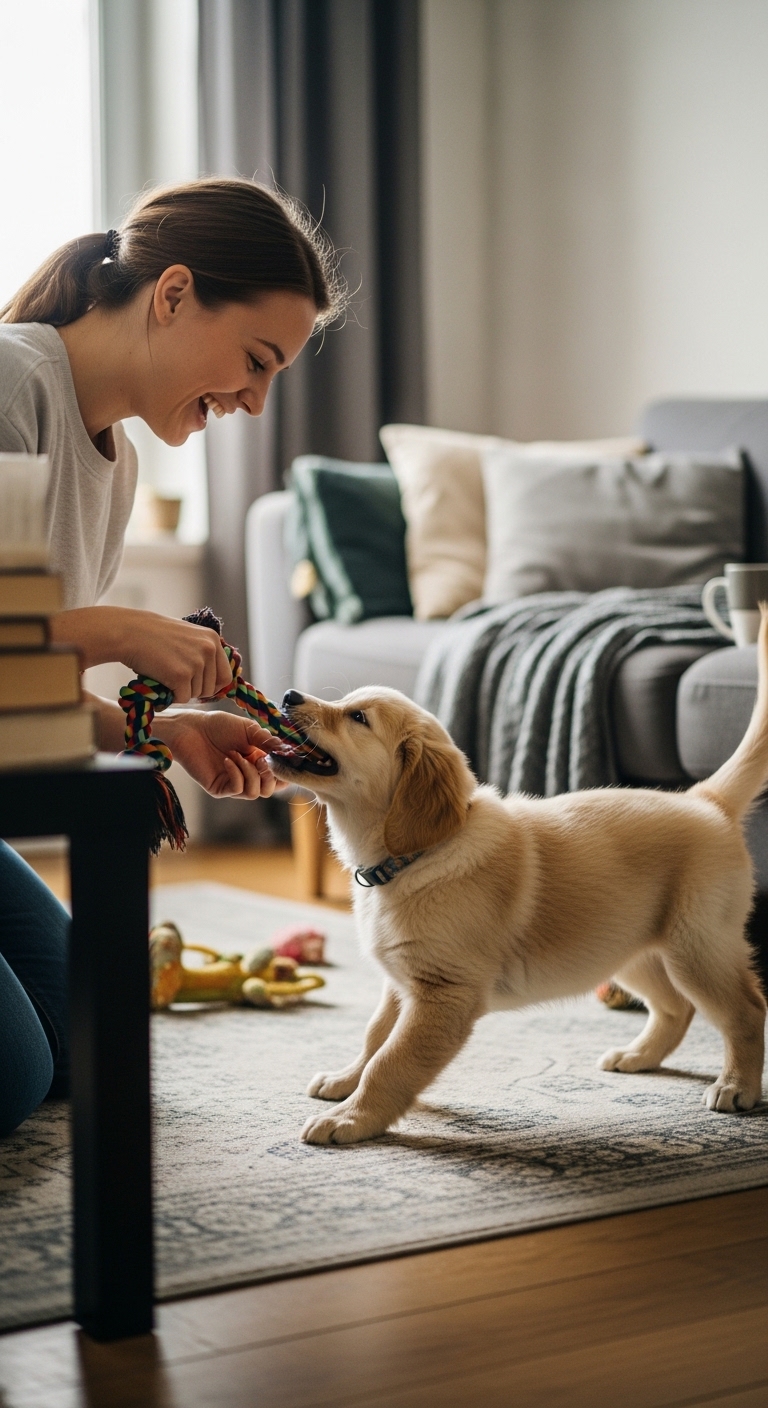
First-time dog ownership is a learning curve, but with patience and the right knowledge, it becomes one of the most rewarding experiences.
Frequently Asked Questions
- → What supplies do I need before bringing a dog home?
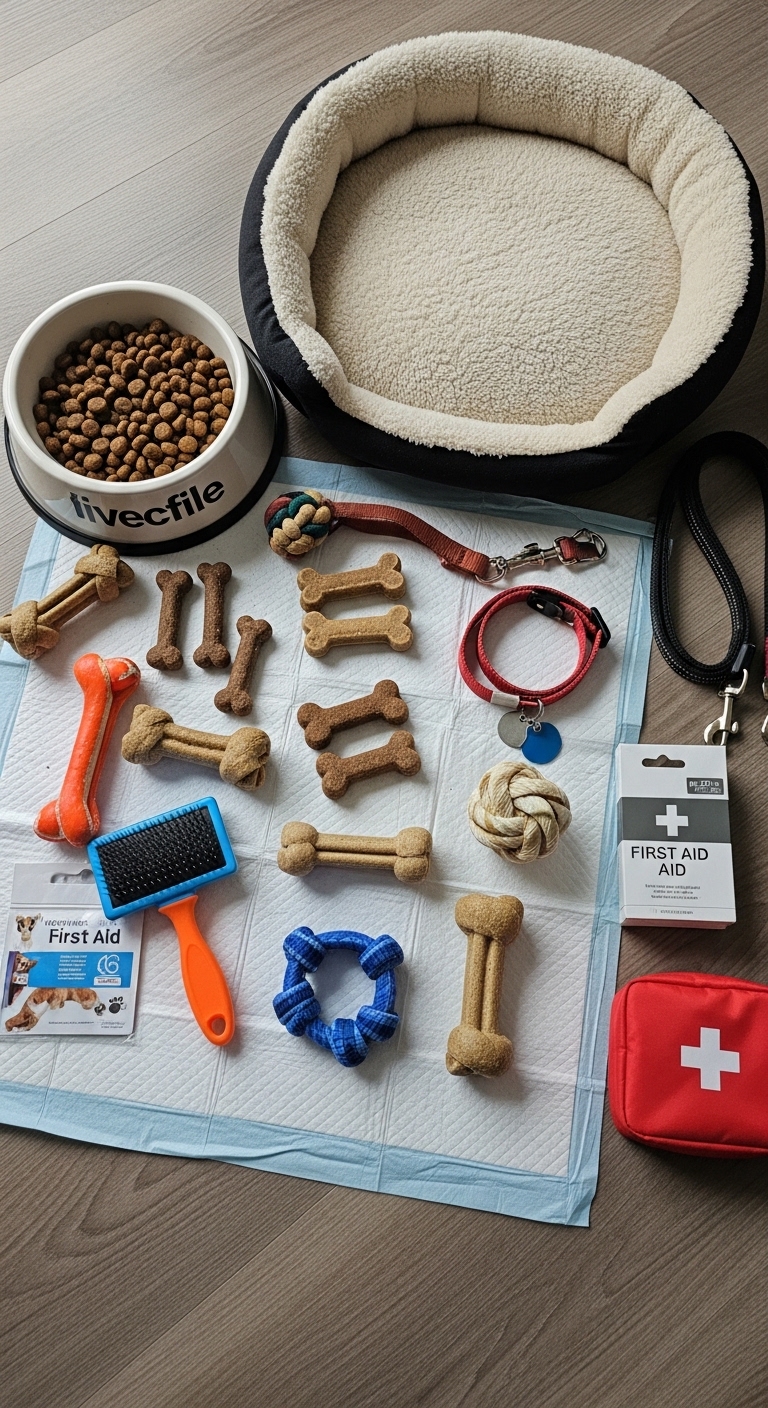
Prepare a bed, food and water bowls, high-quality dog food, collar and leash, ID tags, crate (if crate training), toys, grooming tools, and poop bags. A first-aid kit and cleaning supplies for accidents are also essential.
- → How do I potty train a new puppy?
Take your puppy outside frequently, especially after meals, naps, or playtime. Use a consistent command like 'go potty' and reward immediately with treats and praise when they go outside. Supervise indoors and use a crate for short periods to prevent accidents.
- → What’s the best diet for a first-time dog owner’s pet?
Choose a high-quality dog food formulated for your dog’s age, size, and breed. Avoid overfeeding and stick to a regular feeding schedule. Consult your vet for portion sizes and dietary needs, especially if your dog has allergies or health conditions.
- → How can I socialize my dog safely?
Start by introducing your dog to calm, friendly people and pets in controlled environments. Gradually expose them to new sights, sounds, and experiences while monitoring their reactions. Avoid dog parks until your dog is fully vaccinated and comfortable around others.
- → What are common mistakes new dog owners make?
Skipping vet visits, inconsistent training, overfeeding, ignoring behavioral issues, and not providing enough exercise or mental stimulation. Avoid punishing your dog for accidents or bad behavior—instead, focus on positive reinforcement and patience.
- → How often should I groom my dog?
Brush your dog’s coat daily or weekly, depending on the breed. Bathe them every 4-6 weeks or when they’re dirty. Trim nails monthly, clean ears weekly, and check teeth for dental care. Professional grooming may be needed for certain breeds.