Training a dog to come when called isn’t just about obedience: it’s about safety and building trust between you and your pet. A reliable recall can prevent dangerous situations, like running into traffic or getting lost during walks. It’s one of the most important commands you’ll ever teach, yet many owners struggle with it because they don’t realize how much consistency and patience it truly requires.
I still remember the first time my rescue dog ignored my recall command in the park. It wasn’t because he was stubborn: it was because I hadn’t practiced in enough low-distraction environments first. That moment taught me that training isn’t just about the command itself, but about setting your dog up for success.
Key Things to Understand
- Consistency is key: Dogs learn through repetition, so short daily sessions work better than long, irregular ones.
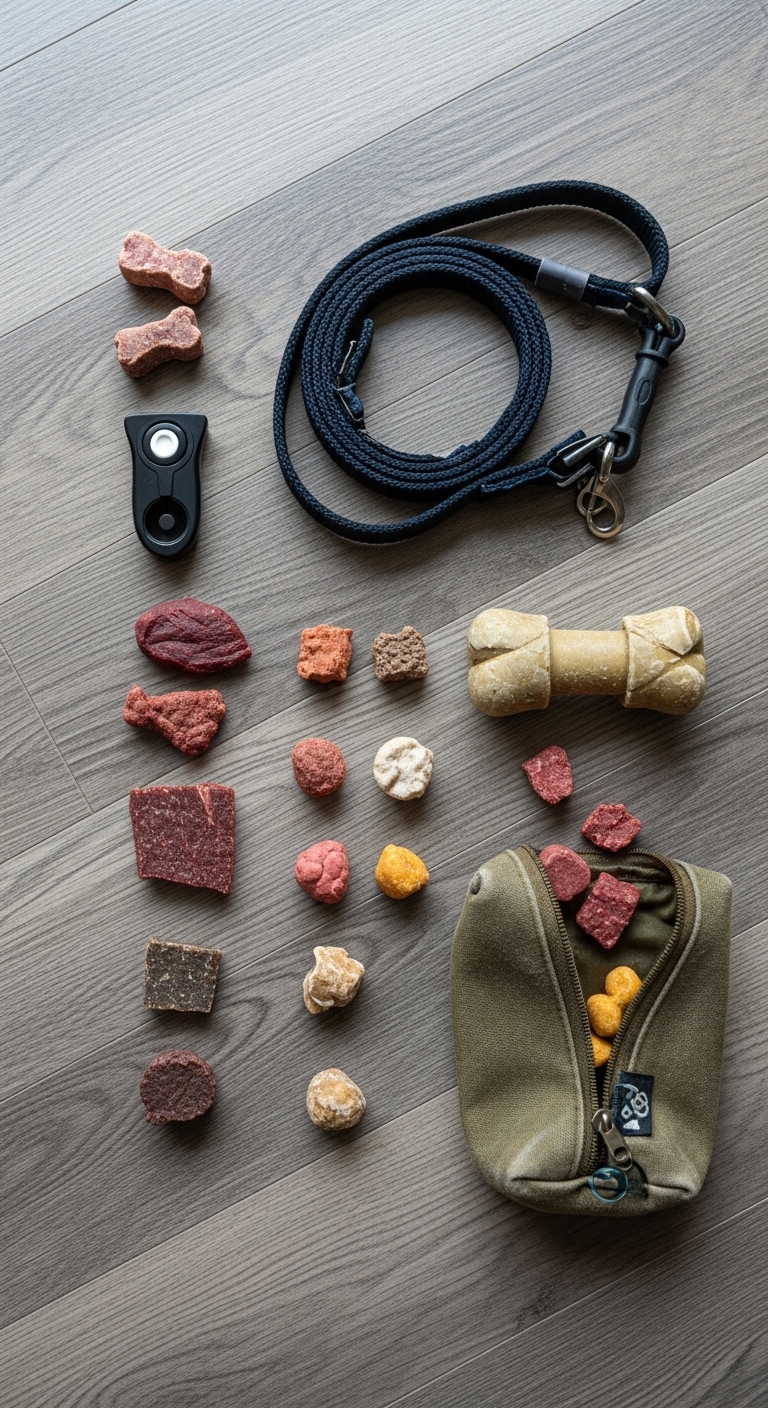
- High-value rewards matter: Use treats like small pieces of chicken or cheese to make recall feel worth their while.
- Start small: Begin indoors or in a fenced area before moving to open spaces, as distractions make it harder for your dog to focus.
- Never punish recall: Scolding your dog for coming, even if it took a while, ruins trust and makes them less likely to respond next time.
- Generalize the command: Practice in different environments and with varying distractions, since a command that works in your living room might not work at the dog park.
What to Look For
Watch for signs your dog is engaged and focused on you during training. A relaxed body, bright eyes, and ears perked up mean they’re paying attention. If they start sniffing the ground or looking away, it’s time to reset the session with a higher-value reward or a shorter duration. The goal is to end on a positive note before they lose interest.
Pay attention to how your dog responds to their name. If they glance at you when you say it, that’s a good sign they’re starting to connect the sound with attention. If they completely ignore you, go back to practicing in a quieter space with fewer distractions. The more reliable their name response becomes, the easier recall training will be.
I once saw a dog owner scold their pup for finally coming after ignoring the command for minutes. That single moment erased weeks of progress because the dog associated coming with punishment. Always celebrate when they respond, no matter how long it took. That positive reinforcement is what builds a lifelong reliable recall.
Training Techniques for Success
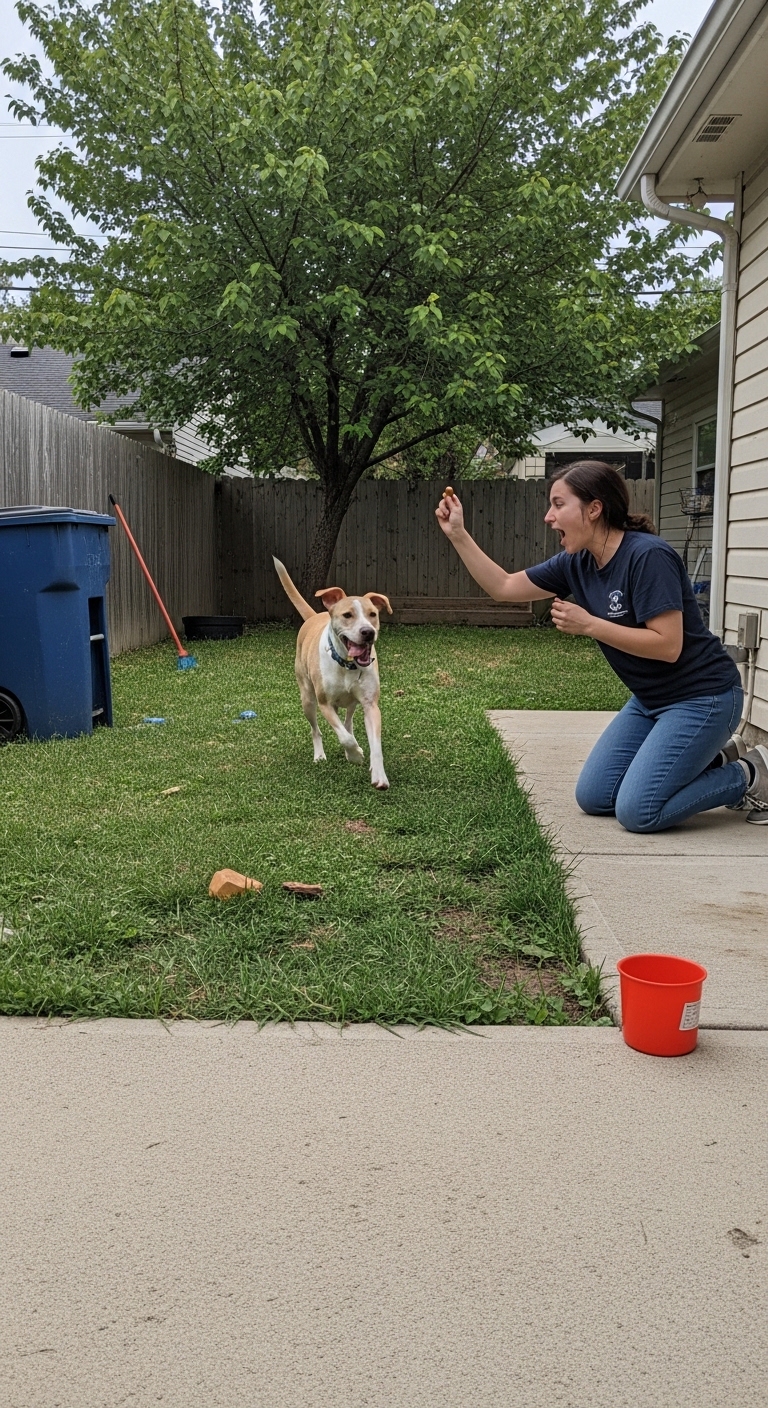
Start with just a few minutes each day and gradually increase difficulty as your dog improves. Begin indoors where distractions are minimal, using a happy, excited voice when calling your dog. Keep sessions fun and end before your dog gets bored. Never call your dog for something unpleasant like bath time or leaving the park. Always reward with something irresistible, even if it’s just praise at first. Practice in different rooms of your home to generalize the command.
Adapting to Your Dog’s Instincts
When you first introduce the recall command, your dog might not respond right away, and that’s okay. The key is to make coming to you more rewarding than whatever they were doing before. If they’re sniffing a bush, drop a high-value treat near your feet as you call their name. This teaches them that checking in with you leads to good things, even if they weren’t fully focused at first.
Some breeds pick up recall faster than others, but every dog can learn with the right approach. Terriers might get distracted by scents, while herding breeds might be more eager to please. Tailor your training to your dog’s natural instincts: use toys for playful breeds and food for scent-driven ones. The more you align training with what motivates your dog, the quicker they’ll respond.
Troubleshooting Common Challenges
If your dog struggles with recall, consider what might be competing for their attention. Is there a squirrel nearby? Are they overstimulated from a long walk? Adjust your training to match their energy level. A tired dog is more likely to listen, so try recall practice after a short play session when they’re already a little worn out.
Training a dog to come when called is about more than just obedience: it’s about creating a bond where your dog chooses to listen because they trust you. The best recall training happens when your dog sees you as the most exciting part of their day.
Frequently Asked Questions
- → What’s the best way to start recall training?
Begin in a quiet, familiar space with minimal distractions. Use a happy, excited tone and reward your dog with treats or praise the moment they come to you. Keep sessions brief and fun to maintain their interest.
- → How do I choose the right treats for training?
Pick small, soft treats your dog loves—like cheese, hot dogs, or commercial training treats. The reward should be something they find irresistible to motivate quick responses.
- → What if my dog ignores me during training?
Go back to easier steps with fewer distractions. Use a longer leash to gently guide them toward you if needed, and reward heavily when they comply. Never scold them for not responding—it can create fear and hinder progress.
- → How often should I practice recall training?
Aim for short, daily sessions (5-10 minutes) to reinforce the behavior. Consistency is crucial, so practice in different environments as your dog improves to generalize the command.
- → Can older dogs learn recall commands?
Yes! Dogs of any age can learn new behaviors with patience and positive reinforcement. Start with basic steps and adjust the pace to suit your dog’s learning style and physical abilities.
- → Should I use a leash during recall training?
Using a long leash (10-15 feet) in open areas gives you control while allowing your dog freedom to explore. It’s especially helpful in the early stages to prevent them from ignoring you or running off.