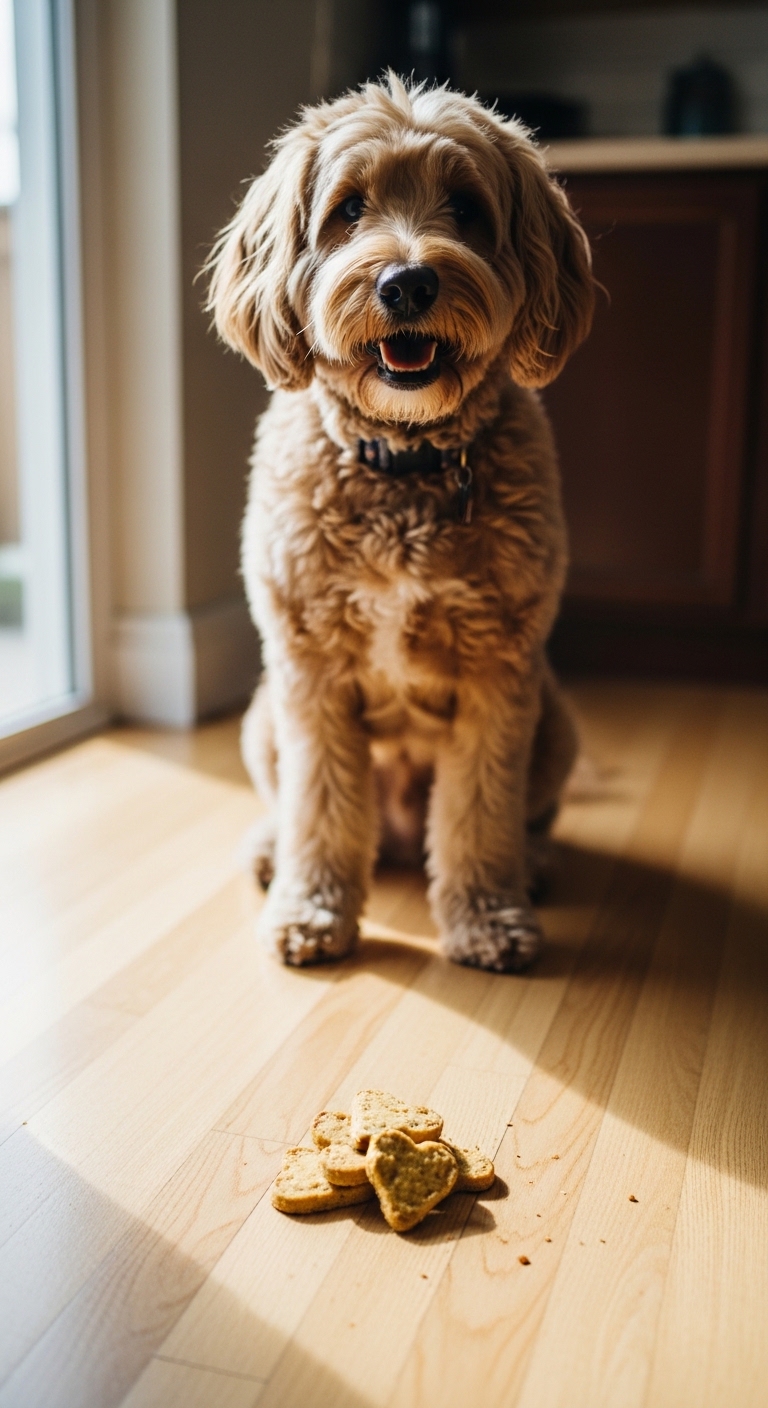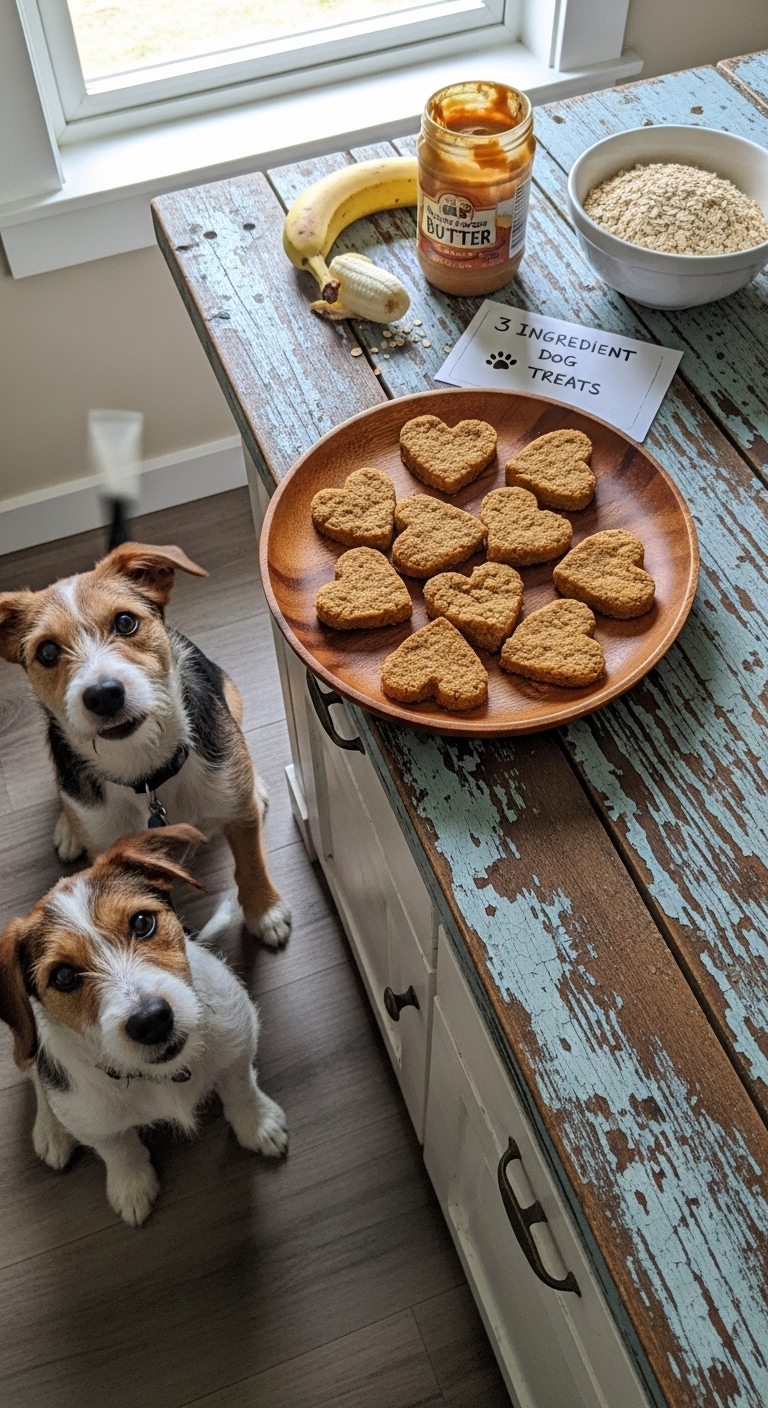
Banana treats for dogs are a simple way to add natural sweetness and nutrients to your pup’s diet. Many pet owners reach for store-bought options, but homemade banana treats can be fresher, healthier, and more budget-friendly. Plus, dogs love the taste, and you’ll love knowing exactly what’s in their snacks.
I still remember the first time I baked banana treats for my rescue dog. He gobbled them up so fast I thought I’d missed a piece, but the real reward was seeing him wag his tail for days afterward.
Key Things to Understand
- Bananas are safe for dogs in moderation: they’re rich in potassium and fiber
- Too much banana can cause digestive upset: due to the natural sugars
- Dogs with diabetes or weight issues: should have banana treats sparingly
- Homemade treats let you control portion sizes: better than store-bought options
- Drying or baking banana slices: preserves nutrients while making them crunchy
What to Look For
When choosing bananas for treats, look for ones with plenty of brown spots: they’re sweeter and easier to digest for dogs. Avoid green bananas, as they’re harder for dogs to process and can cause stomach discomfort. If your dog has never had bananas before, introduce them slowly to watch for any allergic reactions or sensitivities. For homemade treats, consider the ripeness of the banana; overripe ones blend or mash more easily, making them ideal for recipes. Always remove the peel completely, as it can be tough to digest and may cause choking hazards. If you’re baking treats, keep an eye on them to prevent burning, which can make them bitter and less appealing to your dog.
I once gave my dog too many banana treats in one sitting, and he spent the next few hours looking a little too interested in the grass. Lesson learned: moderation is key, even with healthy snacks.
Daily Care Habits
Banana treats can be a great training reward because dogs respond well to the sweet taste. Use small pieces to keep training sessions low-calorie but high-motivation. If your dog is a fast eater, try freezing the treats for a few minutes to slow them down. This also makes them last longer, giving your pup something to enjoy over time.
Choosing the Right Product
If you’re buying banana-flavored treats, check the ingredient list for real banana as the first item. Avoid products with fillers like corn syrup or artificial colors, which offer no nutritional value. Look for treats with a soft or crunchy texture based on your dog’s preference: some dogs love the chewiness of dried banana, while others prefer the softness of baked treats.
Safety and Comfort
Always supervise your dog when giving them new treats, especially if they’re prone to gulping food quickly. If your dog has a sensitive stomach, start with a tiny piece to test their reaction before offering more. Store homemade banana treats in an airtight container to keep them fresh for up to a week, or freeze them for longer shelf life.
Cleaning and Hygiene
Wash your hands and any utensils thoroughly after handling bananas to avoid residue that could attract pests. If you’re making dried banana chips, clean the drying tray or oven trays well to prevent any leftover sugars from burning and creating a mess. Keep treats in a cool, dry place to prevent mold growth, especially in humid climates.
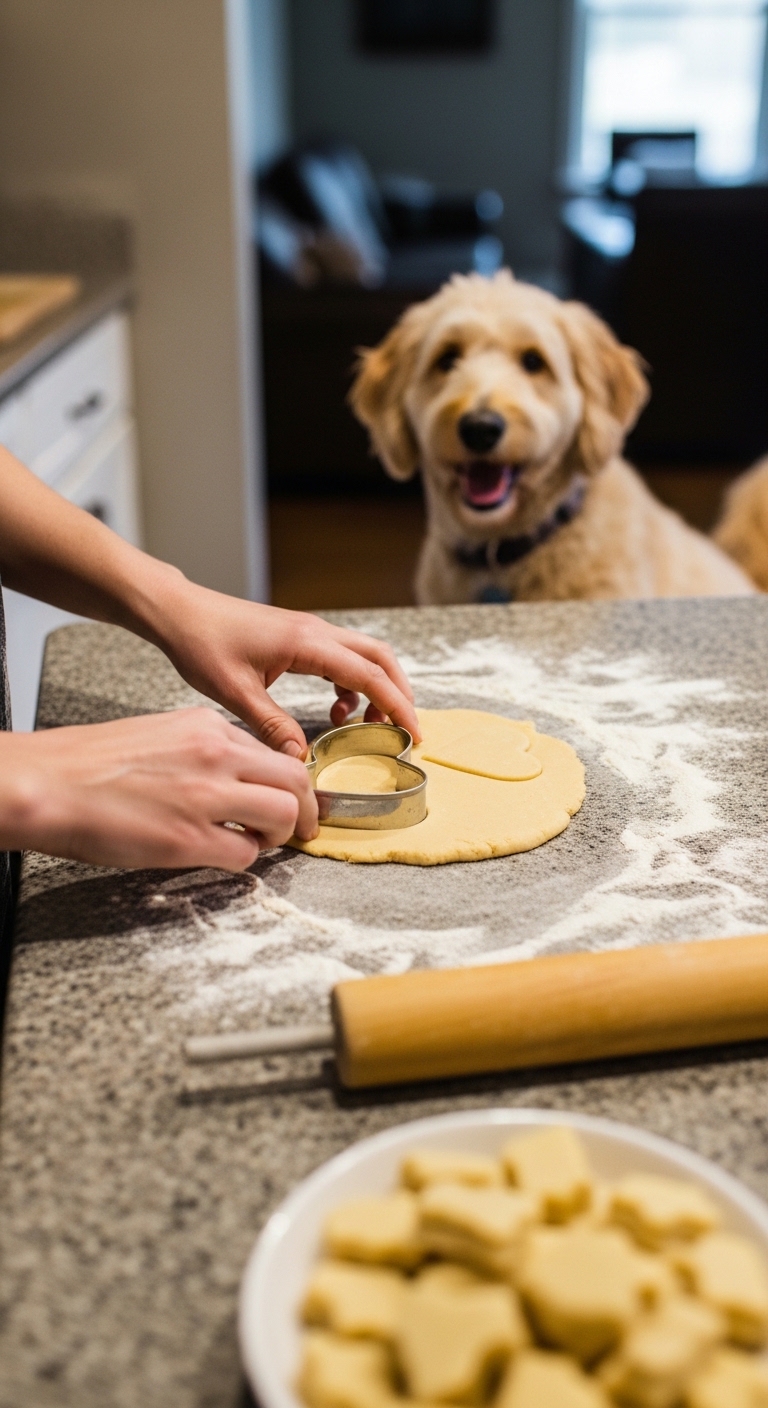
Making your own dog treats doesn’t have to be complicated. With just a few simple ingredients and a little time, you can give your dog a healthy, tasty snack they’ll love.
Frequently Asked Questions
- → Can I use overripe bananas for these treats?
Absolutely! Overripe bananas are actually sweeter and perfect for making dog treats. The natural sugars will make the treats more appealing to your pup while still being safe and healthy.
- → What type of peanut butter is safe for dogs?
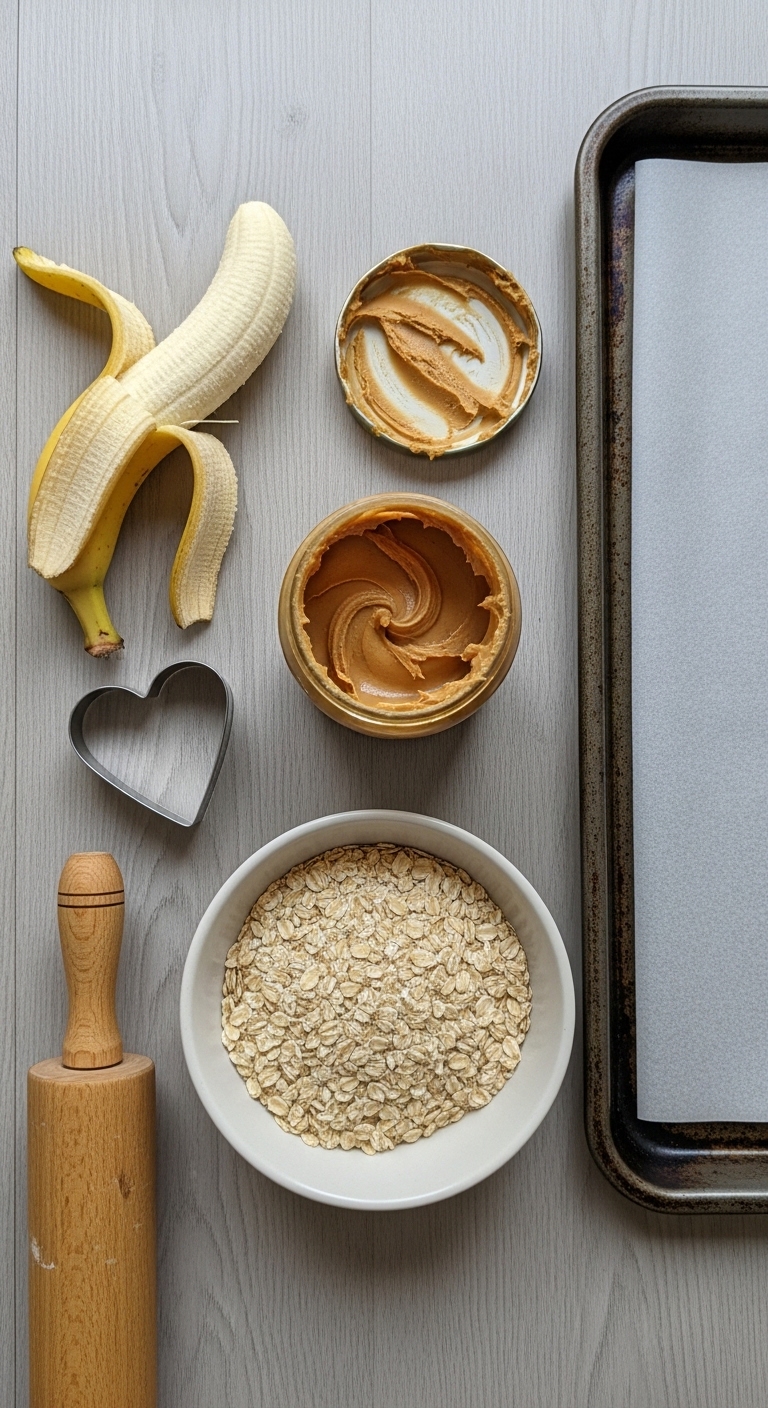
Choose natural, unsweetened peanut butter without xylitol, which is toxic to dogs. Look for varieties with just peanuts and possibly a bit of salt. Avoid any peanut butter with added sugars or artificial sweeteners.
- → How long do these treats last?
Stored in an airtight container at room temperature, these treats will stay fresh for about 1-2 weeks. For longer storage, freeze them for up to 3 months. Always check for freshness before serving.
- → Can I substitute ingredients if my dog has allergies?
Yes! If your dog is allergic to oats, you can use coconut flour or whole wheat flour instead. For peanut butter allergies, try sunflower seed butter or pumpkin puree as alternatives. Always introduce new ingredients slowly.
- → How many treats can I give my dog per day?
Treats should make up no more than 10% of your dog's daily caloric intake. For small dogs, 1-2 treats per day is plenty, while larger dogs can have up to 3-4. Always adjust based on your dog's size and activity level.
- → Do I need to cook these treats or can I serve them raw?
These treats should be baked to ensure they hold their shape and are safe to eat. Raw dough can be difficult for dogs to digest and may contain bacteria. Baking also helps preserve the treats longer.