Making your own dog treats at home is simpler than you think and can make a big difference in your pup’s health and happiness. Store-bought options often contain preservatives, fillers, or ingredients that don’t agree with every dog. When you prepare treats yourself, you control what goes into them, ensuring your furry friend gets only the good stuff. Plus, baking for your dog can be a fun way to bond and add variety to their diet without breaking the bank.
I still remember the first time I baked peanut butter biscuits for my rescue terrier. His tail didn’t stop wagging, and I loved that I could sneak in a little pumpkin for his sensitive stomach.
Key Things to Understand
- Fresh ingredients work best: for homemade treats
- Avoid toxic foods: like chocolate, grapes, onions, and xylitol
- Small batches are easier: to store and less wasteful
- Dogs have different calorie needs: based on size and activity level
- Drying or baking times vary: depending on the recipe and oven
What to Look For
Pay attention to how your dog reacts after trying a new treat. Some pups might get an upset stomach if the recipe is too rich or if they’re not used to homemade food. Watch for signs of allergies like itching or digestive upset, especially when introducing ingredients like dairy, wheat, or certain proteins. Texture matters too: softer treats work well for senior dogs or small breeds with delicate teeth, while crunchy biscuits can help clean teeth naturally. If your dog is new to homemade snacks, start with tiny portions to see how they tolerate it before making a full batch.
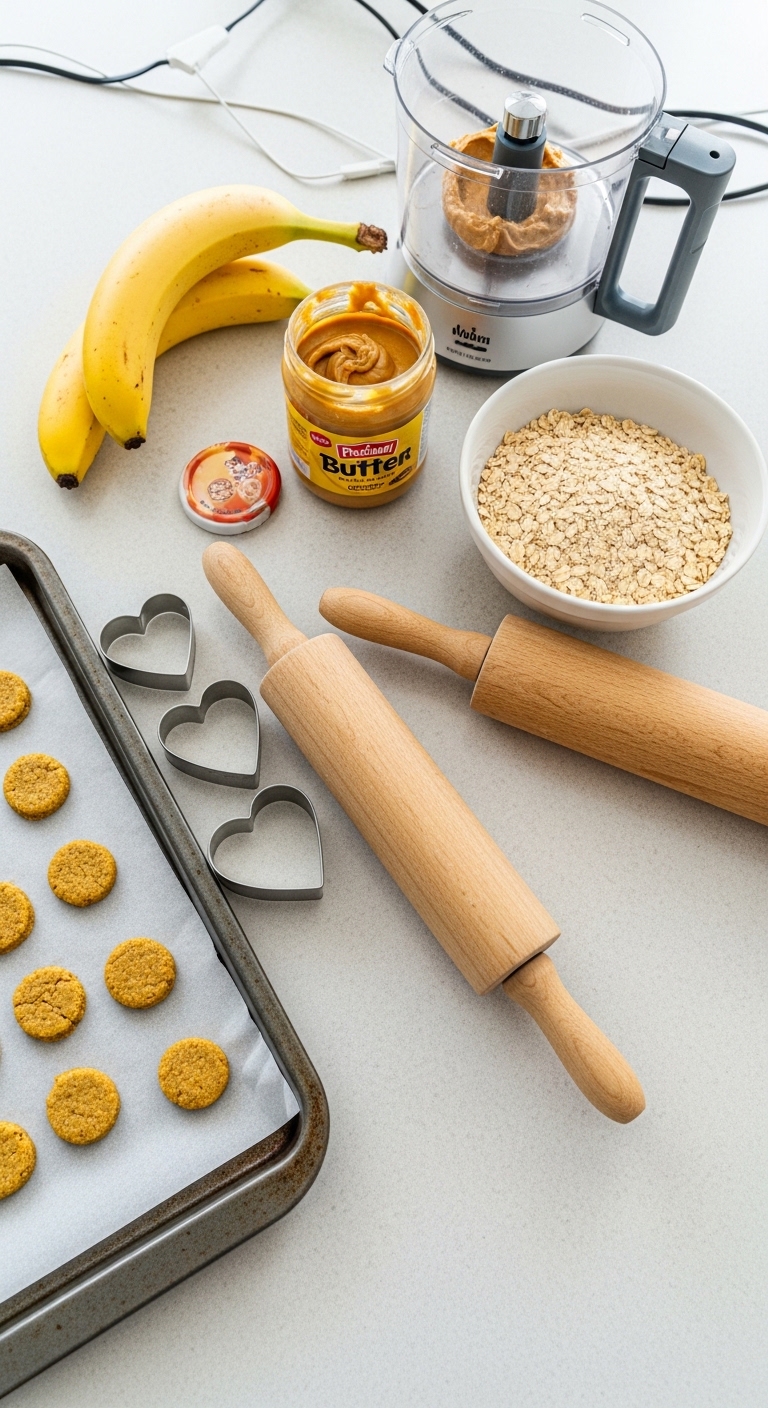
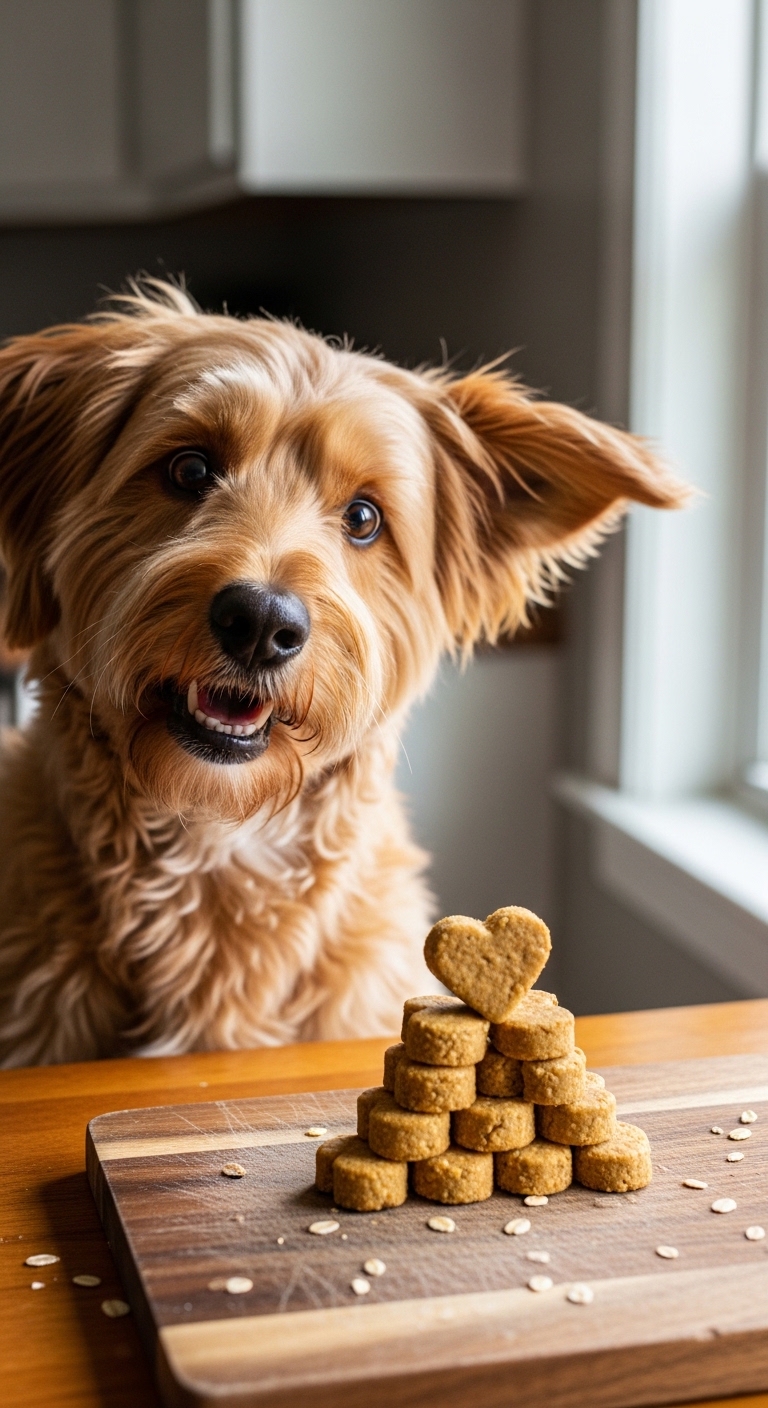
Homemade treats are a great way to spoil your dog without the guilt of store-bought options packed with mystery ingredients. I once met a pup who turned his nose up at every commercial treat but went wild for a simple oat and banana recipe: proof that sometimes less really is more.
Daily Care Habits
Incorporate homemade treats into your dog’s routine as a reward after walks or training sessions. This helps reinforce good behavior while keeping their diet balanced. If your dog is on a strict calorie plan, use tiny pieces of treats for maximum impact with minimal calories. You can even freeze some treats in silicone molds for a refreshing summer snack.
Choosing the Right Product
When shopping for ingredients, opt for organic or high-quality versions of key components like peanut butter or oats. Avoid anything labeled “sugar-free,” as it often contains xylitol, which is deadly to dogs. If you’re unsure about a specific ingredient, a quick online search or call to your vet can save you from a potential mistake.
Safety and Comfort
Always supervise your dog when giving them new treats, especially if they’re prone to gobbling food quickly. Soft treats are gentler on older dogs’ teeth, while harder biscuits can help scrape away plaque. If your dog has a sensitive stomach, stick to bland ingredients like plain pumpkin or boiled chicken until you know what agrees with them.
Cleaning and Hygiene
Wash your hands and all utensils thoroughly after handling raw ingredients like meat or eggs to prevent cross-contamination. Use separate cutting boards for pet treats and human food to avoid any accidental mix-ups. If you’re baking multiple batches, clean your oven trays between uses to keep flavors fresh and prevent any lingering odors from previous recipes.
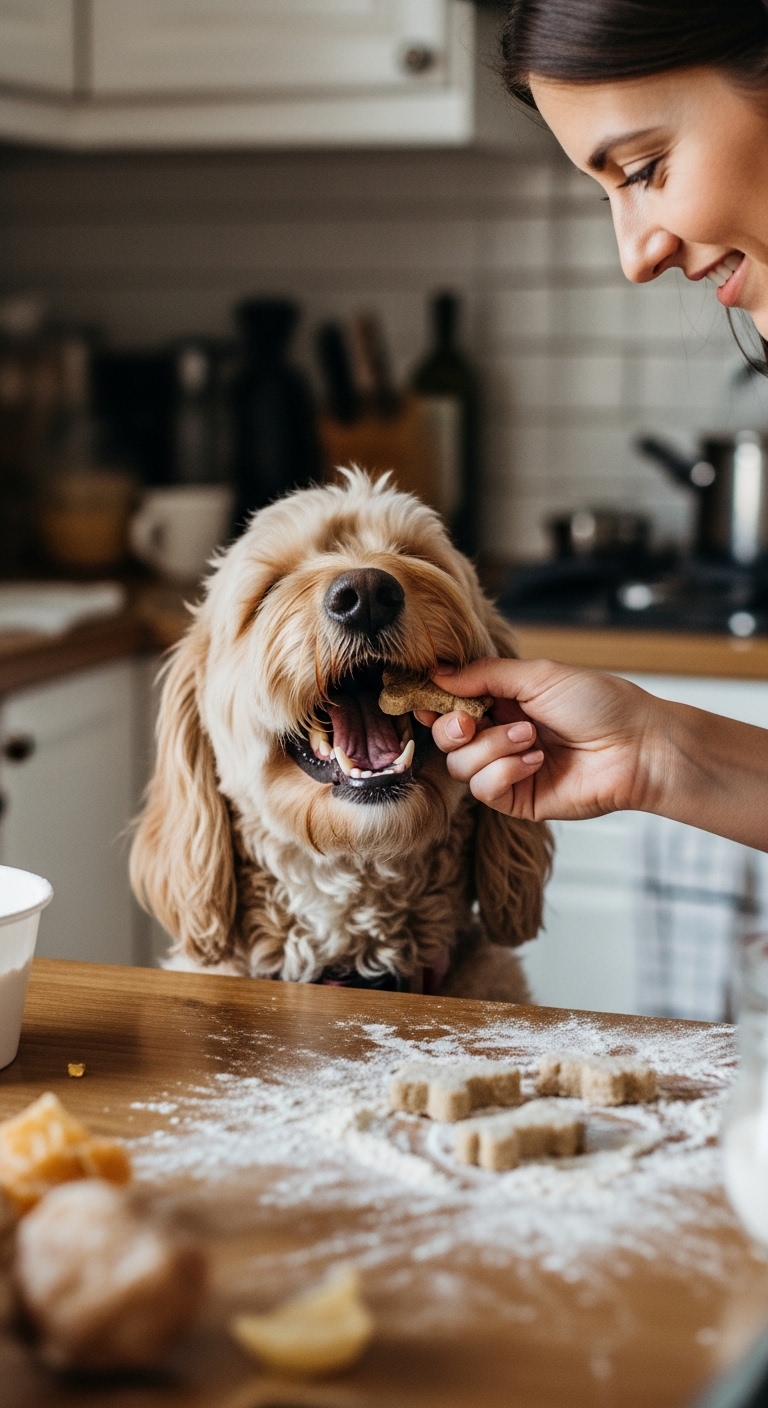
Homemade treats let you care for your dog in a way that’s both rewarding and practical. Start simple, and you’ll soon discover how easy it is to keep your pup happy and healthy.
Frequently Asked Questions
- → What ingredients are safe for homemade dog treats?
Safe ingredients include peanut butter (xylitol-free), oats, pumpkin puree, sweet potato, eggs, and lean meats like chicken or turkey. Avoid toxic foods like chocolate, grapes, onions, and xylitol. Always introduce new ingredients gradually to check for allergies.
- → How long do homemade dog treats last?
Most homemade treats stay fresh for 1-2 weeks when stored in an airtight container at room temperature. For longer shelf life, freeze them for up to 3 months. Refrigeration can extend freshness by a few extra days.
- → Can I use these treats for training my dog?
Absolutely! Small, soft treats work best for training sessions. Cut treats into tiny pieces (pea-sized) to avoid overfeeding. High-value treats like freeze-dried liver or cheese can motivate even the most stubborn pups during obedience training.
- → Are homemade dog treats healthier than store-bought?
Yes! Homemade treats let you avoid artificial preservatives, excessive salt, and unhealthy fats common in commercial products. You can also tailor recipes to your dog’s dietary needs, such as grain-free, low-fat, or hypoallergenic options.
- → What’s the best way to bake dog treats?
Bake at 350°F (175°C) for 10-25 minutes, depending on thickness. Use parchment paper to prevent sticking, and let treats cool completely before serving. Thinner treats bake faster, while thicker ones may need extra time to dry out.
- → Can I substitute ingredients in dog treat recipes?
Yes, but always research substitutions first. For example, swap peanut butter for mashed banana if your dog has a nut allergy. Avoid dairy if your dog is lactose intolerant, and use gluten-free flour if needed. Always introduce changes gradually.