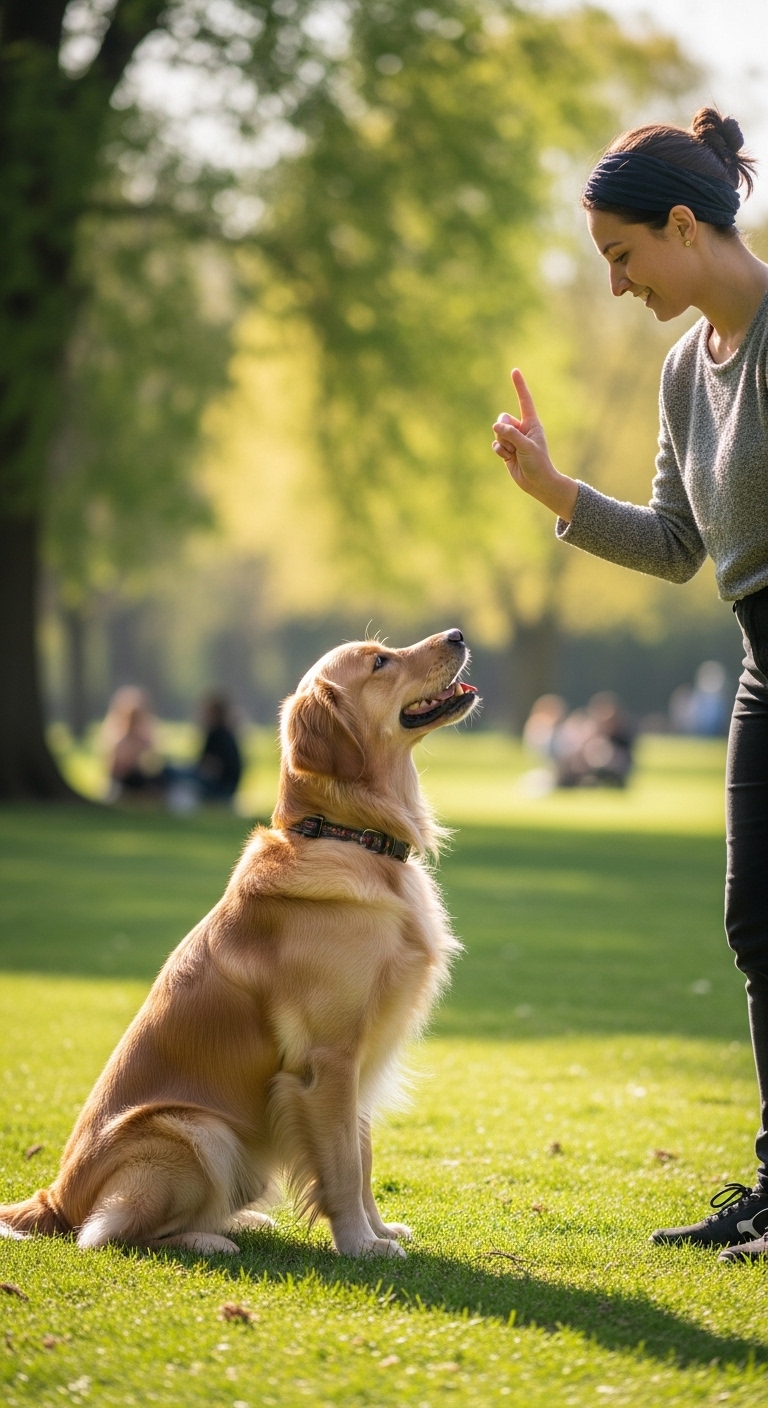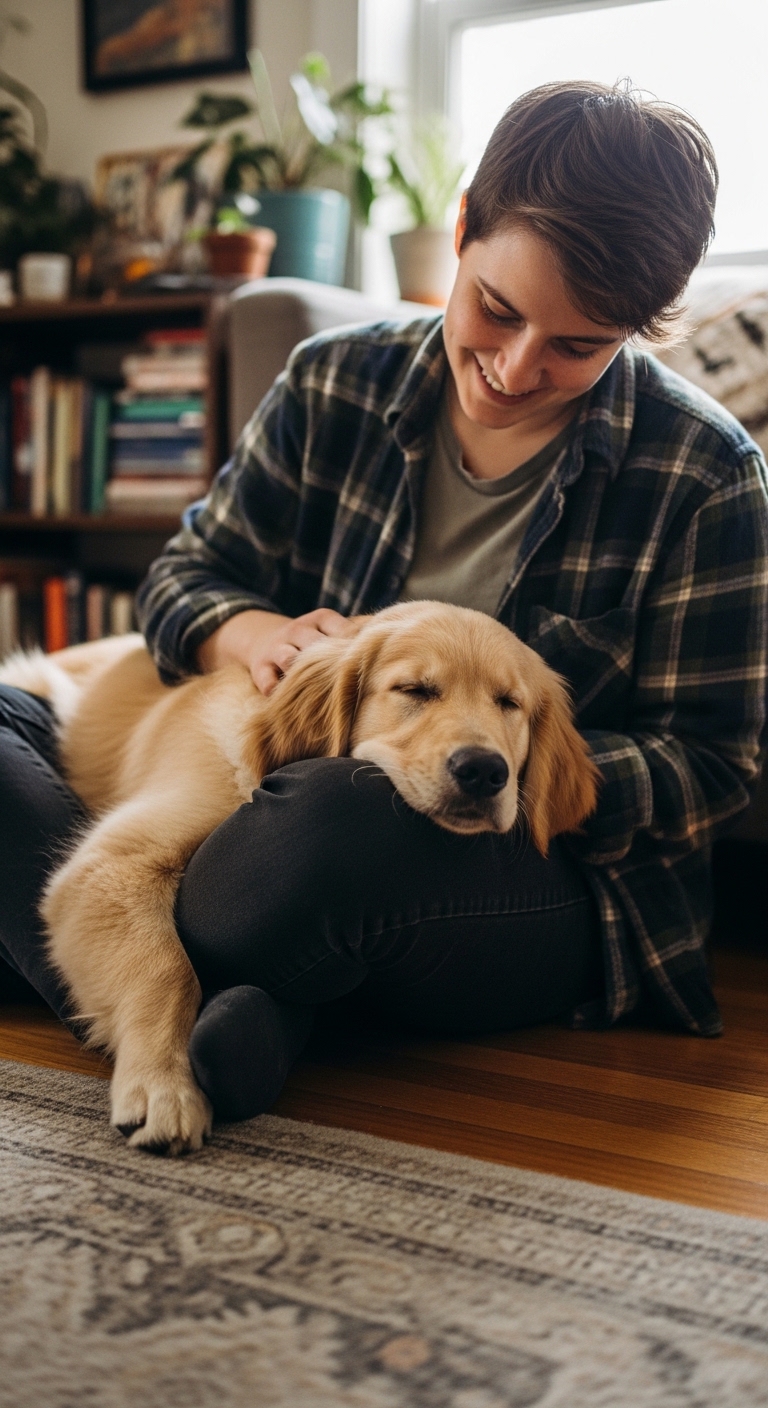
New puppy crate training isn't just about keeping your floors clean: it's about giving your pup a safe space to learn boundaries while feeling secure. When done right, it helps prevent accidents, reduces anxiety, and makes your life easier too. The first few weeks with a new puppy are exhausting enough without adding unnecessary stress, so getting this right early sets the tone for a smoother transition into your home.
I still remember my first puppy’s first night in the crate: she whined for exactly 10 minutes before falling asleep. The next morning, she woke up dry and happy, and I realized how much easier training became when she had that safe space to retreat to.
Key Things to Understand
- Crate size: A crate should be just big enough for your puppy to stand up, turn around, and lie down comfortably. Too much space can encourage accidents in one corner while they sleep in another.
- Gradual introduction: Start with short sessions 5 to 10 minutes at a time so your puppy doesn’t associate the crate with abandonment.
- Positive associations: Always make the crate a positive place by feeding meals inside or giving treats when they enter voluntarily.
- Avoid punishment: Never use the crate as punishment; it should feel like a cozy retreat, not a time-out spot.
- Bladder limitations: Puppies under 4 months can’t hold their bladder for more than a few hours, so overnight crate training requires patience and frequent potty breaks.
What to Look For
Watch for signs your puppy is getting comfortable in the crate, like willingly entering without hesitation or settling down quickly after you close the door. If they’re constantly whining or pawing at the door, it might mean they need to go outside or the crate feels too restrictive. Pay attention to their body language: relaxed postures and occasional sighs mean they’re adjusting well, while tense movements or excessive barking suggest stress.
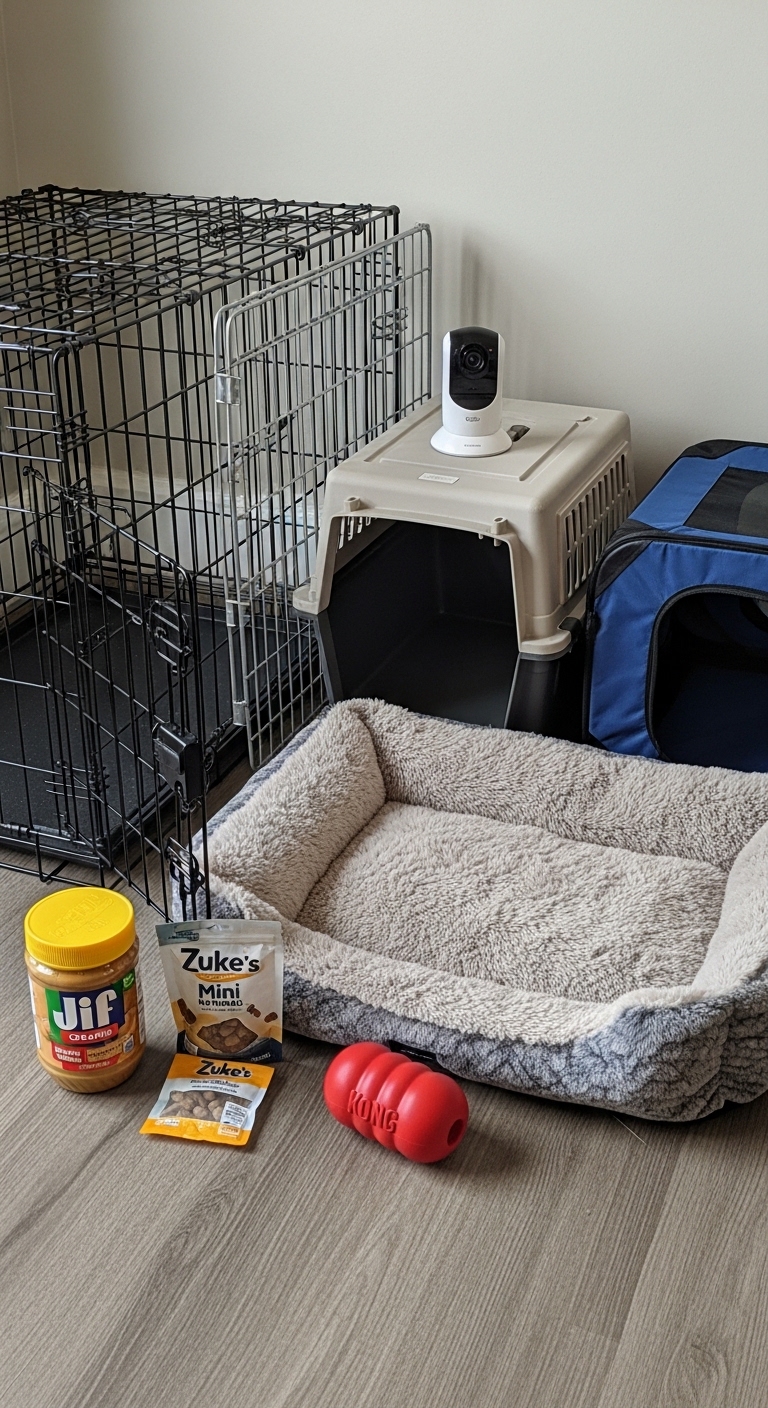
I once crated a puppy for too long overnight and woke up to a mess: turns out, she hadn’t been taken out in over 6 hours. That taught me to adjust my schedule based on her age and needs. Also, avoid lining the crate with towels or loose bedding that could be chewed or dragged around, as this can pose a suffocation risk.
Daily Care Habits
Start by introducing the crate gradually. Place it in a common area where your family spends time, so your puppy doesn’t feel isolated. Feed meals near the crate at first, then inside it once they’re comfortable. Keep the door open initially so they can explore freely. If your puppy seems hesitant, toss treats inside to encourage them to go in on their own.
Choosing the Right Product
The crate should match your puppy’s expected adult size, but use a divider panel to create a smaller space as they grow. Wire crates offer better airflow and visibility, while plastic ones feel more den-like and may be cozier for anxious pups. Avoid secondhand crates unless you’re certain they’re clean and structurally sound: old crates can harbor odors or hidden damage that might stress your puppy.
Safety and Comfort
Check the crate regularly for sharp edges or loose wires that could injure your puppy. Ensure the latch is secure so they can’t push the door open and escape. If your puppy is a heavy chewer, opt for a durable plastic crate instead of wire to prevent them from bending the bars. Always supervise your puppy during the first few crate sessions to make sure they’re adjusting well.
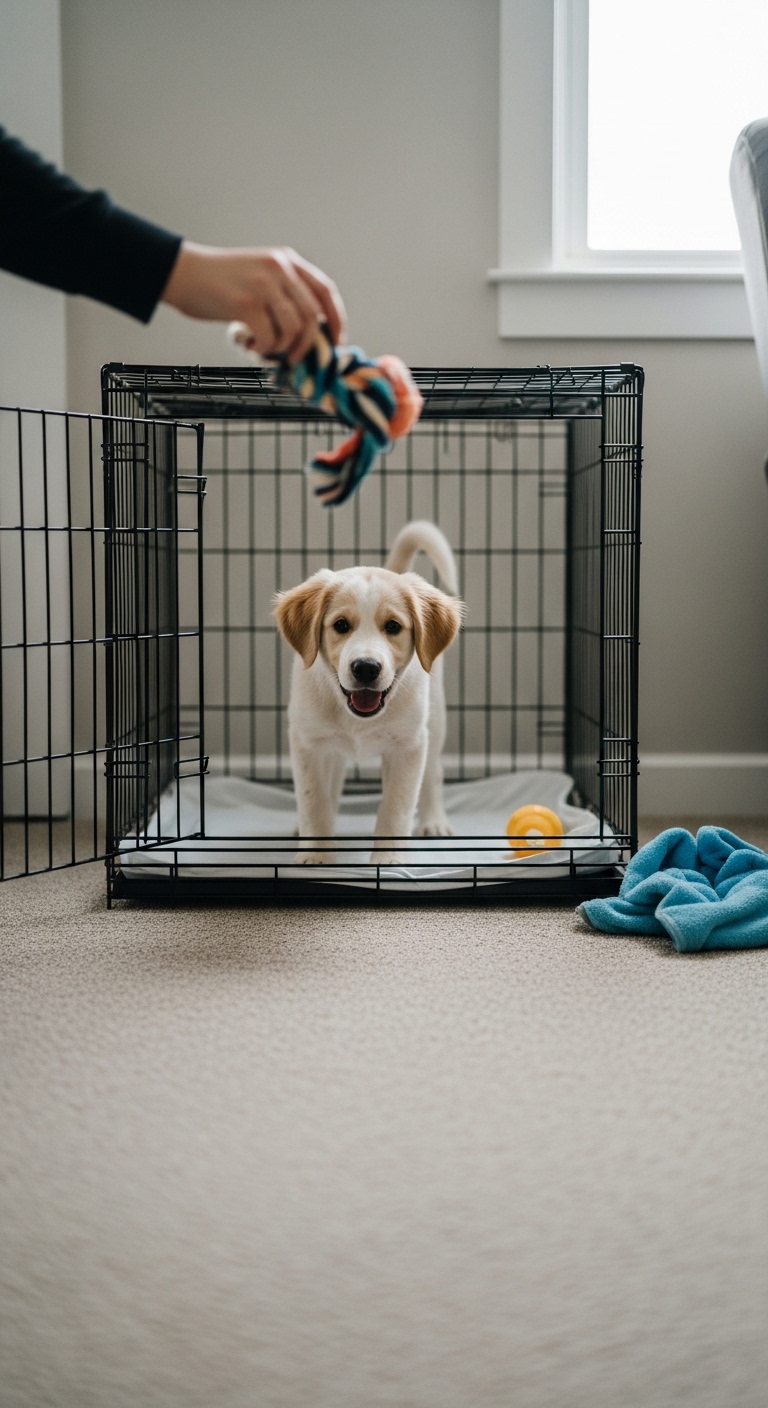
The first time I crated my puppy overnight, I set an alarm for every 3 hours to take her outside. It was exhausting, but within a week, she was sleeping through the night without accidents. That consistency made all the difference.
Seasonal Adjustments
In hot weather, place the crate in a cool, shaded area and provide a damp towel for them to lie on. In winter, add an extra blanket but avoid overheating: puppies can’t regulate their temperature as well as adult dogs. If you’re traveling, bring their familiar crate and bedding to reduce stress in unfamiliar environments.
Remember, crate training isn’t about locking your puppy away: it’s about giving them a safe space to thrive. With patience and consistency, it becomes a tool that benefits both of you.
Frequently Asked Questions
- → How long should I crate train my puppy each day?
Start with short sessions of 10–15 minutes while you’re home, gradually increasing to 30 minutes as your puppy adjusts. Puppies under 6 months shouldn’t stay crated for more than 3–4 hours at a time.
- → What’s the best way to introduce my puppy to the crate?
Place the crate in a quiet area and encourage your puppy to explore it with treats or toys. Feed meals near the crate entrance, then inside, to build positive associations. Never force your puppy in—let them enter willingly.
- → Should I cover the crate with a blanket?
A light blanket can create a den-like feel, but ensure it’s breathable and doesn’t block airflow. Monitor your puppy to ensure they don’t chew or get tangled in the fabric.
- → What if my puppy cries in the crate?
Check for basic needs first—potty breaks, hunger, or discomfort. If crying persists, wait for a brief pause in noise before letting them out to avoid reinforcing the behavior. Consistency helps puppies learn to self-soothe.
- → Can crate training help with potty training?
Yes! Crates leverage a puppy’s natural instinct to avoid soiling their sleeping area. Take your puppy outside frequently (after meals, naps, or play) and reward immediately for successful potty breaks outside the crate.
- → How do I choose the right crate size?
Select a crate large enough for your puppy to stand, turn around, and lie down comfortably, but not so big they can eliminate in one corner. Adjust dividers as your puppy grows to maintain the proper space.