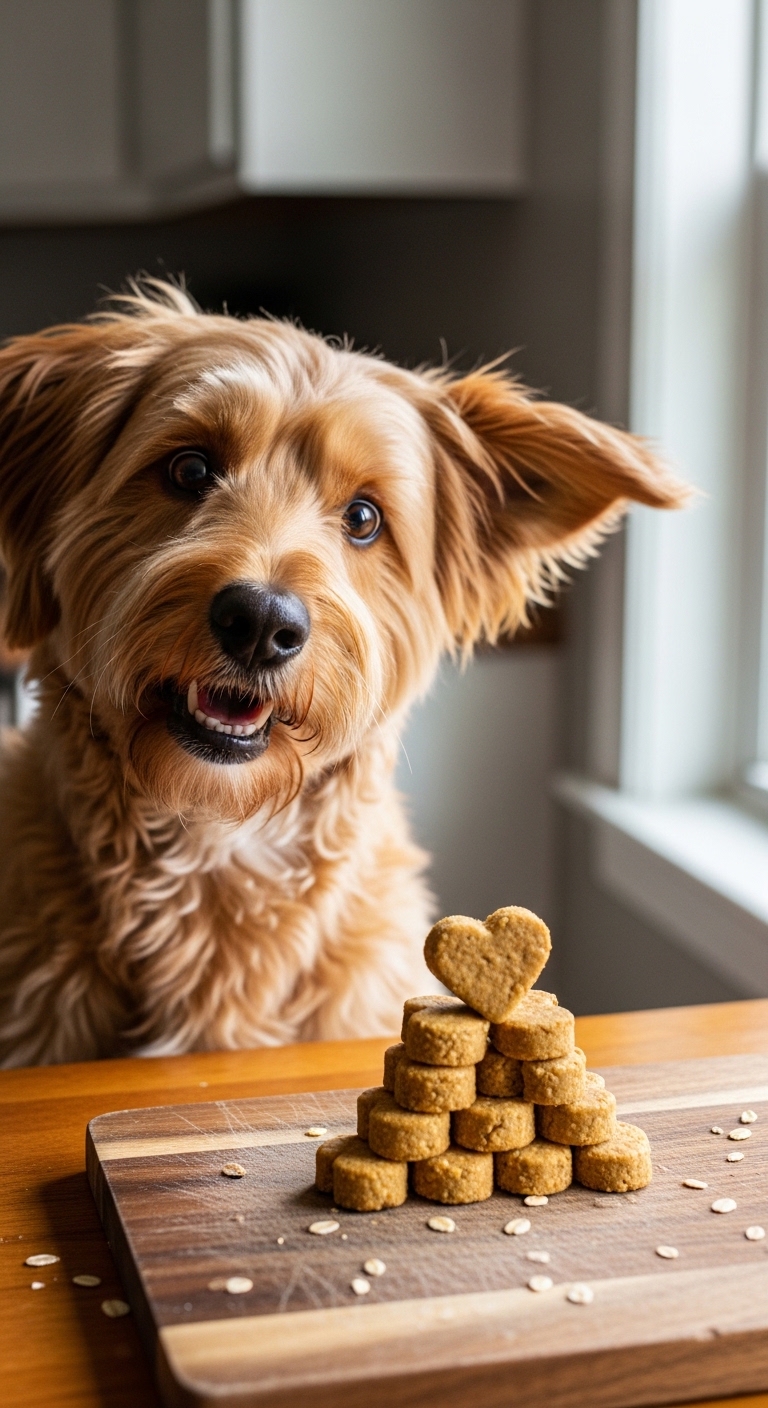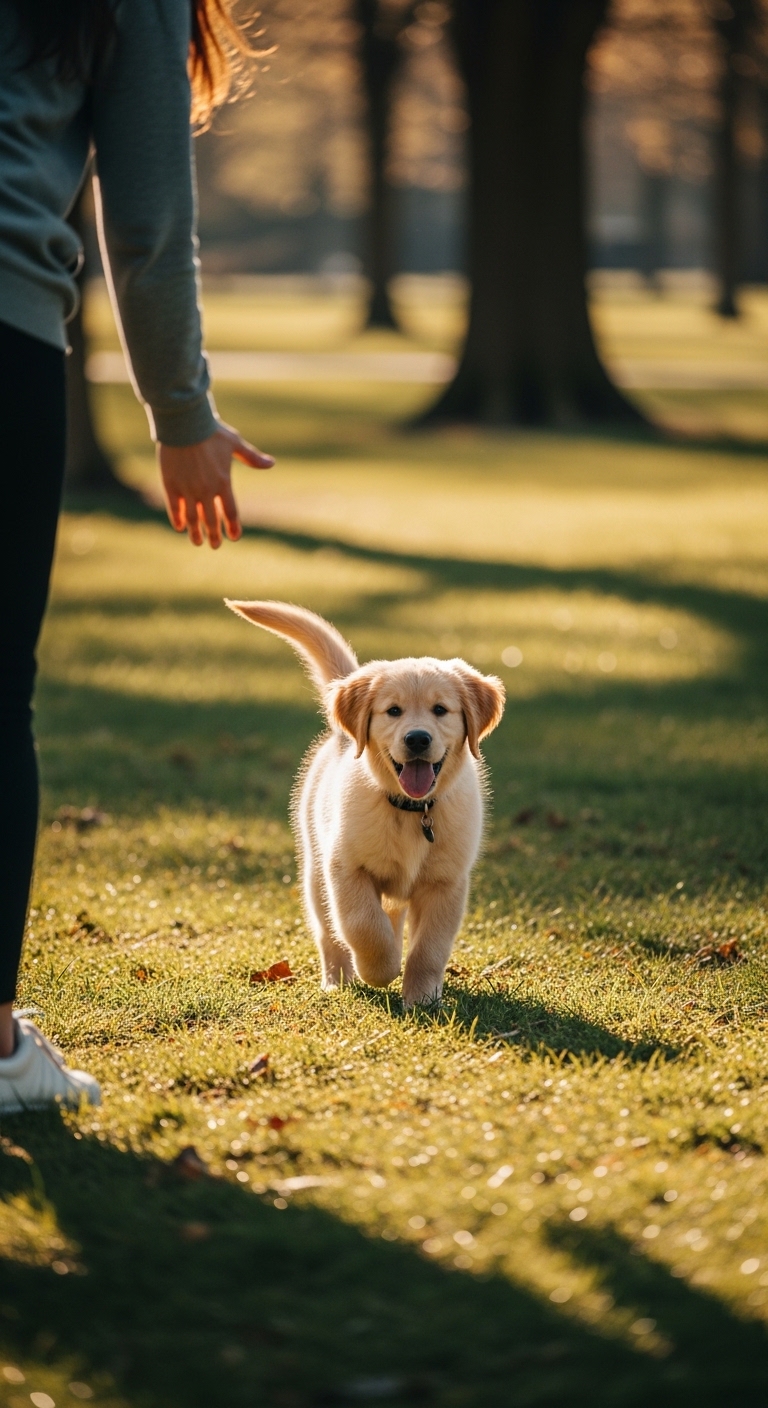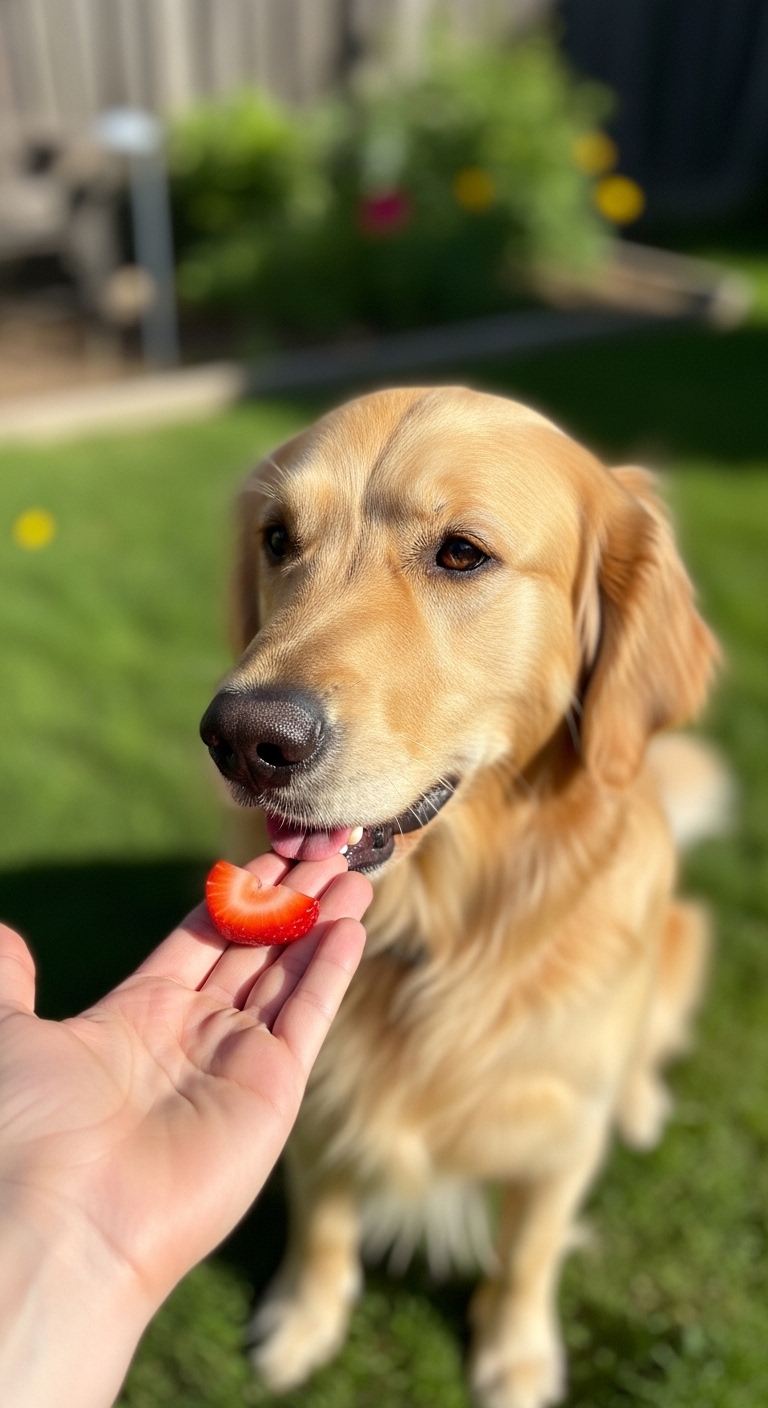
Homemade 3-ingredient dog treats offer a simple way to reward your pup with healthy, additive-free snacks. These treats work well as training rewards, occasional snacks, or just a way to show extra care without complicated recipes or long prep times. They’re ideal for pet owners who prioritize natural ingredients and want to avoid artificial additives while still providing something delicious.
I first made these for my rescue dog, who devoured them instantly. His excitement—tail wagging nonstop—proved that simplicity can make a big difference in a dog’s happiness. It’s rewarding to see how much they appreciate something made just for them.
Key Things to Understand
- Ingredient control: Avoid preservatives and fillers found in many commercial treats by selecting your own high-quality ingredients.
- Simplicity: Three ingredients keep the process easy, affordable, and hard to mess up.
- Dietary flexibility: Adjust ingredients to suit dogs with sensitive stomachs or allergies.
- Supplement, not replacement: Treats should complement meals, not replace them, and should be given in moderation.
- Gradual introduction: Always test new treats in small amounts to check for adverse reactions.
What to Look For
Quality ingredients make all the difference. For peanut butter, choose unsweetened varieties without xylitol, which is toxic to dogs. Plain oats work as a binder, but avoid flavored versions. If using flour, whole wheat or coconut flour adds nutrition. Watch your dog’s preference: some like softer treats (less baking time), while others prefer crunchier textures (longer baking). Adjust based on their reaction after the first taste.
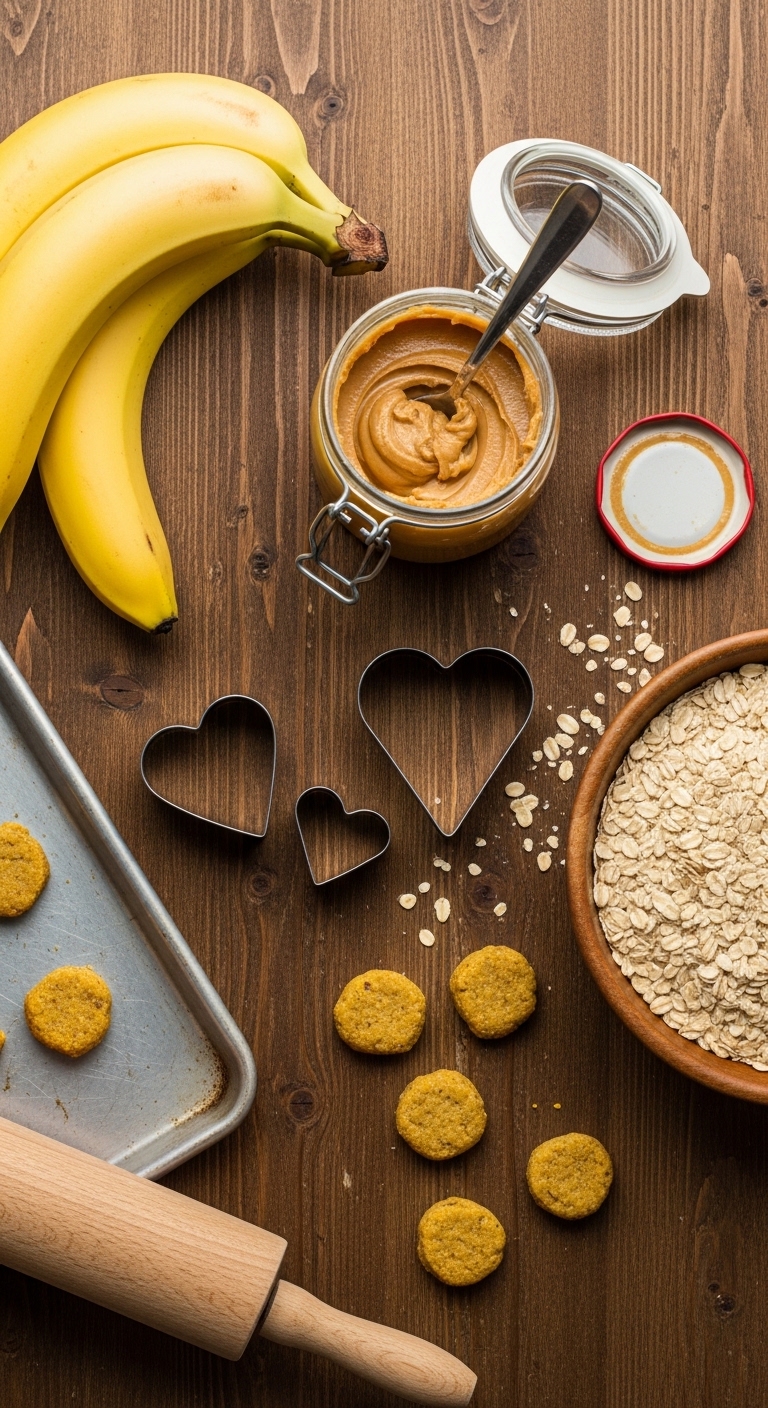
Once, I added cinnamon thinking my dog would enjoy the flavor, but he sneezed repeatedly. It was a reminder to stick to dog-safe ingredients and avoid assumptions. Another lesson: even simple recipes need attention—overbaking turns treats into hard rocks, while underbaking leaves them crumbly. Cooling them fully before serving ensures the right texture.
Daily Care Habits
Use treats to reinforce training, but limit portions to a few pieces daily to prevent overfeeding. If your dog has dietary restrictions, consult your vet before introducing new snacks. For convenience, freeze the dough in portions and bake fresh batches as needed. This keeps treats appealing and reduces waste.
Choosing the Right Product
When short on time, opt for store-bought treats with short, recognizable ingredient lists. Look for single-protein sources and no hidden sugars or artificial additives. Brands that mimic homemade simplicity are often safer. Always read labels carefully to avoid ingredients that might upset your dog’s stomach.
Safety and Comfort
Store treats in a cool, dry place to prevent mold. For dogs with dietary needs, use only tolerated ingredients. Softer treats with pumpkin puree or yogurt suit teething puppies or senior dogs with sensitive gums. Monitor your dog’s reaction to new treats and adjust textures or ingredients as needed.
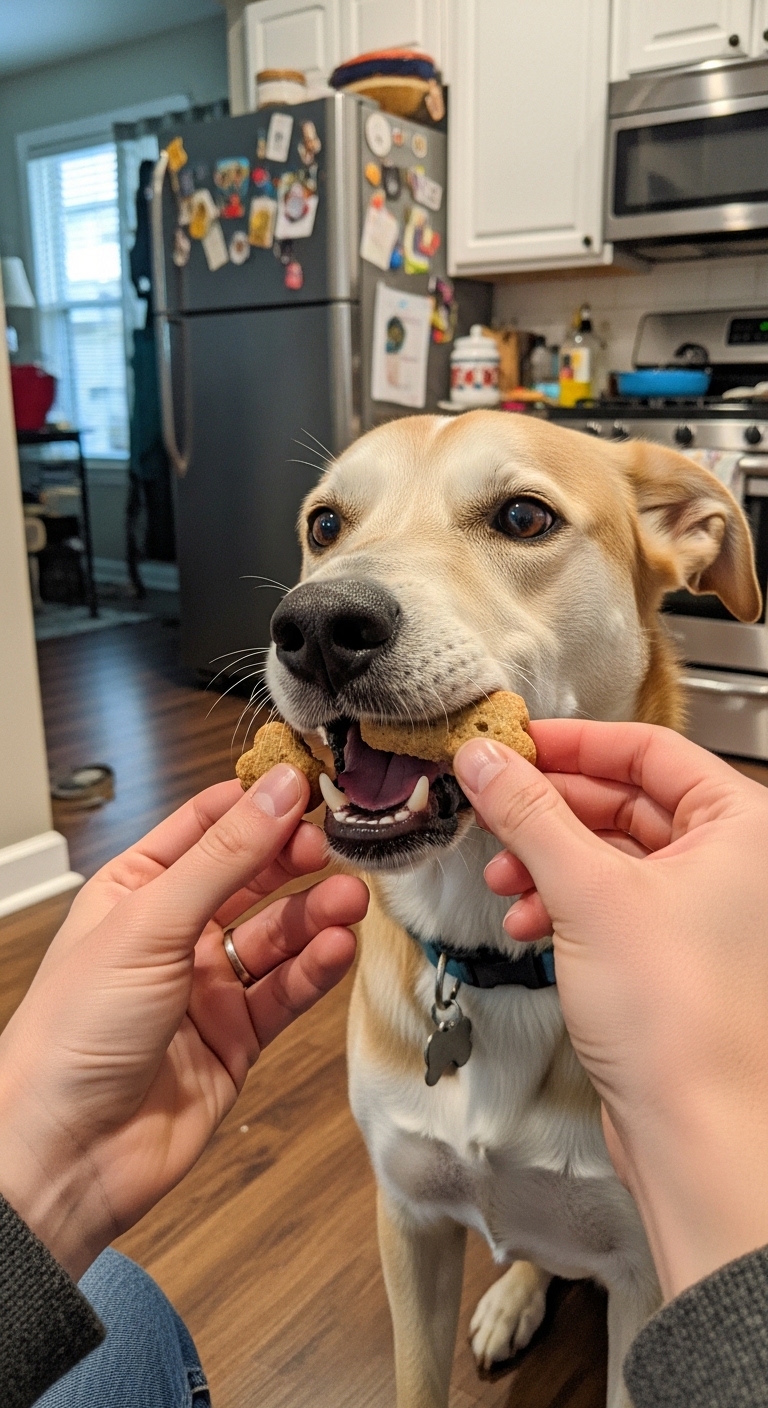
Homemade treats strengthen the bond with your dog while ensuring their snacks are both safe and enjoyable. A little effort goes a long way in their health and happiness.
Frequently Asked Questions
- → What are the best ingredients for 3-ingredient dog treats?
Peanut butter (unsalted, xylitol-free), pumpkin puree (plain, no spices), and oat flour are ideal. These provide protein, fiber, and healthy fats without artificial additives.
- → How long do homemade dog treats last?
Stored in an airtight container, they stay fresh for up to two weeks at room temperature. For longer storage, freeze them for up to three months.
- → Can I substitute ingredients in this recipe?
Yes! Use almond butter instead of peanut butter, or swap oat flour for coconut flour. Avoid xylitol, chocolate, or raisins, as these are toxic to dogs.
- → Are these treats suitable for all dogs?
Generally yes, but check for allergies. Introduce new treats gradually and consult your vet if your dog has dietary restrictions or health conditions.
- → How do I make these treats more appealing to picky eaters?
Add a sprinkle of cinnamon or a drizzle of honey (in moderation) for extra flavor. Ensure treats are small and soft for easy chewing.
- → Can I use these treats for training?
Absolutely! Cut the treats into tiny pieces for high-value rewards during training sessions. Their small size makes them perfect for quick reinforcement.