 Pin
Pin
Training a dog isn’t just about teaching commands: it’s about building trust, improving communication, and making daily life smoother for both of you. Whether you’re dealing with a playful puppy or an older dog with stubborn habits, the right approach can turn frustration into progress. Good training prevents behavioral issues, strengthens your bond, and even keeps your dog safer in unpredictable situations. The best part is that you don’t need to be a professional to see real results.
I’ve seen dogs go from ignoring basic commands to responding eagerly in just a few weeks: once their owners adjusted their tone, timing, and consistency. The difference isn’t magic; it’s about understanding how dogs learn and what motivates them.
Key Things to Understand
- Dogs learn best through positive reinforcement, not punishment: Using treats, praise, or play as rewards works far better than scolding or physical corrections. Punishment can create fear or aggression, while rewards build enthusiasm for learning.
- Short, frequent sessions work better than long, exhausting ones: Dogs have short attention spans. Five to ten minutes of focused training multiple times a day is more effective than an hour-long session where they lose interest.
- Timing matters more than you think: Rewarding or correcting even a few seconds too late confuses your dog. The reward must come immediately after the desired behavior to create the right association.
- Body language speaks louder than words: Dogs read your posture, facial expressions, and hand signals more than they listen to your voice. Inconsistent signals send mixed messages.
- Every dog learns at their own pace: Breed, age, and personality all play a role. A Border Collie may pick up commands in days, while a Bulldog might take weeks: and that’s okay.
What to Look For
Watch your dog’s energy level during training. If they seem distracted, bored, or frustrated, it’s time to take a break. A dog that’s engaged will have perked ears, a wagging tail, and focused eyes on you. If they start sniffing the ground, yawning, or turning away, they’re telling you they’ve had enough.
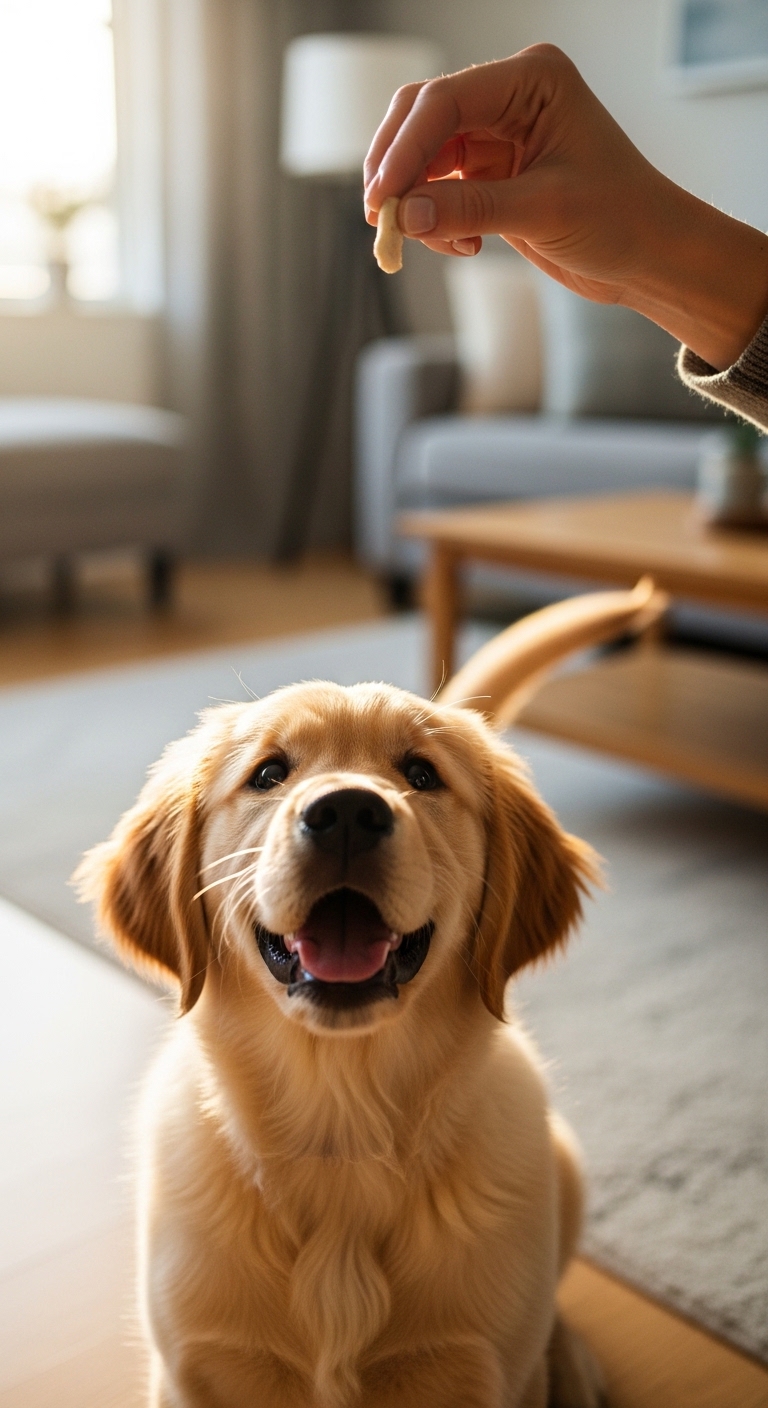
Pay attention to how your dog responds to different rewards. Some dogs will work for tiny pieces of chicken, while others prefer a favorite toy or verbal praise. If your dog isn’t motivated by the reward, they won’t be motivated to learn. Test a few options to see what gets the best reaction.
Notice how your dog reacts to your tone and body language. A high-pitched, excited voice often works for praise, while a calm, firm tone is better for commands. If your dog seems confused, check if your hand signals or posture are inconsistent. For example, if you sometimes point down for “sit” and other times hold your hand flat, they won’t understand what you want.
Consistency is everything. If you let your dog jump on you sometimes but scold them other times, they’ll never learn the rule. The same goes for commands: if “off” means “get off the couch” one day and “drop that toy” the next, your dog will struggle. Decide on clear rules and stick to them.
One of the biggest mistakes I see is owners repeating commands over and over when their dog ignores them. If you say “sit” five times and your dog finally sits on the sixth, they’ve learned that they don’t have to listen until you’ve said it six times. Instead, say it once, wait a few seconds, and if they don’t respond, gently guide them into position. Then reward immediately when they comply.
Choosing the Right Training Treats
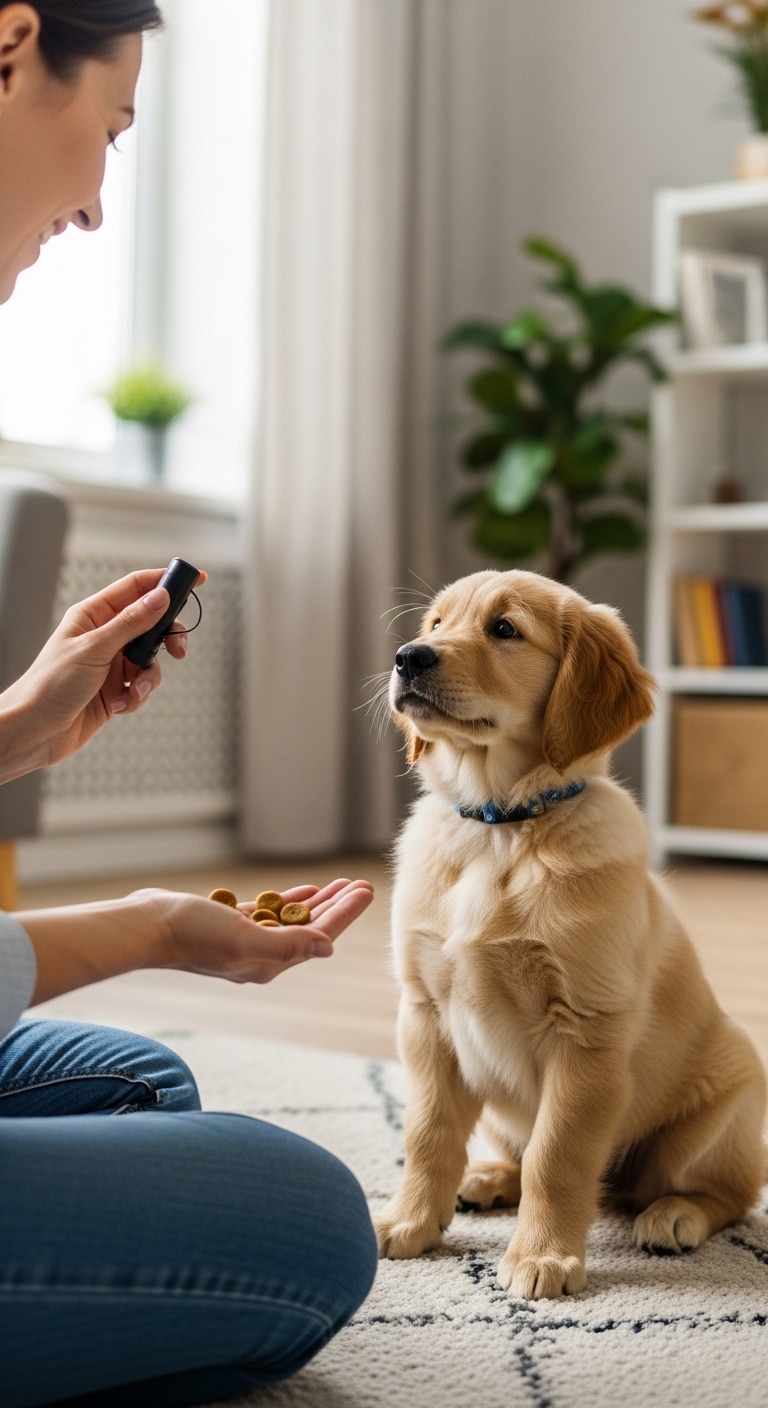
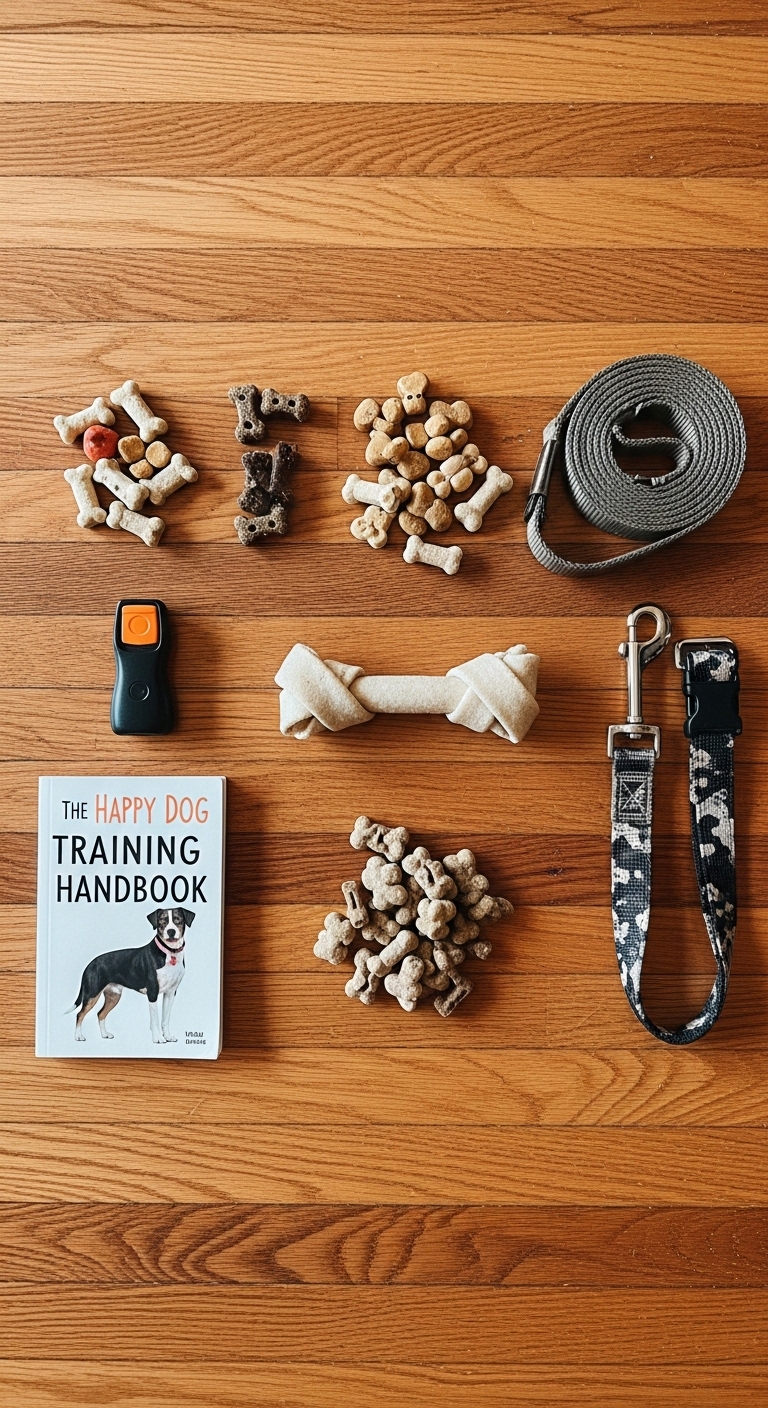
Not all treats are equal when it comes to training. Small, soft treats work best because your dog can eat them quickly and stay focused. Avoid crumbly or sticky treats that take too long to chew. For high-value rewards, like training in distracting environments, use something extra tempting, like small pieces of cooked chicken or cheese.
If your dog isn’t food-motivated, try using praise, petting, or a quick game of tug as a reward. Some dogs work just as hard for a “Good boy!” and a belly rub as they do for a treat. The key is to find what your dog loves and use it consistently.
Common Mistakes to Avoid
One of the fastest ways to derail training is inconsistency. If you let your dog pull on the leash during some walks but correct them on others, they’ll never learn to walk politely. The same goes for jumping, barking, or any other behavior. Decide on the rules and stick to them: every time.
Another mistake is training only when you’re frustrated. If your dog has been barking for an hour and you finally try to train “quiet,” they’re already too worked up to learn. Instead, practice commands when your dog is calm and gradually introduce distractions.
Training in Different Environments
Dogs don’t automatically transfer skills from one place to another. Your dog might sit perfectly in your living room but ignore you at the park. To fix this, start training in a quiet, familiar space, then gradually move to slightly more distracting areas. For example, practice in your backyard first, then the front yard, then on a quiet street before trying a busy park.
If your dog struggles in a new environment, go back to basics. Use higher-value rewards and keep sessions short. Over time, they’ll learn that commands mean the same thing everywhere.
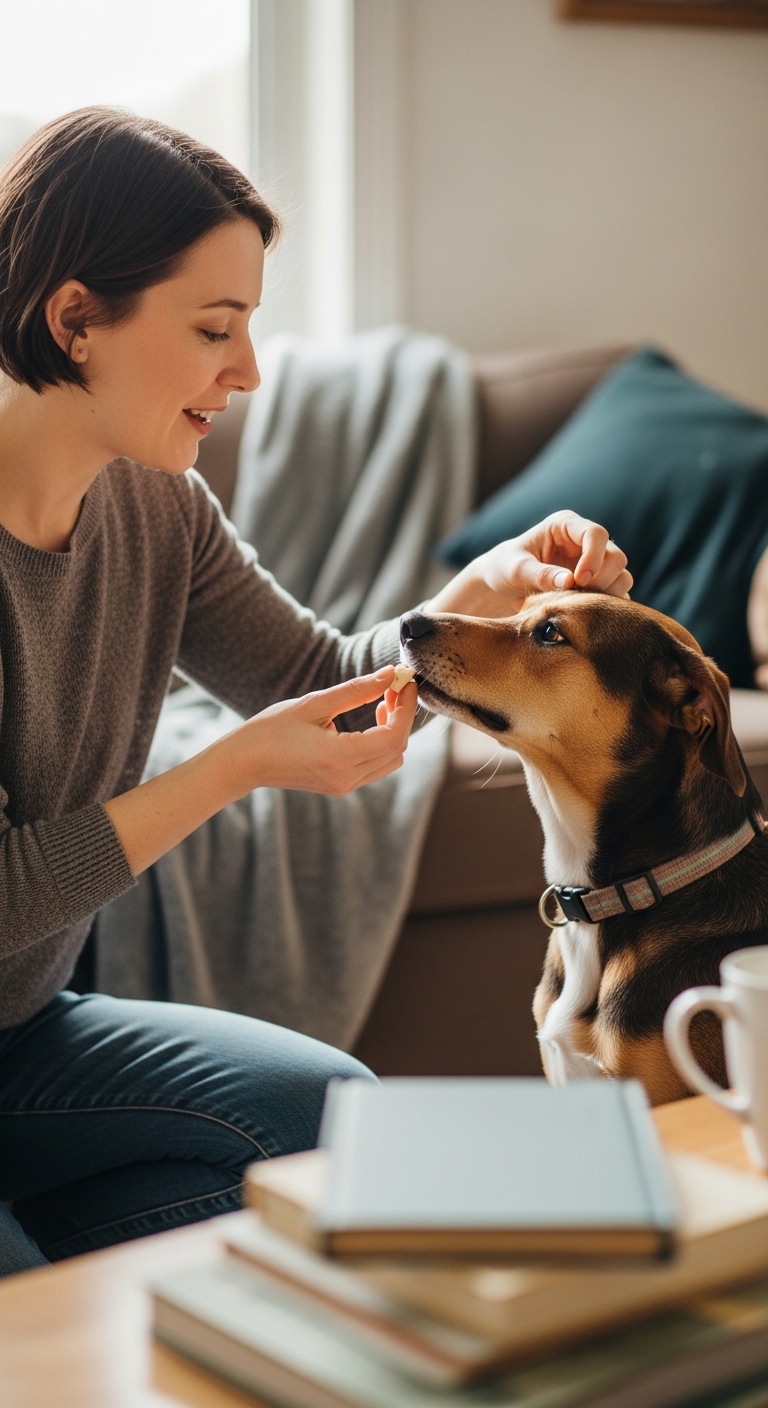
Training builds a lifelong bond between you and your dog. With patience and consistency, you’ll see progress that makes every effort worthwhile.
Frequently Asked Questions
- → How often should I train my dog?
Short, daily sessions (5-10 minutes) work best for most dogs. Puppies have shorter attention spans, so limit training to 2-3 sessions per day. Consistency matters more than duration—stick to a routine to reinforce learning.
- → What’s the best reward for dog training?
High-value treats (small, soft, and smelly) work well for motivation, but praise, petting, or playtime can also be effective. For food-motivated dogs, try tiny pieces of chicken or cheese. Always reward immediately after the desired behavior.
- → How do I stop my dog from barking excessively?
First, identify the trigger (boredom, fear, territorial behavior). Redirect their attention with a command like ‘quiet’ and reward calmness. Provide mental stimulation (puzzle toys, walks) and avoid yelling, which can increase barking. Consult a trainer if it persists.
- → Can older dogs learn new commands?
Absolutely! While puppies learn faster, older dogs can master new skills with patience and positive reinforcement. Adjust expectations—short, frequent sessions work best. Focus on one command at a time and use high-value rewards to keep them engaged.
- → What’s the first command I should teach my dog?
‘Sit’ is the easiest starting point. Hold a treat near their nose, move it upward, and say ‘sit’ as their bottom touches the ground. Reward immediately. This command builds focus and is useful for managing excitement (e.g., before meals or walks).
- → How do I train my dog to walk nicely on a leash?
Start in a low-distraction area. Hold the leash loosely and reward your dog for walking beside you (use treats at your leg). If they pull, stop walking until they return to your side. Practice ‘heel’ with short, positive sessions. Avoid retractable leashes until they master loose-leash walking.