Dog training isn’t just about teaching tricks: it’s about building a stronger bond with your pup while making everyday life smoother. Whether you’re dealing with a new puppy or an older dog picking up new habits, consistent training helps prevent frustration for both of you. It reduces stress during walks, vet visits, and even when guests come over, because a well-trained dog is a confident dog.
I still remember when my rescue dog, Max, would lunge at squirrels during walks. It wasn’t just annoying: it was exhausting. But after a few weeks of focused training, those moments became rare, and our walks turned into something we both enjoyed.
Key Things to Understand
- Consistency is everything in dog training: Dogs thrive on repetition, so short daily sessions work better than long, irregular ones.
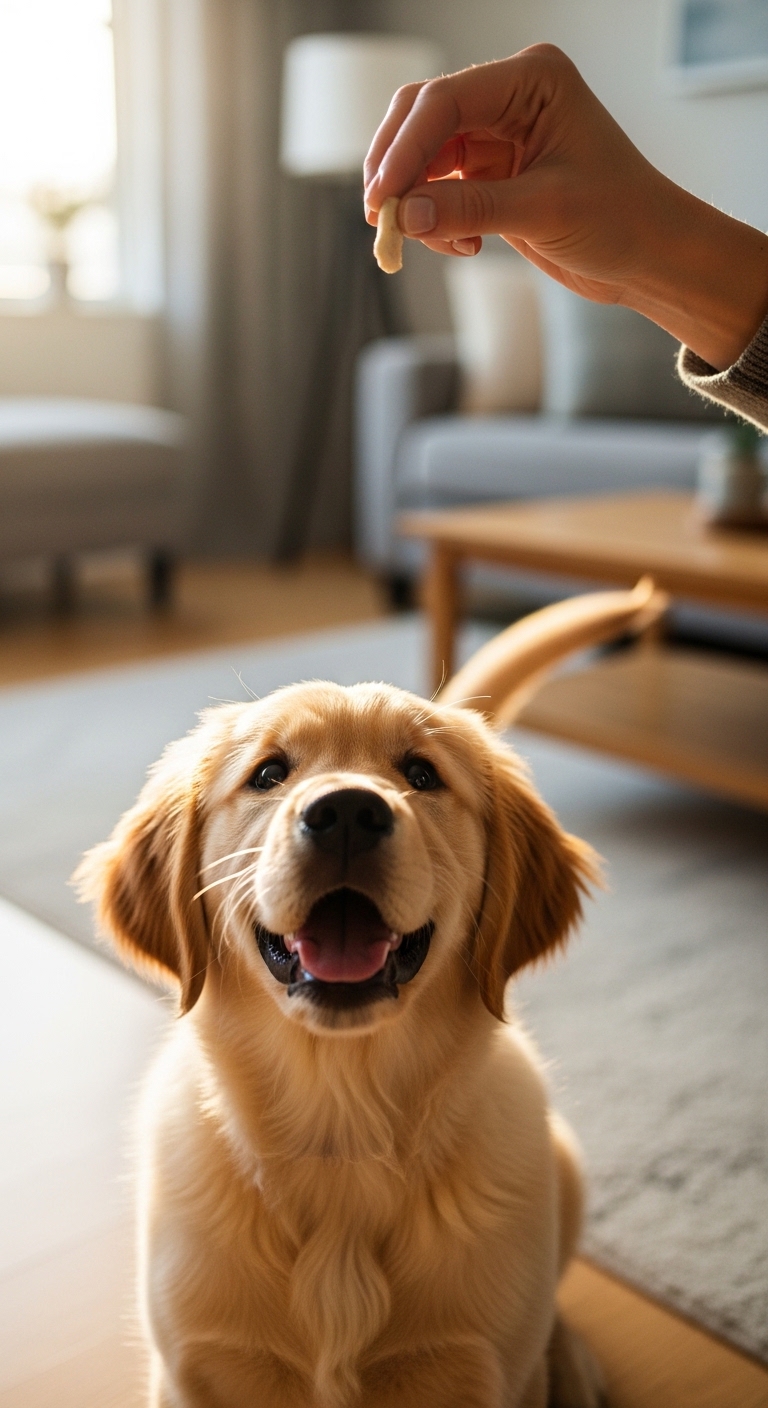
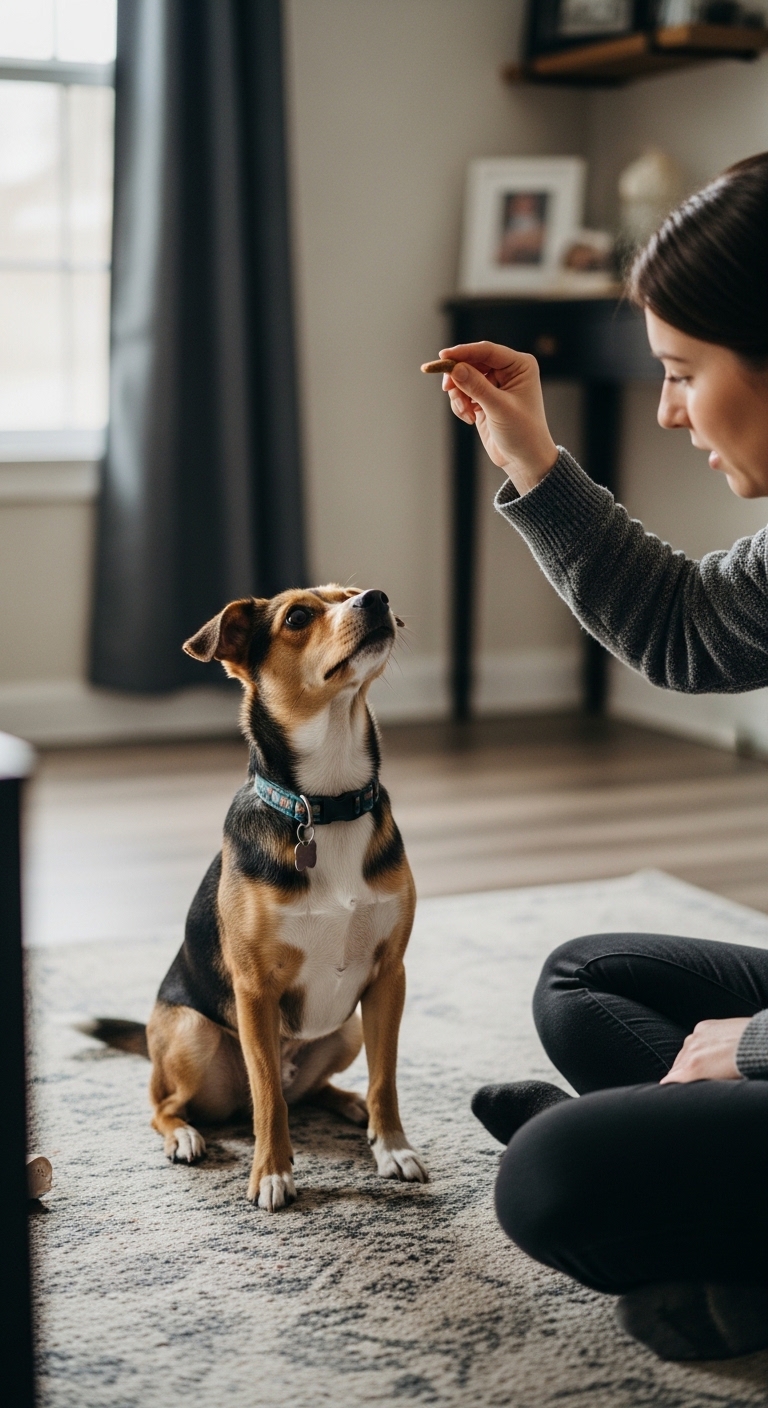
- Positive reinforcement works best: Treats, praise, or play works far better than punishment, which can create fear or confusion.
- Timing matters: Rewarding good behavior immediately helps your dog connect the action with the reward.
- Body language speaks louder than words: Your posture, tone, and facial expressions all communicate how you feel.
- Patience pays off: Some dogs learn quickly, while others need more time, but progress always happens with persistence.
What to Look For
Watch how your dog responds to commands during training sessions. If they seem distracted or disinterested, it might be time to switch up your rewards or try a different environment. Notice their body language: ears perked up, tail wagging, and focused eyes usually mean they’re engaged. If they’re avoiding eye contact or turning away, they might be stressed or overwhelmed.
On walks, pay attention to how your dog reacts to distractions like other animals or loud noises. A well-trained dog should stay calm and responsive to your cues, even in busy areas. If they’re constantly pulling or ignoring you, it’s a sign that their training needs reinforcement.
I once tried training my dog only when he chewed my shoes: it didn’t work. Once I switched to daily short sessions, even when nothing was wrong, his behavior improved dramatically. The key is making training part of your routine, not just a reaction to problems.
Daily Care Habits
Incorporate training into everyday moments. Practice commands like “sit” before meals or “stay” before opening the door. These small interactions reinforce good behavior without feeling like a chore. Even a quick 5-minute session while brushing their teeth can make a difference.
Choosing the Right Product
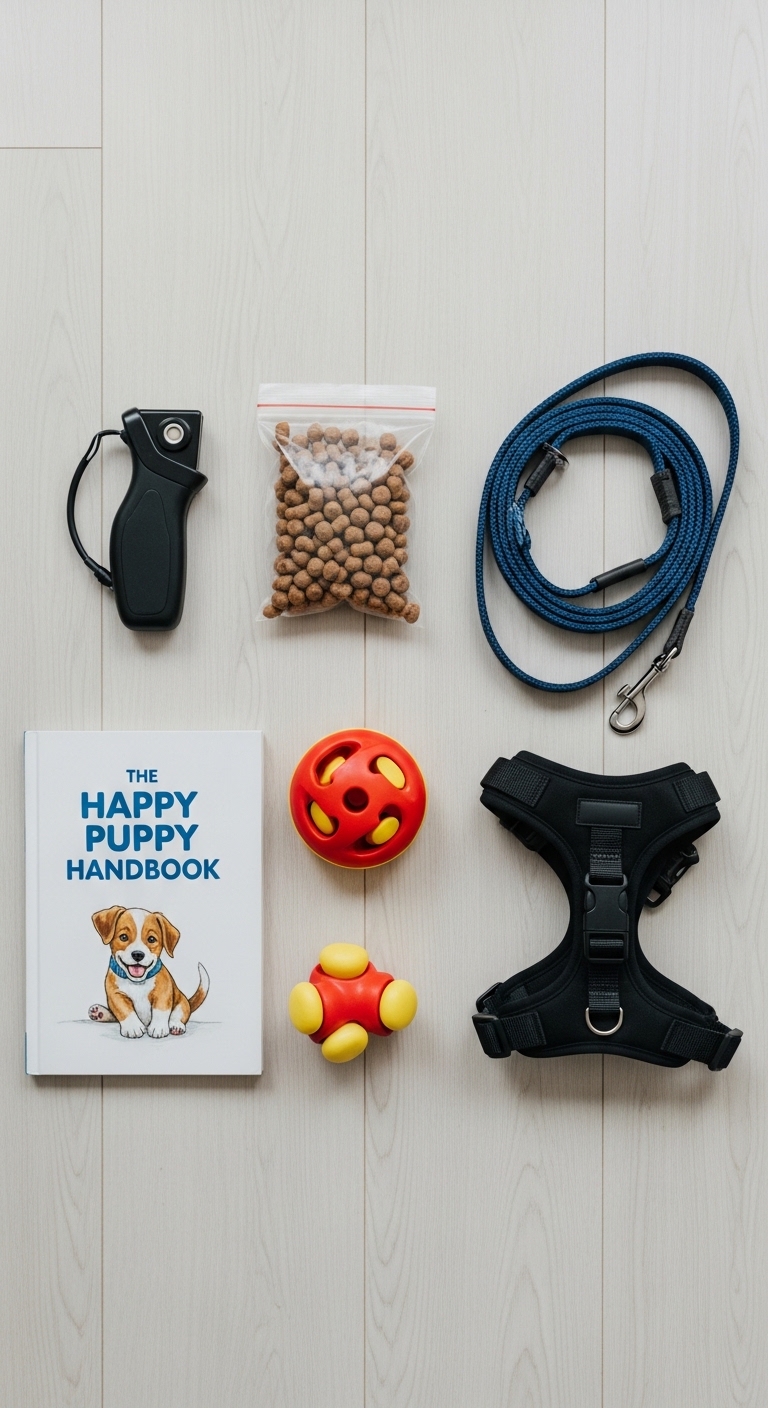
Not all training treats are equal. Look for soft, smelly options that your dog can chew quickly so you can reward fast. Avoid hard biscuits that take too long to eat, as they break the flow of training. A treat pouch with a clip makes it easy to carry rewards during walks or outings.
Safety and Comfort
Never use training tools like prong collars or shock collars unless absolutely necessary and under professional guidance. These can cause pain and fear, which undermines trust. Instead, opt for harnesses or gentle leaders that give you control without discomfort.
Common Mistakes to Avoid
Skipping the basics is a big one. If your dog doesn’t master “sit” and “stay” first, more advanced commands will be harder to teach. Another mistake is repeating commands. Saying “sit, sit, sit” over and over teaches your dog to ignore you until they hear it enough times. Instead, say it once, wait, and reward when they comply.
Cleaning and Hygiene
Training extends beyond obedience: it includes housebreaking too. If your dog has accidents indoors, stay calm and clean the area thoroughly to remove odors that might encourage repeat incidents. Use enzymatic cleaners designed for pet messes to fully eliminate smells.
Training isn’t about perfection: it’s about progress. Some days will feel like two steps forward and one step back, but consistency builds trust and understanding.
Frequently Asked Questions
- → How do I start training my dog?
Begin with basic commands like 'sit' and 'stay' using treats as rewards. Keep sessions short (5-10 minutes) and consistent. Use a calm, positive tone to encourage your dog.
- → What’s the best way to stop my dog from barking excessively?
Identify the cause of barking—boredom, anxiety, or alerting. Redirect with commands like 'quiet' and reward silence. Avoid yelling, as it can reinforce the behavior.
- → Can I train an older dog, or is it too late?
Dogs of any age can learn new behaviors. Older dogs may take more time, but patience and consistency pay off. Focus on positive reinforcement rather than correcting mistakes harshly.
- → How often should I train my dog?
Aim for daily short sessions (10-15 minutes). Regular practice reinforces learning. Combine training with walks and playtime to keep your dog engaged.
- → What tools help with dog training?
Clickers, treat pouches, and leashes are useful. For stubborn dogs, consider harnesses or head halters. Avoid shock collars—positive reinforcement works best.
- → How do I potty train my puppy?
Establish a routine—take your puppy outside after meals, naps, and playtime. Reward with treats and praise for going in the right spot. Clean accidents with enzymatic cleaners to remove odors.