Boredom in dogs isn’t just a minor nuisance—it’s a real issue that can lead to destructive chewing, excessive barking, or even anxiety. A well-chosen toy can keep your pup engaged, mentally stimulated, and out of trouble while you’re away or busy. The right toy makes a noticeable difference in their mood and behavior, turning restless energy into healthy playtime.
I’ve seen firsthand how a simple rubber chew toy can turn a dog’s entire day around—my own rescue pup used to shred everything in sight until we found the right puzzle toy.
Key Things to Understand
- Durability vs. Engagement: A durable toy isn’t always the best choice if your dog destroys it in minutes
- Interactive Needs: Interactive toys work best for high-energy breeds who need mental challenges
- Texture Preferences: Soft plush toys can be great for comfort but may not survive aggressive chewers
- Size Importance: Size matters—too small and it’s a choking hazard, too large and your dog loses interest
- Sound Sensitivity: Squeaky toys are fun but can become annoying if your dog fixates on the sound
What to Look For
Pay attention to how your dog interacts with different textures. Some dogs prefer the resistance of rubber, while others love the crinkle of fabric. Watch for signs of excitement when you bring out a new toy—ears perked up, tail wagging, or immediate engagement usually means it’s a hit. If your dog loses interest quickly, they might need something more challenging, like a treat-dispensing toy. Also check for wear and tear regularly; a toy that’s starting to fray or split needs to be replaced before it becomes a safety risk.
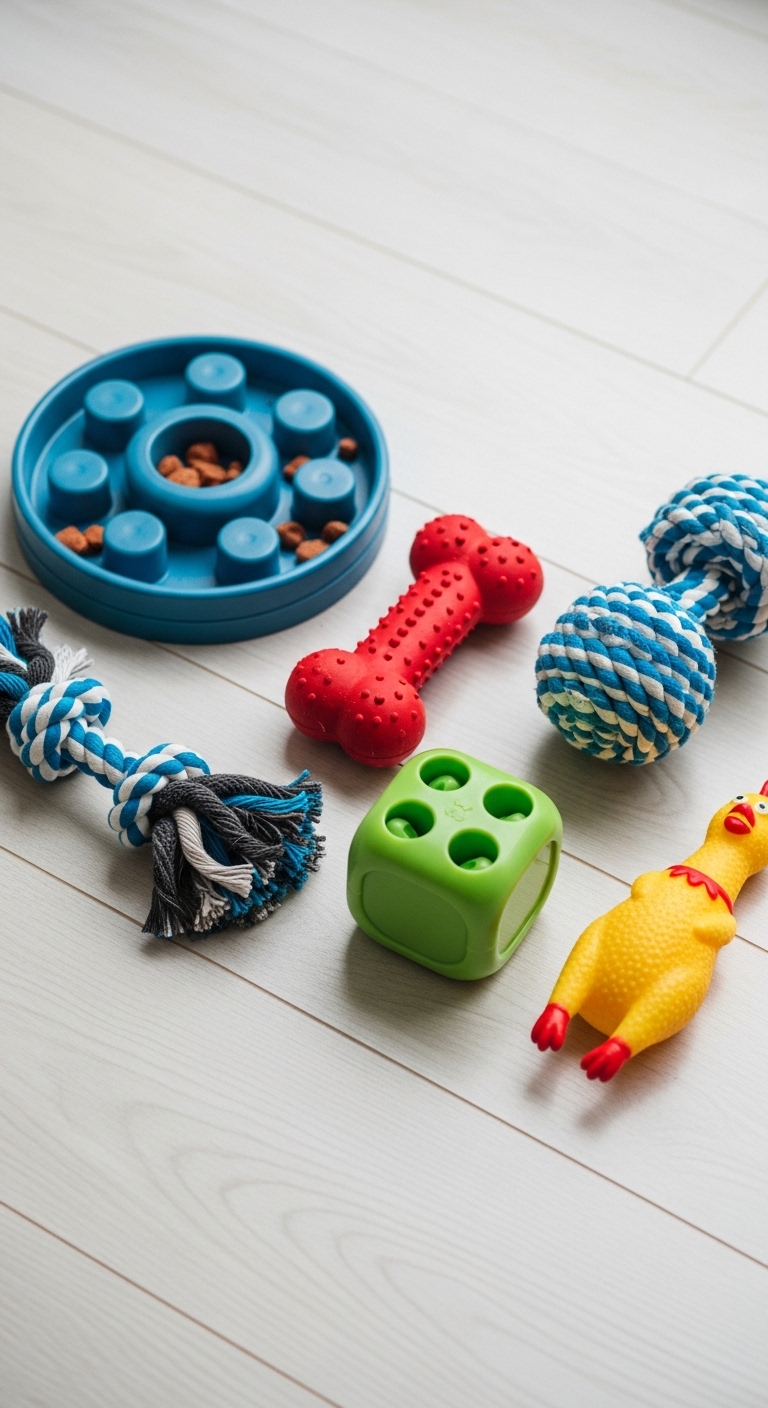
I once bought a fancy rope toy that looked perfect, only to realize my dog could shred it in under an hour. Now I stick to thicker, reinforced options for her.
Daily care habits
Make toy rotation part of your routine. Keep a few toys hidden away and swap them out every few days so your dog doesn’t get bored with the same options. This small habit can make old toys feel new again and keep your pup engaged longer. Also, inspect toys regularly for damage—even a small tear can become a bigger hazard if left unchecked.
Choosing the right product
Start with your dog’s size and chewing style. A gentle chewer needs something softer, while a power chewer requires tougher materials like reinforced rubber or nylon. If your dog loves to fetch, look for toys that bounce unpredictably to keep the game interesting. For dogs who like to carry things around, plush toys with a squeaker inside often become favorites.
Safety and comfort
Avoid anything with sharp edges or loose parts that could be swallowed. Watch for signs of frustration—if your dog gives up quickly or seems stressed by a toy, it might be too difficult or not the right fit. Also consider your dog’s comfort; some toys are too hard on their teeth or gums, especially for older dogs.
Seasonal adjustments
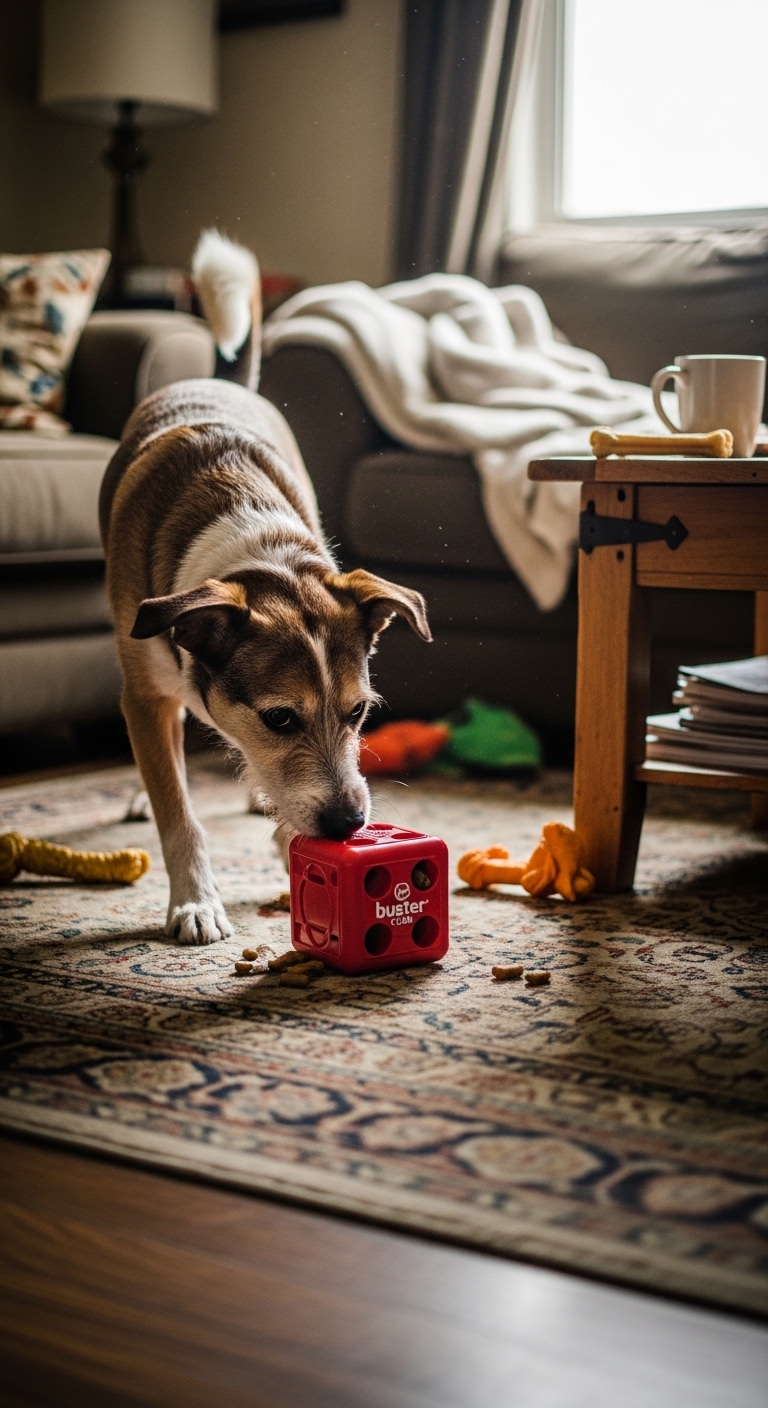
In summer, opt for water-friendly toys like floating fetch toys for pool or beach days. During winter, indoor toys that encourage movement—like tug ropes or puzzle feeders—help burn off energy when walks are shorter. Always dry toys thoroughly after outdoor play to prevent mold or bacteria buildup.
Choosing the right toy can transform your dog’s daily life, reducing stress and keeping them happily occupied.
Frequently Asked Questions
- → What types of toys are best for high-energy dogs?
High-energy dogs benefit from toys that encourage physical activity, such as fetch toys, frisbees, or tug ropes. Interactive toys like ball launchers or flirt poles can also help burn off excess energy.
- → How do I choose a toy for a heavy chewer?
For heavy chewers, opt for durable toys made from tough rubber or nylon, such as Kong toys or Nylabone products. Avoid toys with small parts that could be swallowed, and always supervise playtime.
- → Are puzzle toys good for dogs?
Yes! Puzzle toys stimulate your dog’s mind, reduce boredom, and can even slow down fast eaters. They’re great for dogs of all ages and breeds, especially those with high intelligence.
- → How often should I replace my dog’s toys?
Inspect toys regularly for signs of wear, such as fraying or cracks. Replace them immediately if they become damaged to prevent choking hazards or ingestion of small pieces.
- → Can toys help with separation anxiety?
Interactive and comforting toys, like plush toys or treat-dispensing puzzles, can help ease separation anxiety by keeping your dog occupied and providing a sense of security in your absence.
- → What’s the best toy for a small dog?
Small dogs often prefer lightweight, easy-to-carry toys like plush squeaky toys or small rubber balls. Ensure the toy is appropriately sized to prevent choking hazards.
- → Do dogs get bored with the same toys?
Yes, dogs can get bored with the same toys over time. Rotate their toys every few weeks to keep them interested and engaged. This also helps extend the life of each toy.