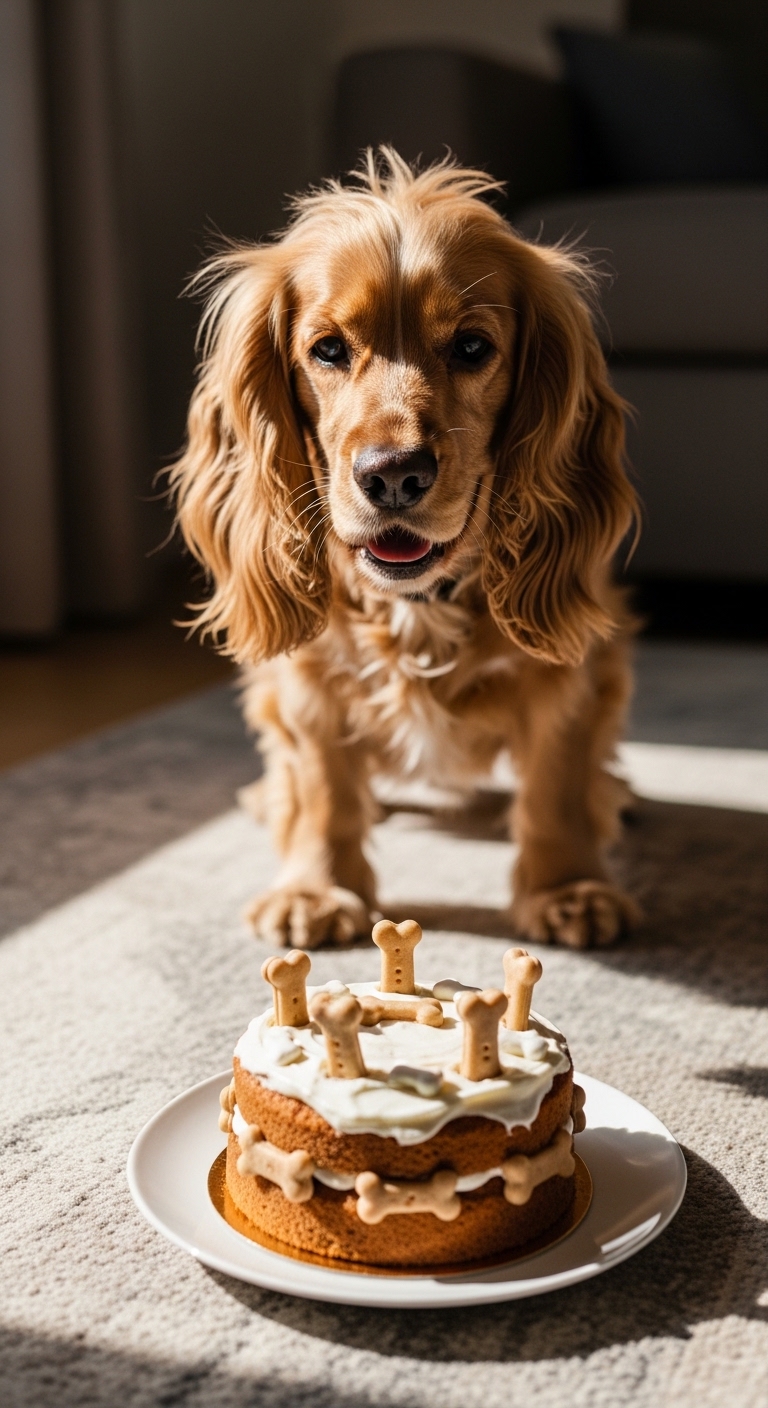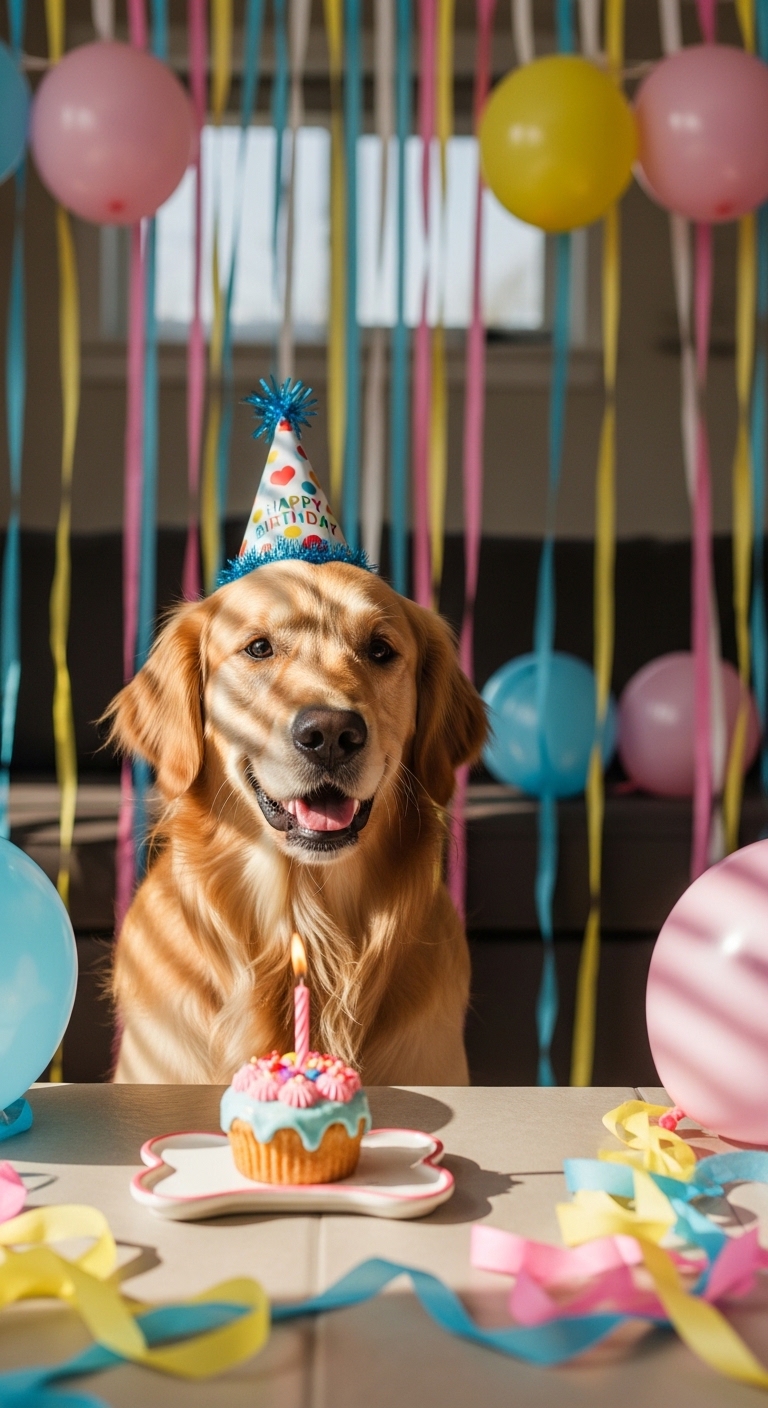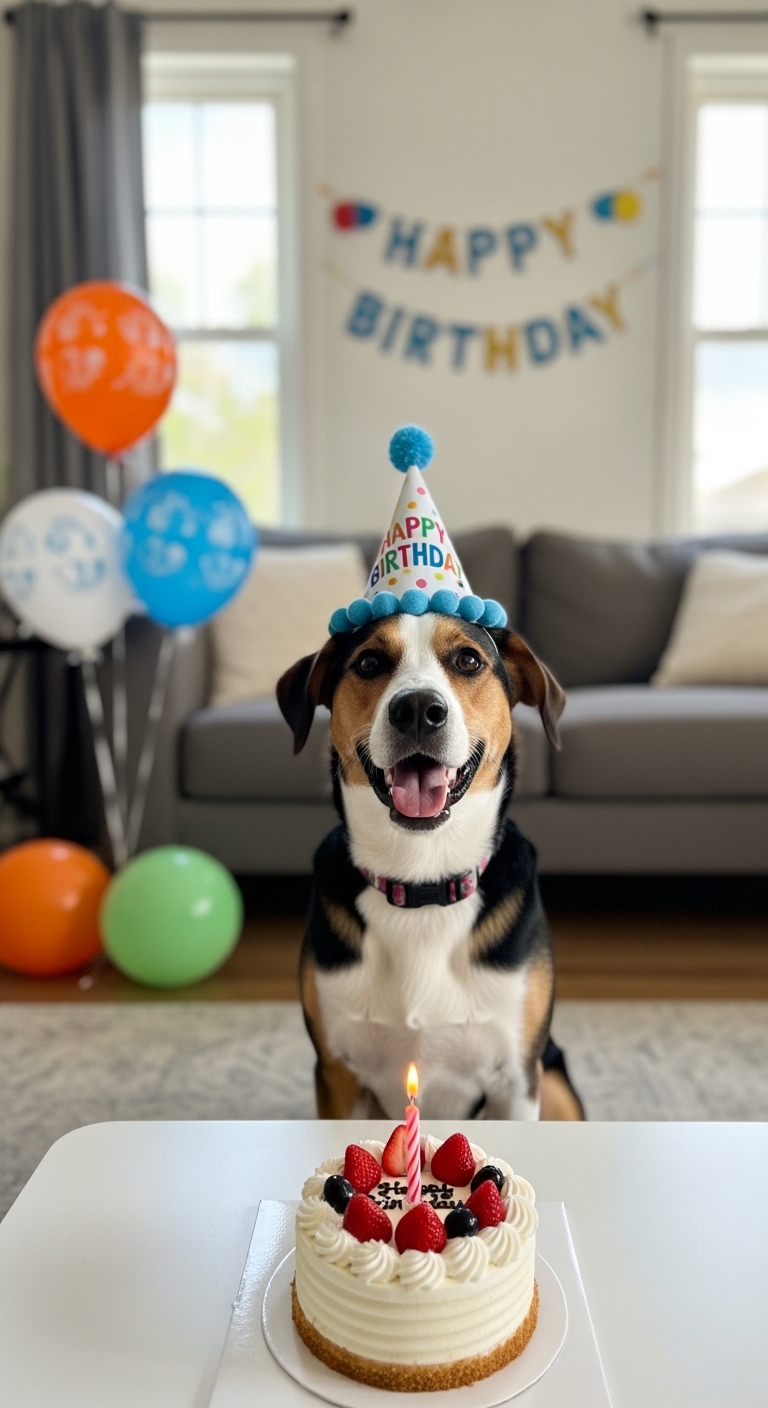
Dog birthday cakes aren’t just for fun: they’re a chance to celebrate your pup’s special day while keeping their diet in mind. Whether it’s a simple homemade treat or a store-bought cake, these little celebrations strengthen the bond between you and your furry friend. Plus, they give you a chance to sneak in some healthy ingredients while avoiding the sugar overload that comes with human desserts.
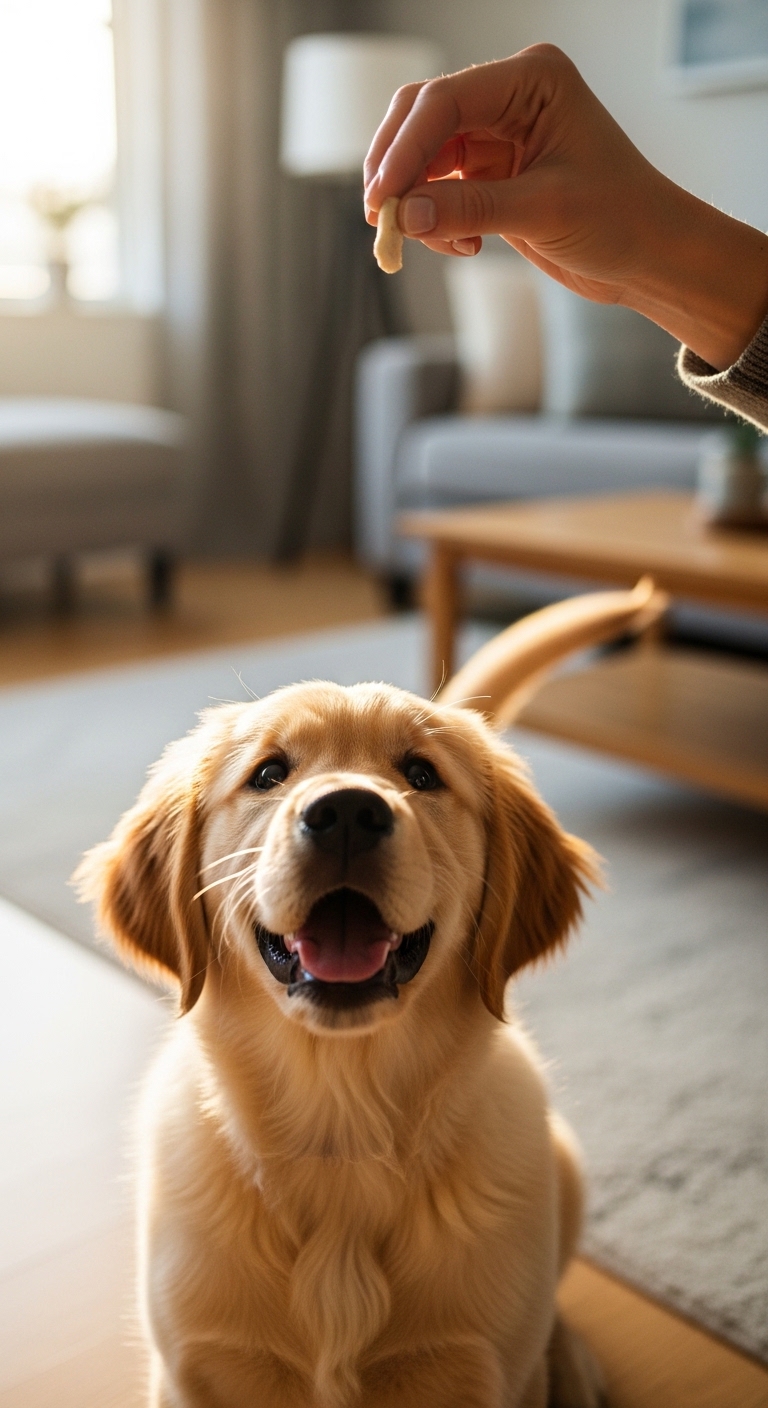
I still remember the first time I made a birthday cake for my golden retriever, Max. He didn’t care about the frosting: he just wanted to lick the bowl clean. It turned into a silly photo op that became one of our favorite memories.
Key Things to Understand
- Safe ingredients: A dog birthday cake should be free of chocolate, xylitol, and excessive sugar since these are toxic to dogs. Peanut butter is a common ingredient, but make sure it’s xylitol-free to avoid poisoning.
- Healthy additions: Carrots, pumpkin, and oats are safe and healthy additions that many dogs love.
- Portion control: Even a small cake can be too much for a tiny dog, so moderation is key.
- Store-bought vs. homemade: Store-bought options exist, but always check the ingredient list for hidden dangers. Homemade cakes let you control what goes in, making them the safer choice.
What to Look For
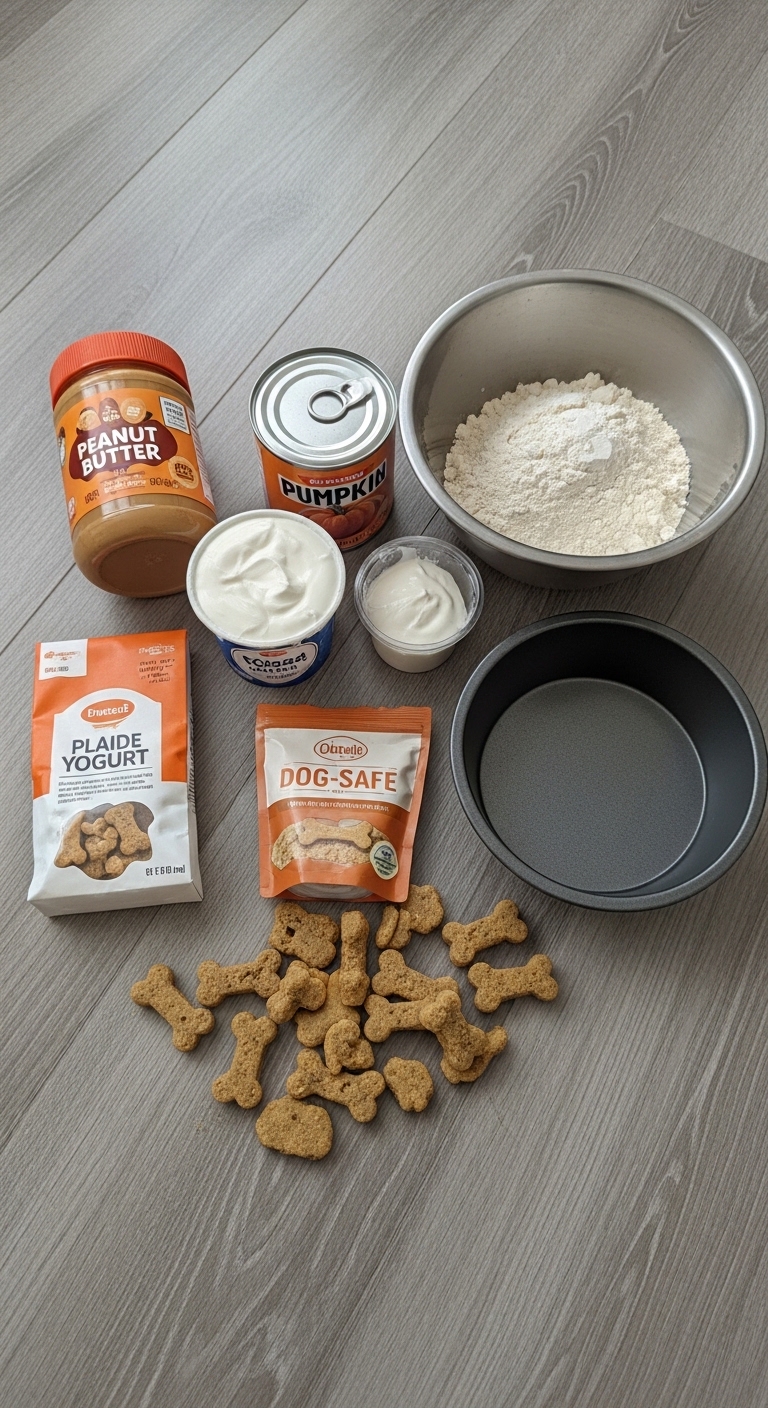
When choosing ingredients, focus on dog-safe options like plain yogurt, unsweetened applesauce, or mashed banana for moisture and flavor. Avoid anything with artificial sweeteners, raisins, grapes, or high-fat dairy products that could upset your dog’s stomach. If you’re baking from scratch, look for recipes that use whole foods like oat flour or coconut flour instead of refined flour. For store-bought cakes, check the label for certifications or vet recommendations to ensure the product meets safety standards. Watch how your dog reacts to new ingredients: some pups have sensitivities to common items like peanut butter or dairy, even in small amounts.
I once gave my neighbor’s small terrier a whole mini cake as a surprise, and while he devoured it, he spent the next day curled up in an unusual way. Lesson learned: even safe treats need moderation.
Choosing the Right Cake for Your Dog
Not all dog birthday cakes are created equal. The best ones use simple, recognizable ingredients that you can pronounce. Look for options that highlight protein sources like chicken or beef if your dog prefers savory flavors over sweet. If you’re making it yourself, consider your dog’s size: tiny breeds need smaller portions to avoid choking hazards. For dogs with allergies, grain-free or limited-ingredient cakes are worth the extra effort. The texture matters too: some dogs prefer soft, moist cakes while others enjoy a firmer treat they can gnaw on.
Safety First: Ingredients to Avoid
Some ingredients that seem harmless can be dangerous for dogs. Chocolate contains theobromine, which is toxic and can cause vomiting, diarrhea, or worse. Xylitol, a common sweetener in sugar-free products, can lead to rapid insulin release and liver failure. Grapes and raisins, even in small amounts, can cause kidney damage. Onions and garlic, often found in savory recipes, can damage red blood cells. Always double-check labels, even on products marketed as dog-friendly, because recalls happen when manufacturers change formulas.
Homemade vs. Store-Bought: Which Is Better?
Homemade cakes give you full control over what goes into your dog’s treat, making them the safer option for dogs with allergies or sensitive stomachs. You can adjust the recipe based on your dog’s preferences: some love peanut butter, while others prefer pumpkin or sweet potato. Store-bought cakes are convenient, especially for last-minute celebrations, but they often contain preservatives or ingredients that aren’t ideal for long-term health. If you choose a pre-made cake, look for brands that use organic, non-GMO ingredients and avoid artificial colors or flavors. Reading reviews from other pet owners can also help you avoid duds.
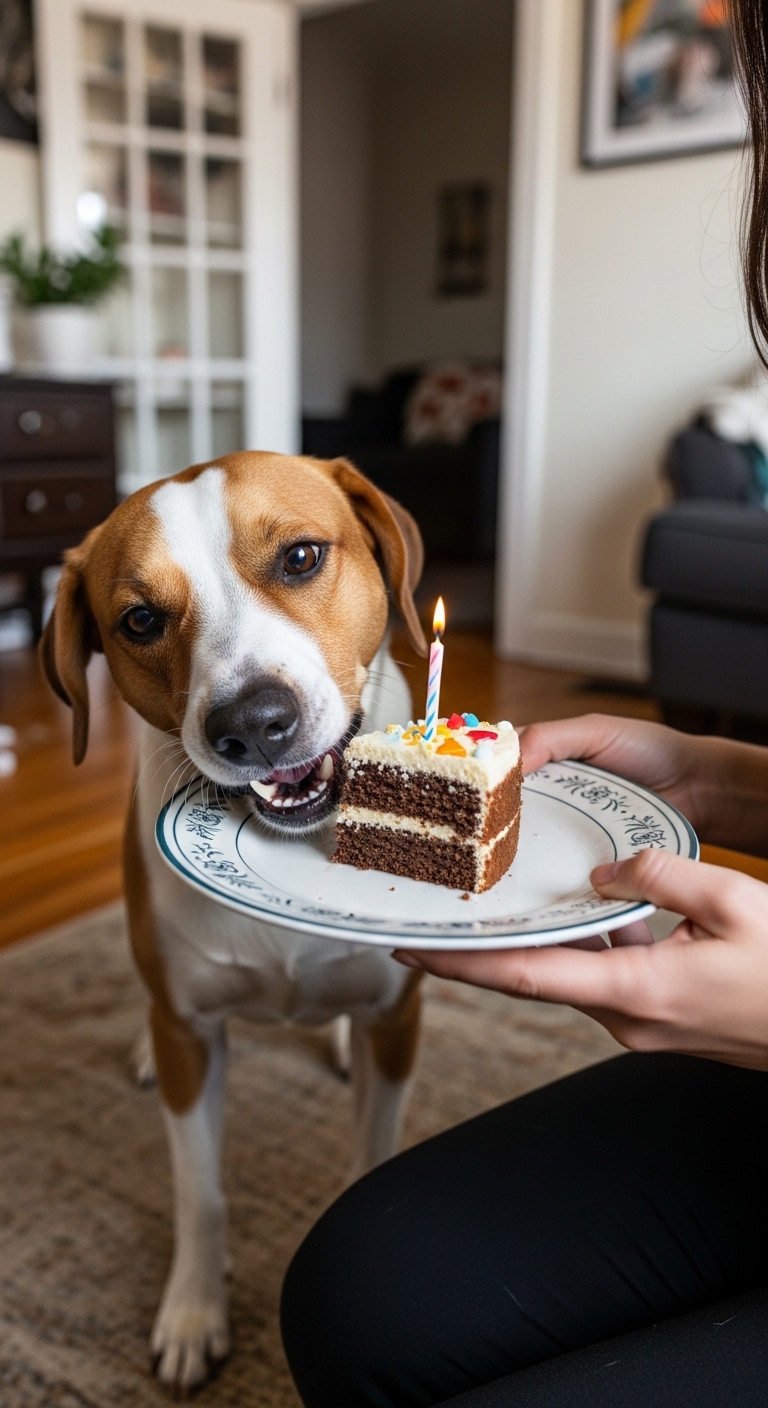
A dog’s birthday isn’t about perfection: it’s about making them feel loved and included in the fun. Your pup won’t remember the details, but they’ll definitely remember the extra attention and treats on their big day.
Frequently Asked Questions
- → What ingredients are safe for a dog birthday cake?
Use dog-safe ingredients like whole wheat flour, unsweetened applesauce, plain yogurt, peanut butter (xylitol-free), pumpkin puree, and eggs. Avoid chocolate, raisins, grapes, xylitol, and excessive sugar.
- → How long does it take to bake a dog cake?
Most dog cakes bake in 20-30 minutes at 350°F (175°C). Cool completely before serving to prevent burns. Preparation time is about 15 minutes.
- → Can I decorate the cake with dog treats?
Yes! Use dog-safe toppings like kibble, carob chips, or a dollop of yogurt. Avoid sugary decorations or human frosting ingredients.
- → Is homemade dog cake healthier than store-bought?
Homemade cakes allow you to control ingredients and avoid preservatives, artificial flavors, and excessive sugar. Always check portion sizes to maintain a balanced diet.
- → How should I serve the birthday cake to my dog?
Serve in small portions (1-2 tablespoons per 20 lbs of body weight) as a treat, not a meal. Introduce new ingredients gradually to check for allergies.
- → Can I make a cake for a puppy?
Use softer ingredients like mashed banana or pumpkin puree instead of flour. Ensure all ingredients are age-appropriate and consult your vet if unsure.