Understanding your dog’s age in human years isn’t just a fun party trick—it’s a practical way to tailor their care, diet, and health monitoring. Dogs age much faster than humans, and their needs change dramatically as they grow older. Whether you’re adjusting their diet, scheduling vet visits, or choosing the right toys, knowing their true age helps you make informed decisions.
Many pet owners assume a simple "1 dog year = 7 human years" rule, but that oversimplifies things. A 1-year-old dog isn’t the same as a 7-year-old child—small breeds and large breeds age at different rates, and their needs shift much faster than we realize.
Key Things to Understand
- The 7-year rule is outdated: Small dogs often live longer, while large breeds age faster.
- First two years are critical: A 1-year-old dog is roughly equivalent to a 15-year-old human in development.
- Senior dogs need special care: After age 7 (or earlier for large breeds), they require more frequent vet checkups.
- Breed matters: A 5-year-old Great Dane may already be considered a senior, while a Chihuahua might still be in its prime.
- Activity levels change: Puppies need constant stimulation, while older dogs may prefer shorter, gentler walks.
What to Look For
When calculating your dog’s age, pay attention to their breed and size. A 10-pound Chihuahua and a 100-pound Labrador will age very differently. Look for signs of aging, such as graying muzzle, slower movement, or changes in appetite. If your dog is a mixed breed, use the smaller breed’s guidelines for a safer estimate.
Compare your dog’s behavior to the typical stages of their breed. For example, a 3-year-old Golden Retriever should still be energetic and playful, while a 3-year-old Great Dane may already show signs of joint stiffness. If your dog seems unusually sluggish or shows sudden changes in behavior, it might be time for a vet visit.
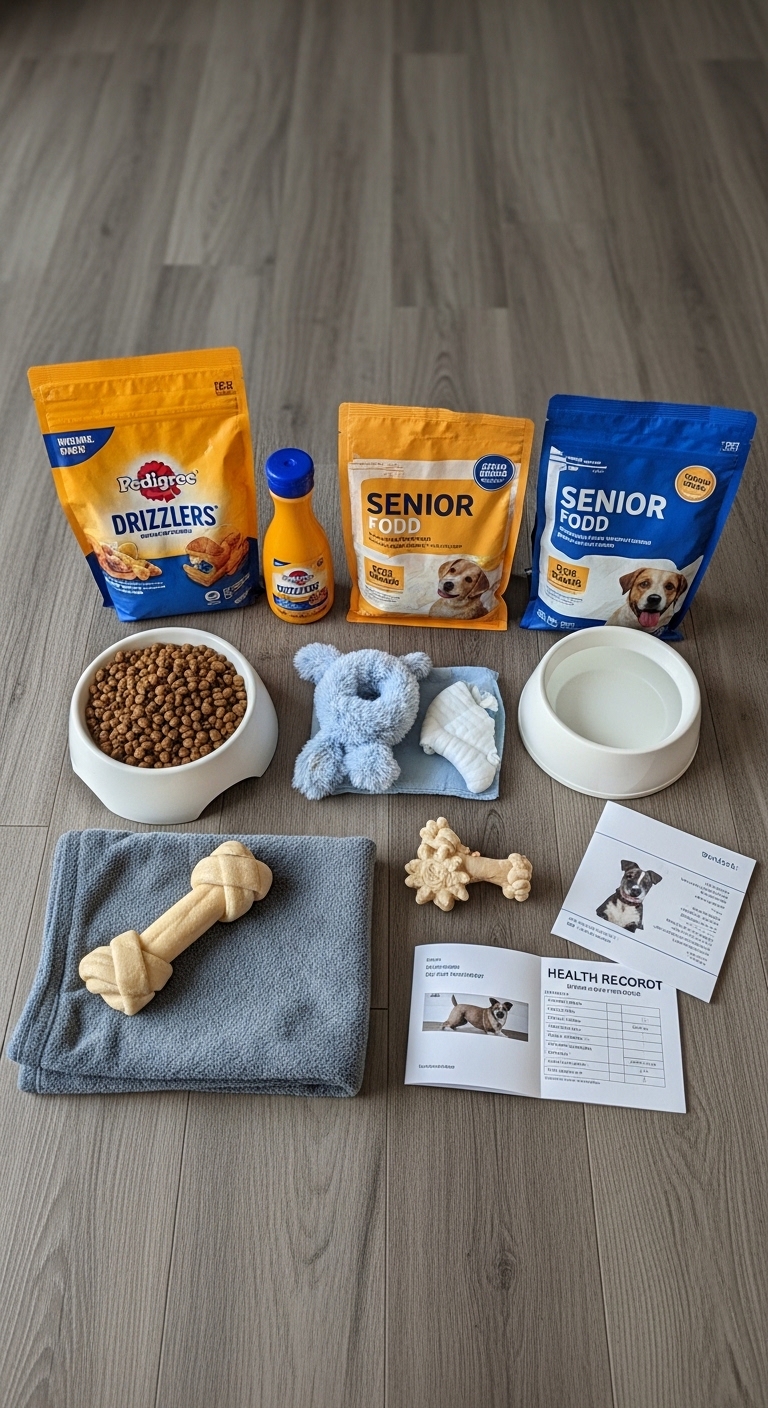
Many owners underestimate how quickly large breeds age. A 6-year-old Labrador might already need joint supplements, while a 6-year-old Shih Tzu could still be full of energy. Always adjust their diet and exercise accordingly.
Adjusting Care Based on Age
Puppies need frequent meals and plenty of playtime, while senior dogs benefit from joint supplements and softer bedding. If your dog is between 7 and 10 years old, consider switching to a senior-specific food formula. Watch for signs of arthritis, such as reluctance to climb stairs or stiffness after naps.
Choosing the Right Toys and Activities
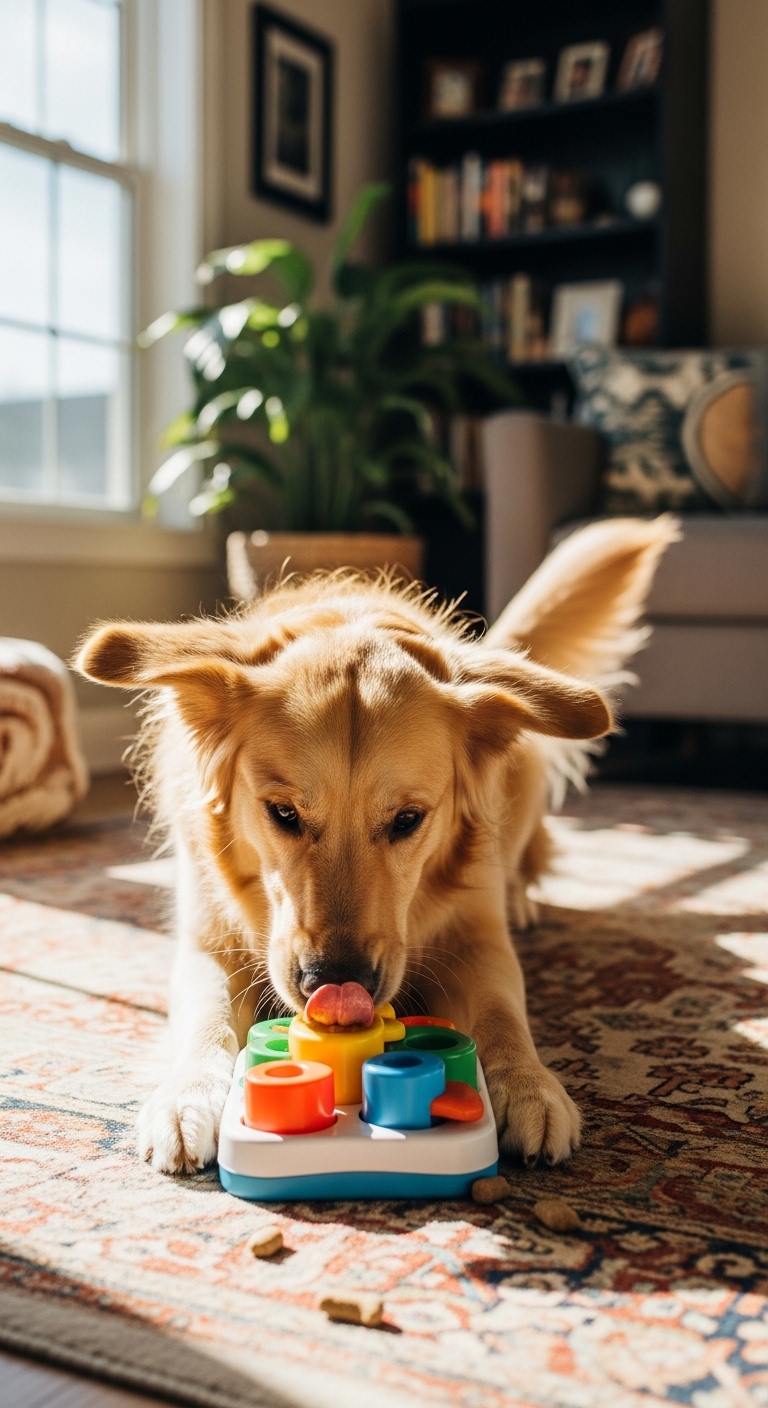
Young dogs thrive on interactive toys and vigorous play, but older dogs may prefer gentle chew toys or puzzle feeders. Avoid high-impact activities for senior dogs, as their joints can’t handle the same stress. If your dog is slowing down, opt for shorter, more frequent walks instead of long hikes.
Seasonal Adjustments for Senior Dogs
Older dogs may struggle with extreme temperatures. In winter, provide extra bedding and limit outdoor time in cold weather. In summer, ensure they have shade and fresh water at all times. If your dog shows signs of discomfort in heat or cold, adjust their routine accordingly.
By understanding your dog’s true age, you can provide the best care at every stage of their life.
Frequently Asked Questions
- → How do dog years compare to human years?
Dog years are not a simple 1:7 ratio. Smaller breeds age slower, while larger breeds age faster. The first year equals about 15 human years, and each subsequent year equals roughly 9 human years.
- → Why is calculating dog age important?
Accurate age calculation helps tailor nutrition, exercise, and vet care to your dog's life stage. It also helps predict potential health issues common to their age group.
- → Does breed affect dog aging?
Yes, smaller breeds tend to live longer and age slower than larger breeds. Giant breeds often have shorter lifespans and age more quickly.
- → How can I use this calculator for my dog?
Enter your dog's age and breed into the calculator to get an accurate human-year equivalent. Use this information to adjust their diet, exercise, and healthcare needs.
- → What health changes occur as dogs age?
Senior dogs may develop arthritis, dental issues, or organ problems. Regular vet checkups and age-appropriate diets can help maintain their health.