
Can dogs eat blueberries? It’s a question many pet owners ask when looking for healthy treats to share with their furry friends. Blueberries are small, packed with nutrients, and easy to find, making them a tempting snack. But before tossing a handful to your dog, it’s worth knowing how they affect your pet’s health and digestion.
I remember the first time I gave my dog a blueberry: she sniffed it, dropped it, and then looked at me like I’d betrayed her trust. Turns out, some dogs need a little convincing, and others just aren’t interested at all.
Key Things to Understand
- Safety in moderation: Blueberries are safe for most dogs in moderation because they’re low in calories and high in antioxidants
- Sugar content: They contain natural sugars, so too many can lead to weight gain or digestive issues
- Allergies: Some dogs may have allergies or sensitivities, so watch for reactions like itching or vomiting
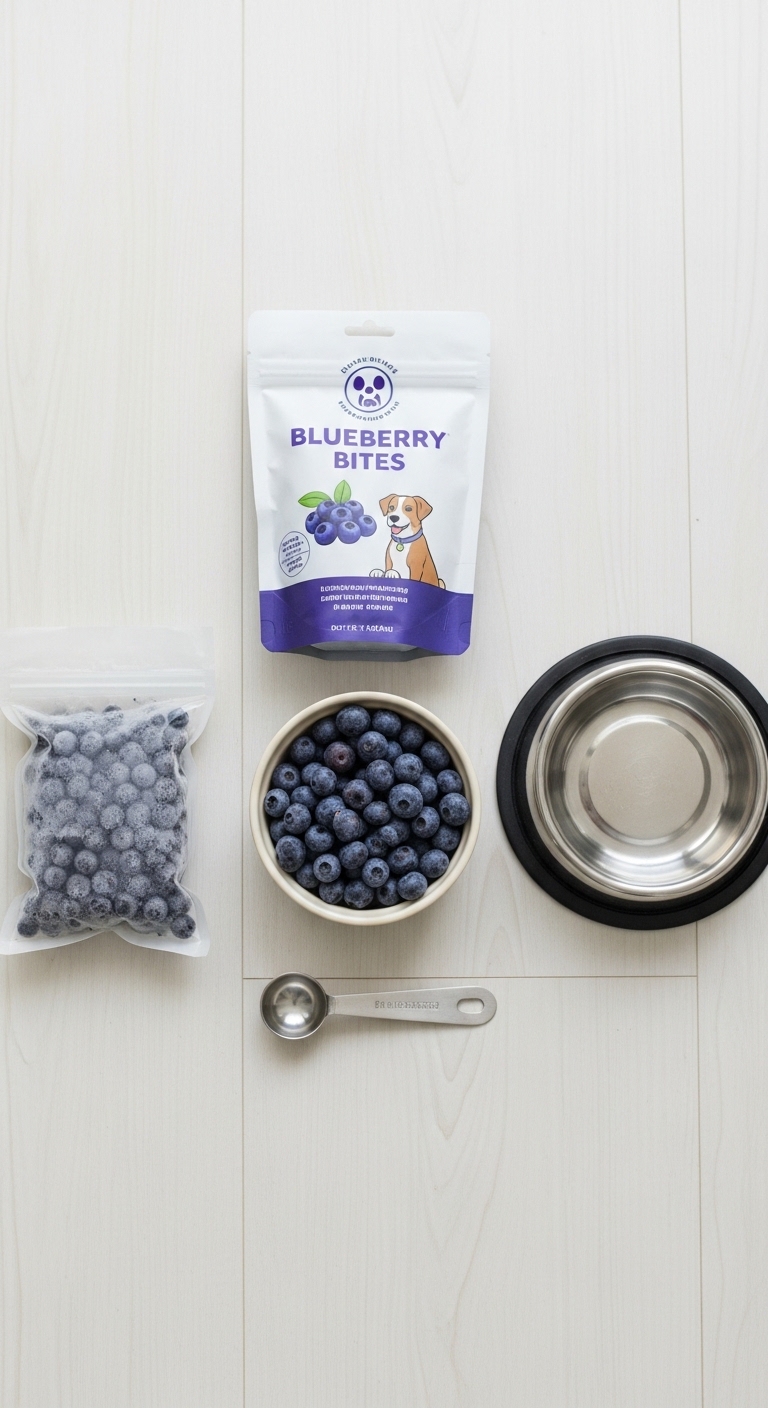
- Frozen option: Frozen blueberries can be a refreshing treat, especially in hot weather
- Cleanliness: Always wash blueberries thoroughly to remove pesticides or dirt before serving
What to Look For
When deciding if blueberries are right for your dog, pay attention to their size and breed. Smaller dogs should get fewer berries to avoid choking hazards, while larger breeds can handle a few more. Freshness matters too: overripe or moldy blueberries can cause stomach problems, so always check for firm, plump berries with no soft spots. If your dog has never eaten blueberries before, introduce them slowly to see how they react. Some dogs gobble them up without a second thought, while others might sniff and walk away. Watching their reaction helps you gauge whether they enjoy the taste or if it’s just not their thing.
I once met a dog owner who gave their overweight Labrador a whole cup of blueberries as a treat, thinking it was harmless. The result? A very uncomfortable pup and a lesson in portion control.
Feeding Blueberries Safely
Start with just one or two blueberries to test your dog’s reaction. Wash them thoroughly to remove any pesticides or dirt. Remove any stems or leaves before serving. For small dogs, mash the berries slightly to prevent choking. Avoid canned blueberries, as they often contain added sugars or syrups.
Blueberries as a Training Tool
Because they’re small and easy to chew, blueberries make great training treats for dogs of all sizes. Their natural sweetness can be more enticing than store-bought treats with artificial flavors. Use them sparingly to keep your dog engaged without overfeeding.
When to Skip Blueberries
If your dog has a history of allergies, introduce blueberries slowly and watch for signs of itching or swelling. Dogs with sensitive stomachs may experience diarrhea if given too many. Avoid blueberries if your dog is on a strict low-sugar diet.

For dogs who turn their noses up at blueberries, try mashing them into their regular food or mixing them with a spoonful of peanut butter. Some dogs just need a little extra persuasion to try something new.
Frequently Asked Questions
- → Are blueberries safe for all dogs?
Blueberries are generally safe for most dogs, but always introduce them slowly to check for allergies or digestive issues. Puppies and dogs with health conditions should consult a vet first.
- → How many blueberries can I give my dog?
Start with 2-3 blueberries for small dogs and up to 10 for larger breeds. Too many can cause stomach upset due to natural sugars and fiber.
- → Can dogs eat blueberry stems or leaves?
No, always remove stems and leaves before feeding blueberries to your dog. They can pose a choking hazard or cause digestive irritation.
- → Are frozen blueberries okay for dogs?
Yes, frozen blueberries are safe and can be a refreshing treat, especially in hot weather. Thaw them slightly for easier digestion.
- → Can diabetic dogs eat blueberries?
Blueberries have natural sugars, so diabetic dogs should eat them in very small amounts and only with vet approval to avoid blood sugar spikes.
- → How should I prepare blueberries for my dog?
Wash them thoroughly, remove stems, and serve fresh or frozen. Avoid canned or sweetened blueberries, as added sugars and preservatives are harmful.
- → What are the benefits of blueberries for dogs?
Blueberries are rich in antioxidants, vitamin C, and fiber, which support immune health, digestion, and reduce inflammation. They’re a low-calorie, healthy snack option.