
Can dogs get the flu from humans? It’s a question that pops up every time flu season rolls around, especially if you’re a dog owner watching your pup snuggle up close when you’re feeling under the weather. The short answer is no, dogs can’t catch the flu from humans, but there’s more to the story than that. Understanding how flu viruses work across species helps you keep your dog healthy and gives you peace of mind during cold and flu season.
If your dog starts showing flu-like symptoms during flu season, you’ll want to know whether it’s something serious or just a passing cold. This guide breaks down what you need to watch for, how to protect your pup, and when to call the vet.
Key Things to Understand
- Canine influenza exists: Dogs can get their own type of flu called canine influenza, caused by specific strains like H3N2 and H3N8. These viruses are different from human flu viruses, so they don’t spread directly from people to dogs.
- Highly contagious: Canine flu spreads quickly among dogs, especially in places where they gather closely together, like kennels, dog parks, or vet clinics.
- Symptoms: Look for coughing, sneezing, fever, and lethargy, which can resemble kennel cough at first.
- Vaccines available: Vaccines are an option for dogs at higher risk, such as those who visit dog parks or boarding facilities.
- Other infections: Even though dogs can’t catch human flu, they can still get sick from other respiratory infections that mimic flu symptoms.
What to Look For
Watch for signs that your dog might be fighting off a respiratory infection, especially if they’ve been around other dogs recently. A persistent cough that sounds wet or honking is one of the first clues, often followed by sneezing, nasal discharge, or a fever. If your dog seems unusually tired, loses their appetite, or has trouble breathing, those are red flags that something more serious could be going on. Pay attention to how their energy levels compare to their usual routine, as dogs hide discomfort well, so any change in behavior is worth noting. Also, keep an eye on their water intake, as dehydration can sneak up quickly if they’re not feeling well.
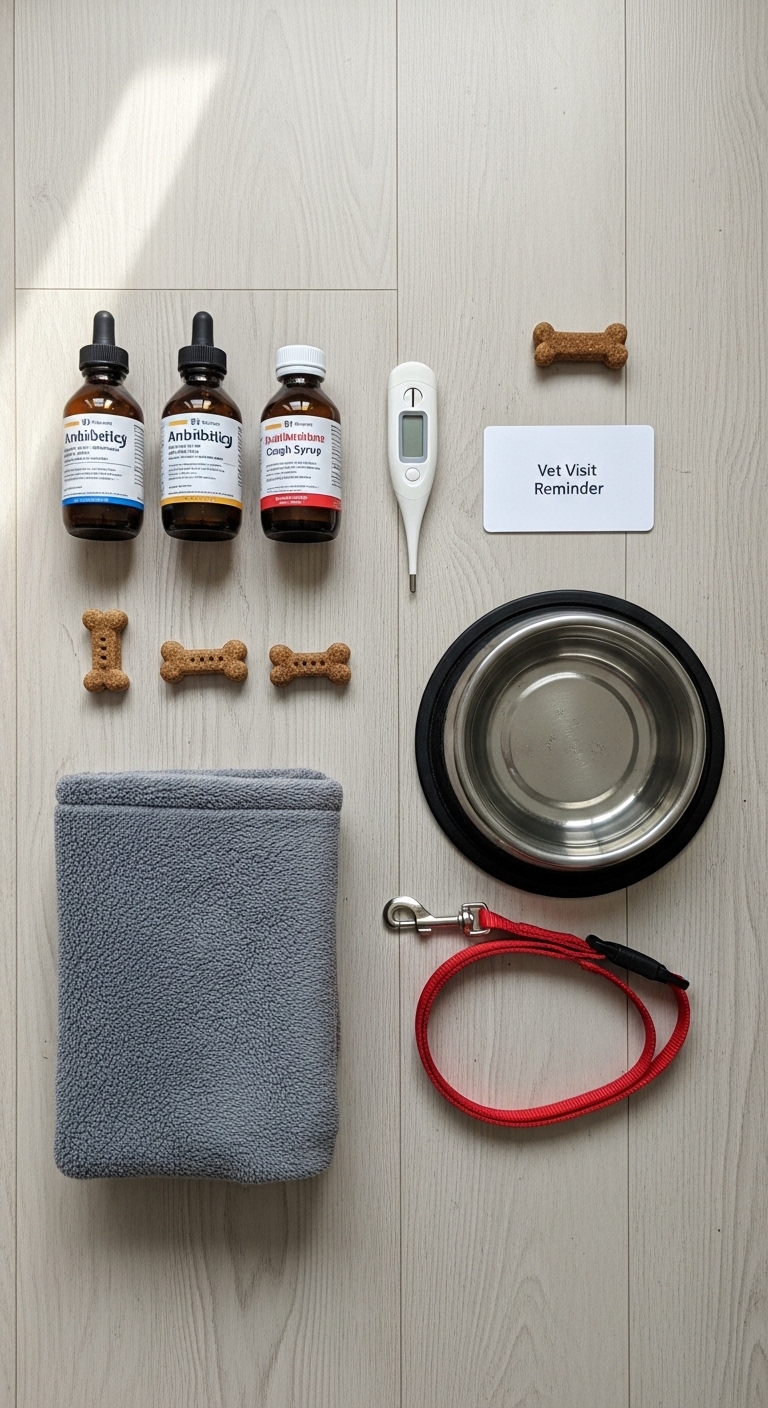
In my experience, dogs that spend time in high-traffic areas like doggy daycares or training classes benefit the most from the canine flu vaccine. It’s not just about protecting your own pet, it’s about keeping the whole dog community healthier. I’ve seen cases where one unvaccinated dog brought the virus into a facility, and suddenly half the dogs were coughing for weeks. Prevention is always easier than treatment, especially when it comes to respiratory illnesses.
How to Protect Your Dog from Canine Flu
The best way to keep your dog safe is to limit their exposure to large groups of dogs if they’re not vaccinated. If you’re unsure whether your dog needs the vaccine, talk to your vet about their lifestyle and risk factors. During flu season, wipe down your dog’s paws and belly after walks to remove any germs they might have picked up from sidewalks or parks. Avoid sharing bowls or toys with other dogs at gatherings, and always wash your hands before and after handling your pet if you’ve been around other dogs.
When to See the Vet
If your dog’s cough lasts more than a few days or they develop a fever over 103°F, it’s time for a vet visit. Dogs with severe symptoms like difficulty breathing or blue gums need immediate care. Don’t wait to see if it gets better, as respiratory infections can turn serious quickly in dogs. Your vet might recommend tests to confirm whether it’s canine flu, kennel cough, or another issue. Early treatment with fluids, rest, and sometimes antibiotics can make a big difference in recovery time.

Canine flu is preventable with the right precautions. Stay informed and proactive to keep your pup healthy.
Frequently Asked Questions
- → Can dogs catch human flu viruses?
Yes, dogs can contract certain human flu strains like H1N1 and H3N2. These viruses have demonstrated the ability to cross species barriers, though not all flu types affect dogs.
- → What are signs my dog might have the flu?
Watch for symptoms including coughing, sneezing, fever, lethargy, nasal discharge, and reduced appetite. These typically appear 2-5 days after exposure to an infected person.
- → How long does dog flu last?
The illness usually lasts 2-3 weeks, though most dogs recover within 10-14 days. Severe cases may require longer recovery times, especially in vulnerable pets.
- → Can I give my dog human flu medicine?
Never administer human medications to dogs without veterinary approval. Some human flu drugs can be toxic to pets. Always consult your vet for proper treatment options.
- → How can I protect my dog from human flu?
Practice good hygiene by washing hands before handling pets, avoid close contact when sick, and keep your dog away from people showing flu symptoms. Regular veterinary checkups also help maintain their immune health.
- → Is there a vaccine for human flu in dogs?
No, current canine flu vaccines only protect against specific dog-specific influenza strains (H3N8 and H3N2). They don't provide immunity against human flu variants.