Many pet owners assume their dogs see the world the same way humans do, but that’s not the case. Understanding your dog’s vision helps you choose toys, training tools, and even home decor that truly engages them. It also explains why your pup might ignore that bright red ball you toss but go wild for a blue one. This isn’t just trivia: it’s about making your dog’s life richer and your interactions more effective.
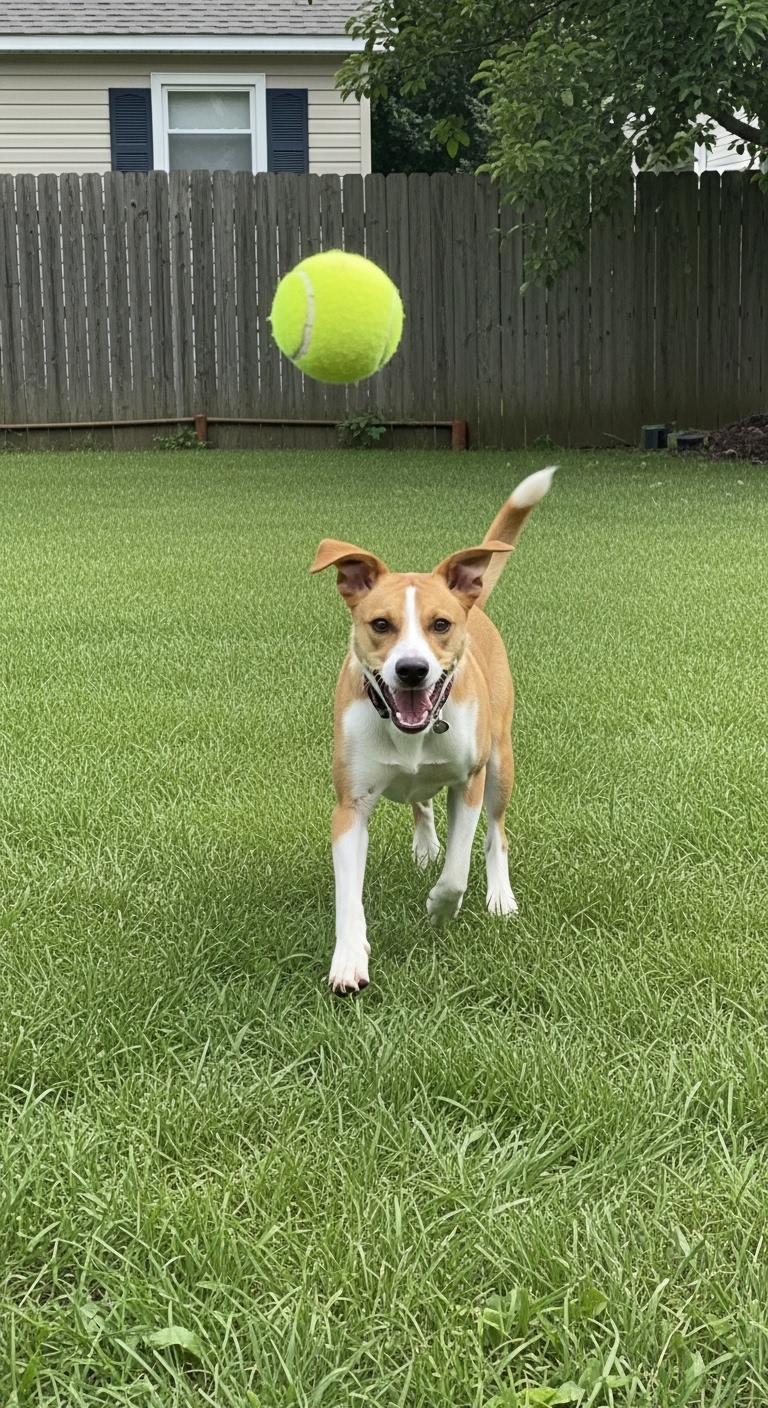
I once bought a neon green ball for my dog, thinking it would be easy to spot. Instead, she completely ignored it: turns out dogs see green as a shade of gray. Now I stick to blues and yellows, and her playtime is much more exciting for both of us.
Key Things to Understand
- Color spectrum: Dogs see the world in a limited color spectrum compared to humans. They primarily see blues, yellows, and various shades of gray, but reds and greens appear as browns or grays to them. This matters because it affects how they perceive toys, training tools, and even the colors of your home decor.
- Visual sharpness: Their vision is also less sharp than ours. While humans have 20/20 vision, dogs typically have 20/75 vision, meaning they need to be closer to an object to see it clearly. This is why they rely more on movement and scent than fine details.
- Night vision: Dogs have better night vision than humans due to a higher number of rod cells in their retinas. Their pupils also dilate more, allowing more light to enter. This is why they can navigate low-light environments better than we can.
- Peripheral vision: Their peripheral vision is wider than ours, covering about 250 degrees compared to our 180 degrees. This gives them a broader view of their surroundings but can make it harder for them to focus on objects directly in front of them.
- Brightness sensitivity: Dogs are less sensitive to changes in brightness and contrast. This means they may not notice subtle differences in shades that we find obvious, which is why they often prefer high-contrast colors like blue or yellow.
What to Look For
When choosing toys or training tools, focus on colors that stand out to dogs. Blues and yellows are the easiest for them to distinguish, while reds, greens, and oranges blend into the background. If your dog ignores a toy, it might not be because they’re disinterested: it could be because they can’t see it well.
Pay attention to how your dog reacts to different lighting conditions. In dim light, their vision becomes even more limited, so they rely heavily on movement and scent. If your dog seems less responsive at night, it might not be stubbornness: it could be that they’re struggling to see clearly.
Notice how your dog interacts with objects in their environment. If they consistently avoid certain colors or objects, it might be because they can’t see them well. Adjusting your choices based on their preferences can make playtime and training more effective.
Watch for signs of confusion or hesitation during training. If your dog isn’t responding to visual cues, it might be because the colors you’re using aren’t standing out to them. Switching to high-contrast colors can make a big difference in their comprehension.
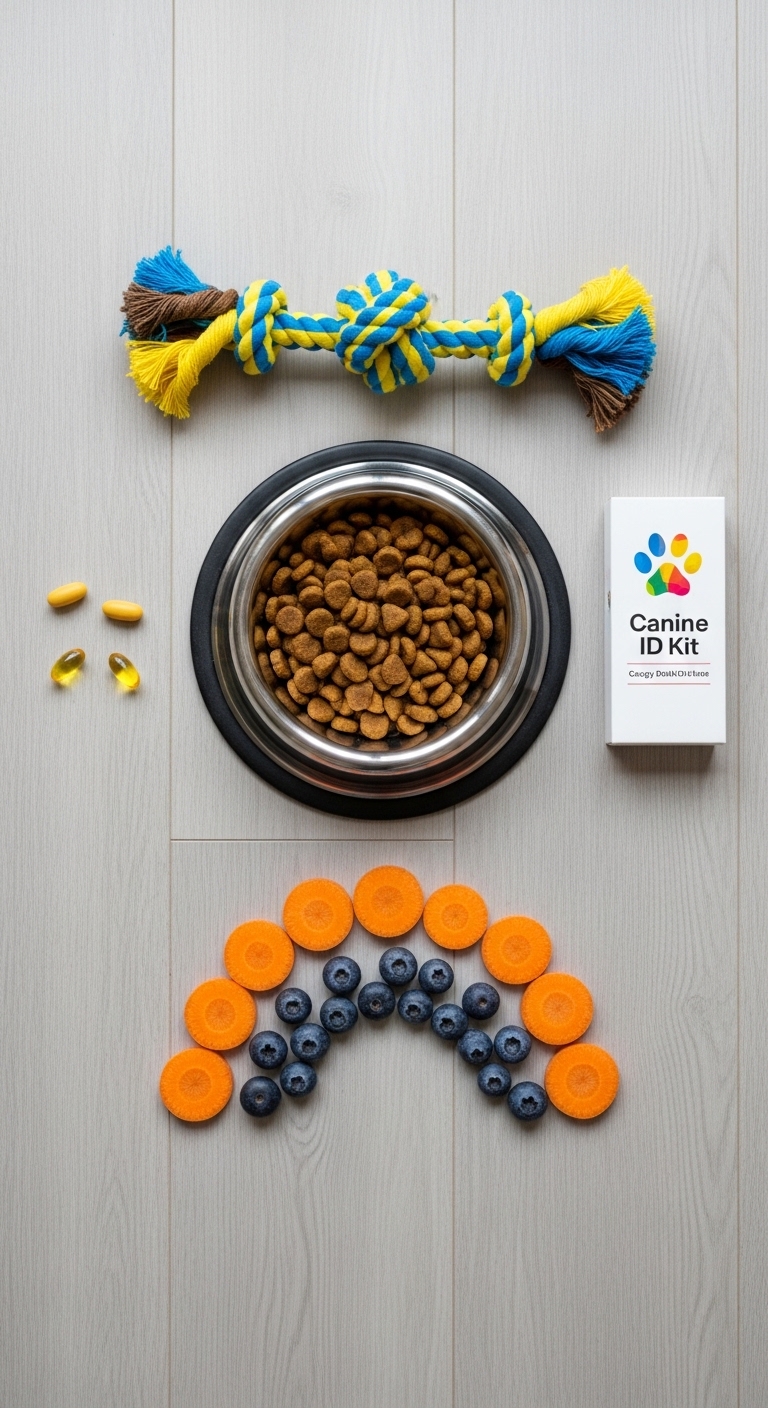
I’ve noticed that dogs often get excited about toys that contrast sharply with their environment. For example, a blue toy on a green lawn is much easier for them to spot than a red one. This simple adjustment can make a big difference in their engagement during playtime.
Daily care habits
Incorporate color contrast into your dog’s daily routine to make their environment more engaging. Use brightly colored bowls, leashes, or bedding to help them navigate their space more easily. This is especially helpful for older dogs or those with vision impairments.
If your dog seems disinterested in certain activities, try changing the colors of the tools or toys you’re using. A simple switch from a green toy to a blue one can make playtime feel brand new to them.
Choosing the right product
When shopping for toys, look for ones in blues, yellows, or high-contrast patterns. Avoid reds and greens, as these colors are harder for dogs to see. Brands that specialize in dog vision often label their products with this in mind.
For training tools like flags or markers, opt for bright yellows or blues. These colors are more likely to catch your dog’s attention, making training sessions more effective.
Safety and comfort
Be mindful of how your dog’s vision affects their safety. For example, if you’re using colored collars or leashes, choose hues that are easy for them to see in low light. This can help prevent accidents during walks or outdoor play.
Avoid relying solely on visual cues in training if your dog has limited vision. Combine visual signals with verbal commands or scent-based cues to ensure they understand what you’re asking.
Understanding your dog’s vision isn’t just about picking the right toy: it’s about making their world more accessible and enjoyable. Small changes, like choosing the right colors, can have a big impact on their daily life and your bond with them.
Frequently Asked Questions
- → Can dogs see in color at all?
Yes, dogs can see some colors, but their range is more limited than humans'. They primarily see blues, yellows, and various shades of gray. Reds and greens appear as brown or gray to them.
- → What colors are easiest for dogs to see?
Dogs see blue and yellow most clearly. These colors stand out against typical backgrounds like green grass or brown dirt. This is why many dog toys are designed in these colors.
- → Do dogs see better in the dark than humans?
Yes, dogs have better night vision than humans due to a higher number of rod cells in their retinas, which are sensitive to low light. They also have a reflective layer called the tapetum lucidum that enhances their night vision.
- → How does my dog's color vision affect toy selection?
Choosing toys in blue or yellow can make them more visible to your dog. Avoid red or green toys as they may appear as shades of gray or brown to your pet. High-contrast colors help dogs distinguish toys from their surroundings.
- → Can I train my dog using colors?
Yes, you can use color cues in training. For example, using a blue mat as a designated spot for your dog to sit can help them associate the color with the action. Consistency in color choices helps reinforce training commands.
- → Why do some dogs have trouble finding toys in grass?
Dogs may struggle to find green toys in green grass because their color vision makes reds and greens appear similar. Opt for toys in contrasting colors like blue or yellow to make them easier to spot and retrieve.