
Can dogs eat mango? It’s a question many pet owners ask when their pup gives them those big, hopeful eyes at snack time. Mango is a sweet, juicy fruit that’s packed with vitamins and fiber, but not all human foods are safe for dogs. Knowing which parts of the mango are okay and which to avoid can help you share this tropical treat safely with your furry friend.
I remember the first time I gave my golden retriever a small piece of mango. He loved it so much that he started sitting extra close to the fruit bowl every time I opened it. That’s when I realized how important it is to know the right way to share human foods with pets.
Key Things to Understand
- The flesh of a ripe mango is safe for dogs in small amounts: It can be a healthy treat.
- The mango pit or seed is dangerous: It’s hard, can cause choking, and contains cyanide.
- The skin or peel of a mango is tough for dogs to digest: It may cause stomach upset.
- Too much mango can lead to diarrhea or an upset stomach: This is due to the natural sugars and fiber.
- Always introduce new foods slowly: Watch for any signs of allergies or digestive issues.
What to Look For
When picking a mango for your dog, choose one that’s ripe but firm. The flesh should give slightly when pressed, similar to a peach. Avoid mangoes that are overly soft or have bruises, as these can harbor bacteria that might upset your dog’s stomach. The color of the mango isn’t as important as the texture—some varieties stay green even when ripe, while others turn yellow or red. Look for signs that your dog enjoys the mango without any issues. A wagging tail and eager eating are good indicators, but watch for subtle cues like licking lips excessively or scooting after eating, which could signal discomfort. If your dog has never had mango before, start with a tiny piece and wait a few hours to see how they react before offering more.
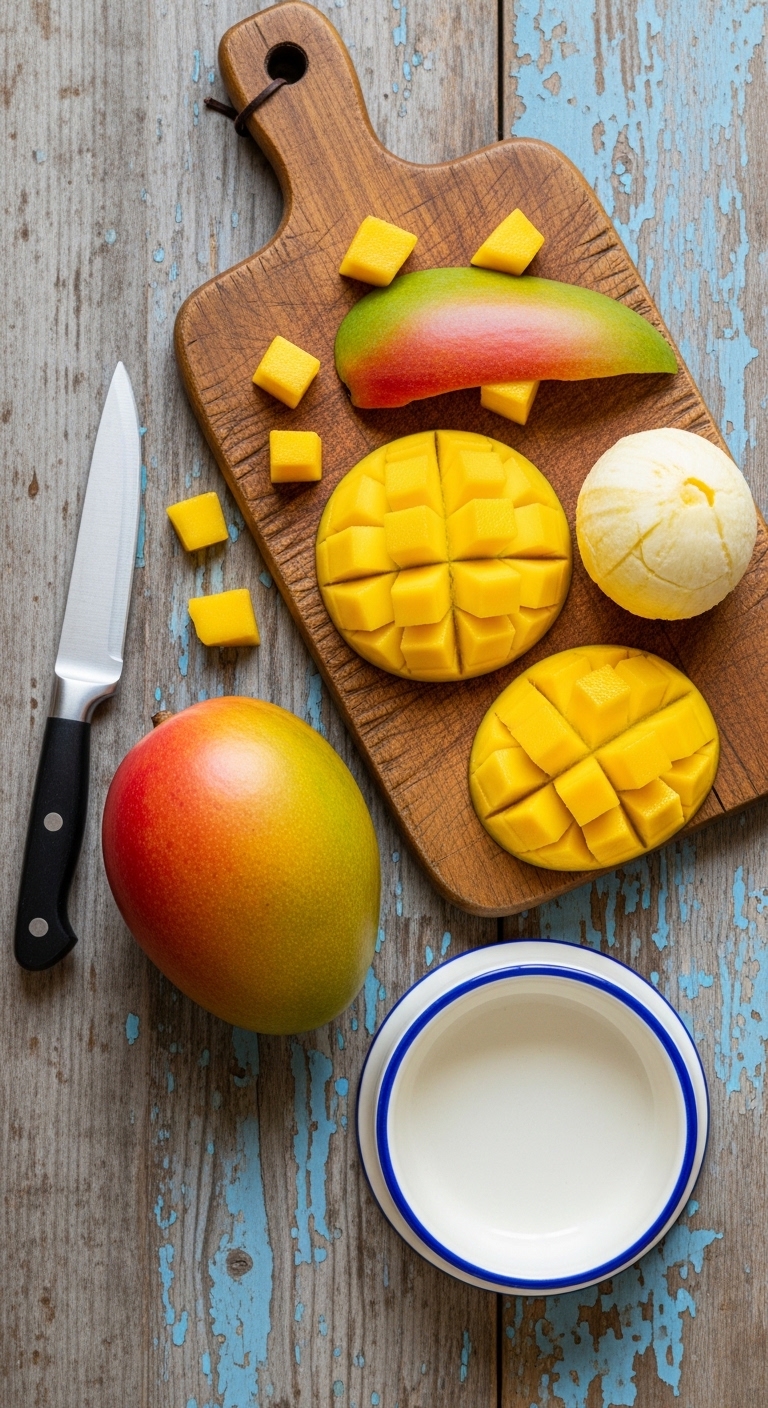
I once saw a friend give their dog an entire mango, pit and all, thinking it was fine. The dog ended up at the vet that night with a blockage scare. That’s a reminder that even healthy foods can be dangerous if not prepared properly. Always take the time to prep the mango correctly—it only takes a minute but can save you and your dog a lot of stress.
Serving Suggestions
Small cubes or thin slices work best for dogs, especially smaller breeds. Mix mango pieces into their regular food as a special topping for extra flavor. Freeze mango chunks for a refreshing summer treat that doubles as a teething aid for puppies. Combine mango with other dog-safe fruits like blueberries or apples for a vitamin-packed snack.
Signs of Trouble
Watch for vomiting, diarrhea, or lethargy after your dog eats mango. Excessive gas or bloating can signal that the mango didn’t agree with your dog’s stomach. If your dog seems unusually thirsty or urinates more frequently, it could be a reaction to the natural sugars.
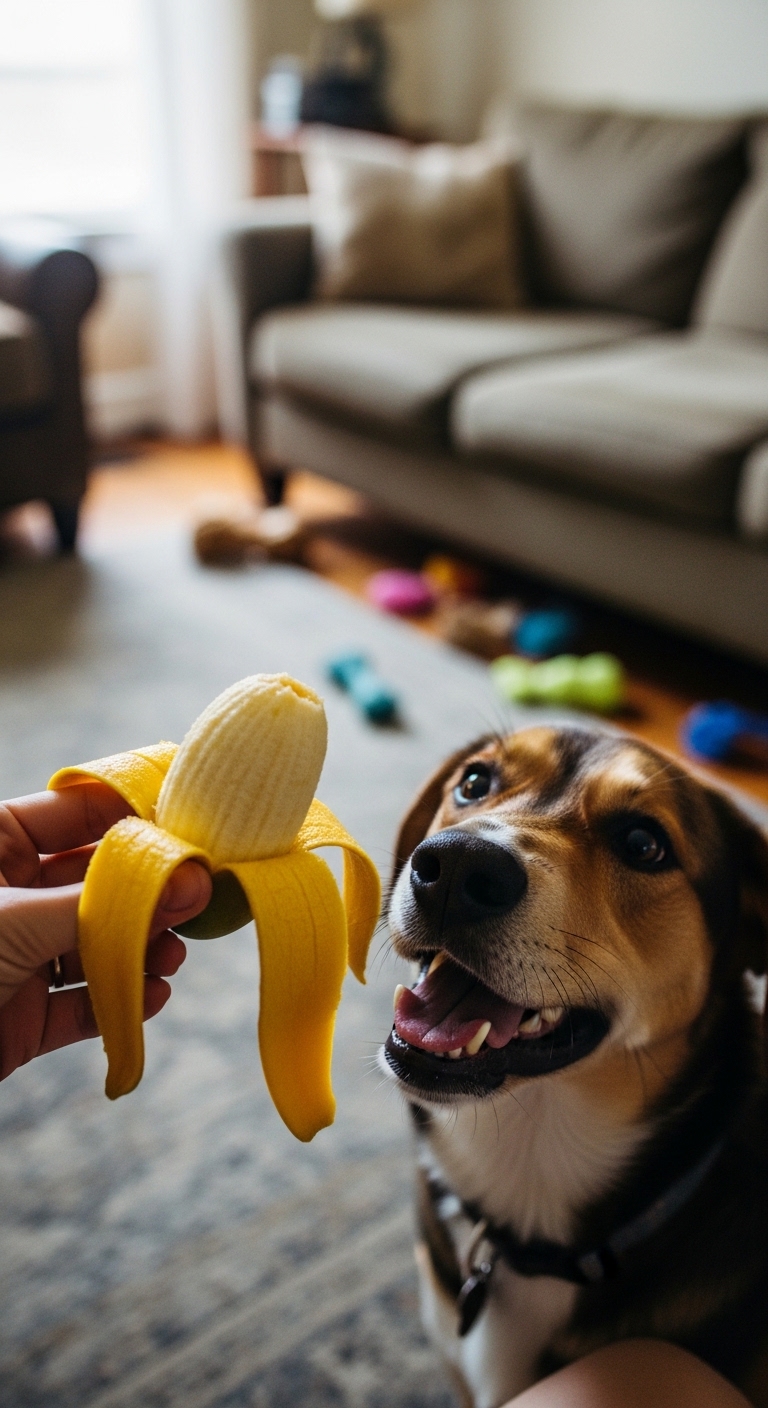
Sharing mango with your dog can be a fun and healthy experience when done correctly. Always prioritize safety and moderation to keep your pup happy and healthy.
Frequently Asked Questions
- → Can dogs eat mango safely?
Yes, dogs can eat mango in moderation. The flesh is safe and packed with vitamins, but always remove the pit, skin, and seeds to prevent choking or cyanide toxicity.
- → How much mango can I give my dog?
Start with small pieces, about 1-2 cubes for a medium-sized dog. Adjust based on size and tolerance, but keep portions under 10% of their daily calorie intake to avoid digestive issues.
- → Is mango skin toxic to dogs?
Mango skin is not toxic but can be difficult to digest and may cause stomach upset or blockages. Always peel the fruit before serving to your dog.
- → Can mango seeds harm dogs?
Yes, mango seeds contain amygdalin, which can release cyanide when chewed. They also pose a choking hazard. Always remove the seed before giving mango to your dog.
- → What are the benefits of mango for dogs?
Mango provides vitamins A, B6, and C, fiber, and antioxidants that support immune health, digestion, and skin. It’s a low-calorie, hydrating snack when served in moderation.
- → Can diabetic dogs eat mango?
Diabetic dogs should avoid mango due to its natural sugar content. Consult your vet before introducing any new treats to manage blood sugar levels effectively.
- → How should I prepare mango for my dog?
Wash the fruit thoroughly, peel it, remove the pit and seeds, then cut into small, bite-sized pieces. Serve fresh or frozen for a refreshing treat.