Drawing your dog isn’t just for artists—it’s a skill that helps pet owners capture their furry friend’s personality on paper, whether for keepsakes, gifts, or just fun. Even if you’ve never picked up a pencil before, breaking the process into simple steps makes it approachable for anyone. The key is starting with basic shapes and building up details gradually, so you don’t get overwhelmed by trying to get everything perfect at once.
I still remember the first time I sketched my old dog’s face—it wasn’t perfect, but the way his ears perked up in the drawing made me smile every time I looked at it.
Key Things to Understand
- Start with simple shapes: Use circles and ovals to map out the dog’s head and body before adding details.
- Focus on breed features: Capture unique traits early to reflect your dog’s personality.
- Use light pencil strokes: This allows for easy erasing and adjustments without leaving marks.
- Practice different angles: Try side views or playful poses to improve versatility.
- Mind proportions: Pay attention to the size of the head compared to the body for balance.
What to Look For
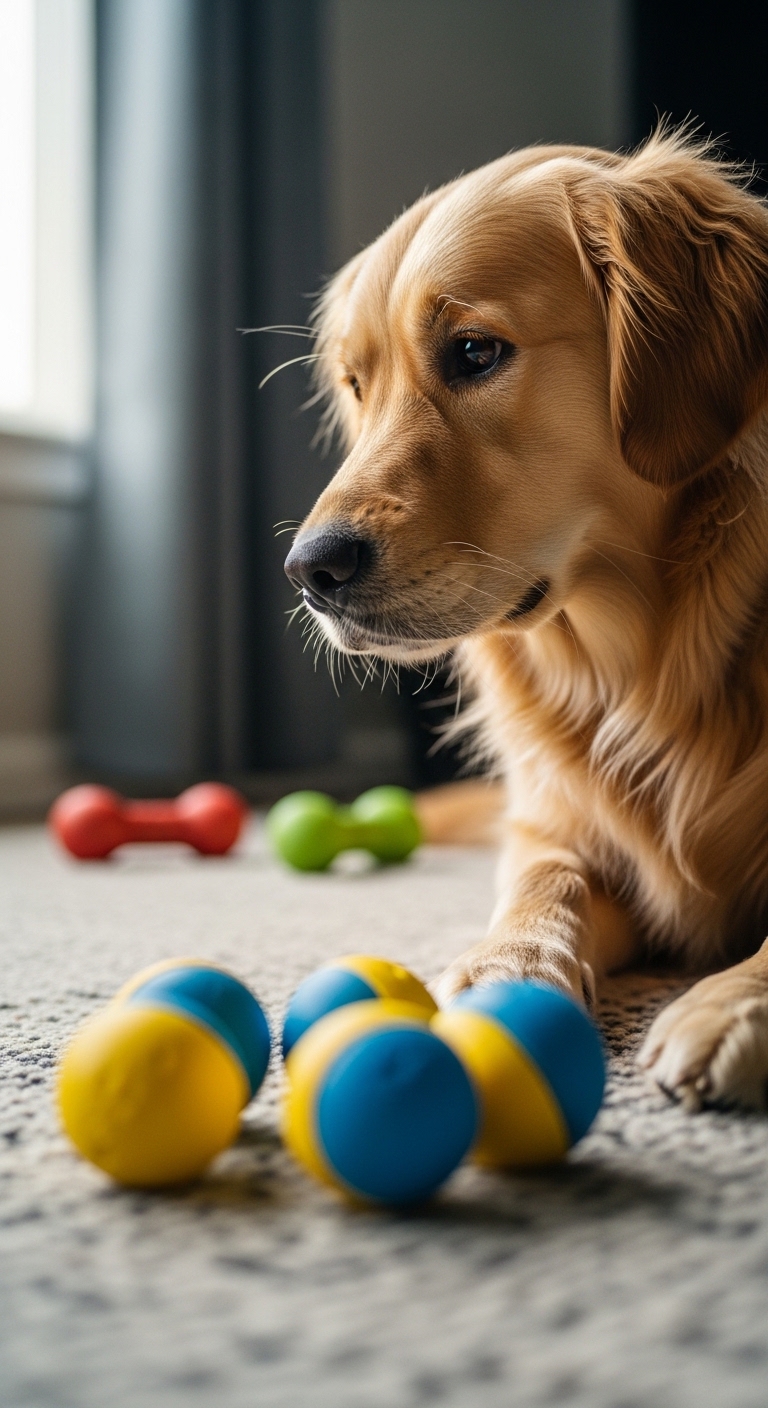
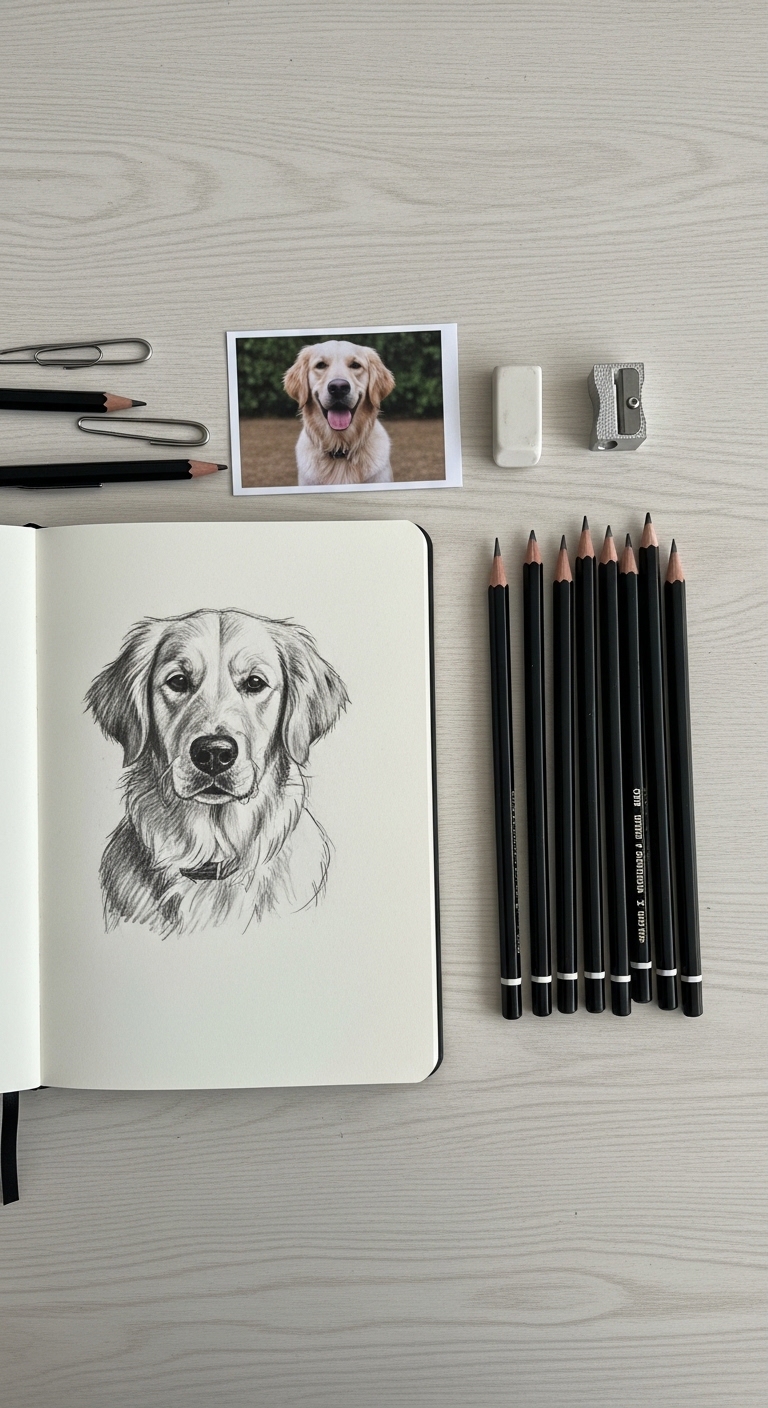
When you begin, look for the overall shape of your dog rather than getting stuck on small details right away. Notice how their ears sit (floppy or perked) and how their snout curves—these features guide your lines and make the drawing feel lifelike. Observe their posture: sitting, standing, or mid-play will change how you position their legs and body. If using a photo, look for soft edges where shadows blend into light, as these areas help define the dog’s form without harsh lines.
I’ve seen many people give up after their first attempt, only to realize later that their 'mistakes' added charm to the drawing. The wobbly lines in my early sketches became the character I loved most about my dog’s portrait.
Breaking Down the Drawing Process
Start by sketching a large circle for the head and a smaller oval for the body. Connect them with a curved line for the neck—this framework keeps proportions in check before adding details. Lightly draw guidelines for the face: one vertical line down the center and a horizontal line where the eyes will sit. These act as a roadmap to avoid misplaced features.
Adding Personality Through Details
Once basic shapes are in place, focus on unique features. For floppy-eared dogs, draw long, curved shapes; for pointy ears, use sharp angles. Eyes should be almond-shaped with a small highlight for liveliness. The nose is usually a simple triangle or oval, but its placement affects the expression. A slightly tilted head can make the dog look curious or playful.
Common Mistakes to Avoid
Skipping the light sketch phase leads to dark, hard-to-erase lines that complicate corrections. Drawing eyes too far apart or close together disrupts facial balance. Ignoring proportions may result in a head too large or small for the body. Rushing details without refining shapes first creates stiff, unnatural drawings. I used to rush to the eyes and nose, only to find the head was out of proportion—now I check sizes before finalizing details.
Practicing with Different Breeds
Each breed has unique quirks: Bulldogs have broad heads and short snouts with wrinkles, while Greyhounds feature sleek, elongated bodies. Drawing the same dog in different poses (sitting, lying down, mid-stride) helps understand movement and anatomy. This practice builds skills without requiring expertise.
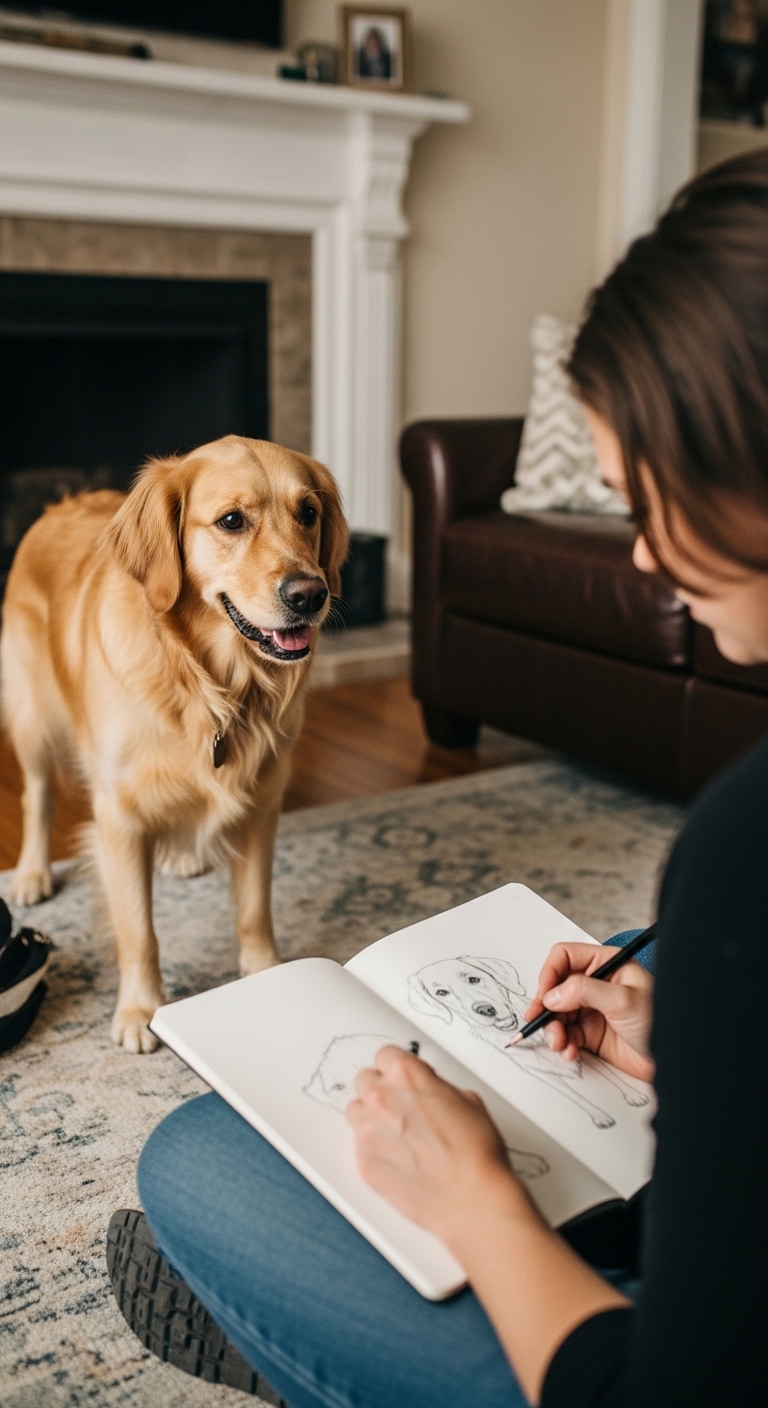
The best part about drawing your dog is that it doesn’t need to be flawless to feel special. Even a simple doodle can become a cherished memory.
Frequently Asked Questions
- → What materials do I need to draw a dog?
You’ll need a pencil, eraser, paper, and optionally colored pencils or markers for shading. A reference image of a dog can also help guide your drawing.
- → How do I start drawing a dog?
Begin with simple shapes like circles for the head and body. Sketch lightly to adjust proportions before adding details like ears, eyes, and paws.
- → What’s the easiest dog breed to draw for beginners?
Dogs with simple shapes, like a Labrador or a Bulldog, are great for beginners. Focus on basic forms before adding intricate details.
- → How can I make my dog drawing look more realistic?
Study dog anatomy and fur patterns. Use shading to add depth and texture, and pay attention to proportions and facial expressions for realism.
- → Are there any tips for drawing dog fur?
Draw fur in the direction it grows, using short, overlapping strokes. Vary the length and thickness of strokes to create a natural look.
- → Can I draw a dog without a reference?
While it’s possible, using a reference helps capture accurate proportions and details. Try sketching from memory after practicing with references.