
Can dogs eat cucumbers? It’s a question many pet owners ask, especially when looking for healthy, low-calorie treats. Cucumbers are a common snack for humans, but are they safe for our furry friends? The good news is that cucumbers can be a great occasional treat for dogs, but there are a few things to keep in mind before sharing them.
I remember the first time I gave my golden retriever a cucumber slice: he sniffed it, took one bite, and then walked away like it was boring. Turns out, not all dogs are fans, but it’s still worth knowing the facts.
Key Things to Understand
- Cucumbers are safe for dogs in moderation: they’re low in calories and high in water content
- Always remove the seeds and peel before serving: to prevent choking or digestive upset
- Introduce cucumbers slowly: to avoid stomach upset, especially in dogs with sensitive digestion
- Avoid pickled or seasoned cucumbers: as the salt and spices can be harmful
- Watch for any signs of allergies: like itching or vomiting, after your dog eats cucumbers
What to Look For
When offering cucumbers to your dog, focus on freshness and simplicity. Choose firm, ripe cucumbers without any soft spots or wrinkles, as these can indicate spoilage. The skin should be smooth and vibrant green, not dull or yellowing. If you’re serving it raw, cut it into small, bite-sized pieces to prevent choking, especially for smaller breeds. For dogs that aren’t used to fresh veggies, start with a tiny piece and observe their reaction over the next few hours. Some dogs might love the crunch, while others could turn their nose up at it entirely. If your dog has a history of digestive issues, like frequent gas or loose stools, cucumbers might not be the best treat choice, as their high water content can sometimes speed up digestion too much.
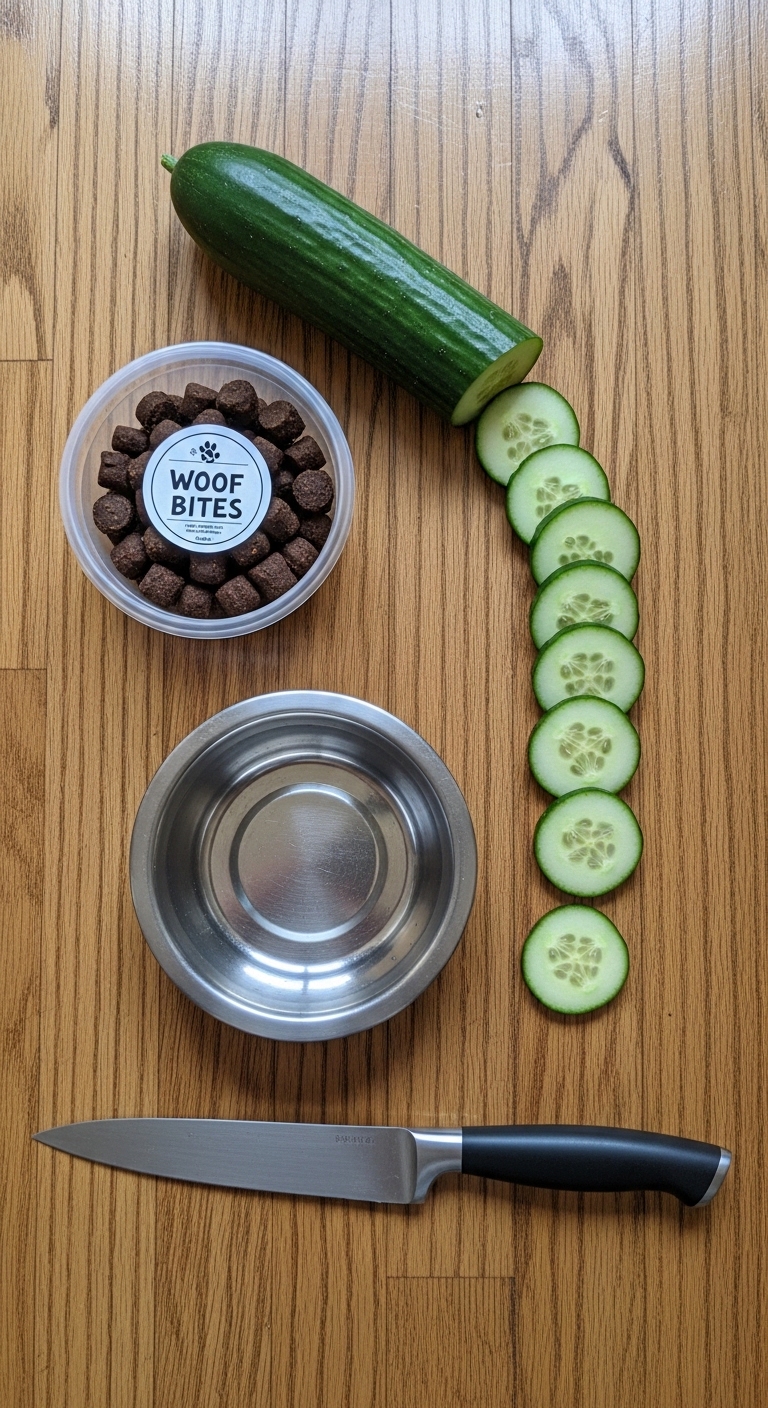
I once had a client whose dog ate an entire cucumber in one sitting and ended up with a case of mild diarrhea the next day. Moderation is key, and it’s always better to start small. If your dog has never had cucumbers before, introduce them gradually and keep an eye on how they react.
Daily care habits
Incorporating cucumbers into your dog’s routine can be a fun way to add variety to their treats. Try freezing cucumber slices for a refreshing snack on hot days, which can also help soothe teething puppies. If your dog enjoys crunchy textures, cucumbers can be a great alternative to store-bought biscuits, especially for dogs watching their weight. Just remember that treats, including cucumbers, should make up no more than 10% of your dog’s daily calorie intake to avoid nutritional imbalances.
Cleaning and hygiene
Before serving cucumbers, always wash them thoroughly under running water to remove any pesticides or dirt. Organic cucumbers are a safer choice if available, but washing is still essential. If you’re using cucumbers as part of a training reward, keep a separate bowl just for your dog’s treats to avoid cross-contamination with human food. After your dog eats cucumber, check their bowl and eating area to ensure no pieces are left behind, as spoiled cucumbers can attract pests or cause messes.
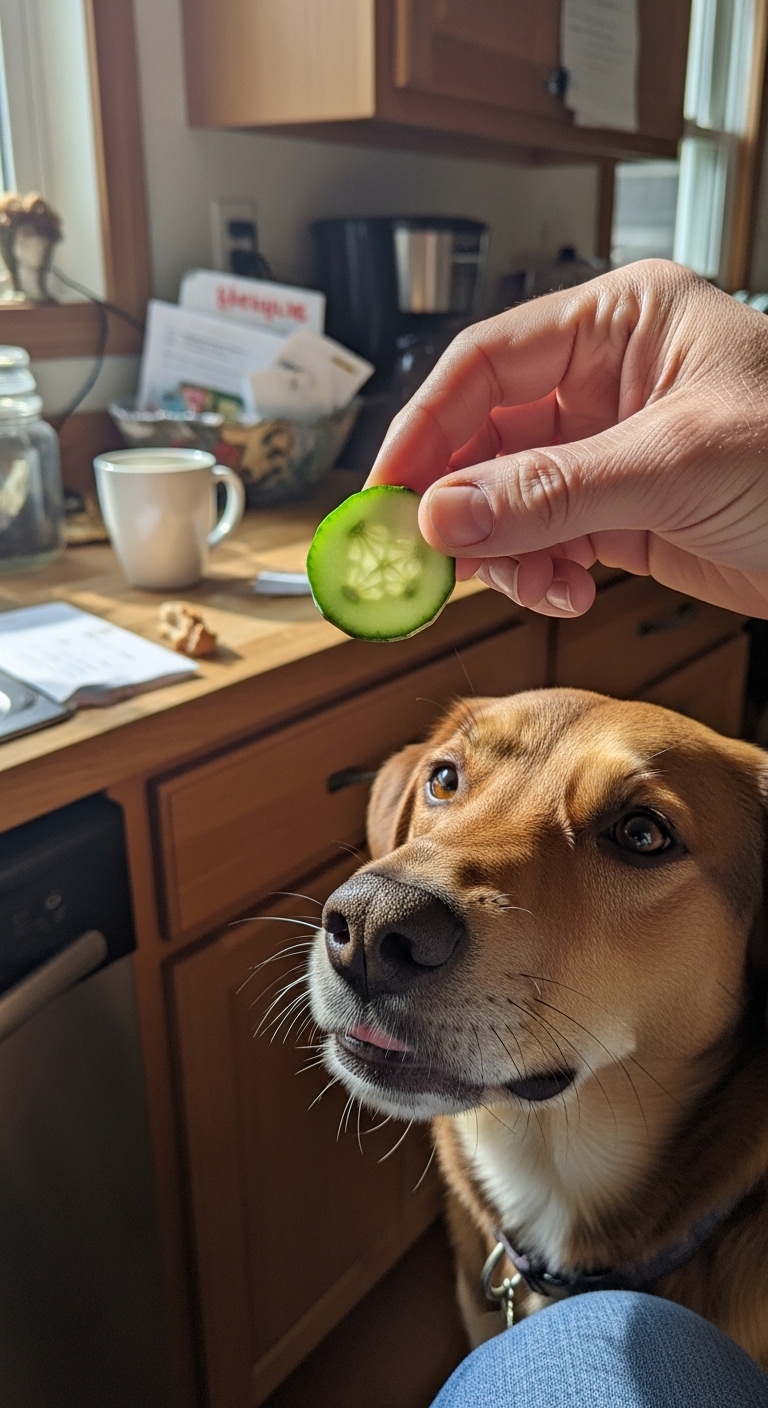
So, can dogs eat cucumbers? Yes, but always in moderation and prepared the right way. They’re a healthy, low-calorie option that many dogs enjoy, but they’re not a replacement for a balanced diet.
Frequently Asked Questions
- → Are cucumbers safe for all dogs?
Generally, yes. Most dogs can safely eat cucumbers in moderation. However, dogs with kidney issues or those prone to digestive upset should consume them cautiously. Always introduce new foods slowly and watch for any adverse reactions.
- → How should I prepare cucumbers for my dog?
Wash thoroughly to remove pesticides, remove seeds, and cut into small, manageable pieces. Avoid adding salt, spices, or oils. For larger dogs, you can serve cucumber slices as a crunchy snack, while smaller dogs may benefit from finely chopped pieces.
- → Can cucumbers help with my dog's hydration?
Absolutely! Cucumbers are about 96% water, making them an excellent hydrating snack, especially during hot weather. They can complement your dog's water intake, particularly for pets that don’t drink enough water throughout the day.
- → How much cucumber can my dog eat?
As a general rule, treats—including cucumbers—should make up no more than 10% of your dog’s daily caloric intake. For a medium-sized dog, a few small slices or chunks per day is a safe starting point. Adjust based on your dog’s size and dietary needs.
- → What are the signs my dog shouldn’t eat cucumbers?
Watch for vomiting, diarrhea, excessive gas, or lethargy after feeding cucumbers. These could indicate an intolerance or allergy. If symptoms persist, discontinue use and consult your veterinarian. Always introduce new foods one at a time to isolate potential issues.
- → Can diabetic dogs eat cucumbers?
Yes, cucumbers are a low-calorie, low-sugar option that can be suitable for diabetic dogs when given in moderation. Their high water content and fiber can help regulate blood sugar levels. However, always check with your vet to ensure they fit into your dog’s specific dietary plan.