A dog’s purpose isn’t just to be a pet: it’s to be a loyal companion, a source of endless joy, and sometimes even a little troublemaker who keeps you on your toes. Whether you’re a first-time dog owner or a seasoned pro, understanding what your dog truly needs goes beyond just feeding and walks. It’s about recognizing their instincts, meeting their emotional needs, and creating a bond that lasts a lifetime.
I’ve seen too many owners struggle because they treated their dog’s needs as an afterthought. The dogs that thrive are the ones whose humans pay attention to the little things: like how they react to certain foods or why they dig in the same spot every day.
Key Things to Understand
- A dog’s purpose is deeply tied to their breed instincts: so a herding breed will always try to “herd” your kids or other pets.
- Their emotional needs are just as important as physical ones: meaning loneliness can lead to destructive behavior.
- Routine is everything for dogs: as it gives them a sense of security and reduces anxiety.
- Sensory details matter more than you think: sounds, smells, and textures can make or break their comfort.
- Ignoring small changes in their habits: (like drinking more water or sleeping less) could signal health issues early.
What to Look For
Watch how your dog reacts to different environments. A dog that cowers in loud places might need gradual exposure to build confidence. Notice their body language during walks: if they pull constantly in one direction, they might be fixated on something like a squirrel or another dog. Pay attention to their eating habits too; sudden pickiness could mean they’re stressed or unwell. Even their sleeping spots can tell you a lot. A dog that always circles before lying down might be trying to get comfortable based on old instincts to flatten grass or check for predators.
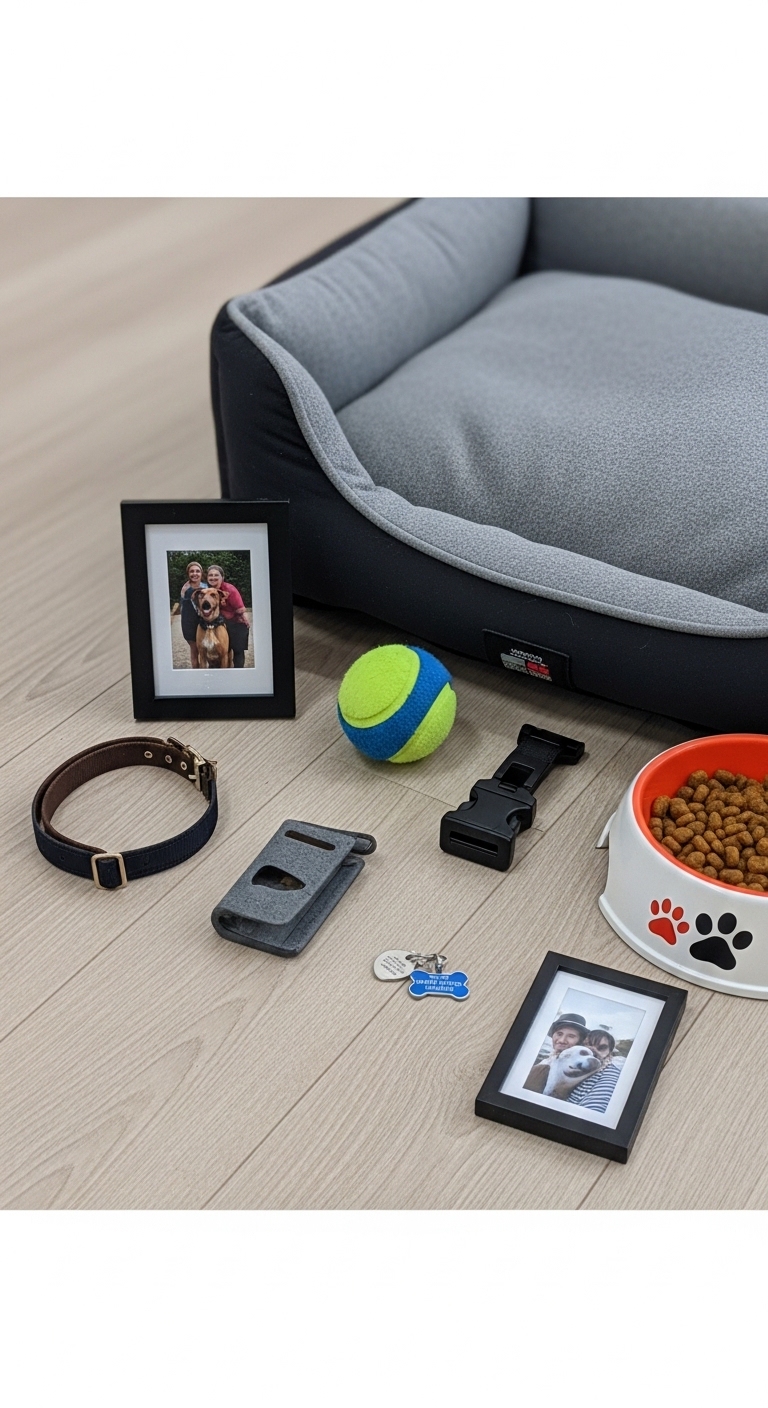
I once met a dog owner who thought their pup was just “hyper” when really, the dog was bored out of its mind. After adding short training games to their routine, the dog calmed down instantly. It’s easy to overlook how much mental work goes into being a dog.
Daily care habits
A dog’s purpose isn’t just about big moments: it’s in the daily rituals. Brushing their teeth might feel like a chore, but it prevents painful dental issues down the line. Even something as simple as checking their paws after walks can save them from thorns or cracked pads. Set aside time each week to inspect their ears for dirt or redness, which could turn into infections if ignored.
Choosing the right product
Not all dog beds are created equal. A dog that loves to burrow will appreciate a cave-style bed, while a senior dog with joint pain needs orthopedic support. For toys, avoid anything with small parts that can be swallowed. If your dog is a heavy chewer, look for durable rubber or nylon options labeled for aggressive chewers. The right collar or harness should fit snugly but not chafe: two fingers should slide under the strap easily.
Safety and comfort
A dog’s purpose includes feeling secure in their home. Keep toxic plants like lilies or sago palms out of reach, and secure trash cans to prevent scavenging. If you have a puppy, puppy-proof your space by covering cords and removing anything they could chew. During hot weather, avoid pavement that’s too hot for their paws: press your hand on the ground for seven seconds; if it’s too hot for you, it’s too hot for them.
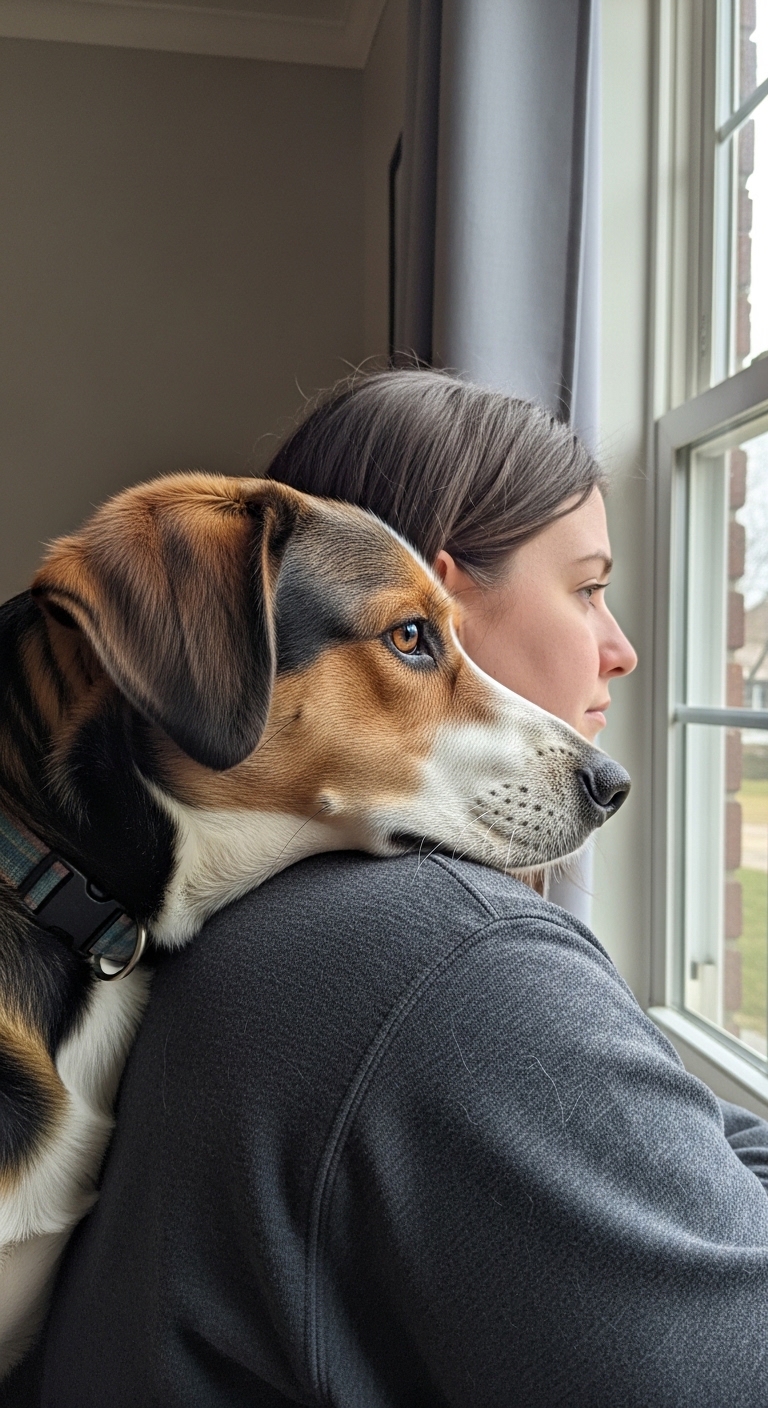
Understanding your dog’s purpose transforms everyday care into meaningful connection. Small adjustments make all the difference.
Frequently Asked Questions
- → What is the primary purpose of a dog?
A dog’s primary purpose is to form a deep bond with humans, offering companionship, protection, and emotional support. Their loyalty and ability to understand human emotions make them invaluable family members.
- → How do dogs find meaning in their lives?
Dogs find meaning through activities that engage their instincts, such as playing, training, and spending time with their owners. A sense of purpose comes from feeling needed and loved within their family unit.
- → Can all dogs fulfill a purpose beyond companionship?
Yes! While all dogs provide companionship, some breeds excel in specific roles like service work, herding, or hunting. Even pet dogs can find purpose through training, socialization, and fulfilling their natural instincts.
- → How does a dog’s purpose change with age?
As dogs age, their purpose may shift from high-energy activities to more relaxed companionship. Senior dogs often find joy in gentle play, cuddling, and being a calming presence in the home.
- → What role does training play in a dog’s purpose?
Training helps dogs understand their role in the family and strengthens the bond with their owner. It also provides mental stimulation, which is crucial for a dog’s happiness and sense of purpose.
- → How can I help my dog fulfill their purpose?
Spend quality time with your dog through play, walks, and training. Provide mental and physical stimulation tailored to their breed and energy level. Most importantly, show them love and consistency in care.