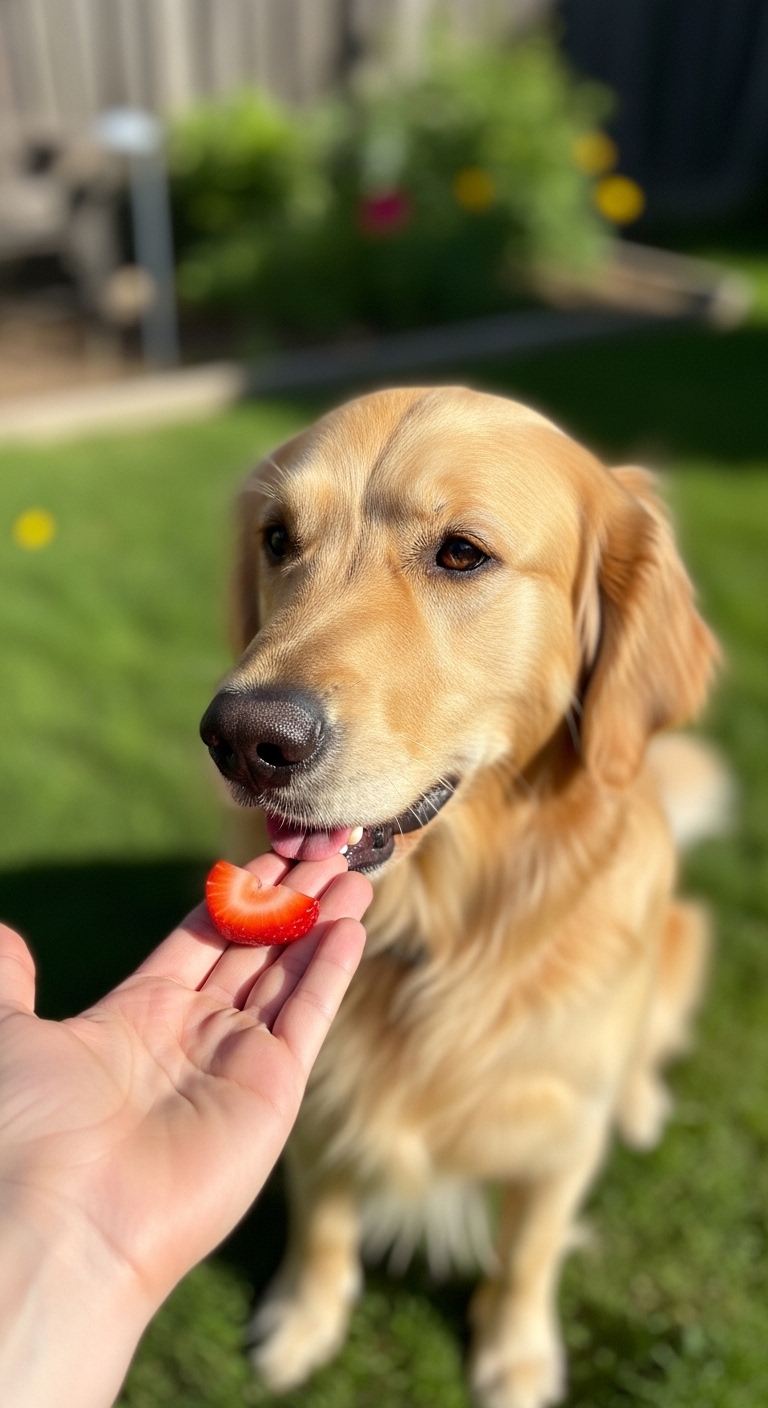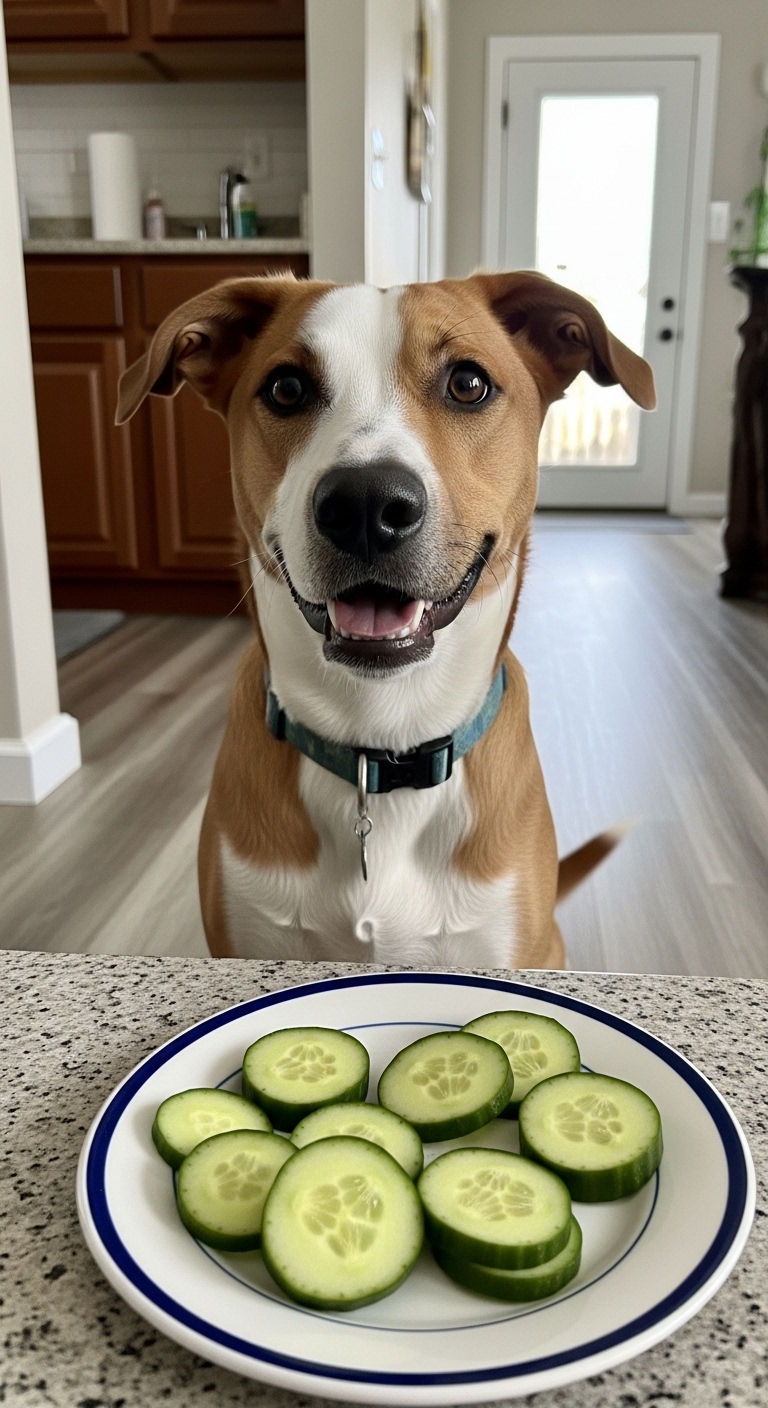
Can dogs eat tomatoes? It’s a question many pet owners ask, especially when their furry friend gives those big, pleading eyes during dinner time. Tomatoes are a common ingredient in human meals, but are they safe for dogs? The answer isn’t as simple as yes or no. While ripe, red tomatoes in small amounts are generally safe, there are important details to consider before sharing this fruit with your pup. Understanding the risks and benefits can help you make the best decision for your dog’s health and happiness.
I remember the first time my neighbor’s dog sneaked a bite of cherry tomatoes from the garden. At first, it seemed fine, but within hours, the pup was lethargic and refused food. A quick call to the vet confirmed it was a mild reaction to the stems and leaves. That moment taught me how crucial it is to know the details before sharing human food with dogs.
Key Things to Understand
- Tomato family risks: Tomatoes belong to the nightshade family, which means they contain solanine, a compound that can be toxic in large amounts
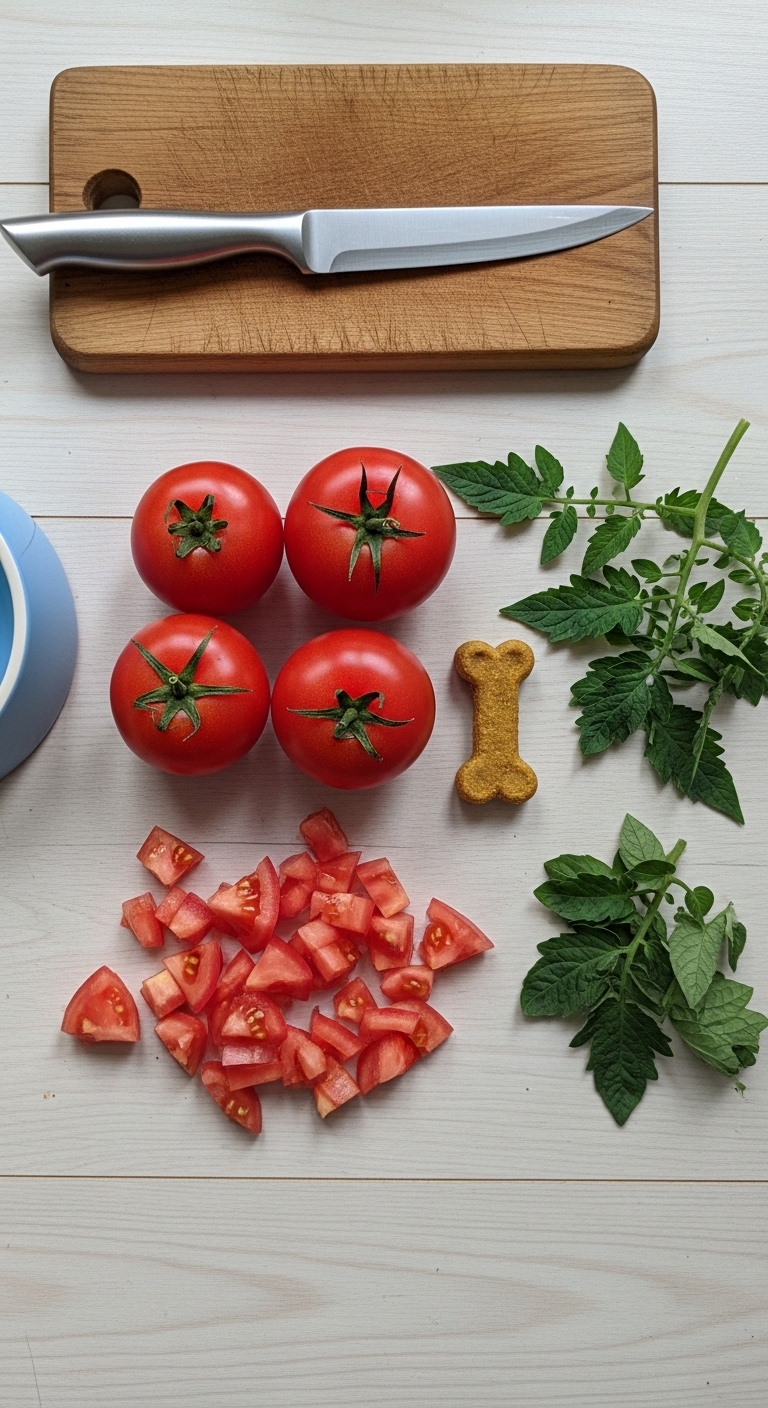
- Safe parts: The ripe, red flesh of a tomato is generally safe for dogs in small quantities, but the green parts (stems, leaves, and unripe tomatoes) contain higher levels of solanine
- Sensitivities: Some dogs may have sensitivities or allergies to tomatoes, even in small amounts
- Cooked vs raw: Cooked tomatoes are often easier for dogs to digest than raw ones, but moderation is still key
- Introduction: Always introduce new foods slowly and watch for any adverse reactions
What to Look For
Pay attention to how your dog reacts after eating a small piece of ripe tomato. Most dogs tolerate it well, but some may experience mild stomach upset, gas, or diarrhea. If you notice these signs, it’s best to avoid tomatoes in the future. Watch for changes in energy levels or appetite as well, as these could indicate a sensitivity. When choosing tomatoes for your dog, opt for organic or pesticide-free varieties to reduce the risk of chemical exposure. If you’re growing tomatoes at home, make sure your dog can’t access the plants, as the leaves and stems are the most dangerous parts.
I once had a client whose dog loved cherry tomatoes so much that she gave them daily. Over time, the dog developed chronic diarrhea and lost weight. After switching to a vet-approved diet and removing tomatoes completely, the dog’s symptoms improved dramatically. This shows how even “safe” human foods can cause problems if overfed.
Daily care habits
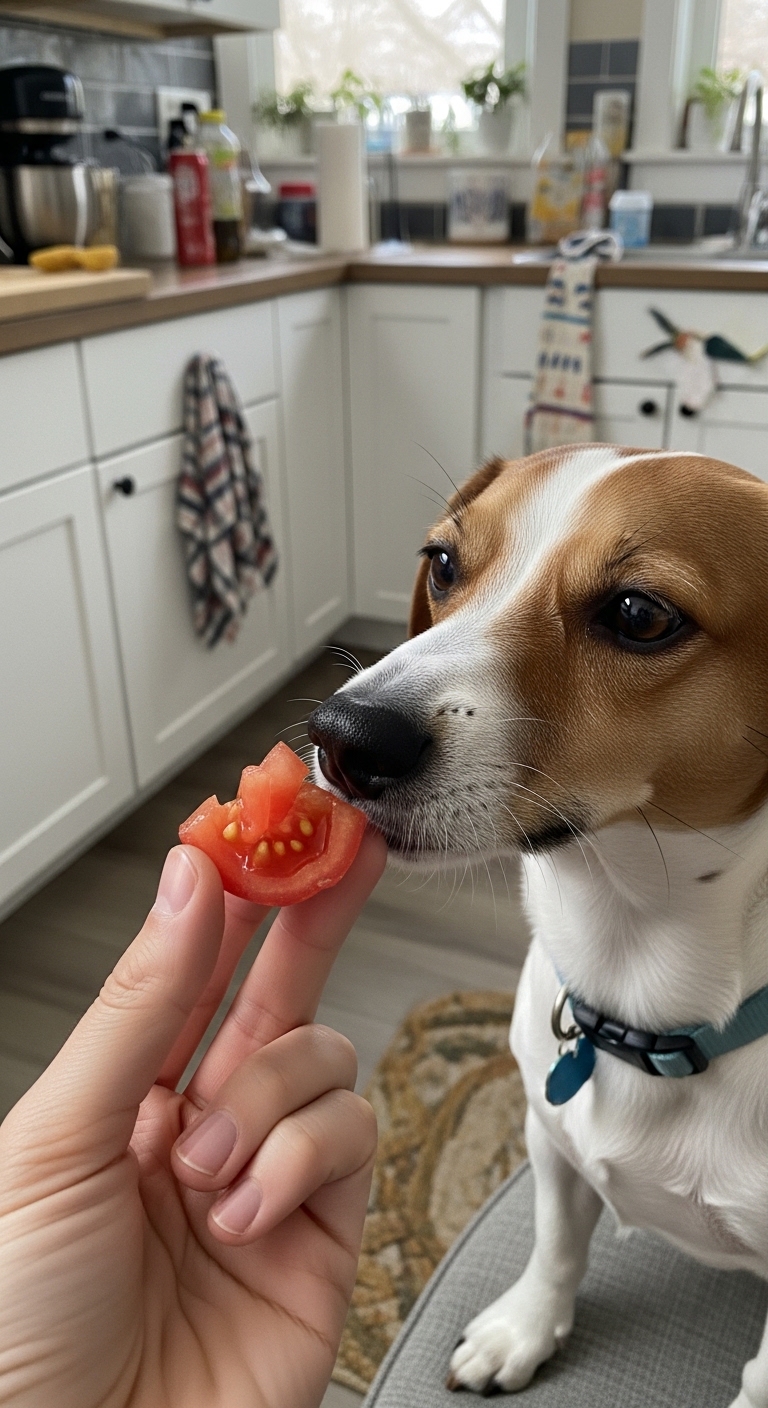
If you decide to give your dog tomatoes, start with a tiny piece and monitor their reaction for 24 hours. If they tolerate it well, you can occasionally offer a small amount as a treat. Avoid making tomatoes a regular part of their diet, as too much can lead to digestive issues. Always remove the stems and leaves, and wash the tomato thoroughly to remove pesticides or dirt. If your dog has a history of food allergies, introduce tomatoes even more cautiously.
Choosing the right product
When buying tomatoes for your dog, look for organic, locally grown options whenever possible. These are less likely to contain harmful pesticides or chemicals that could upset your dog’s stomach. Avoid canned tomatoes or sauces, as they often contain added salt, garlic, onions, or other ingredients that are toxic to dogs. If you’re unsure about a specific brand or type of tomato, check with your vet before offering it to your pup.
Safety and comfort
The biggest risk with tomatoes isn’t the fruit itself but the plant’s green parts. Dogs who dig in gardens or chew on tomato plants can ingest dangerous amounts of solanine. If you have tomato plants at home, consider fencing off the area or using deterrents to keep your dog away. For dogs who love to explore, training a strong “leave it” command can prevent accidental ingestion of toxic plant parts.
When in doubt, always consult your vet before introducing new foods to your dog’s diet. What works for one pup might not work for another, so it’s better to be cautious.
Frequently Asked Questions
- → Are tomatoes toxic to dogs?
Ripe red tomatoes are not toxic in small amounts, but the green parts (stems, leaves, unripe fruit) contain solanine, a toxin that can cause poisoning. Always remove these parts before feeding.
- → How much tomato can I give my dog?
Start with a small piece (1-2 teaspoons) for small dogs and up to a tablespoon for larger breeds. Monitor for any adverse reactions like vomiting or diarrhea.
- → Can dogs eat cooked tomatoes?
Cooked tomatoes are safe if plain, without added salt, garlic, onions, or spices. Avoid canned tomatoes with preservatives or seasonings.
- → What are signs of tomato poisoning in dogs?
Symptoms include vomiting, diarrhea, drooling, lethargy, confusion, or loss of appetite. If severe, seek veterinary care immediately.
- → Are cherry tomatoes safe for dogs?
Yes, cherry tomatoes are safe in moderation if ripe and served without stems or leaves. Cut them into smaller pieces to prevent choking hazards.
- → Can puppies eat tomatoes?
Puppies can eat small amounts of ripe tomato flesh, but avoid green parts. Introduce new foods gradually to avoid digestive upset.
- → What should I do if my dog eats a tomato plant?
Remove any remaining plant material from their mouth and monitor for symptoms like vomiting or diarrhea. Contact your vet if signs of poisoning appear.