
Can dogs have yogurt? It’s a question many pet owners ask, especially when looking for healthy treats or probiotic boosts for their furry friends. Yogurt can be a great source of calcium, protein, and live cultures that support digestion, but not all yogurts are safe for dogs. Some contain artificial sweeteners like xylitol, which is toxic to pets, while others have high sugar content that can upset their stomachs. Knowing which types are safe and how much to give can make a big difference in your dog’s diet and overall health.
I’ve seen dogs with sensitive stomachs react poorly to even plain yogurt, so it’s always best to introduce it slowly and watch for any signs of discomfort.
Key Things to Understand
- Plain, unsweetened yogurt with live cultures is generally safe for dogs in moderation: This type provides probiotics without harmful additives.
- Avoid yogurts with artificial sweeteners, added sugars, or flavors that can be harmful: Xylitol, in particular, is highly toxic to dogs.
- Some dogs may be lactose intolerant, so yogurt could cause digestive upset: Monitor your dog’s reaction when introducing it for the first time.
- Greek yogurt is often a better choice because it’s lower in lactose than regular yogurt: This makes it easier for many dogs to digest.
- Always introduce yogurt gradually to see how your dog tolerates it: Start with small amounts to avoid stomach issues.
What to Look For
When choosing yogurt for your dog, the first thing to check is the ingredient list. Plain yogurt should only contain milk and live cultures—no added sugars, artificial sweeteners, or artificial flavors. Even "natural" flavors can sometimes contain hidden ingredients that aren’t safe for pets. Look for labels that specifically mention "no xylitol" and "no added sugars," as these are common pitfalls. The texture should be smooth and consistent, without any chunks or additives that could cause choking or digestive issues.
Another important factor is the fat content. While full-fat yogurt isn’t necessarily bad, opting for low-fat or non-fat varieties can help prevent weight gain, especially for smaller breeds or less active dogs. If your dog has a history of pancreatitis or weight problems, it’s best to choose a yogurt with minimal fat. Also, pay attention to the live cultures listed on the label. Strains like Lactobacillus acidophilus and Bifidobacterium are known to support gut health, which can be particularly beneficial for dogs with digestive sensitivities.
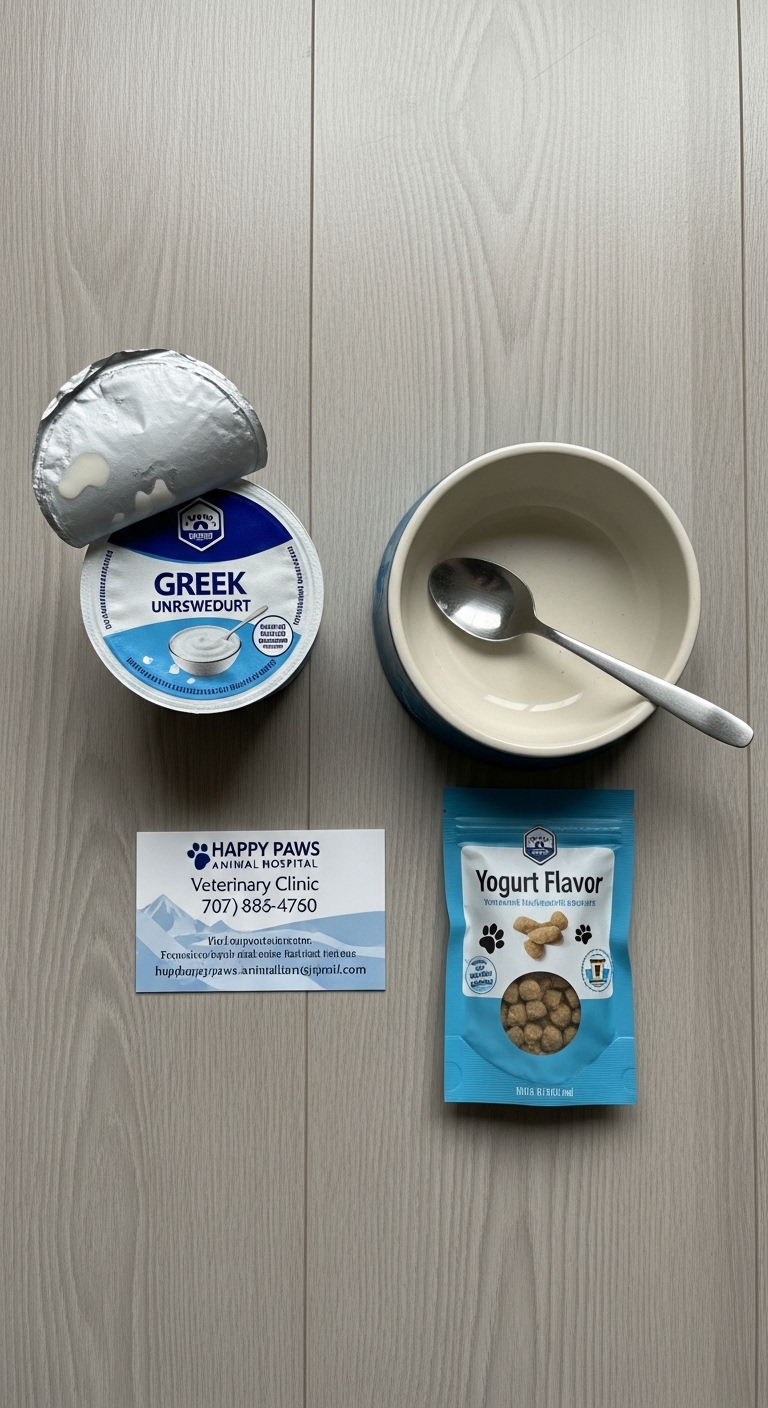
A common mistake I see is pet owners giving their dogs flavored yogurts, thinking they’re a treat, only to deal with an upset stomach later. Another thing to remember is that while yogurt can be a healthy addition, it shouldn’t replace a balanced diet—it’s just a supplement. If your dog has never had yogurt before, start with a teaspoon and see how they react over the next 24 hours.
When Yogurt Isn’t a Good Idea
Some dogs simply can’t tolerate dairy, and yogurt might not be the best choice for them. If your dog has a history of lactose intolerance or frequent stomach issues, it’s best to avoid yogurt altogether. Puppies and senior dogs with weaker digestive systems may also struggle with lactose, so always err on the side of caution. Additionally, dogs with conditions like diabetes should avoid yogurts with high sugar content, as it can spike their blood glucose levels.
How to Serve Yogurt to Your Dog
The best way to serve yogurt is plain, without any mix-ins like honey or fruit, which can add unnecessary sugars or artificial ingredients. You can serve it as a standalone treat, mix it into their regular food, or even use it as a stuffing for a Kong toy to keep them entertained. If your dog enjoys it, you can also freeze small dollops of yogurt as a refreshing summer treat. Just be sure to keep portions small—about one to two teaspoons for small dogs and up to a tablespoon for larger breeds is plenty.
Alternatives to Yogurt
If yogurt doesn’t agree with your dog, there are other probiotic-rich options to consider. Kefir, a fermented milk drink, is often easier for dogs to digest and contains a wider variety of beneficial bacteria. Cottage cheese is another low-lactose alternative that provides protein and calcium without the same digestive risks. Always introduce new foods slowly and in small amounts to avoid upsetting your dog’s stomach.
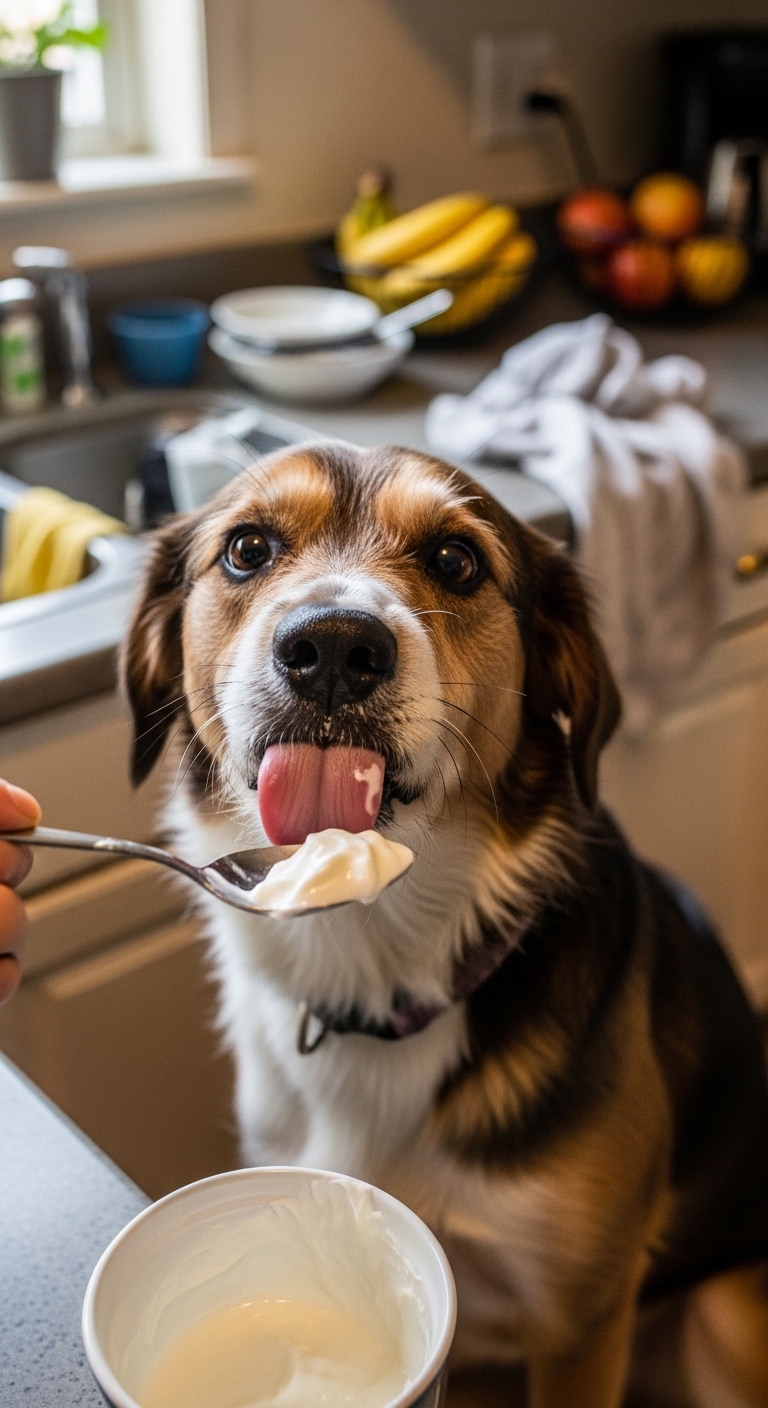
If you’ve ever wondered whether your dog can safely enjoy yogurt, the answer depends on the type and how you serve it. While plain yogurt with live cultures can be a healthy, probiotic-rich treat, flavored or sweetened varieties can do more harm than good.
Frequently Asked Questions
- → Is yogurt safe for all dogs?
Not all dogs can safely eat yogurt. Dogs with lactose intolerance may experience digestive upset. Always introduce yogurt in small amounts and monitor for adverse reactions.
- → What type of yogurt is best for dogs?
Plain, unsweetened yogurt without artificial sweeteners is the best choice. Avoid flavored varieties with added sugars or artificial ingredients.
- → How much yogurt can I give my dog?
Start with a small amount, such as one teaspoon, and gradually increase if your dog tolerates it well. Consult your veterinarian for specific portion recommendations based on your dog's size and diet.
- → Can yogurt help with my dog's digestion?
Yes, yogurt contains probiotics that can support gut health and improve digestion. However, it should not replace a balanced diet or veterinary care for digestive issues.
- → Are there any risks associated with feeding yogurt to dogs?
Potential risks include digestive upset, lactose intolerance, and exposure to harmful ingredients like xylitol in some yogurts. Always check the label and introduce yogurt gradually.
- → Can puppies eat yogurt?
Puppies can eat yogurt in moderation, but it's important to choose plain, unsweetened varieties and introduce it gradually. Consult your veterinarian before adding yogurt to a puppy's diet.
- → What are the benefits of yogurt for dogs?
Yogurt can provide probiotics for gut health, calcium for strong bones, and protein for muscle maintenance. It can also be a tasty treat that many dogs enjoy.