Can dogs eat applesauce? It’s a question many pet owners ask when looking for a quick, tasty treat for their furry friends. Applesauce is often seen as a healthy snack for humans, but is it safe for dogs? The answer isn’t as straightforward as you might think. While plain applesauce can be a safe occasional treat, there are important factors to consider before sharing it with your pup. Understanding the right kind, the right amount, and the potential risks can help you make the best choice for your dog’s diet.
Think about how often you reach for convenience foods when you’re in a hurry. Dogs can benefit from similar easy options, but it’s crucial to pick the right ones.
Key Things to Understand
- Applesauce without added sugars or artificial sweeteners: Generally safe for dogs in small amounts.
- Xylitol: A common sweetener in sugar-free products that is extremely toxic to dogs and can be fatal even in tiny doses.
- Natural applesauce in large quantities: Can cause stomach upset due to its sugar content.
- Dogs with sensitive stomachs or conditions like diabetes: May have trouble digesting applesauce.
- Introducing new foods: Always do so slowly and watch for adverse reactions like vomiting or diarrhea.
What to Look For
When choosing applesauce for your dog, the first thing to check is the ingredient list. Avoid any product that contains xylitol, artificial flavors, or added sugars. Opt for unsweetened, 100% natural applesauce with no preservatives. The texture matters too: chunky applesauce could pose a choking hazard, especially for smaller dogs, so smooth varieties are usually the safest choice. If your dog has never had applesauce before, start with a small amount to see how they tolerate it. Watch their behavior and digestion closely in the hours after eating to ensure there’s no negative reaction.
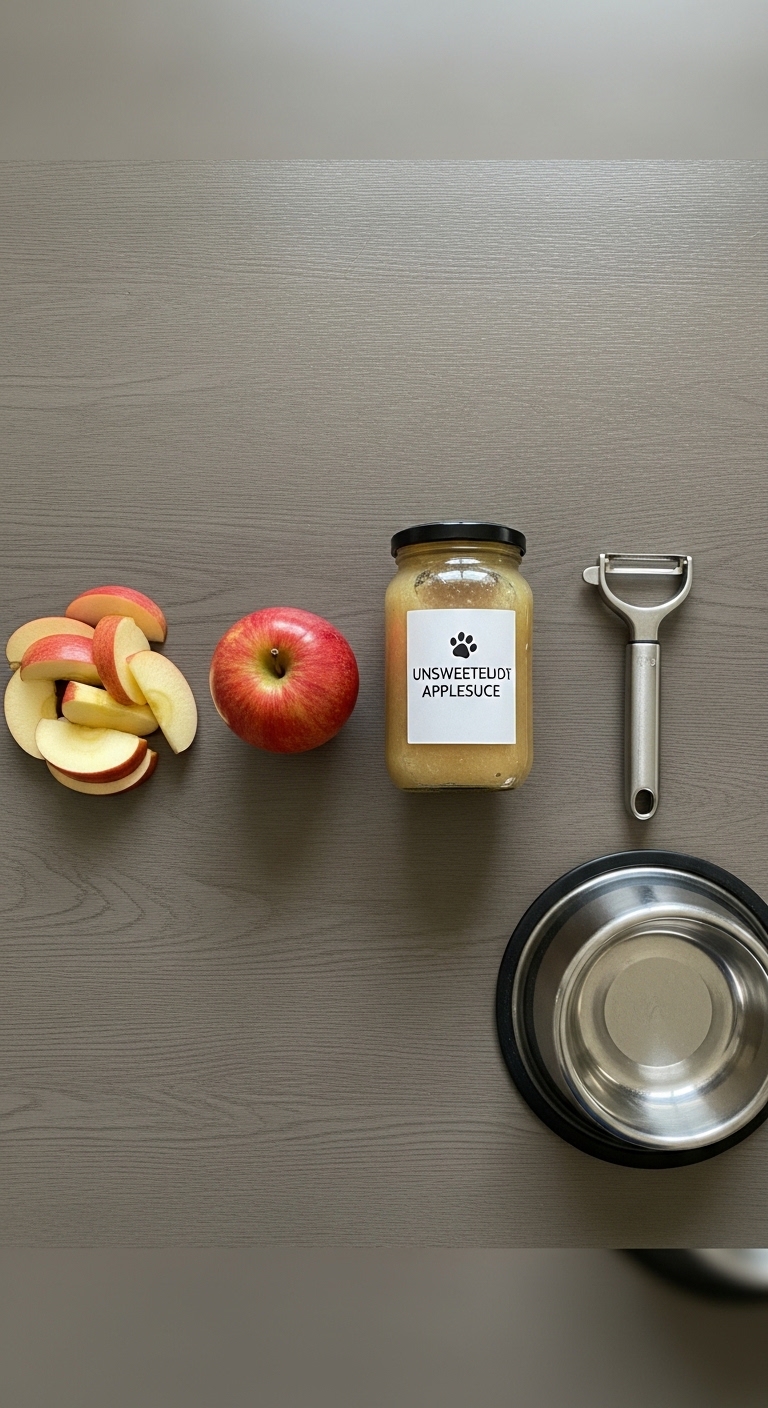
Serving applesauce the right way can make a difference in how your dog reacts to it. Some dogs love the taste, while others might not care for it at all. If your dog enjoys it, you can use a small spoonful as an occasional treat or mix it into their food for added flavor. Just remember that treats, including applesauce, should make up no more than 10% of your dog’s daily calorie intake.
Why Plain Applesauce Wins
Not all applesauce is created equal, and plain varieties are the safest bet for dogs. Flavored or sweetened applesauce often contains ingredients like cinnamon, nutmeg, or extra sugar, which can upset your dog’s stomach or even be toxic in some cases. Nutmeg, for example, contains myristicin, a compound that can cause hallucinations, increased heart rate, and even seizures in dogs. Stick to the simplest version possible to avoid these risks.
How Much Is Too Much
Even with plain applesauce, portion control is key. A good rule of thumb is to limit treats to about one teaspoon per 10 pounds of body weight per day. For a 20-pound dog, that’s roughly two teaspoons. Overdoing it can lead to an upset stomach, diarrhea, or long-term issues like obesity or diabetes. If your dog has a health condition like pancreatitis, it’s best to avoid applesauce altogether unless your vet approves it.
Alternatives to Applesauce
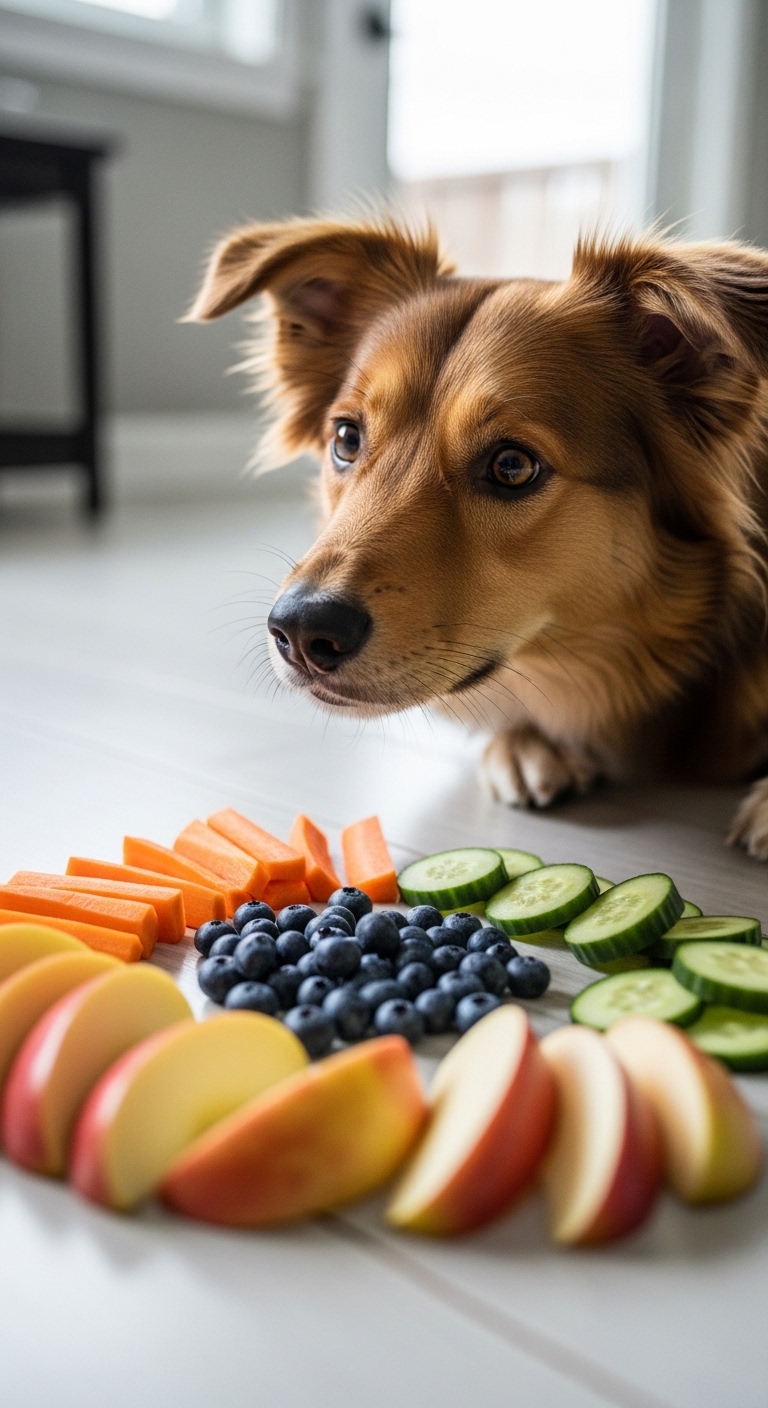
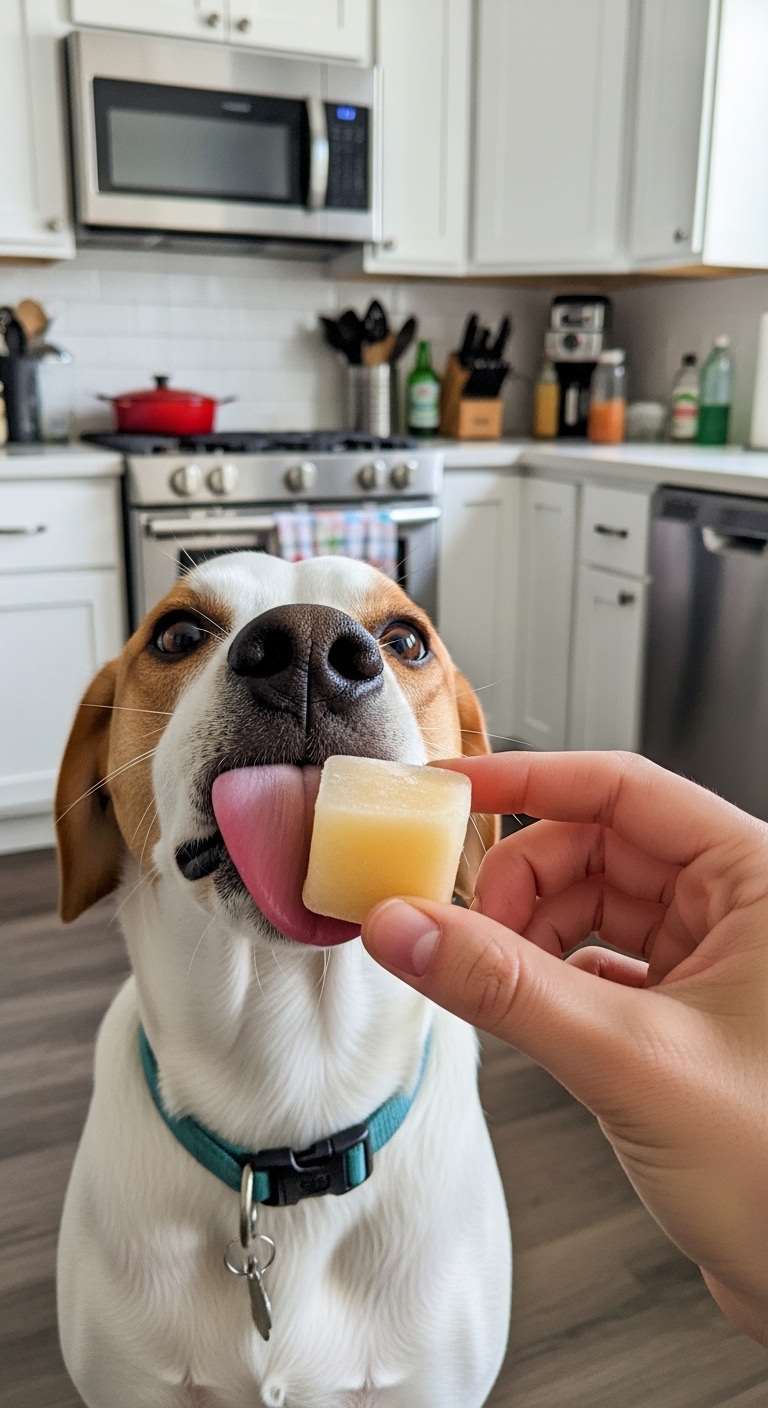
If your dog doesn’t tolerate applesauce well or you’re looking for variety, there are other safe fruit options. Small pieces of fresh apple without seeds or core can be a crunchy alternative. Blueberries, bananas, and watermelon (seedless) are also great choices in moderation. These options provide similar benefits without the added sugar or potential additives found in applesauce.
When to Skip Applesauce Entirely
Some dogs should never have applesauce, even in small amounts. Dogs with diabetes or those prone to obesity need to avoid extra sugar, even natural sources. Dogs with sensitive stomachs or food allergies might also react poorly to applesauce. If your dog has a history of digestive issues, it’s worth consulting your vet before introducing any new food, including applesauce.
Applesauce can be a safe and tasty treat for dogs when chosen and served correctly. The key is to keep it plain, serve it in moderation, and always monitor your dog’s reaction.
Frequently Asked Questions
- → Is applesauce safe for all dogs?
Applesauce is generally safe for dogs in small amounts, but it depends on the ingredients. Avoid varieties with added sugars, artificial sweeteners like xylitol, or spices like cinnamon, which can be harmful. Always check the label before sharing applesauce with your pet.
- → How much applesauce can I give my dog?
Start with a small amount, such as one teaspoon, to see how your dog reacts. Too much applesauce can cause digestive issues like diarrhea or stomach upset due to the sugar content. For small dogs, a teaspoon or less is plenty, while larger dogs can have up to a tablespoon occasionally.
- → Can puppies eat applesauce?
Puppies can eat plain, unsweetened applesauce in tiny amounts, but it should not replace their regular diet. Their digestive systems are still developing, so introduce new foods slowly and in moderation. Always consult your vet before giving puppies human foods.
- → What are the benefits of applesauce for dogs?
Plain applesauce contains vitamins A and C, which support your dog’s immune system and skin health. It also provides fiber, which can aid digestion. However, these benefits are minimal compared to a balanced dog food diet, so applesauce should only be an occasional treat.
- → What should I avoid in applesauce for dogs?
Avoid applesauce with added sugars, artificial sweeteners (especially xylitol), preservatives, or spices like cinnamon or nutmeg. These ingredients can be toxic or cause digestive problems. Stick to plain, unsweetened applesauce with no additives for the safest option.
- → Can applesauce help with my dog’s digestion?
Plain applesauce contains soluble fiber, which may help regulate digestion in some dogs. However, too much can have the opposite effect and cause diarrhea. If your dog has digestive issues, introduce applesauce slowly and in small quantities to avoid upsetting their stomach.