
Can dogs have Greek yogurt? It’s a question many pet owners ask when looking for healthy, protein-rich snacks for their furry friends. Greek yogurt is packed with calcium and probiotics, which can support your dog’s digestion and bone health. But not all yogurts are safe: some contain artificial sweeteners or high sugar levels that can be harmful. Knowing the right kind to give and how much can make a big difference in your dog’s diet and overall well-being.
I still remember the first time I gave my rescue pup a spoonful of plain Greek yogurt: his tail wagged like he’d won the lottery, and I realized how much he loved the creamy texture. It turned out to be a great way to sneak in extra protein while keeping his gut happy.
Key Things to Understand
- Plain Greek yogurt without added sugars or artificial sweeteners is the safest choice for dogs: Avoid any flavors or sweeteners, especially xylitol, which is toxic to dogs.
- Lactose intolerance is common in dogs: Start with small amounts to see how they tolerate it, as some may experience mild stomach upset.
- Full-fat yogurt can contribute to weight gain: Opt for low-fat versions when possible, especially for dogs prone to pancreatitis or obesity.
What to Look For
When shopping for yogurt, look for labels that say “plain” and “unsweetened.” These versions avoid the pitfalls of added sugars, which can lead to obesity or dental issues in dogs. The ingredient list should be short: just milk and live cultures with no hidden additives. If you see terms like “vanilla,” “honey,” or “fruit,” those are red flags because they often mean extra sugar or artificial flavors that aren’t good for your pup.
Another thing to watch for is the fat content. While a little fat isn’t harmful, too much can cause digestive upset or long-term weight problems, especially in smaller breeds. If your dog is prone to pancreatitis or is overweight, a low-fat or non-fat yogurt is the better route. Also, pay attention to the texture: some dogs prefer it cold straight from the fridge, while others enjoy it at room temperature. A little experimentation can help you find what your dog likes best.
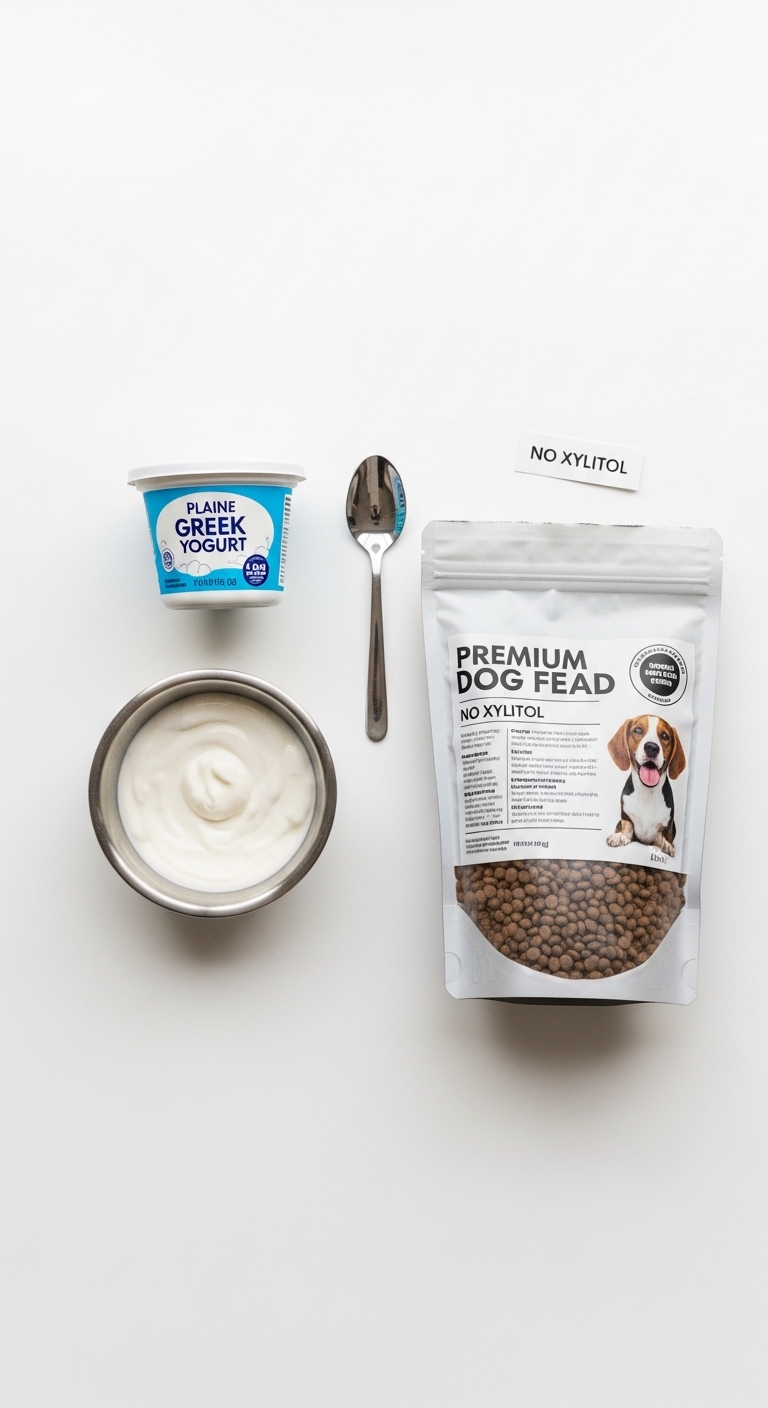
Many pet owners don’t realize that even plain yogurt can cause problems if given in large quantities. I once met a dog owner who fed their pup a whole cup of yogurt daily, thinking it was a healthy treat. Within a week, the dog developed loose stools and seemed lethargic. After cutting back to just a tablespoon or two, the issues resolved. It’s a good reminder that moderation is key, even with healthy foods.
Daily Care Habits
Mixing a spoonful of plain Greek yogurt into your dog’s kibble can make meals more appealing, especially for picky eaters. It’s also a great way to administer medication if your dog is stubborn about taking pills. Just stir the yogurt into their food along with the pill, and most dogs will gobble it up without noticing. Another simple habit is using yogurt as a training treat. Since it’s soft and easy to swallow, it’s perfect for quick rewards during obedience practice.
Safety and Comfort
Always serve yogurt at room temperature or slightly chilled to avoid shocking your dog’s digestive system with extreme cold. If your dog has never had dairy before, start with just a teaspoon to test their tolerance. Watch for signs of discomfort like excessive gas, bloating, or diarrhea in the hours after eating. If any of these occur, it’s best to avoid yogurt in the future. Also, be mindful of where you store the yogurt: keep it sealed and refrigerated to prevent spoilage, which can cause food poisoning in dogs just like it can in humans.
Common Mistakes to Avoid
One of the biggest mistakes is assuming all yogurts are safe for dogs. Flavored yogurts, even those marketed as “natural,” often contain additives that can be harmful. Another error is giving yogurt to dogs with known dairy sensitivities, which can lead to chronic skin issues or digestive problems. Some owners also overlook portion sizes, thinking that because yogurt is healthy, more is always better. Overfeeding can lead to weight gain or stomach upset, so stick to the recommended serving sizes based on your dog’s size.
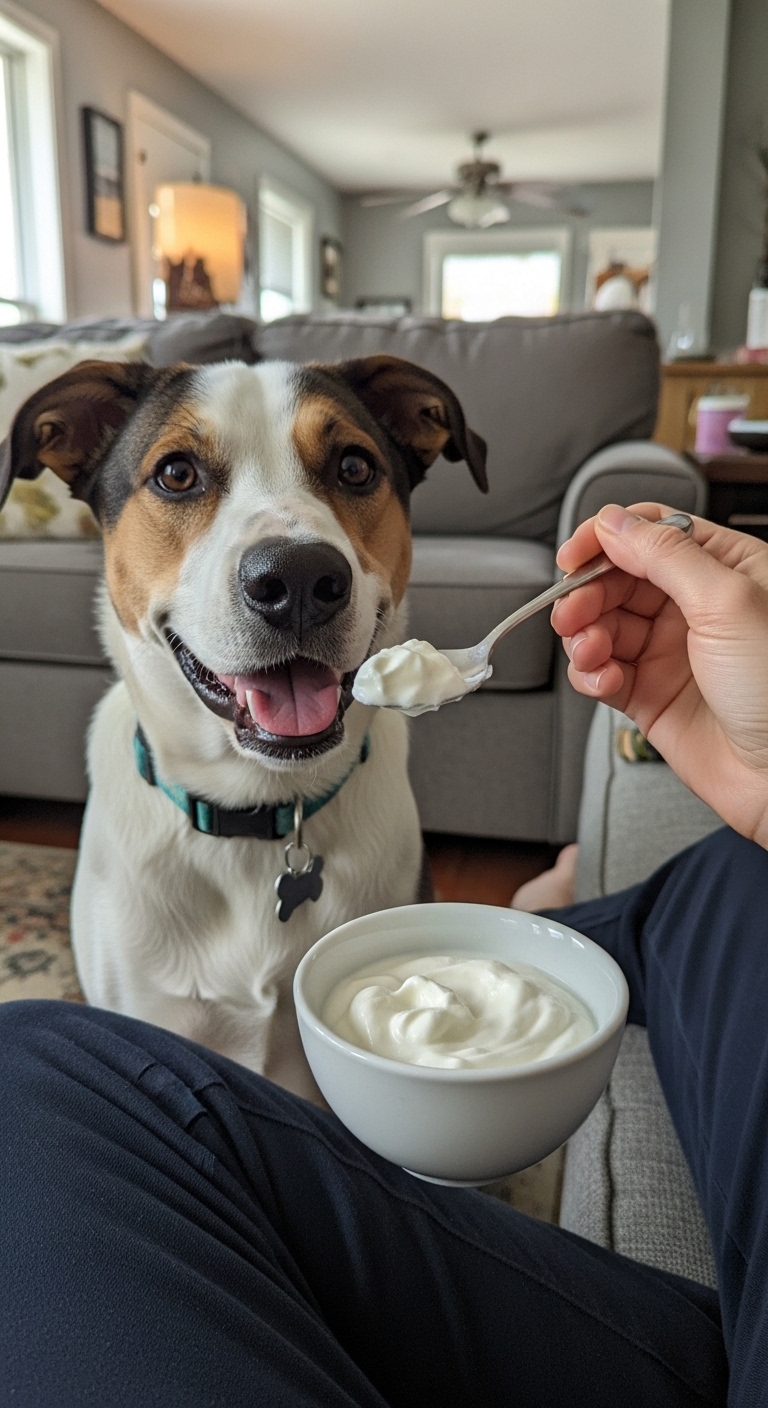
Greek yogurt can be a nutritious addition to your dog’s diet when chosen and served carefully. Always prioritize their health by selecting the right type and monitoring their reaction.
Frequently Asked Questions
- → Can dogs eat Greek yogurt every day?
Yes, but in moderation. Small amounts (1-2 teaspoons for small dogs, 1-2 tablespoons for larger breeds) a few times a week are generally safe. Overfeeding can cause digestive issues or weight gain due to lactose or fat content.
- → What type of Greek yogurt is best for dogs?
Plain, unsweetened, and non-fat or low-fat Greek yogurt is ideal. Avoid yogurts with artificial sweeteners, added sugars, or xylitol, as these are toxic to dogs. Always check the ingredient list for harmful additives.
- → How much Greek yogurt can I give my dog?
Start with a small amount (½ teaspoon for small dogs, 1 teaspoon for medium dogs, 1 tablespoon for large dogs) to test tolerance. Gradually increase if your dog tolerates it well, but never exceed 10% of their daily caloric intake.
- → Are there risks to feeding dogs Greek yogurt?
Potential risks include lactose intolerance (leading to diarrhea or gas), weight gain from excess fat, or allergic reactions. Dogs with diabetes or pancreatitis should avoid it due to sugar or fat content. Always introduce new foods slowly and monitor for adverse reactions.
- → Can puppies eat Greek yogurt?
Yes, but in very small amounts and only if they tolerate dairy well. Puppies have sensitive digestive systems, so introduce Greek yogurt gradually and watch for signs of discomfort like bloating or loose stools. Consult your vet before adding it to their diet.
- → What are the benefits of Greek yogurt for dogs?
Greek yogurt provides protein, calcium, and probiotics that support muscle health, bone strength, and gut health. The live cultures can aid digestion and boost immunity, making it a nutritious occasional treat for healthy dogs.