Can dogs eat cucumber? It’s a question many pet owners ask, especially when looking for healthy, low-calorie snacks to share with their furry friends. Cucumbers are a crunchy, hydrating option that seems harmless at first glance, but not all human foods are safe for dogs. Knowing what’s safe and what’s not can make a big difference in your dog’s health and happiness.
I remember the first time I gave my own dog a cucumber slice: she sniffed it, took one tiny bite, and then just stared at me like I’d betrayed her. Turns out, not every dog is a fan, and that’s okay. It taught me to introduce new foods slowly and pay attention to their reactions.
Key Things to Understand
- Safety in moderation: Cucumbers are safe for most dogs in moderation, but they should never replace a balanced diet
- Size matters: Small pieces are crucial to prevent choking, especially for small or toy breeds
- Preparation: Remove the seeds and peel if possible, as they can be harder to digest and may cause mild stomach upset
- Gradual introduction: Introduce cucumbers gradually to monitor for any allergic reactions or digestive issues
- Avoid seasonings: Avoid seasoned or pickled cucumbers, which contain harmful ingredients like salt, garlic, or onions
- Digestive sensitivity: Some dogs may have trouble digesting cucumbers, leading to gas or loose stools
What to Look For
When offering cucumbers to your dog, pay attention to their reaction in the first few hours. A healthy dog will usually eat the cucumber without hesitation, but if they sniff it and walk away, don’t force it. Watch for signs of discomfort like excessive drooling, vomiting, or diarrhea, which could mean the cucumber isn’t agreeing with them. If you notice any of these, it’s best to avoid giving it to them in the future.
Texture matters too. A crunchy cucumber can be a great dental exercise for some dogs, but for others, especially those with sensitive teeth or older dogs, it might be too hard. If your dog struggles to chew it, try slicing it thinner or steaming it lightly to soften it. Always supervise your dog while they’re eating cucumber to ensure they’re chewing properly and not gulping it down whole.
I once had a client whose dog loved cucumbers a little too much: she’d sneak them off the counter whenever she could. It led to some messy accidents indoors because the extra water content in the cucumbers made her need to go out more frequently. It was a good reminder that even healthy treats should be given in moderation.
Serving cucumbers the right way
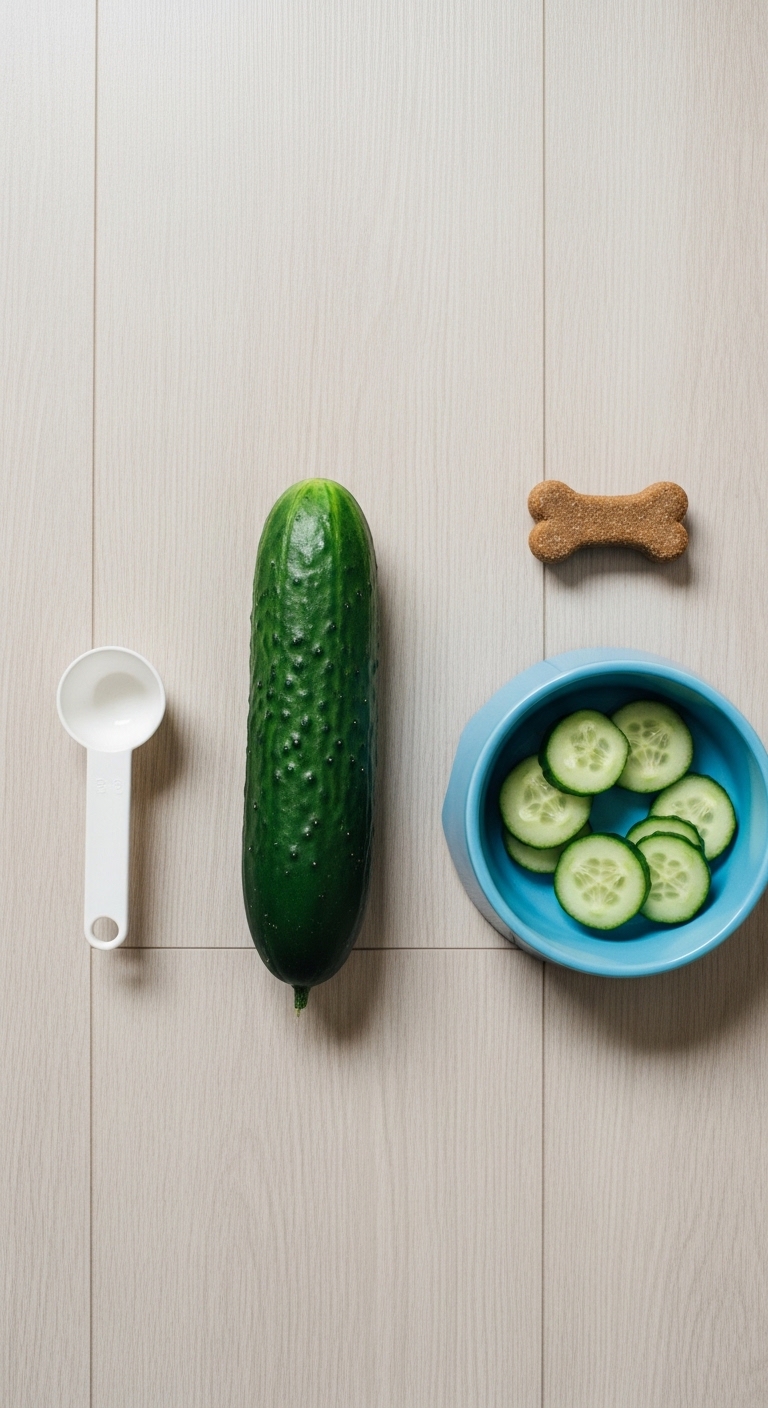
If you’re introducing cucumbers to your dog for the first time, start with a small, thin slice. This lets you observe their reaction without overwhelming their system. You can serve them plain, chilled, or even frozen for a refreshing summer treat. Just make sure there are no added seasonings, oils, or dressings that could upset their stomach.
For dogs who love the crunch, cucumber slices can be a great training tool or a way to keep them occupied during a long car ride. You can even freeze them into a Kong toy for a fun, interactive snack. If your dog is a fast eater, try cutting the cucumber into smaller, bite-sized pieces to slow them down and reduce the risk of choking.

When cucumbers aren’t the best choice
While cucumbers are generally safe, they’re not ideal for every dog. Dogs with a history of digestive issues, such as irritable bowel syndrome or frequent bouts of diarrhea, might not tolerate them well. Similarly, dogs with diabetes should avoid cucumbers due to their natural sugar content, even though it’s minimal. Always consult your vet if you’re unsure whether cucumbers are a good fit for your dog’s diet.
Another thing to watch for is the size of your dog. Tiny breeds like Chihuahuas or Yorkies can struggle with larger pieces of cucumber, so it’s best to cut them into very small, manageable chunks. If your dog is prone to gobbling down food without chewing, cucumbers might not be the best snack choice. In these cases, softer fruits like bananas or melon might be a safer alternative.
Cucumbers can be a refreshing, low-calorie treat for many dogs, but always prioritize your pet’s individual needs and preferences. When in doubt, consult your vet.
Frequently Asked Questions
- → Can dogs eat cucumber peels?
Yes, dogs can eat cucumber peels, but it's best to wash them thoroughly first to remove pesticides or dirt. The peel contains fiber and nutrients, but some dogs may prefer peeled cucumber for easier digestion.
- → How much cucumber can I give my dog?
Start with small amounts, such as a few thin slices, and observe your dog for any adverse reactions. Cucumber should only make up a small portion of their diet—about 10% or less of their daily food intake—to avoid digestive issues.
- → Is cucumber good for overweight dogs?
Yes, cucumber is an excellent low-calorie snack for overweight dogs due to its high water content and minimal calories. It can help them feel full without adding excess calories to their diet.
- → Can puppies eat cucumber?
Puppies can eat cucumber in small, manageable pieces, but always introduce new foods gradually. Ensure the pieces are soft and easy to chew to prevent choking. Consult your vet before adding cucumber to a puppy’s diet.
- → What are the signs of cucumber allergy in dogs?
Signs of an allergic reaction may include itching, swelling, vomiting, or diarrhea. If you notice any of these symptoms after feeding cucumber, discontinue use and consult your veterinarian immediately.
- → Can dogs with kidney issues eat cucumber?
Cucumber is generally safe for dogs with kidney issues due to its low oxalate content, but moderation is key. Always consult your vet before introducing new foods to a dog with health conditions to ensure it aligns with their dietary needs.