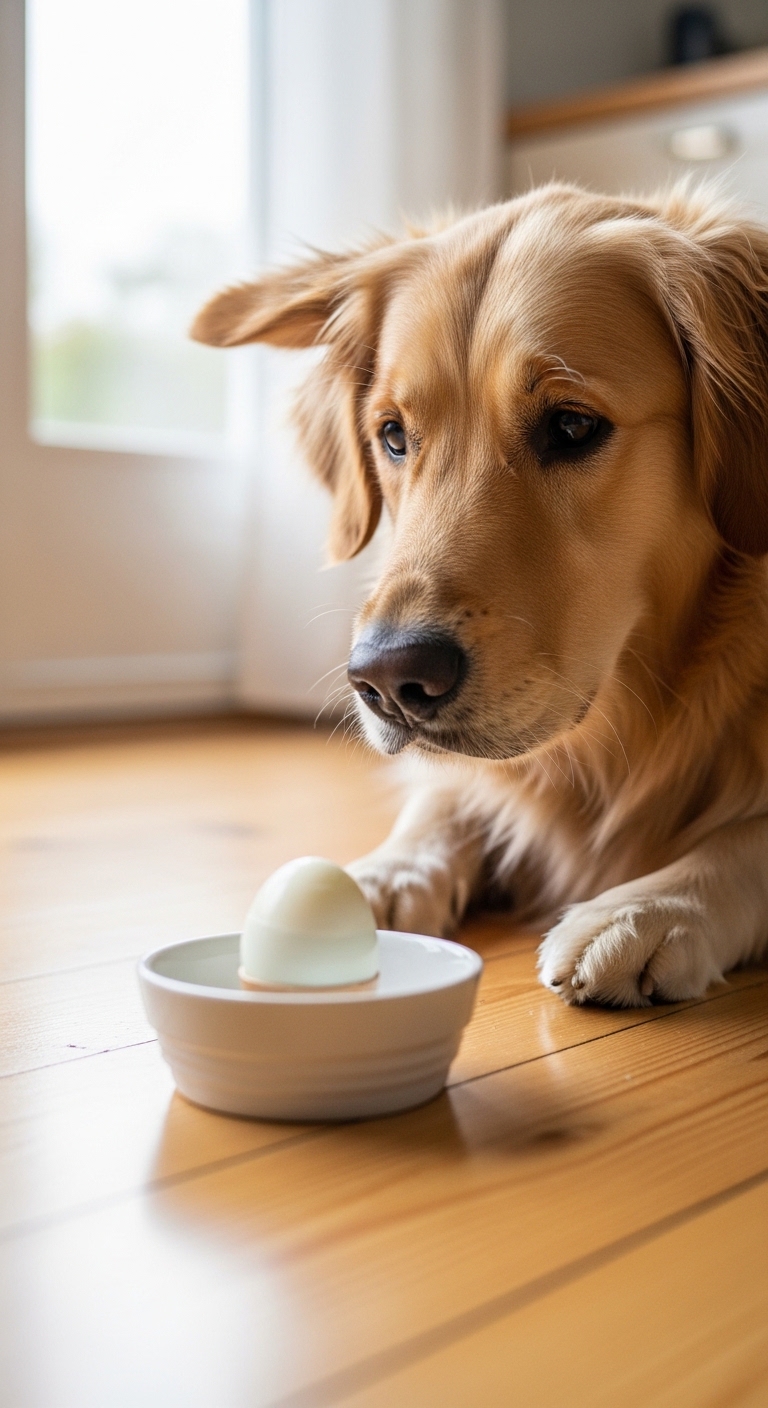
What vegetables can dogs eat isn’t just a random question: it’s a practical one that comes up when you’re standing in the kitchen, chopping veggies for your own meal, and your dog gives you that hopeful look. Knowing which vegetables are safe for dogs can turn those hopeful glances into healthy treats instead of risky mistakes. It’s especially useful if you’re trying to add variety to their diet or avoid fillers in commercial dog food. Plus, some vegetables can even help with digestion or provide extra nutrients that support their energy and coat health.
I remember the first time I gave my dog a piece of cooked carrot: she gnawed on it like it was a chew toy, tail wagging the whole time. It felt good to give her something fresh and crunchy, and knowing it was safe made it even better.
Key Things to Understand
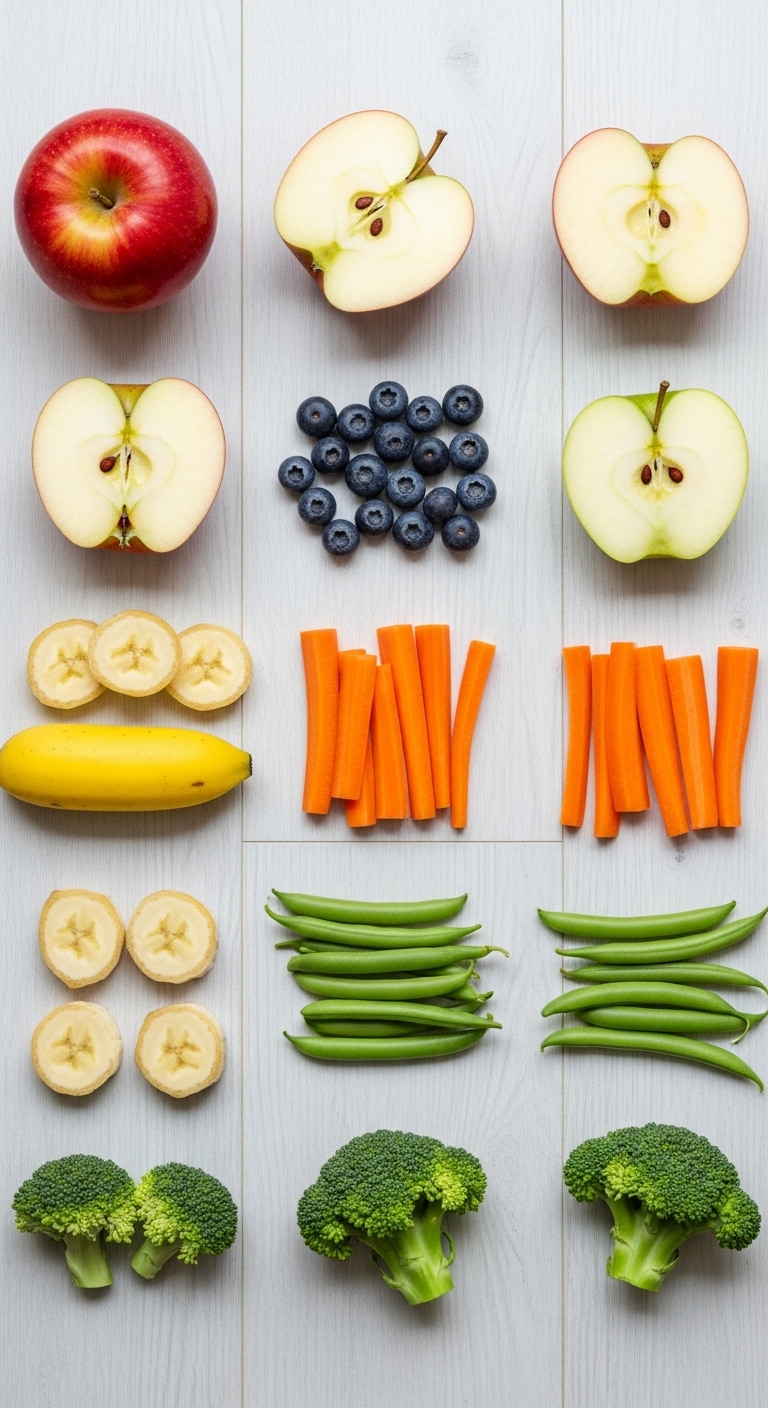
- Carrots: are safe for dogs and can help clean their teeth while they chew
- Green beans: are a great low-calorie snack that’s high in fiber and vitamins
- Sweet potatoes: should always be cooked and served plain without any seasoning
- Zucchini: is safe in moderation and can be a good source of hydration
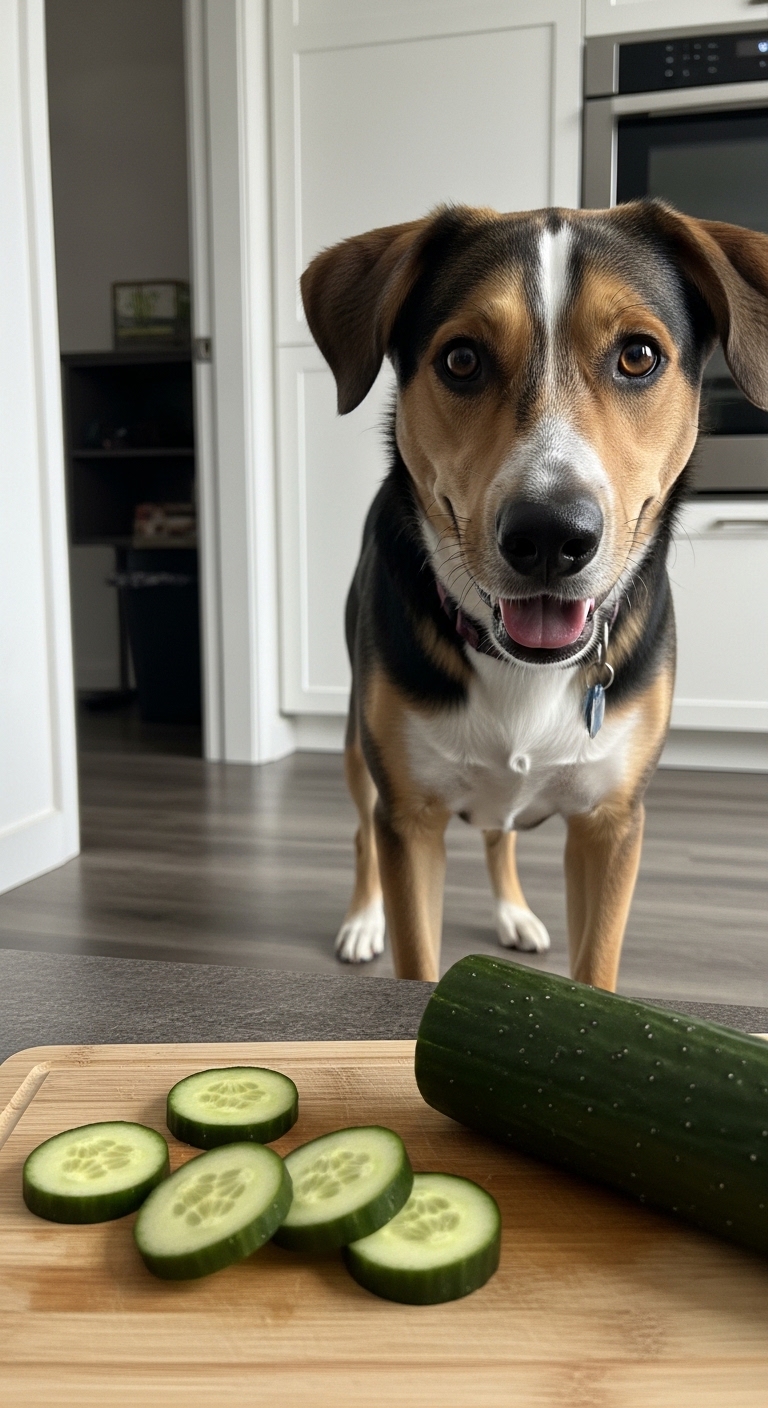
- Cucumbers: are safe and refreshing, especially for dogs who need a hydrating treat
- Broccoli: should only be given in small amounts because the florets can cause digestive upset
What to Look For
When you’re picking vegetables for your dog, focus on ones that are soft enough to chew but still hold their shape. Avoid anything too hard that could pose a choking hazard, especially for smaller breeds. Look for fresh vegetables without any signs of mold or wilting, since spoiled produce can cause stomach issues. If you’re introducing a new vegetable, watch your dog’s reaction closely for the first few times. Some dogs might have sensitivities even to safe vegetables, so start with small pieces and observe how they digest it. Also, pay attention to how the vegetable is prepared: raw, steamed, or boiled can make a big difference in digestibility and safety.
I once saw a friend give their dog a whole raw potato because they thought it was safe. Within hours, the dog was lethargic and vomiting. It was a hard lesson that even “natural” foods can be dangerous if you don’t know the details. Always double-check before sharing human food with your pet.
Daily Care Habits
Adding a small amount of cooked vegetables to your dog’s regular meals can boost their nutrient intake without overhauling their diet. Try mixing in a spoonful of steamed carrots or green beans with their kibble a few times a week. This is an easy way to add fiber and vitamins while keeping their meals interesting. Just make sure the vegetables are plain and free of any oils, salt, or seasonings that could upset their stomach.
Choosing the Right Product
If you’re buying pre-made vegetable treats for your dog, check the ingredient list for fillers like wheat or artificial additives. Look for products that list a single vegetable as the main ingredient, such as sweet potato or pumpkin. Avoid anything with added sugars or preservatives, as these can contribute to weight gain and long-term health issues. Smaller packages are great for testing new flavors without committing to a large bag.
Safety and Comfort
Always cut vegetables into bite-sized pieces to prevent choking, especially for small dogs or puppies. Avoid giving whole cherry tomatoes or large chunks of hard vegetables like raw carrots. If your dog is new to vegetables, start with softer options like cucumber or zucchini to make the transition easier. Watch for signs of discomfort like gas, bloating, or diarrhea, which could mean the vegetable doesn’t agree with them.
Cleaning and Hygiene
Wash all vegetables thoroughly before serving to remove pesticides, dirt, or bacteria that could make your dog sick. Peeling vegetables like carrots or sweet potatoes can reduce the risk of pesticide residue. Store any unused portions in the fridge and use them within a few days to prevent spoilage. If you’re preparing vegetables in bulk, freeze small portions for easy, quick treats later.
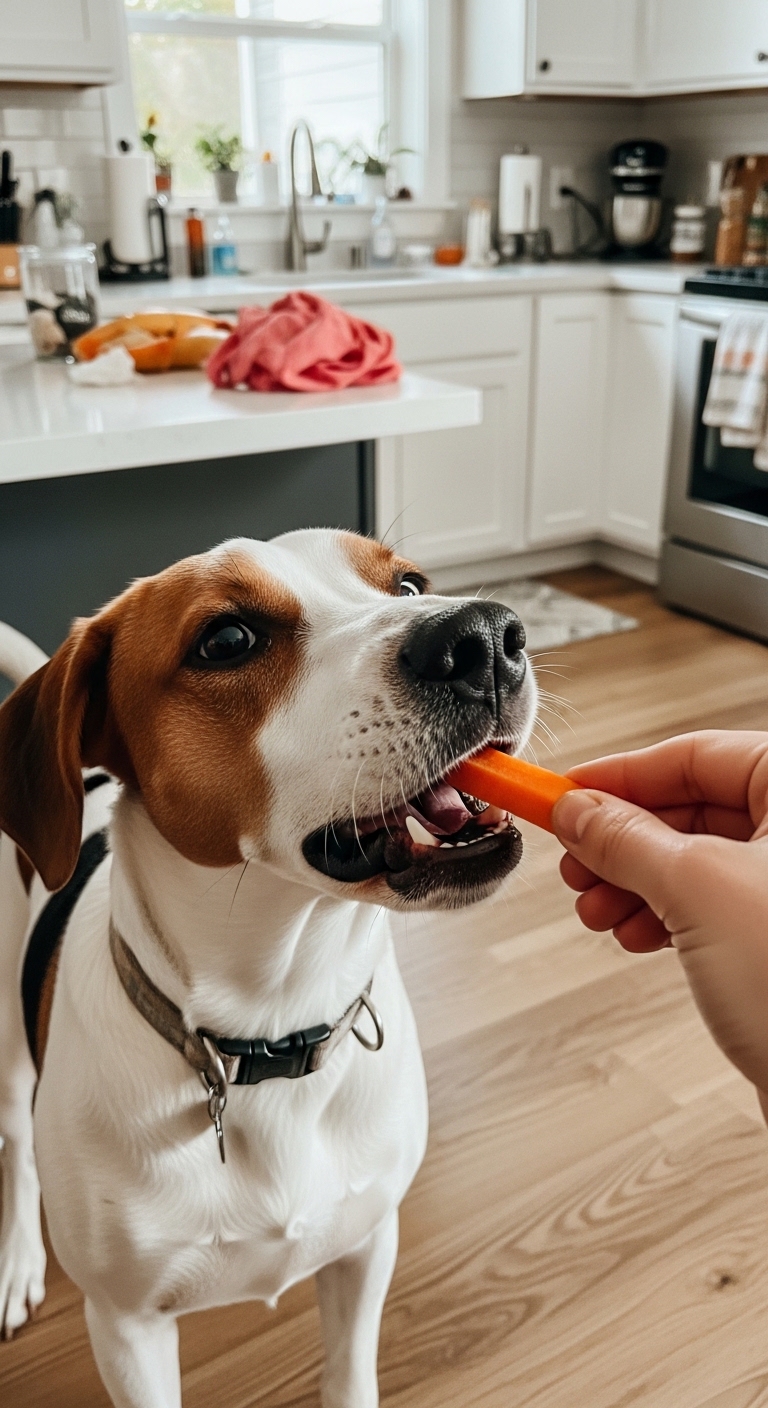
Sharing vegetables with your dog can be a simple way to bond while keeping them healthy. Just remember: not all human foods are safe, so always verify before you share.
Frequently Asked Questions
- → Which vegetables are safe for dogs to eat?
Dogs can safely eat carrots, green beans, sweet potatoes, cucumbers, and zucchini. These vegetables are low in calories and high in fiber and vitamins.
- → Can dogs eat raw vegetables?
Yes, many dogs can eat raw vegetables like carrots or cucumbers. However, cooking or steaming can make them easier to digest for some dogs.
- → Are there vegetables dogs should avoid?
Yes, avoid onions, garlic, mushrooms, and raw potatoes. These can be toxic or cause digestive issues in dogs.
- → How should I introduce vegetables to my dog’s diet?
Start with small amounts and observe your dog for any adverse reactions. Introduce one vegetable at a time to monitor tolerance.
- → Can vegetables replace meat in a dog’s diet?
No, vegetables should complement, not replace, a balanced diet of protein and fats. Consult your vet for dietary advice tailored to your dog.
- → Are cooked vegetables better for dogs?
Cooking can make some vegetables easier to digest, especially for older dogs or those with dental issues. However, raw vegetables can also be beneficial.