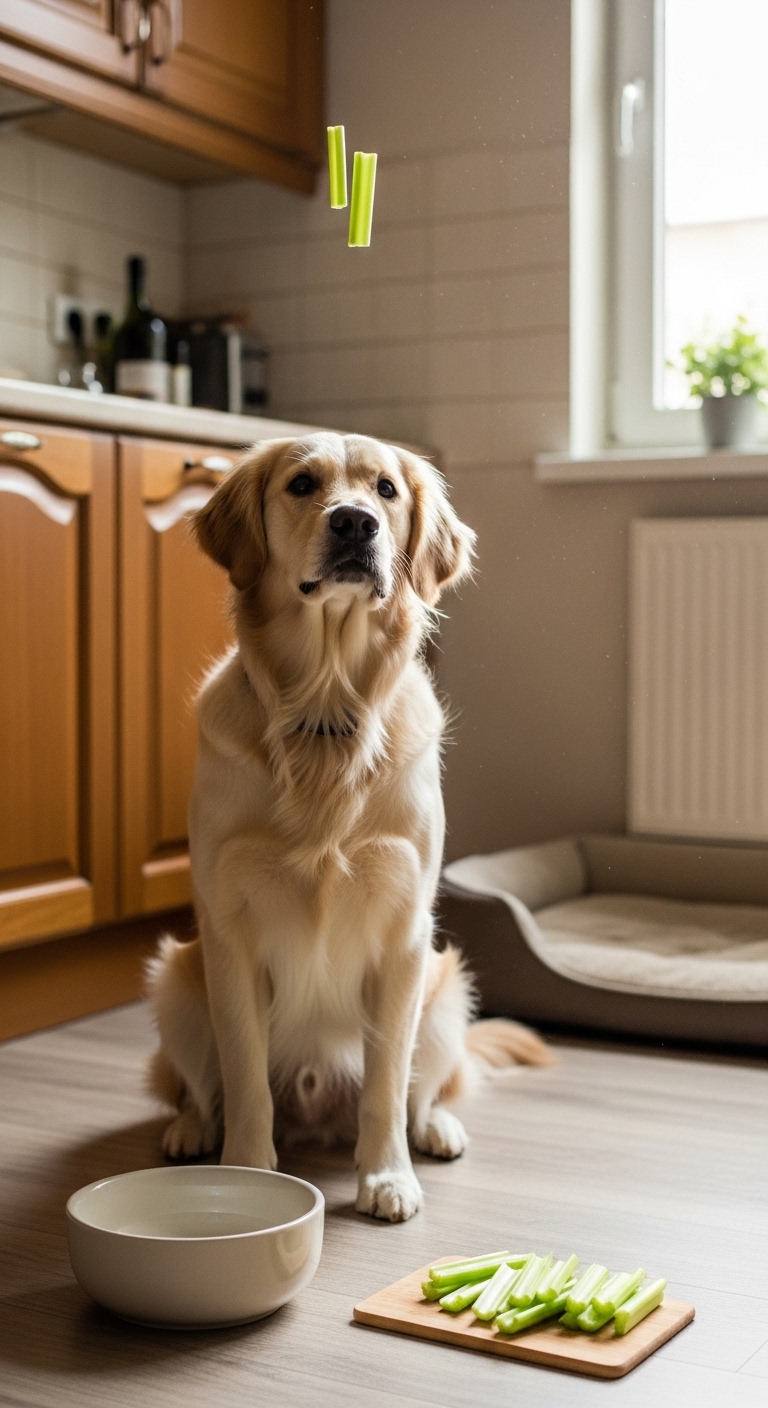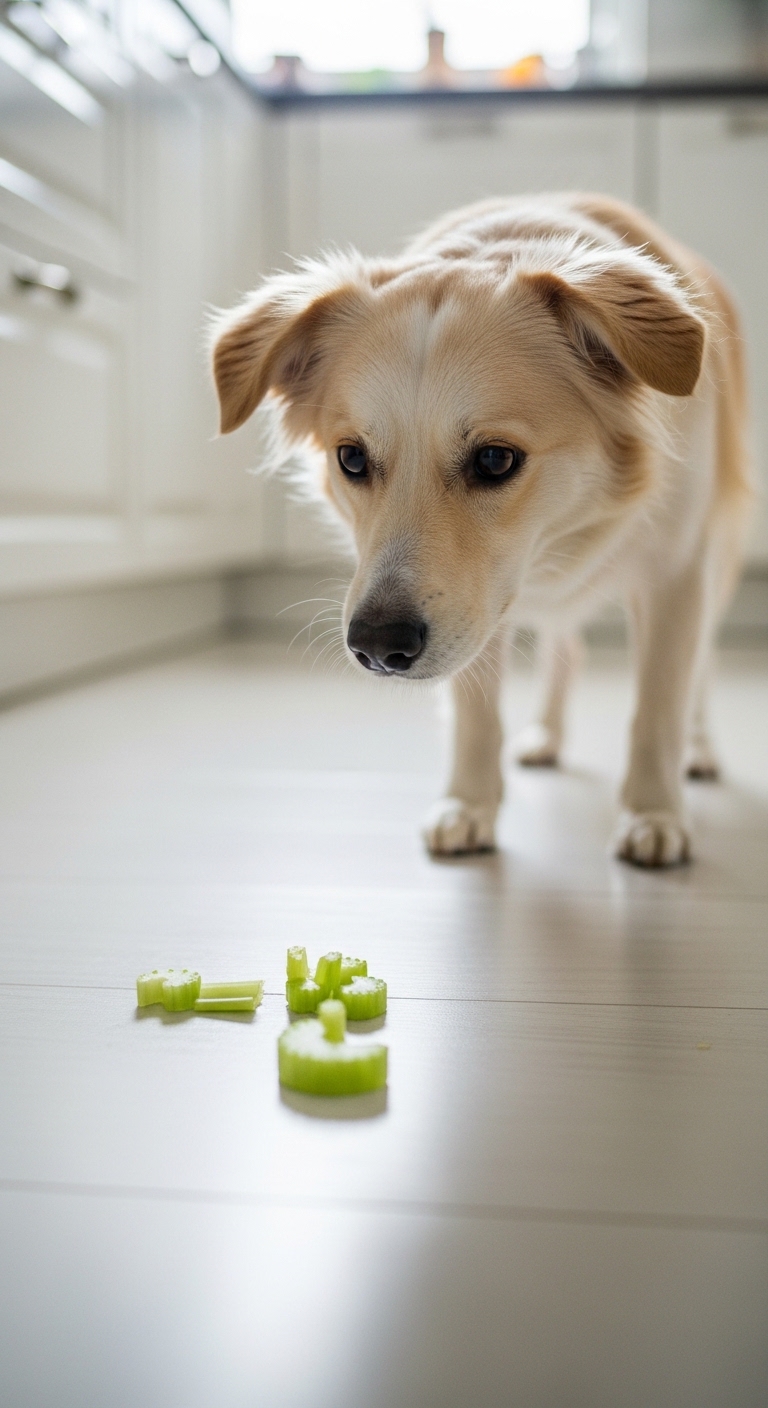
Can dogs eat shrimp? It’s a question many pet owners ask, especially when preparing seafood at home. Shrimp is a lean protein that can be a healthy treat for dogs in moderation, but there are important details to consider before sharing it with your pup. Knowing the right way to serve shrimp can make a big difference in your dog’s diet and overall well-being.
I’ve seen dogs enjoy shrimp as a reward during training, and it’s always satisfying to see them wag their tails over something simple and tasty.
Key Things to Understand
- Safety in moderation: Shrimp is safe for dogs in small amounts but should never be a staple in their diet.
- Nutritional benefits: It’s high in protein and low in fat, making it a good option for dogs with weight concerns.
- Preparation: Always remove the shell, tail, and head before serving, as these parts can pose a choking hazard or cause digestive issues.
- Cooking requirement: Cooked shrimp is the only safe option; raw shrimp may contain harmful bacteria like salmonella.
- Avoid seasonings: Never use garlic, onions, or excessive salt, as these ingredients are toxic to dogs.
- Allergy check: Start with a small piece to check for allergies or sensitivities before offering more.
What to Look For
When introducing shrimp to your dog, pay attention to how they react. Some dogs may have allergies, so watch for signs like itching, swelling, or digestive upset after eating it. The texture of the shrimp should be soft and easy to chew, especially for smaller dogs or senior pets. If you’re serving shrimp as a treat, keep portions tiny—think of it as a small reward rather than a meal. Also, check the shrimp for any additives or preservatives if you’re buying pre-cooked varieties, as these can be harmful to dogs.
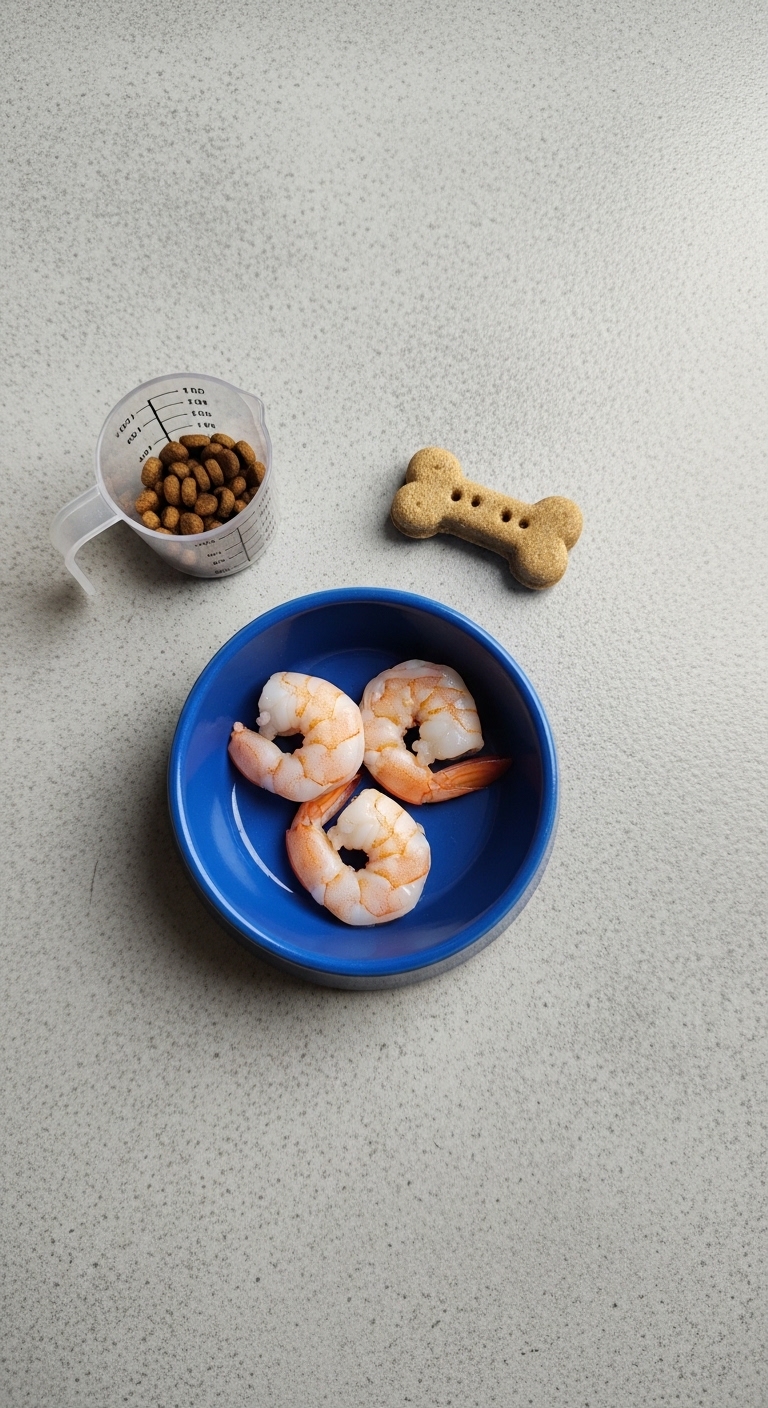
I once gave my neighbor’s dog a piece of shrimp without realizing it was seasoned with garlic. Within hours, the dog was lethargic and refused food. It was a good reminder to always double-check ingredients before sharing human food with pets.
Feeding shrimp to dogs with health conditions
If your dog has kidney issues or a sensitive stomach, shrimp should be given with extra caution. The high phosphorus in shrimp can be hard on the kidneys over time, so it’s best to consult your vet before adding it to their diet. Dogs with food allergies may also react poorly to shrimp, so introduce it slowly and watch for any adverse effects.
How to prepare shrimp for your dog
Boiling or steaming shrimp without any seasoning is the safest way to prepare it. Avoid frying or using oils, as these can add unnecessary fats that may upset your dog’s stomach. Once cooked, let the shrimp cool completely before cutting it into small, bite-sized pieces. This makes it easier for your dog to eat and reduces the risk of choking.

Alternatives to shrimp for dogs
If you’re unsure about shrimp or your dog doesn’t tolerate it well, there are other protein sources you can try. Plain cooked chicken, turkey, or salmon are all great alternatives that provide similar nutritional benefits without the risks associated with shellfish. Always introduce new proteins one at a time to avoid overwhelming your dog’s digestive system.
Shrimp can be a tasty and nutritious treat for dogs when given in the right way. The key is moderation, proper preparation, and paying attention to your dog’s individual needs.
Frequently Asked Questions
- → Is shrimp safe for all dogs?
Most dogs can safely eat shrimp in moderation, but always introduce it gradually. Some dogs may have shellfish allergies, so watch for signs like itching or digestive upset. Puppies, senior dogs, or those with health conditions should consult a vet first.
- → How should I prepare shrimp for my dog?
Cook shrimp thoroughly without any seasoning, oil, or butter. Remove the shell, tail, and veins to prevent choking hazards. Serve plain, boiled, or steamed shrimp in small, bite-sized pieces as an occasional treat.
- → Can dogs eat shrimp shells?
No, shrimp shells are tough and can pose a choking risk or cause intestinal blockages. Always peel shrimp completely before serving to your dog. The shell also contains high levels of chitin, which is difficult for dogs to digest.
- → How much shrimp can I give my dog?
Shrimp should only make up a small portion of your dog’s diet—about 10% or less of their daily food intake. For a medium-sized dog, 1-2 small shrimp pieces (about 10-15g) per week is a safe serving size. Adjust based on your dog’s size and dietary needs.
- → What are the risks of feeding shrimp to dogs?
Risks include allergic reactions, digestive upset, or pancreatitis from high fat content if seasoned or fried. Raw shrimp may carry bacteria like salmonella or parasites, which can harm your dog. Always cook shrimp plain and monitor your pet after feeding for adverse reactions.
- → Can dogs eat shrimp tails?
No, shrimp tails are a choking hazard and can cause intestinal blockages. Always remove the tail before serving shrimp to your dog. The tail is tough and indigestible, posing risks even in small pieces.