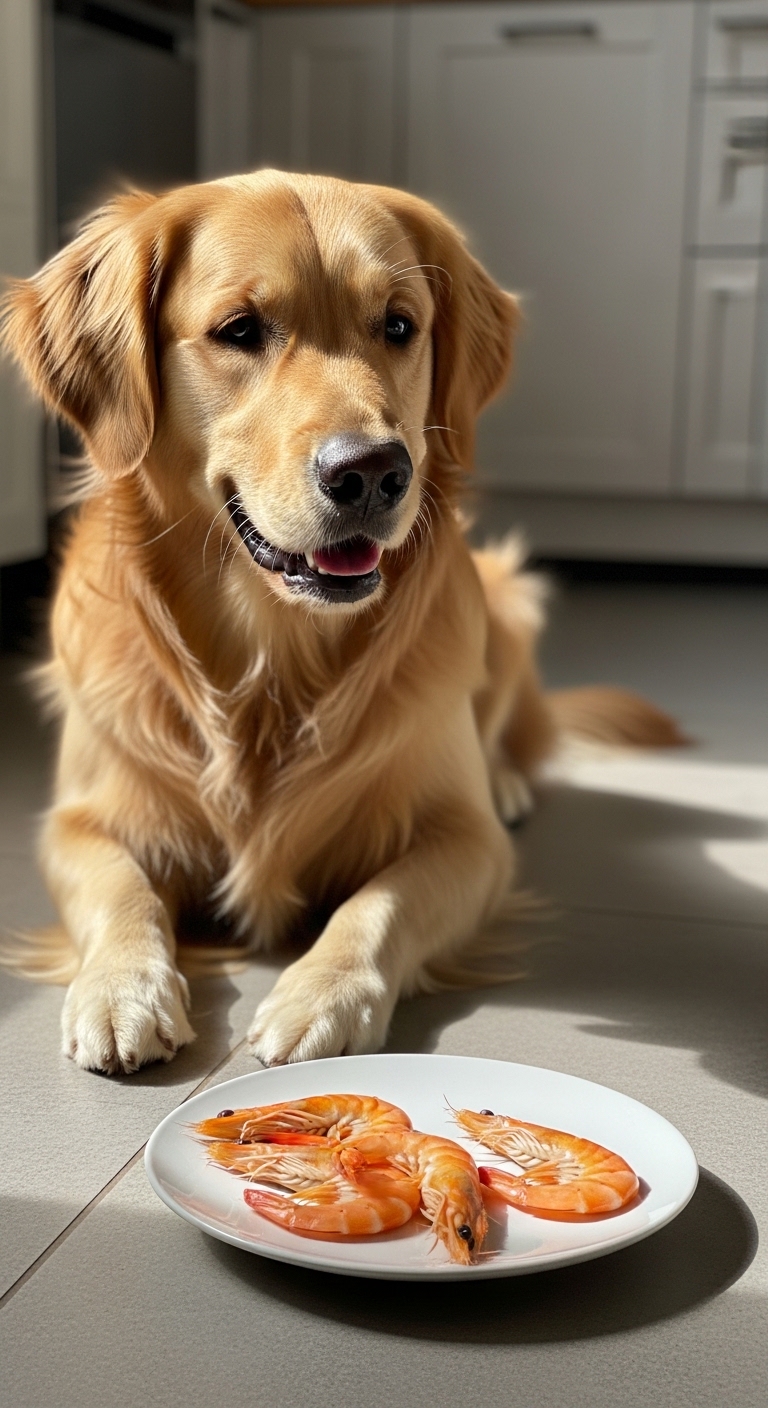
Can dogs eat celery? It’s a question many pet owners ask when looking for healthy, crunchy snacks to share with their furry friends. Celery is often praised for its low-calorie, vitamin-packed benefits in human diets, but is it safe for dogs too? The good news is that celery can be a great occasional treat for dogs when prepared correctly. It’s packed with fiber, vitamins A, C, and K, and can even help freshen their breath. However, there are a few things to keep in mind before handing over a stalk.
I remember the first time I gave my dog a piece of celery, I was nervous about the stringy parts, so I chopped it into tiny pieces. Watching him crunch away happily made me realize how simple it can be to add variety to his treats while keeping it safe.
Key Things to Understand
- Celery is safe for dogs in moderation: but should never replace their regular diet.
- The stringy fibers in celery can pose a choking hazard: so always cut it into small, manageable pieces.
- Introduce celery slowly: to see how your dog reacts, especially if they have a sensitive stomach.
- Avoid adding any seasonings, salt, or butter: to celery when giving it to your dog.
- Too much celery can cause stomach upset or diarrhea: due to its high fiber content.
What to Look For
When introducing celery to your dog, pay attention to how they chew and swallow. Small dogs or puppies may struggle with larger pieces, so cutting the stalks into bite-sized chunks is essential. Watch for signs of excitement or hesitation: some dogs take to new foods instantly, while others need time to adjust. If your dog has never had celery before, start with a tiny piece and observe their reaction over the next 24 hours. Look for any changes in energy levels, appetite, or bathroom habits, as these could indicate whether celery agrees with them. Also, check the freshness of the celery. Wilted or limp stalks can be tougher to chew and may not appeal to your dog. Fresh, crisp celery is easier for them to eat and more enjoyable. If you notice your dog avoiding the treat or showing discomfort while eating, it might be a sign they don’t like the texture or taste.
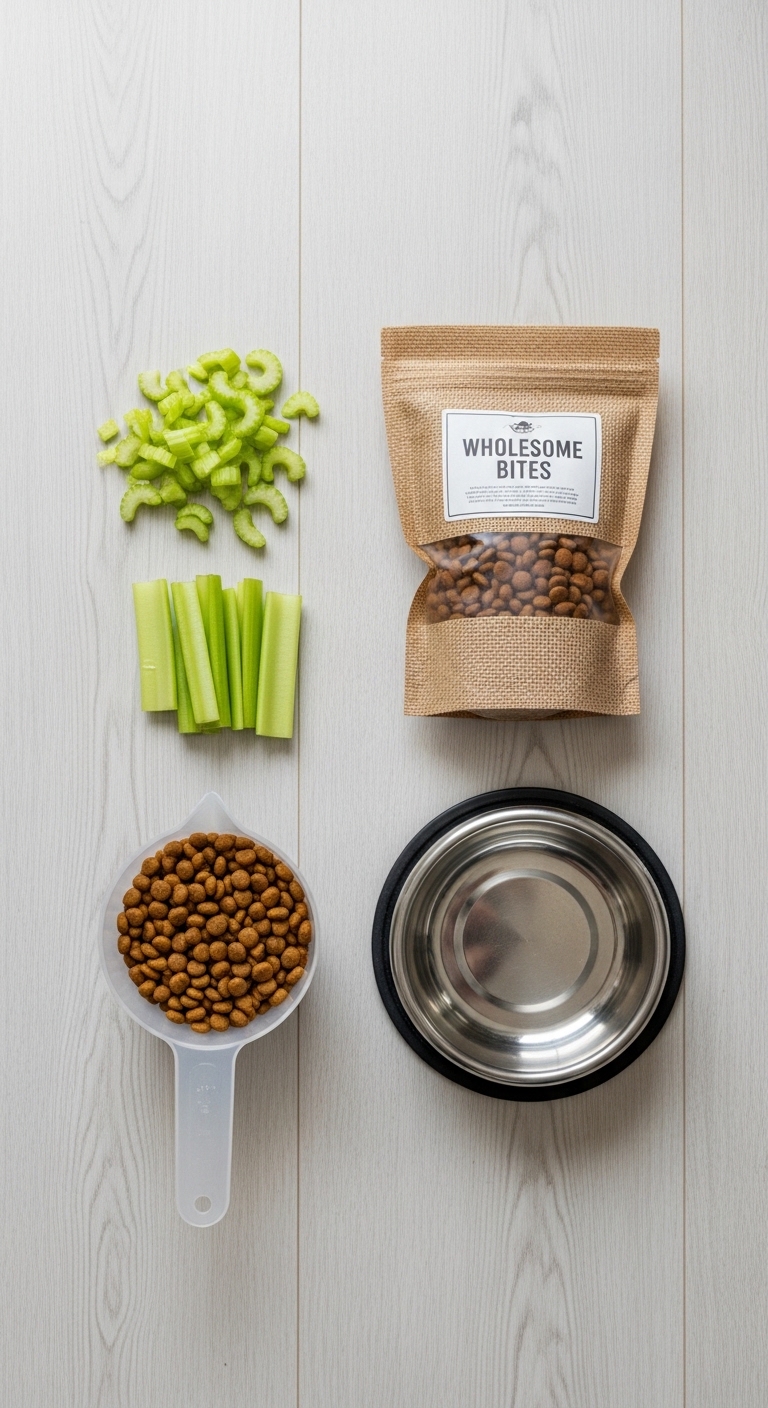
A common mistake is assuming all dogs will love celery just because it’s healthy. Some dogs turn their noses up at it entirely, while others gobble it down without hesitation. Another thing to watch for is overfeeding: too much celery at once can lead to an upset stomach, so think of it as an occasional snack rather than a daily treat. If you’re unsure, a small piece is always the safest way to start.
Serving Suggestions
If your dog enjoys celery, try mixing small pieces into their regular food as a crunchy topper. You can also freeze tiny celery chunks for a refreshing summer treat, especially on hot days. Some dogs love the extra texture, while others might ignore it: just like with any new food, patience is key.
Signs of Trouble
If your dog shows signs of vomiting, diarrhea, or excessive gas after eating celery, it’s best to avoid giving it to them in the future. These reactions aren’t always immediate, so keep an eye on them for a day or two after the first few tries. Severe symptoms like lethargy or difficulty breathing require a vet visit right away.

Celery can be a fun, healthy addition to your dog’s treat rotation when served safely. Always prioritize moderation and observation to ensure it’s the right fit for your pet.
Frequently Asked Questions
- → Is celery safe for all dogs?
Celery is safe for most dogs when served in moderation. However, dogs with certain health conditions, such as kidney disease or a history of bladder stones, should avoid it due to its oxalate content. Always consult your vet before introducing new foods.
- → How should I prepare celery for my dog?
Wash the celery thoroughly to remove pesticides or dirt. Cut it into small, bite-sized pieces to prevent choking. Remove any tough strings along the stalk for easier digestion. Serve it raw or lightly steamed without added salt or seasoning.
- → Can celery help with my dog’s dental health?
The crunchy texture of celery can help scrape off plaque and tartar as your dog chews, promoting better oral hygiene. It’s not a substitute for regular teeth brushing but can be a natural supplement to your dog’s dental care routine.
- → How much celery can I give my dog?
Start with a small piece, about the size of a treat, to see how your dog reacts. For medium to large dogs, a few small stalks per day are typically safe. For smaller breeds, limit portions to avoid digestive issues. Overfeeding can lead to gas or an upset stomach.
- → What are the signs of celery allergy in dogs?
Signs of an allergic reaction may include itching, swelling, hives, vomiting, or diarrhea. If you notice any of these symptoms after feeding celery, discontinue use and consult your veterinarian immediately. Allergies to celery are rare but possible in some dogs.
- → Can puppies eat celery?
Puppies can eat celery in very small, finely chopped pieces, but it should not be a regular part of their diet. Their digestive systems are still developing, so introduce new foods cautiously. Always supervise your puppy while they eat celery to prevent choking.