
Can dogs have cranberries? It’s a question many pet owners ask when looking for healthy treats or ways to boost their dog’s diet. Cranberries are often praised for their antioxidants and potential health benefits, but are they safe for dogs? The answer isn’t as simple as yes or no: it depends on how you serve them. Understanding the right way to include cranberries can make a difference in your dog’s nutrition without risking their health.
I remember the first time I gave my dog a dried cranberry as a treat, only to realize later that sugar was added. It taught me to always check labels, no matter how natural a food seems.
Key Things to Understand
- Cranberries are safe for dogs in moderation: but should never be given in sugary forms like cranberry sauce or sweetened dried cranberries
- Fresh or frozen cranberries are the safest options: because they contain no additives
- Dried cranberries without added sugar: can be an occasional treat but should be given sparingly due to concentrated sugar content
- Cranberry supplements or powders: marketed for pets can be useful but should be used as directed by a vet
- Some dogs may experience mild stomach upset: if they eat too many cranberries at once
What to Look For
When considering cranberries for your dog, pay attention to how they react after eating them. Fresh cranberries are tart and fibrous, so most dogs won’t eat them willingly unless mixed into food. If you’re using dried cranberries, check the ingredient list carefully: anything with added sugar, artificial sweeteners like xylitol, or preservatives should be avoided. Watch for signs of digestive discomfort, such as vomiting or diarrhea, especially if your dog eats a large amount at once. Some pet owners use cranberry supplements to support urinary health, but these should be chosen based on vet recommendations and the specific needs of your dog.
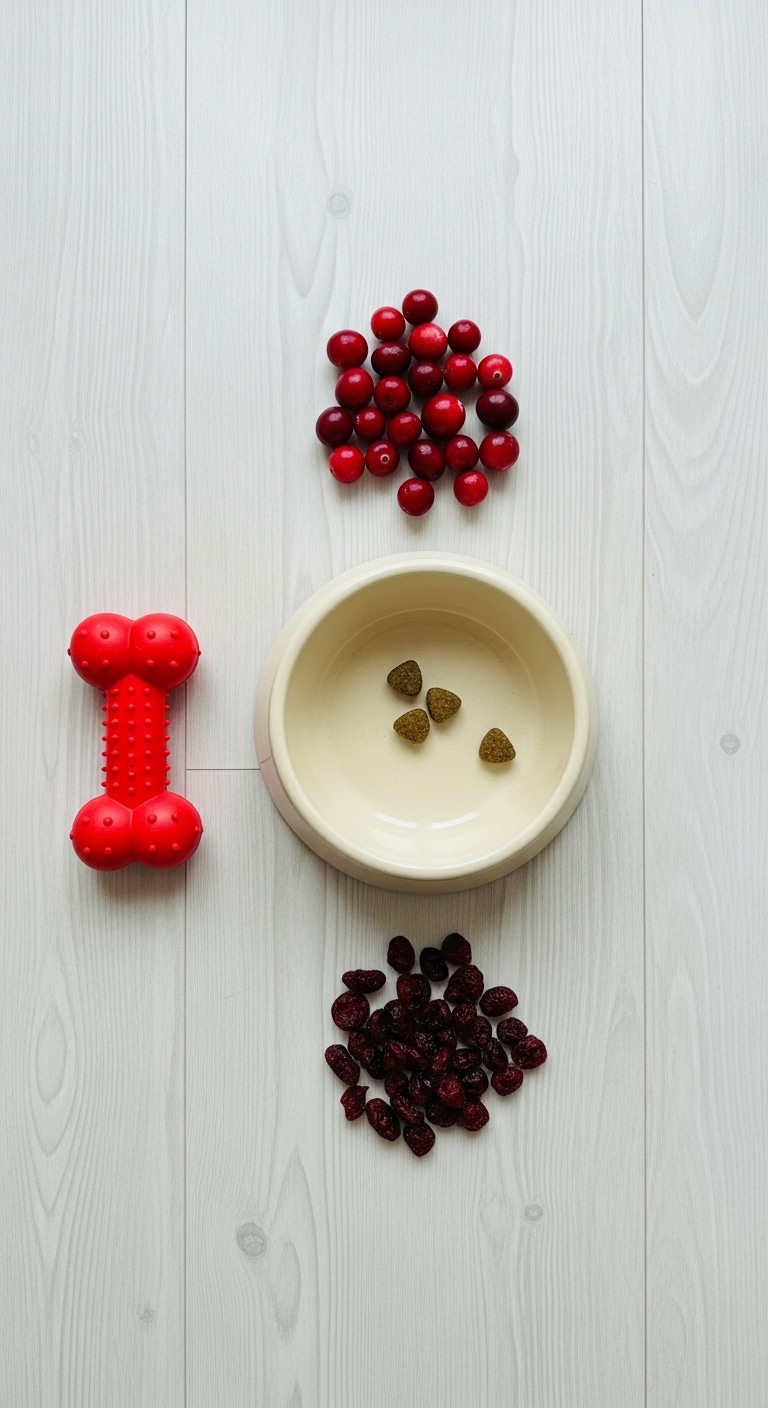
I once saw a dog owner give their pup a whole handful of dried cranberries, thinking they were a healthy snack. The result was a very unhappy stomach and a vet visit. It’s a reminder that even natural foods can cause issues if not given in the right way.
Cranberry supplements for dogs
If you’re considering cranberry supplements, look for products specifically made for pets. These often come in chewable tablets or powders that can be mixed into food. They’re designed to support urinary health without the risk of added sugars or artificial ingredients. Always consult your vet before starting any new supplement, especially if your dog has a history of urinary issues or is on medication.
Signs your dog might benefit from cranberries
Some dogs, particularly those prone to urinary tract issues, may benefit from the occasional cranberry. Signs that your dog could use extra support include frequent urination, straining to urinate, or licking their genital area more than usual. While cranberries aren’t a cure-all, they can be a helpful addition to a balanced diet when used correctly.

Cranberries can be a healthy addition to your dog’s diet when given correctly. Always prioritize safety and moderation.
Frequently Asked Questions
- → Are cranberries safe for all dogs?
Most dogs can safely eat cranberries in moderation, but always introduce them gradually. Dogs with kidney issues, diabetes, or those prone to urinary stones should avoid them due to their oxalate content. Puppies, senior dogs, or those with allergies should also be monitored closely.
- → How should I serve cranberries to my dog?
Offer plain, fresh, or unsweetened dried cranberries in small pieces. Avoid canned or sweetened varieties. You can mix a few into their regular food or use them as a training treat. Cooked cranberries (without sugar) are another option, but avoid sauces or juices.
- → Can dogs eat cranberry sauce or juice?
No, cranberry sauce and juice are unsafe for dogs due to high sugar content, artificial sweeteners (like xylitol), and additives. These can cause digestive upset, obesity, or even toxicity. Stick to plain, fresh, or dried cranberries only.
- → What are the benefits of cranberries for dogs?
Cranberries are rich in antioxidants, which support immune health and reduce inflammation. They may also help prevent urinary tract infections by preventing bacteria from sticking to the bladder wall. The fiber in cranberries can aid digestion, but moderation is key.
- → How much cranberry can I give my dog?
Start with a small amount—about 1-2 fresh or dried cranberries for a small dog, or 4-5 for a larger breed. Too much can cause stomach upset due to the acidity and fiber. Always consult your vet for portion sizes based on your dog’s weight and health.
- → What if my dog eats too many cranberries?
If your dog consumes a large quantity, watch for signs like vomiting, diarrhea, or lethargy. Offer plenty of water and monitor for a few hours. Contact your vet if symptoms persist or if your dog shows signs of distress, such as loss of appetite or unusual behavior.