Can dogs eat olives? It’s a question that pops up when you’re sharing a snack and your pup gives you those big, hopeful eyes. Olives are a common human food, but not everything safe for us is safe for them. Knowing what’s okay to share and what’s not can keep your dog healthy and prevent unnecessary vet visits.
I remember the first time my neighbor’s dog snatched a whole olive off the counter. The vet said it was fine, but it made me realize how little most of us know about these little green (or black) snacks.
Key Things to Understand
- Plain, pitted, and unsalted olives in small amounts: generally safe for dogs
- Olives contain pits: can cause choking or dangerous intestinal blockages
- Seasoned or flavored olives: may contain ingredients like garlic or onion that are toxic to dogs
- Too many olives: can lead to stomach upset because of their high fat content
- Fresh olives straight from the tree: not safe due to their natural bitterness and tough texture
What to Look For
Watch your dog after they eat an olive for the first time. Some pups handle them just fine, while others might show signs of discomfort like vomiting or diarrhea. If your dog has never had olives before, start with a tiny piece and monitor them closely. Pay attention to how they chew: if they gulp it down whole, they could be at risk for choking, especially with larger olives.
Look at the olive’s ingredients if you’re buying them pre-packaged. Avoid any that contain garlic, onion, or other seasonings. Even small amounts of these can cause serious health issues. If you’re unsure, plain, pitted, canned olives with no added salt are the safest choice.
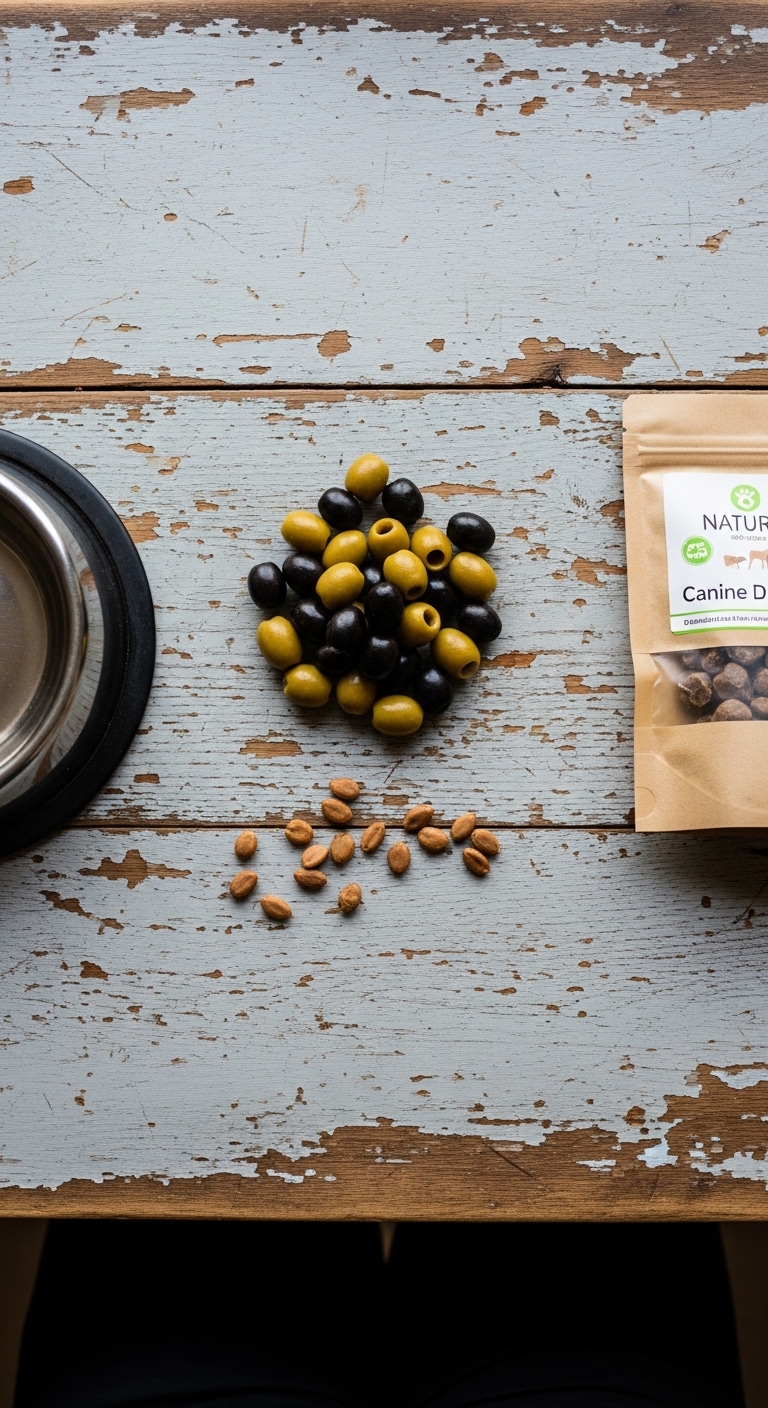
I once saw a dog owner feed their pup a whole olive, pit and all. The dog ended up needing emergency surgery to remove the obstruction. It’s a harsh reminder that even “safe” foods can turn risky with the wrong preparation.
Dogs and Olives: A Closer Look
Not all olives are created equal. Green olives are firmer and can be harder for dogs to chew, while black olives are softer and easier to break down. If you’re sharing, black olives are usually the better choice. Also, consider your dog’s size. A tiny Chihuahua shouldn’t eat the same amount as a Great Dane.
Portion Control Matters
Even safe foods can cause problems if given in large amounts. Olives are high in fat, and too much can lead to pancreatitis, a painful and potentially serious condition. A single olive or two as an occasional treat is plenty for most dogs. If your dog has a sensitive stomach or is prone to weight gain, it’s best to skip olives altogether.
Signs of Trouble
If your dog eats too many olives or gets into a jar of seasoned ones, watch for vomiting, diarrhea, lethargy, or loss of appetite. These could signal an upset stomach or something more serious. If you notice any of these signs, call your vet right away. It’s always better to be safe than sorry.
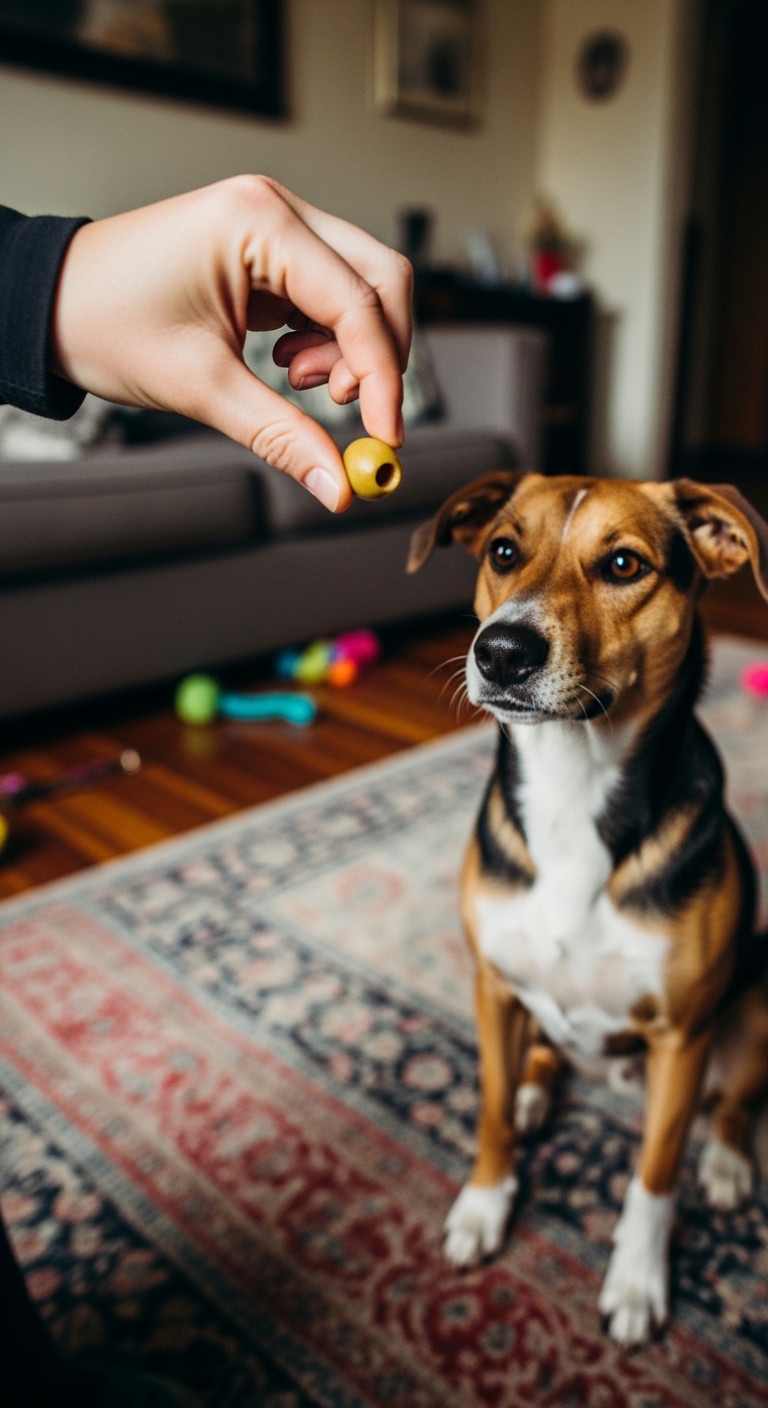
Sharing food with your dog can be a bonding experience, but safety should always come first. When in doubt, stick to dog-safe treats.
Frequently Asked Questions
- → Are olives toxic to dogs?
Olives themselves are not toxic to dogs, but their high sodium content can be harmful if consumed in excess. Always opt for plain, pitted olives without seasonings.
- → Can dogs eat green olives?
Yes, dogs can eat green olives in moderation, provided they are plain and pitted. Avoid olives with added salt or seasonings.
- → What happens if a dog eats too many olives?
Eating too many olives can lead to sodium poisoning, digestive upset, or vomiting. Monitor your dog and contact a vet if symptoms appear.
- → Can dogs eat olives with pits?
No, olives with pits pose a choking hazard and can cause intestinal blockages. Always remove pits before giving olives to your dog.
- → Are black olives safer for dogs than green olives?
Both green and black olives are safe in moderation if plain and pitted. The color difference doesn't affect safety, but sodium content may vary slightly.
- → How many olives can a dog eat?
Limit olives to 1-2 small pieces occasionally as a treat. Too many can cause digestive issues due to high sodium content.