Dogs have an innate attraction to tennis balls, rooted in their natural instincts and playful behaviors. The bright colors and bouncy nature of tennis balls stimulate a dog's prey drive, making them irresistible for fetch games. This simple toy also provides mental stimulation, physical exercise, and bonding opportunities with owners. Tennis balls are durable, easy to find, and affordable, making them a favorite among pet parents. Additionally, the act of chasing and retrieving a tennis ball taps into a dog's primal instincts, offering both entertainment and a sense of accomplishment.
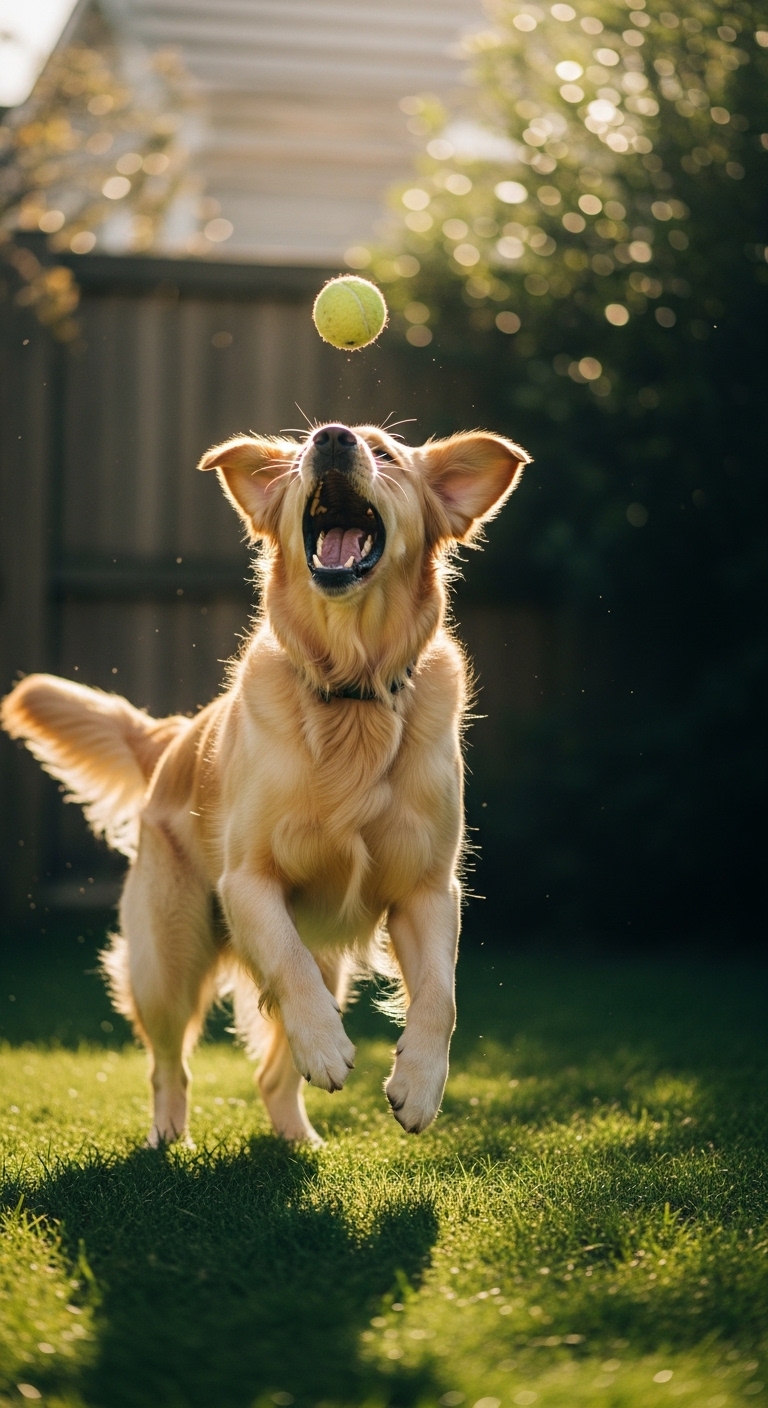
PinA dog catching a tennis ball in its mouth. | petcarepicked.com
Dogs and tennis balls seem to go together like peanut butter and jelly. The sight of a dog chasing, catching, and proudly trotting back with a slobbery tennis ball is a classic image of canine joy. But why do they love them so much? Understanding this can help you engage with your dog more effectively, choose the right toys, and even strengthen your bond.
Why This Topic Helps: It explains the natural instincts behind your dog’s love for tennis balls. It helps you pick safer and more engaging toys for playtime. It gives insight into how to keep your dog mentally and physically stimulated.
Most dogs don’t just like tennis balls—they’re obsessed. And it’s not just about the ball itself, but what it represents: movement, fun, and a game with you.
Key Things to Understand: Dogs have a strong prey drive and tennis balls trigger their instinct to chase moving objects. The bright color and size make tennis balls easy to spot and carry. The texture and bounce add unpredictability that keeps dogs engaged. Playing fetch satisfies their need for exercise and mental stimulation. Some dogs enjoy the taste or smell of the felt material.
What to Look For: Notice how your dog reacts to different types of balls. Some prefer the classic tennis ball, while others might like softer or squeaky versions. Pay attention to their play style—do they like to chew, fetch, or just carry the ball around? Also, check for signs of wear and tear, as a damaged ball can become a choking hazard.
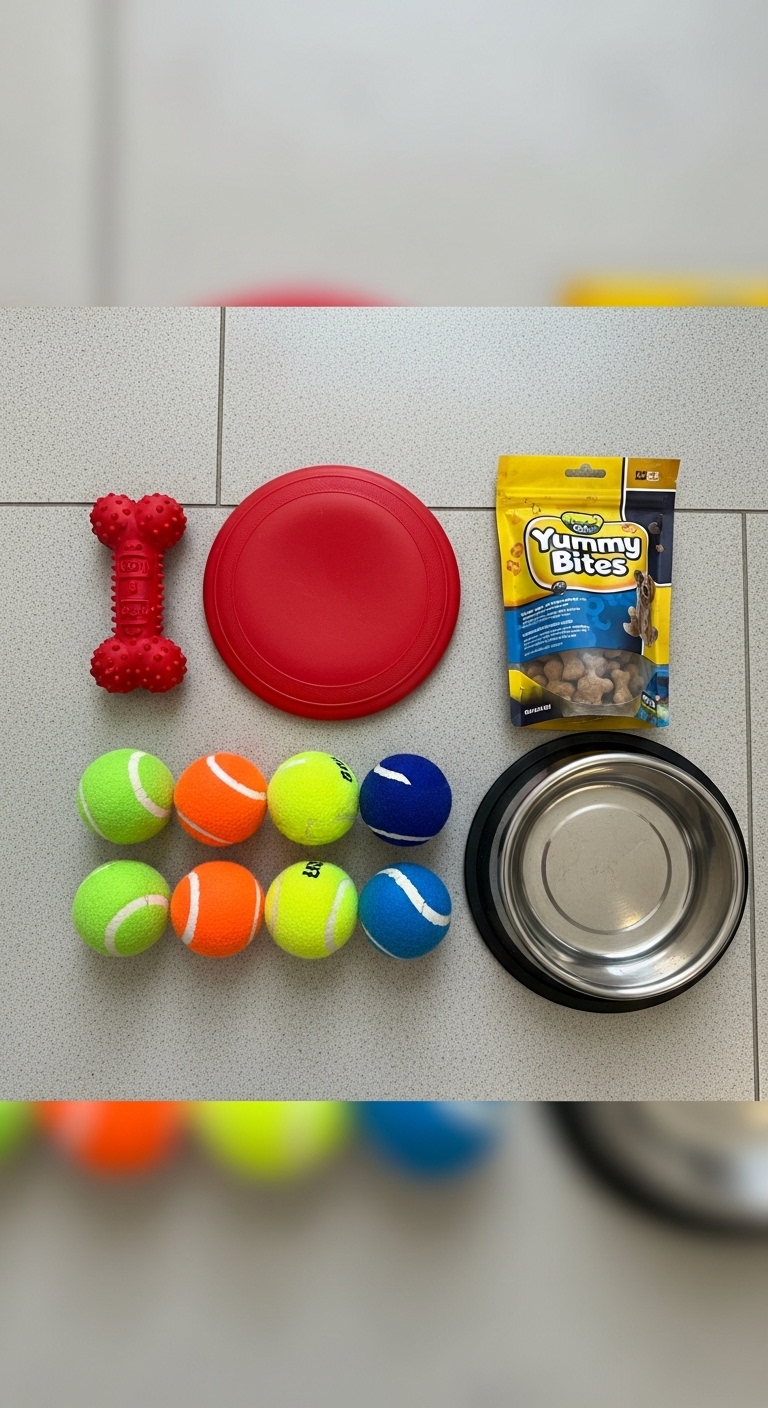
A collection of tennis balls and a bag of dog treats. | petcarepicked.com
If your dog is a heavy chewer, consider more durable alternatives that mimic the feel of a tennis ball but last longer.
You Must Know: Tennis balls can wear down your dog’s teeth over time due to the abrasive felt. Always supervise play to prevent accidental ingestion of pieces. Not all dogs enjoy fetch—some prefer other types of interactive play. Replace tennis balls when they become frayed or cracked.
One common mistake is assuming all dogs naturally know how to play fetch. Some need training and encouragement to understand the game. Also, while tennis balls are great for active play, they’re not ideal for every dog, especially small breeds that might struggle with the size.
Daily care habits: Incorporate tennis ball play into your dog’s routine for both exercise and bonding. Short, frequent sessions are often better than long ones, especially for high-energy breeds. Always end on a positive note, even if it’s just a few minutes of play.
Choosing the right product: If your dog loves tennis balls but destroys them quickly, look for pet-safe alternatives made of rubber or other durable materials. These can provide the same bouncing action without the risk of fraying.
Safety and comfort: Avoid leaving tennis balls lying around unsupervised, as some dogs might try to chew them into pieces. Also, be mindful of the surface you’re playing on—hard floors can make the ball bounce unpredictably, which might startle or injure your dog.
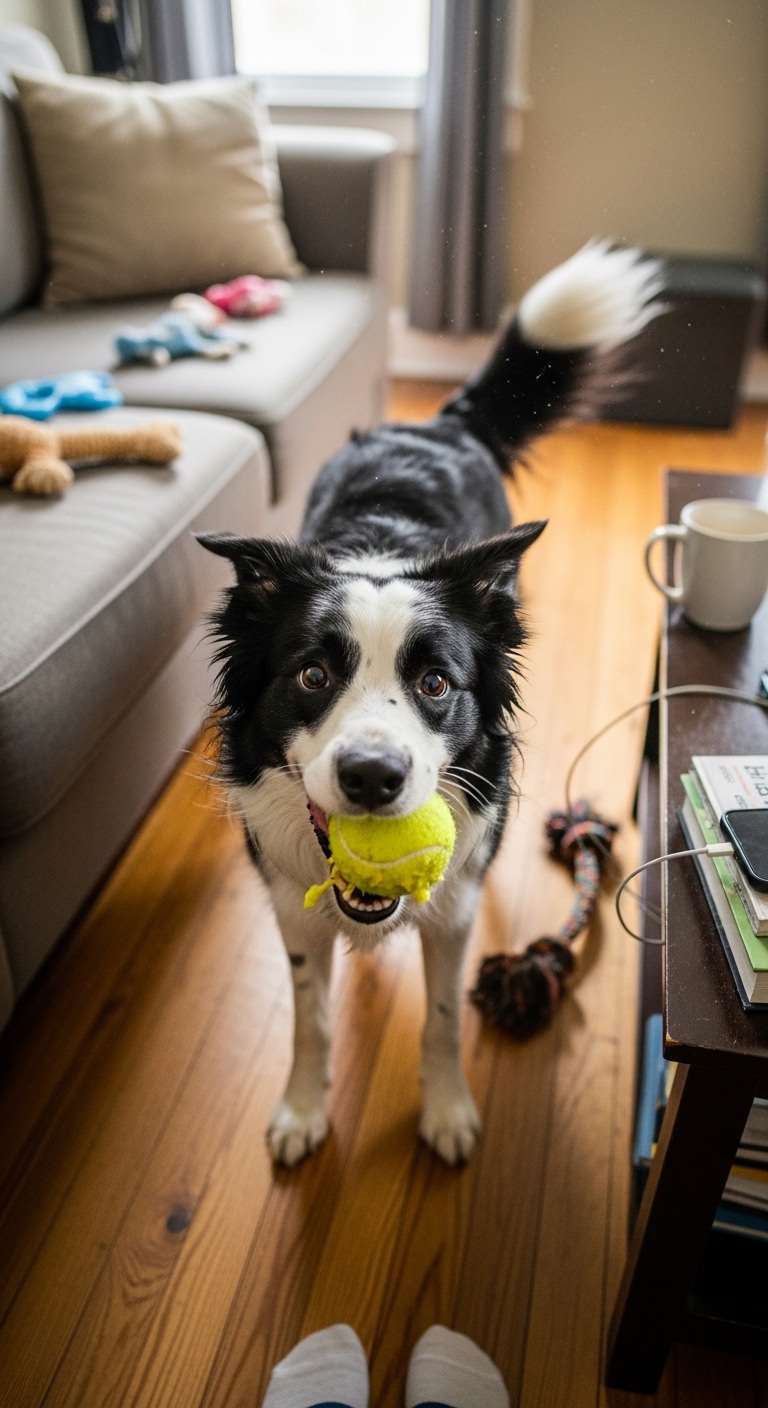
A black and white dog holding a tennis ball. | petcarepicked.com
Seasonal adjustments: In hot weather, avoid playing fetch on pavement that might burn your dog’s paws. In colder months, be aware that tennis balls can become slippery and harder to grip, which might frustrate your dog.
Pro Tips: Rotate toys to keep your dog interested—sometimes a break from tennis balls makes them more exciting when reintroduced. Use a ball launcher to add distance without straining your arm, but always check that your dog is comfortable with the speed and height. If your dog loses interest, try adding a treat or praise to reignite their enthusiasm for the game.
Frequently Asked Questions
→ Why are tennis balls so appealing to dogs?
Tennis balls trigger a dog's natural hunting instincts due to their bright colors, bouncy movement, and easy-to-catch size. The texture also provides a satisfying chew for teething puppies.
→ Do tennis balls benefit a dog's health?
Yes! Playing fetch with tennis balls provides cardiovascular exercise, strengthens muscles, and improves coordination. It also reduces boredom and anxiety in dogs.
→ Are tennis balls safe for dogs to chew?
While tennis balls are generally safe, the fuzz can wear down over time, posing a choking hazard. Supervise play and replace worn balls to ensure safety.
→ Can tennis balls help with training?
Absolutely! Tennis balls are excellent for positive reinforcement training, rewarding good behavior, and teaching fetch commands. Their portability makes them ideal for outdoor training sessions.
→ What alternatives exist for dogs who love tennis balls?
Other popular fetch toys include rubber balls, frisbees, and rope toys. For heavy chewers, consider indestructible balls made of tougher materials like rubber or nylon.
→ How often should I replace my dog's tennis ball?
Inspect tennis balls regularly for signs of wear, such as fraying or cracks. Replace them every few weeks or immediately if pieces start to break off to prevent choking hazards.
Stay Updated
Get the latest articles delivered straight to your inbox. No spam, just great inspiration!

 Pin
Pin