If you’ve ever stood next to a Great Dane or an Irish Wolfhound, you know just how impressive these gentle giants can be. Beyond their towering size, these breeds often carry a calm, friendly demeanor that makes them beloved family pets despite their massive frames. Understanding the biggest dog breeds isn’t just about picking the most impressive pet: it’s about knowing what to expect in terms of care, space, and lifestyle adjustments.
Big breeds often come with big personalities, and their size alone can teach you a lot about patience and planning in pet ownership. I’ve seen firsthand how a Great Dane’s wagging tail can clear a coffee table in seconds: proof that size really does matter in more ways than one.
Key Things to Understand
- The English Mastiff: holds the record as the heaviest dog breed, often weighing over 200 pounds
- Great Danes: are the tallest breed, with males reaching up to 32 inches at the shoulder
- Lifespan: these breeds typically have shorter lifespans, often living only 6 to 10 years
- Care needs: giant breeds require more food, space, and specialized vet care due to their size
- Health concerns: joint and heart health are major concerns, so regular checkups are a must
- Socialization: early socialization is crucial to prevent intimidation or overprotectiveness
What to Look For
When considering giant breeds, pay attention to their growth patterns. Puppies of these breeds grow rapidly in their first year, which means you’ll need to adjust their diet and exercise carefully to support healthy development without straining their joints. Look for breeders who provide growth charts and vet records to track progress. Also, observe how the dog interacts with your family: gentle giants should be calm but not overly lethargic, as this could signal underlying health issues. Their coat condition is another clue; dull or patchy fur might indicate poor nutrition or parasites.
I once knew a Great Dane owner who didn’t realize how quickly their pup would outgrow a standard dog bed until they found their pup sleeping on the couch instead. It’s a reminder that planning for space is just as important as planning for food. Also, watch for signs of overheating in summer: those massive coats can make warm weather dangerous if you’re not careful.
Daily care habits
Giant breeds thrive on routine, so set consistent feeding, walking, and sleeping times. Their size means they need more space to stretch out, so a large, supportive bed is essential. Grooming should be a weekly habit, especially for breeds with dense coats, to prevent matting and skin issues. Keep their nails trimmed to avoid joint stress, as overgrown nails can change their gait and lead to long-term problems.
Choosing the right product
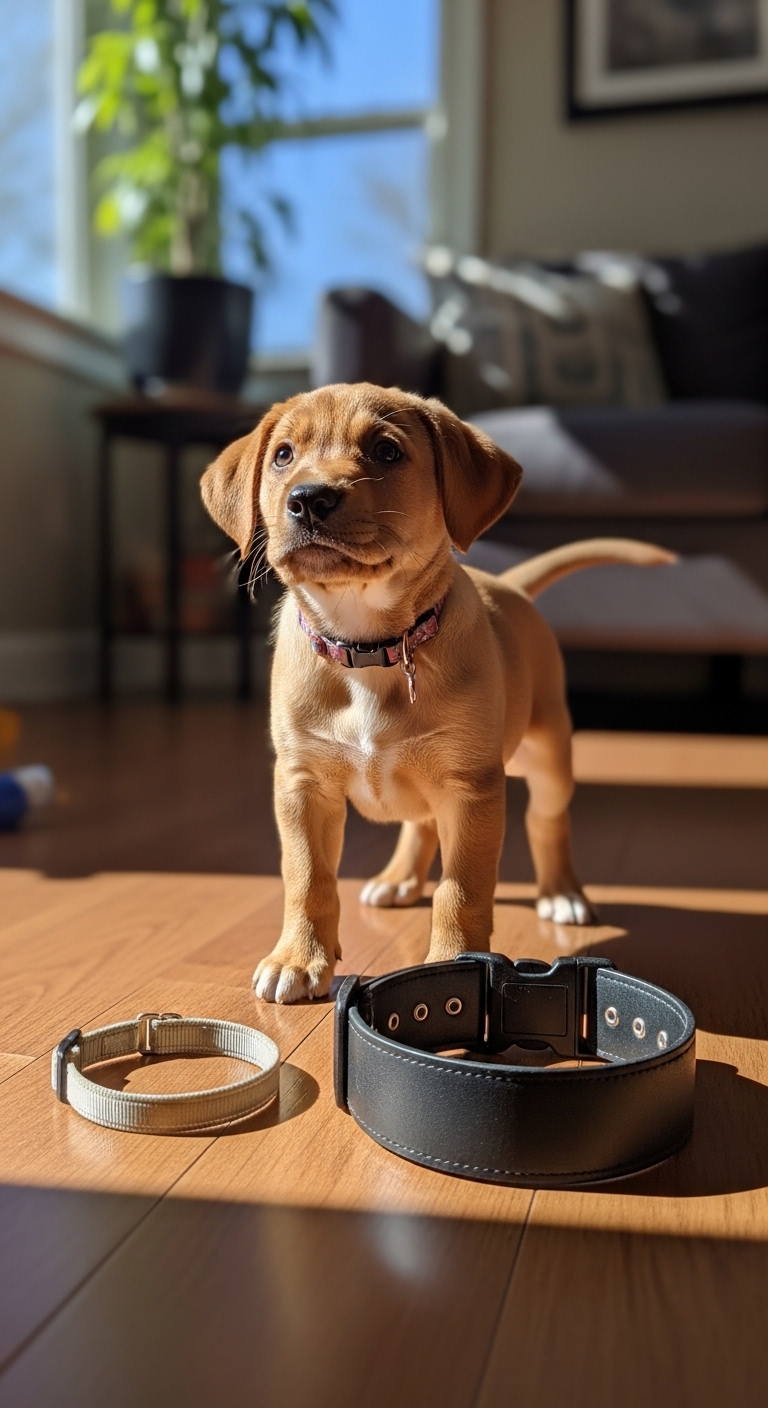
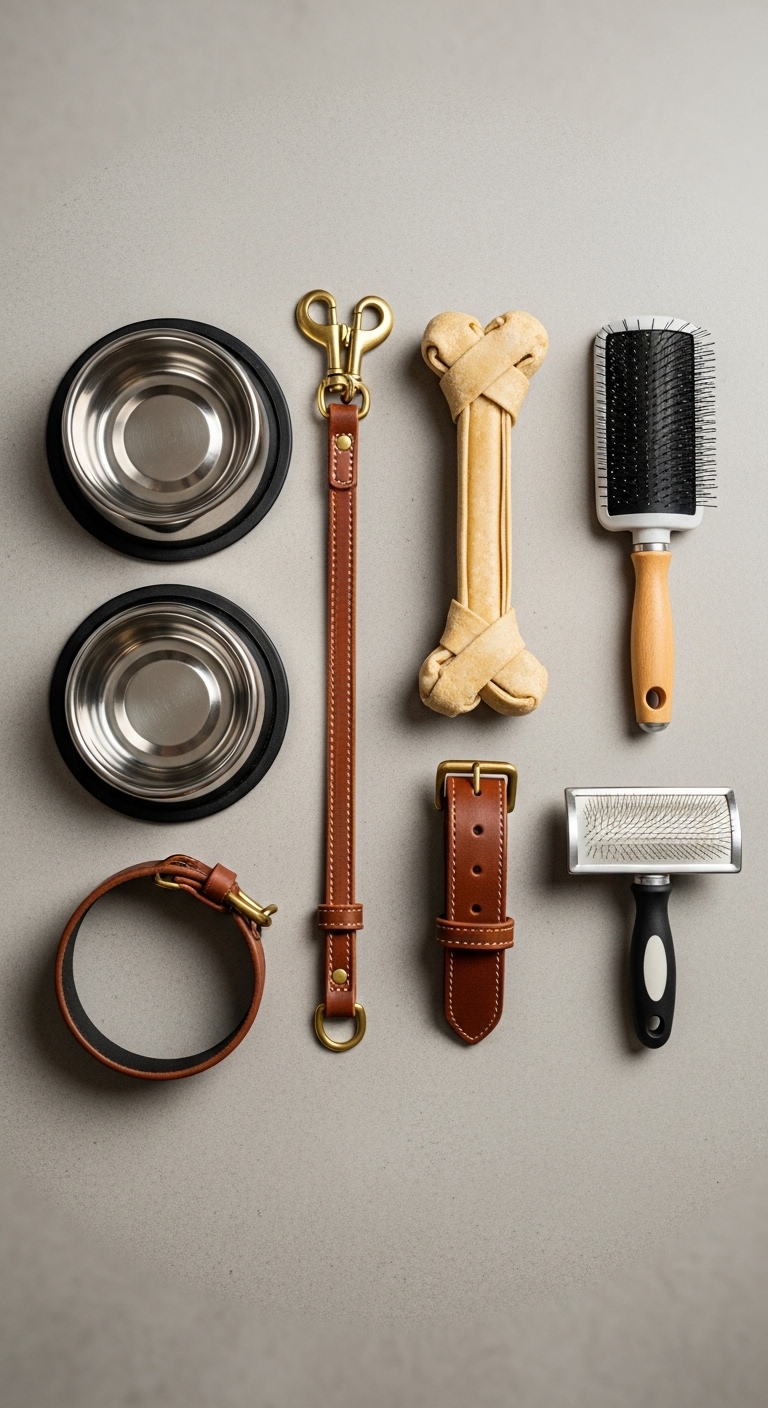
When picking a collar or harness, opt for heavy-duty options designed for large breeds. A standard collar can dig into their neck during walks, while a poorly fitted harness might restrict their breathing. Look for adjustable straps and padded materials to ensure comfort. For food and water bowls, choose elevated stands to reduce neck strain and prevent bloat. Stainless steel or ceramic bowls are easier to clean and less likely to harbor bacteria than plastic.
Safety and comfort
Giant breeds need a home with plenty of room to move around. Avoid small apartments or homes with tight spaces where they might feel cramped. Stairs can be dangerous for their joints, so consider ramps or a single-story layout if possible. In cars, use a harness or crate that’s specifically sized for their weight to keep them secure during travel. Also, teach children how to interact gently with these dogs, as accidental roughhousing can lead to injuries for both the dog and the child.
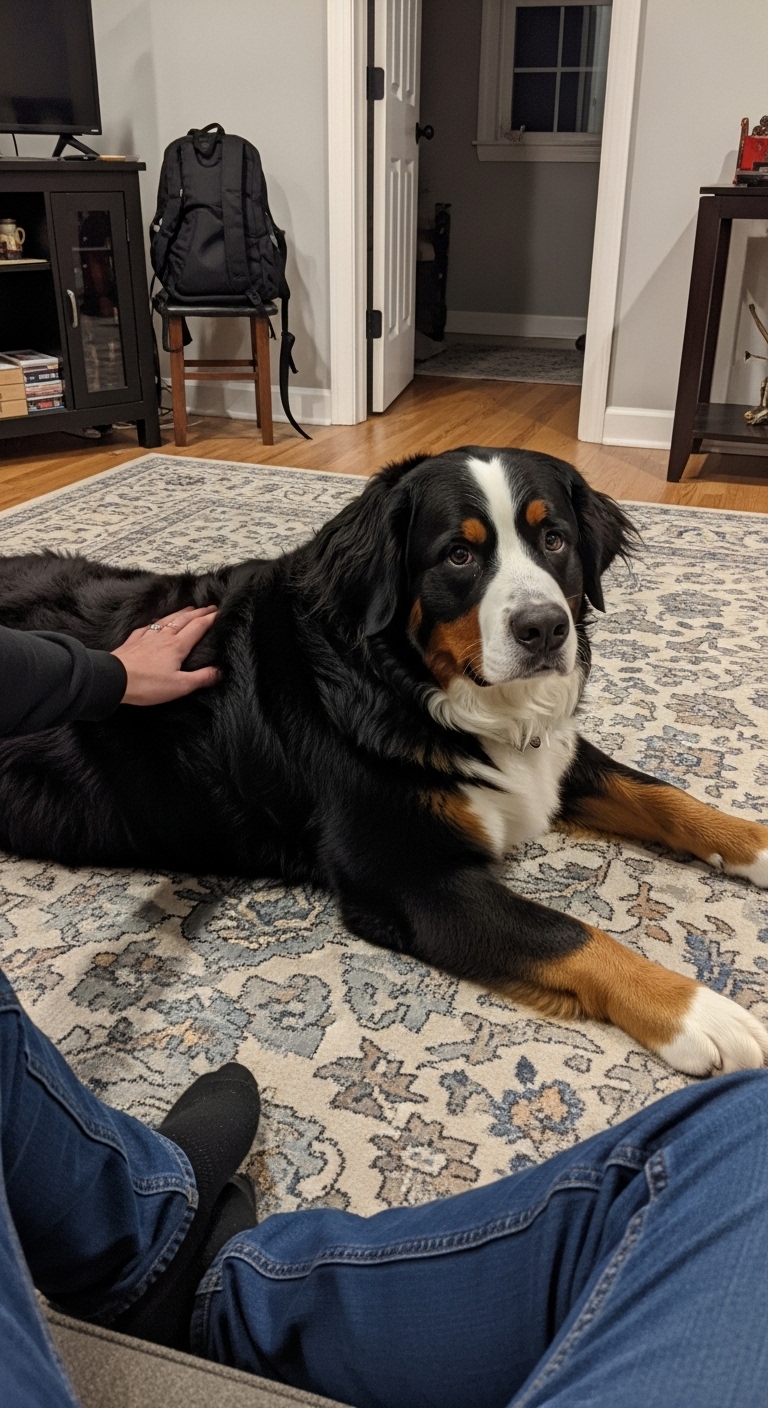
Giant breeds are a rewarding but demanding commitment. Their size and needs require careful planning, but their loyalty and gentle nature make it all worthwhile.
Frequently Asked Questions
- → Which dog breed is considered the largest in the world?
The Great Dane holds the title for the tallest dog breed, with males reaching up to 32 inches at the shoulder. However, the English Mastiff is often considered the heaviest, with some individuals weighing over 200 pounds.
- → Are big dog breeds good with children?
Many large breeds are known for their gentle and patient nature, making them great companions for families with children. Breeds like the Newfoundland and Bernese Mountain Dog are particularly affectionate and protective of kids.
- → What are the common health issues in giant dog breeds?
Big breeds are prone to joint problems like hip dysplasia, heart conditions, and shorter lifespans due to their size. Regular vet check-ups, a balanced diet, and controlled exercise can help mitigate these risks.
- → How much exercise do large dog breeds need?
While they may seem laid-back, giant breeds require daily moderate exercise to prevent obesity and maintain muscle tone. Short walks and play sessions are usually sufficient, but avoid overexertion, especially in puppies.
- → What should I feed my large dog breed?
Opt for high-quality, large-breed-specific dog food rich in protein and joint-supporting nutrients like glucosamine. Portion control is crucial to prevent rapid growth, which can stress developing joints.
- → Do big dogs shed a lot?
Many giant breeds have thick double coats that shed seasonally. Regular brushing, at least 2-3 times a week, helps manage shedding and keeps their coat healthy. Some breeds may require professional grooming every few months.
- → How long do the biggest dog breeds typically live?
Unfortunately, larger breeds tend to have shorter lifespans, often living between 8 to 12 years. Genetics, diet, and overall care play significant roles in their longevity.