 Pin
Pin
When will a dog stop growing is a question every new dog owner asks at some point. It’s not just about curiosity: knowing when your pup will reach their full size helps you plan for their care, training, and even future health needs. A dog’s growth timeline affects everything from diet to exercise, so getting this right makes life with your pet smoother and more predictable.
I remember when my own dog, a golden retriever, shot up from a tiny ball of fluff to a lanky teenager in just a few months. Watching her grow made me realize how quickly their needs change and how much easier it is when you know what to expect.
Key Things to Understand
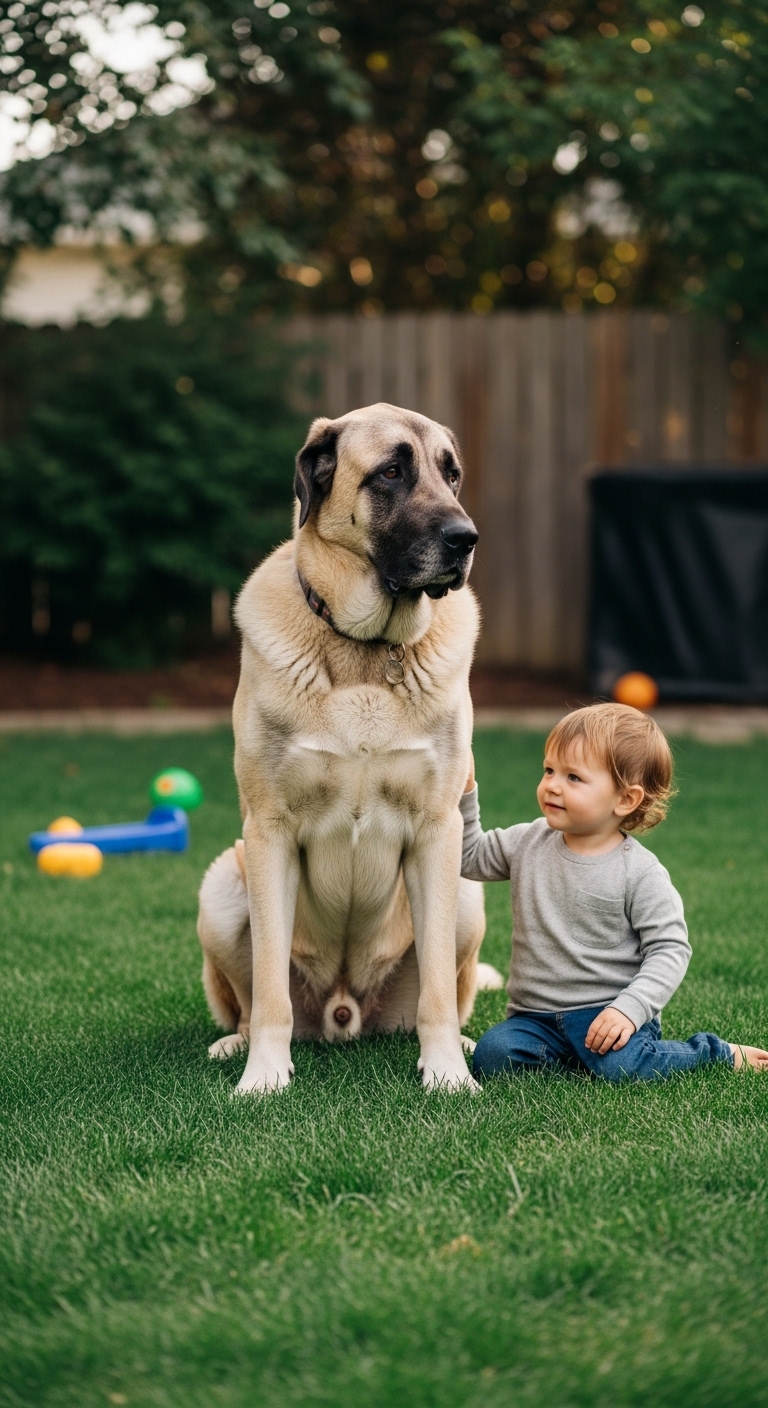
- Large breeds: like Great Danes or Saint Bernards often keep growing until they’re 18 to 24 months old
- Smaller breeds: such as Chihuahuas or Dachshunds, usually reach their full size by 10 to 12 months
- Growth plates: in a dog’s bones close at different times depending on breed and size, which signals the end of growth
- Monitoring: your dog’s weight and height regularly helps you track their progress and spot any unusual patterns early
What to Look For
Pay attention to your dog’s breed size, as this is the biggest factor in how long they’ll grow. Giant breeds take much longer to mature than toy breeds, so their growth plates stay open for nearly two years. Watch for changes in their body proportions: puppies often look a bit awkward as they grow, but their limbs and torso should fill out steadily. If your dog seems to stall in growth for weeks or suddenly shoots up, it could signal a health issue worth checking with your vet. Also, notice how their energy levels shift as they grow: younger puppies tire quickly, while older ones have more stamina but may need more food to fuel their bigger frames.
I once saw a friend’s Labrador grow so fast that his joints ached from the extra weight. Switching to a lower-calorie puppy food helped, but it was a reminder that growth isn’t just about size: it’s about health too. Always check with your vet if you’re unsure about your dog’s growth rate or diet.
Breed-Specific Growth Timelines
Large and giant breeds like German Shepherds or Bernese Mountain Dogs typically grow until 18 to 24 months. Their growth is slower but more prolonged, so their joints and bones need extra support during this time. Smaller breeds, such as Beagles or Shih Tzus, usually stop growing by 12 months, though they may continue to gain muscle and a thicker coat. Toy breeds like Pomeranians or Yorkshire Terriers often reach their adult size by 8 to 10 months, but their tiny frames mean even small changes in diet can make a big difference in their health.
Signs Your Dog Is Still Growing
If your dog’s paws look too big for their body, they’re likely still filling out. Puppies often have a gangly phase where their legs seem disproportionate, but this evens out as they grow. Another clue is their energy levels: younger dogs need more frequent meals and naps, while older ones settle into a more predictable routine. Watch their coat too: a puppy’s fur might change texture or thickness as they mature, especially in breeds with double coats.
How to Support Healthy Growth
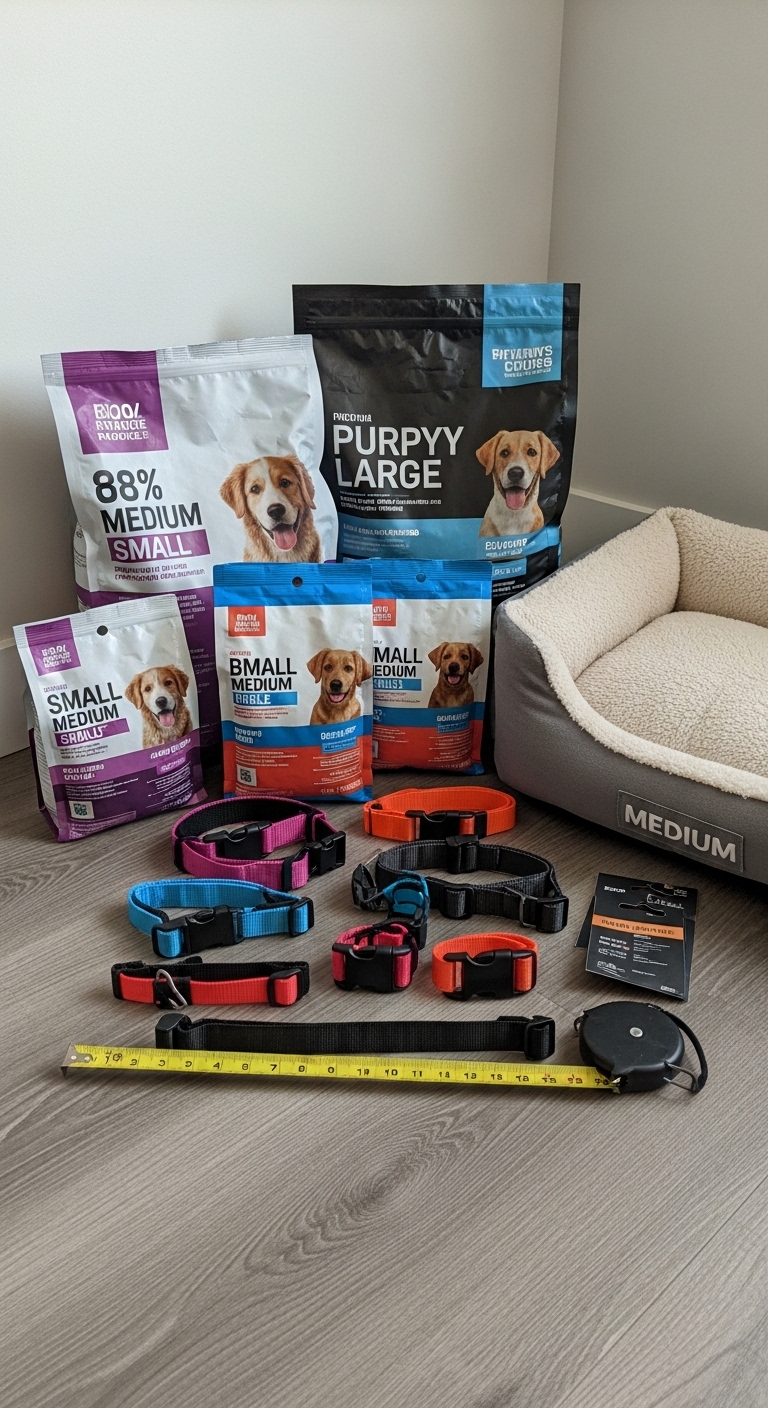
Feed a high-quality puppy food formulated for your dog’s size: large breeds need different nutrients than small ones. Avoid giving supplements unless your vet recommends them, as too much calcium or protein can cause problems. Keep playtime low-impact until your dog is fully grown: activities like swimming or gentle walks are better than jumping or rough play. Regular vet checkups help track growth and catch any issues early, like thyroid problems or parasites that can slow development.
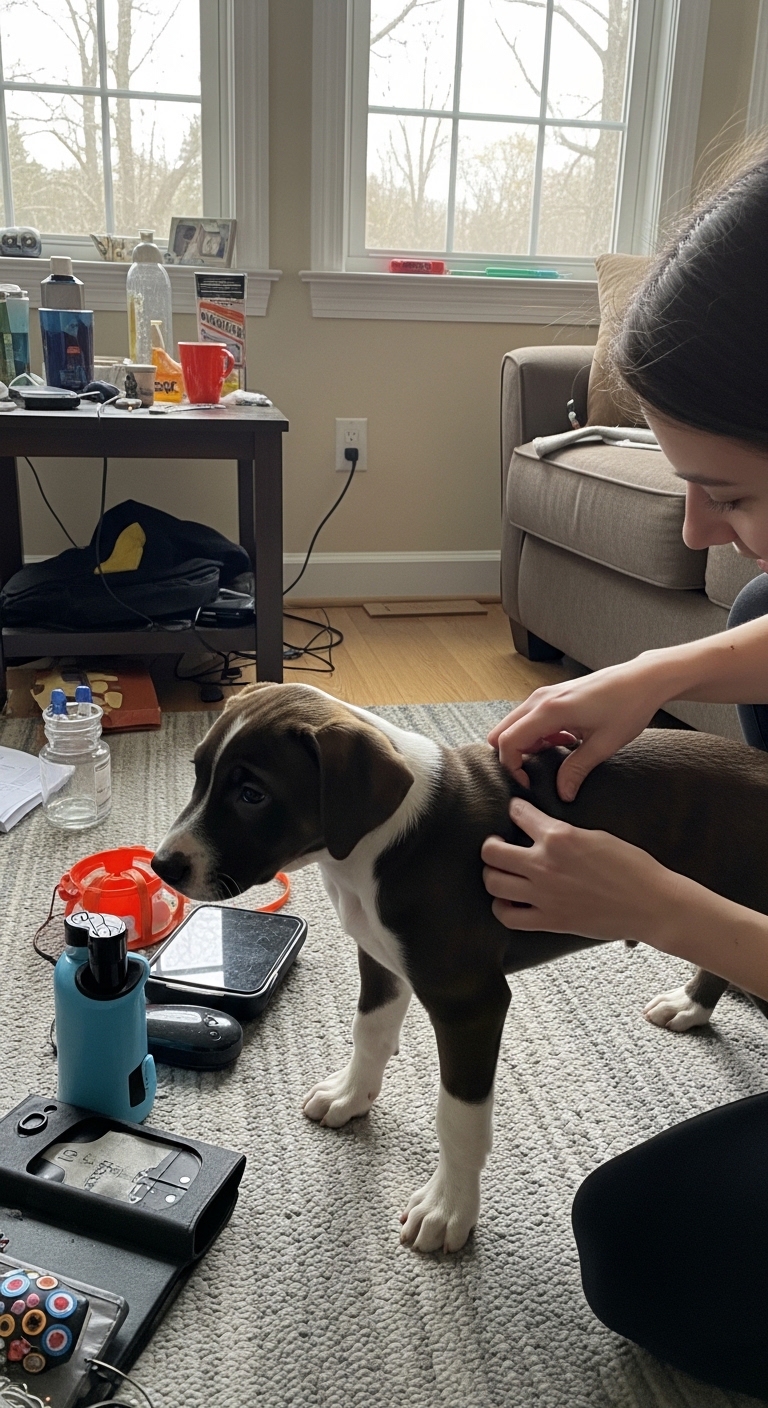
Growth is a journey, and understanding it helps you give your dog the best start in life.
Frequently Asked Questions
- → At what age do most dogs stop growing?
Most dogs reach their full height between 12 to 18 months, but larger breeds may continue filling out until 24 months. Growth plates close at different rates depending on breed genetics.
- → How can I tell if my dog is done growing?
Check for closed growth plates on X-rays, observe stable weight over several months, and note when your dog's height stops increasing. Behavioral maturity often follows physical growth.
- → Does breed size affect growth duration?
Yes, small breeds (under 20 lbs) mature fastest (8-12 months), medium breeds (20-50 lbs) take 12-16 months, large breeds (50-100 lbs) need 18-24 months, and giant breeds (over 100 lbs) may grow up to 2 years.
- → What happens if a puppy grows too fast?
Rapid growth can cause joint stress, leading to conditions like hip dysplasia or elbow problems. Feed age-appropriate portions and avoid high-calorie treats to prevent excessive weight gain.
- → Should I adjust my dog's diet as they grow?
Yes, switch from puppy food to adult formula around 12 months (small breeds) or 18-24 months (large breeds). Monitor body condition score and adjust portions to maintain healthy weight without overfeeding.
- → Can exercise impact my dog's growth?
Moderate exercise supports muscle development, but excessive activity before growth plates close can damage joints. Avoid high-impact activities like jumping or long runs until your dog is fully grown.