 Pin
Pin
A dog's journey is not just about the physical travels they make but also about their growth, experiences, and the bond they share with their owners. Understanding this journey is essential for pet owners as it influences how we care for them, train them, and respond to their needs throughout different stages of their lives. Knowing what to expect can enhance the emotional connection between you and your dog, making daily life more fulfilling and enjoyable.
Every moment spent with a dog can teach us something new about their behavior and personality. Observing their journey helps us appreciate the little things that make our bond stronger.
Key Things to Understand
- Dogs go through various developmental stages: that affect their behavior and needs
- Training should evolve: as your dog matures to ensure effective communication
- Health and wellbeing: are influenced by lifestyle choices and routine
- Socialization experiences: shape a dog's temperament and interactions
- Understanding your dog's journey: helps in recognizing signs of stress or discomfort
What to Look For
When observing your dog's behavior, pay attention to their reactions to new experiences and environments. Notice how they respond to other dogs and people, as these interactions can provide insight into their socialization progress. Regularly check for changes in appetite, energy levels, and playfulness, as these can indicate health issues or emotional distress. Always compare their current behavior with their usual patterns to spot any significant changes that may need attention.
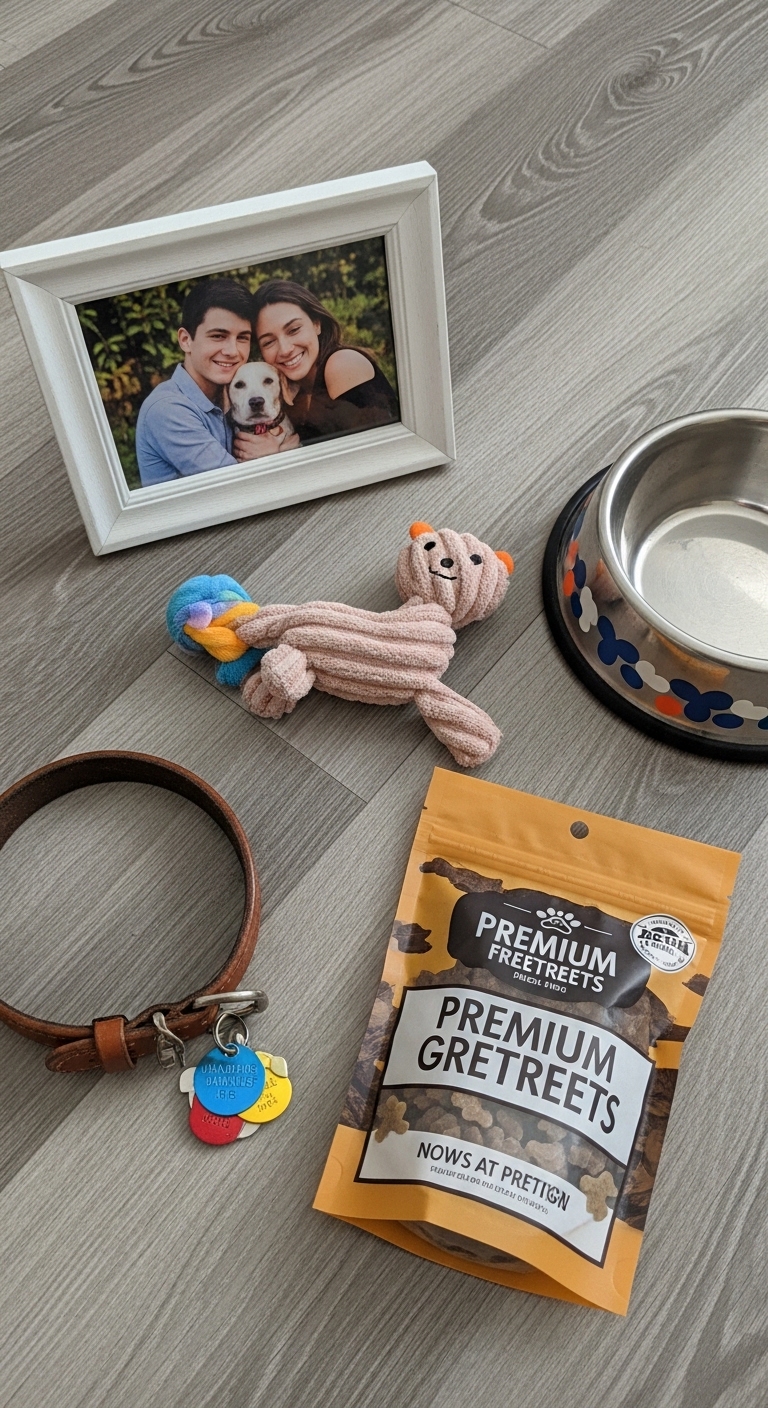
Being consistent with your dog's routine can make a significant difference in their behavior and happiness. It's easy to overlook the importance of socialization and health check-ups, but these are key to a well-rounded and happy dog.
Daily Care Habits
Establishing daily care habits is essential for a dog's well-being. Regular feeding schedules, consistent exercise, and grooming routines all contribute to a dog's happiness and health. Paying attention to these daily activities helps build structure in a dog's life, which can reduce anxiety and improve behavior.
Choosing the Right Product
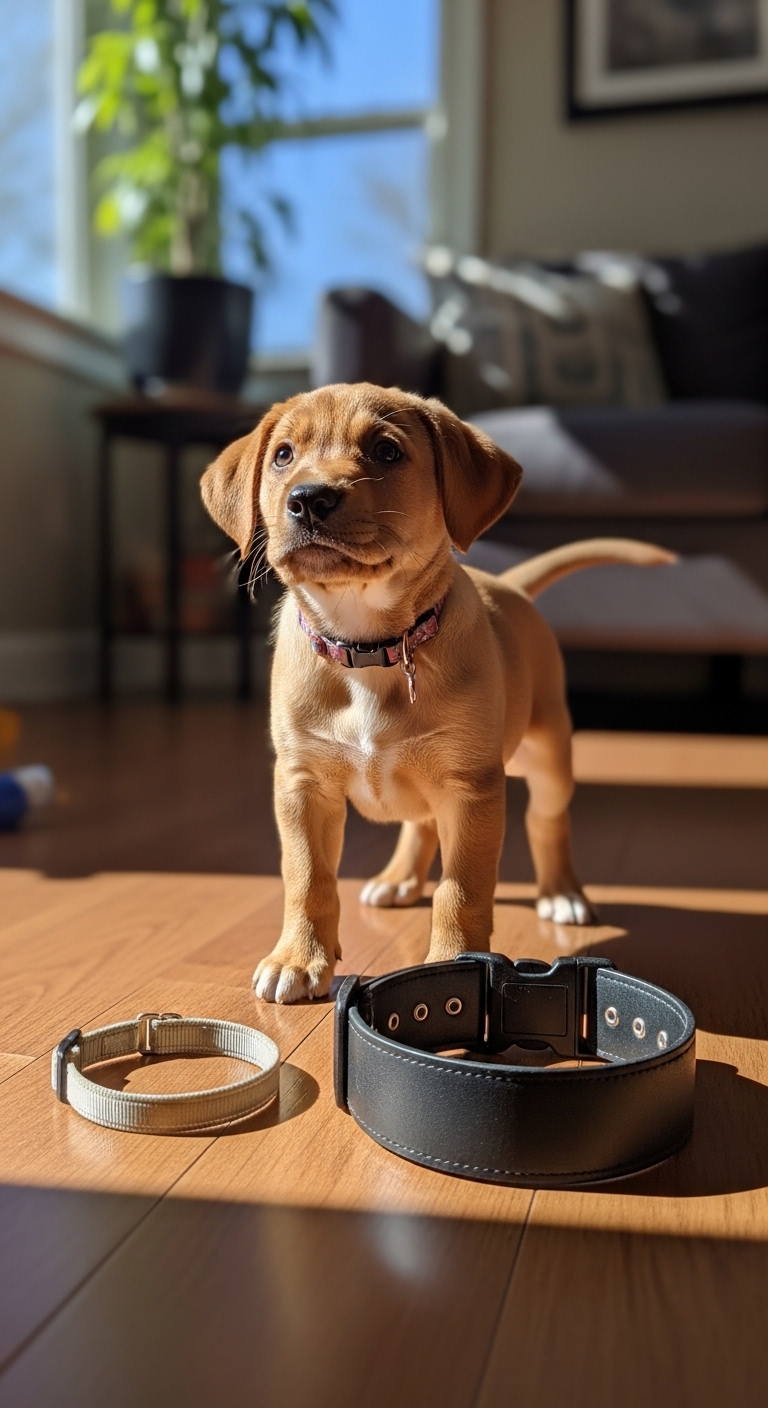
Selecting the right products for your dog is crucial. From food to toys and grooming supplies, understanding your dog's breed, size, and preferences will guide you in making the best choices. Quality products not only enhance your dog's happiness but also ensure their safety.
Safety and Comfort
Creating a safe and comfortable environment is vital for your dog's journey. This includes ensuring that their living space is free from hazards and adapting it to their needs as they age. Regularly checking your dog's comfort levels can prevent stress and promote a positive experience.
Common Mistakes to Avoid
Many dog owners unknowingly make mistakes that can hinder their pet's development. Common mistakes include inconsistent training, neglecting socialization, and overlooking health signs. Being aware of these pitfalls can help you provide a better life for your dog.
Cleaning and Hygiene
Maintaining cleanliness and hygiene is essential for your dog's health. Regular grooming, cleaning their living area, and ensuring proper dental care can help prevent health issues. Establishing a cleaning routine will not only keep your dog healthy but also contribute to a pleasant living environment.
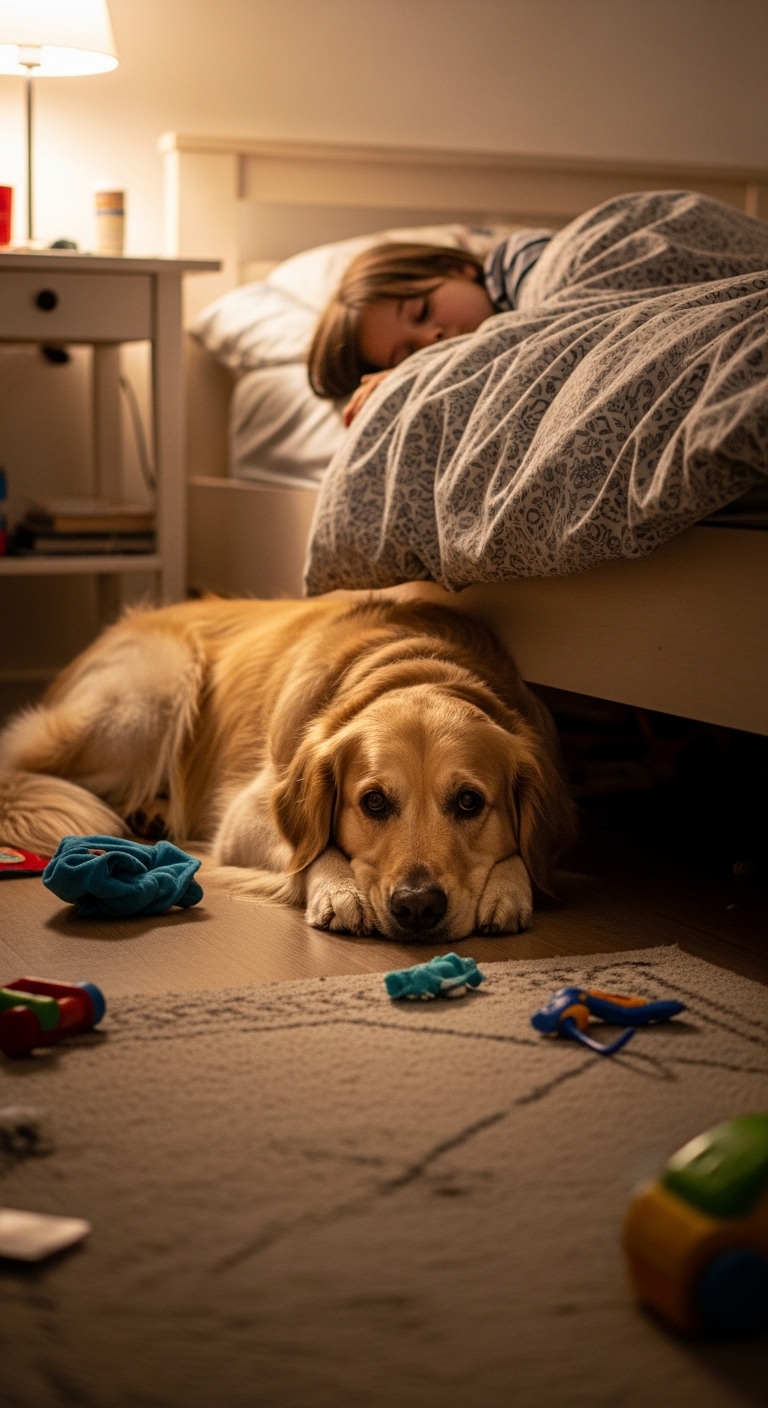
Every dog is unique, and understanding their journey can lead to a more fulfilling companionship. Embrace each moment and learn from your furry friend.
Frequently Asked Questions
- → How do I choose the right food for my dog's life stage?
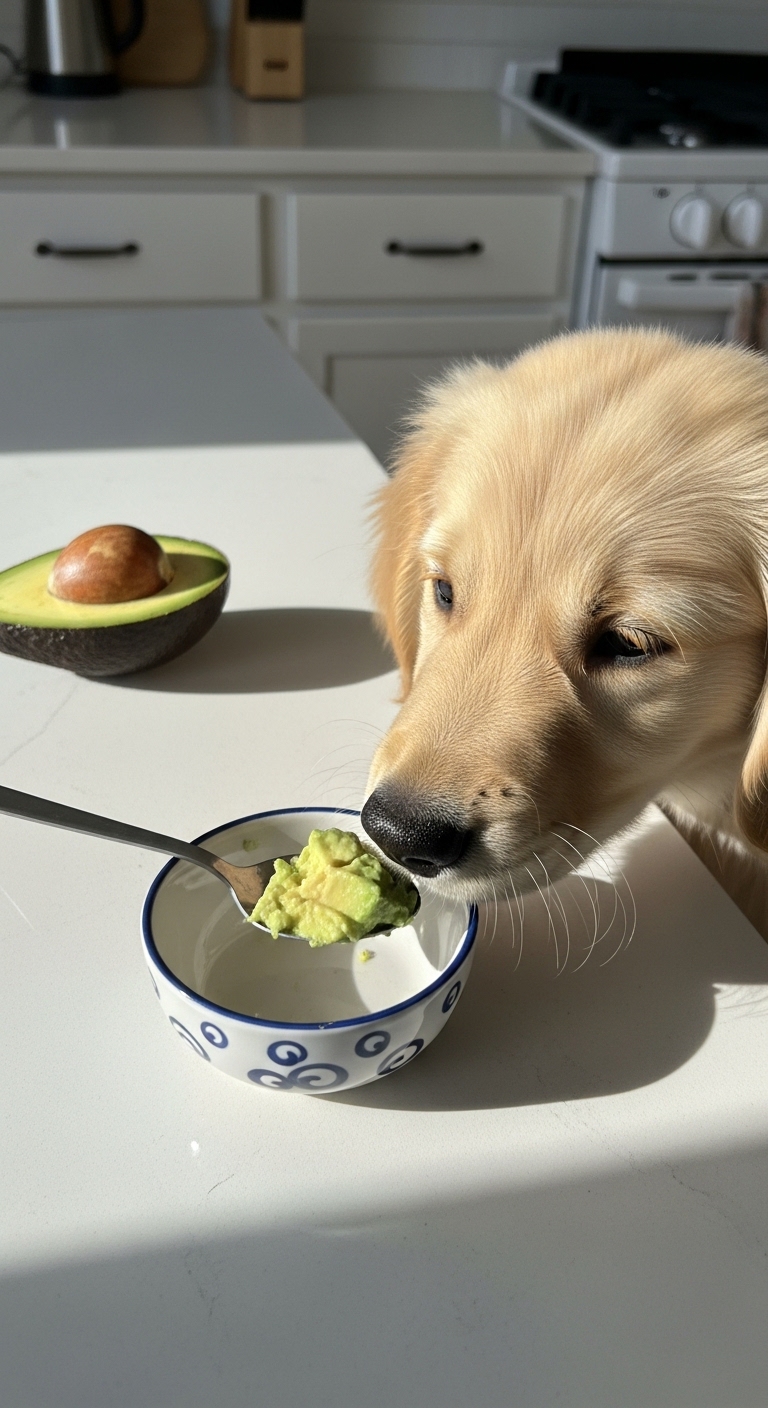
Puppies need high-protein, nutrient-dense food for growth, while adult dogs benefit from balanced meals for maintenance. Senior dogs often require lower-calorie options with joint support. Always consult your vet to match food to your dog's specific needs.
- → What are the key training milestones for a puppy?
Start with basic commands like 'sit' and 'stay' at 8-12 weeks. Socialization with people and other dogs is critical between 3-14 weeks. House training should begin immediately, using positive reinforcement. Consistency and patience are essential for long-term success.
- → How often should I take my dog to the vet?
Annual checkups are standard for adult dogs, but puppies and seniors may need bi-annual visits. Vaccinations, dental exams, and parasite prevention should be part of routine care. Watch for changes in appetite, energy, or behavior as signs to schedule an extra visit.
- → What grooming practices are essential for my dog?
Brush your dog's coat regularly to prevent matting and reduce shedding. Bathe them every 4-6 weeks with dog-specific shampoo, and trim nails monthly. Don't forget dental care—brush their teeth 2-3 times weekly to avoid plaque buildup and gum disease.
- → How can I tell if my dog is stressed or anxious?
Signs include excessive barking, pacing, or destructive behavior. Some dogs may hide, tremble, or lose interest in food. Changes in sleep patterns or avoidance of interaction can also indicate stress. Identifying triggers and providing a safe, calm environment helps alleviate anxiety.
- → What exercises are best for my dog's energy level?
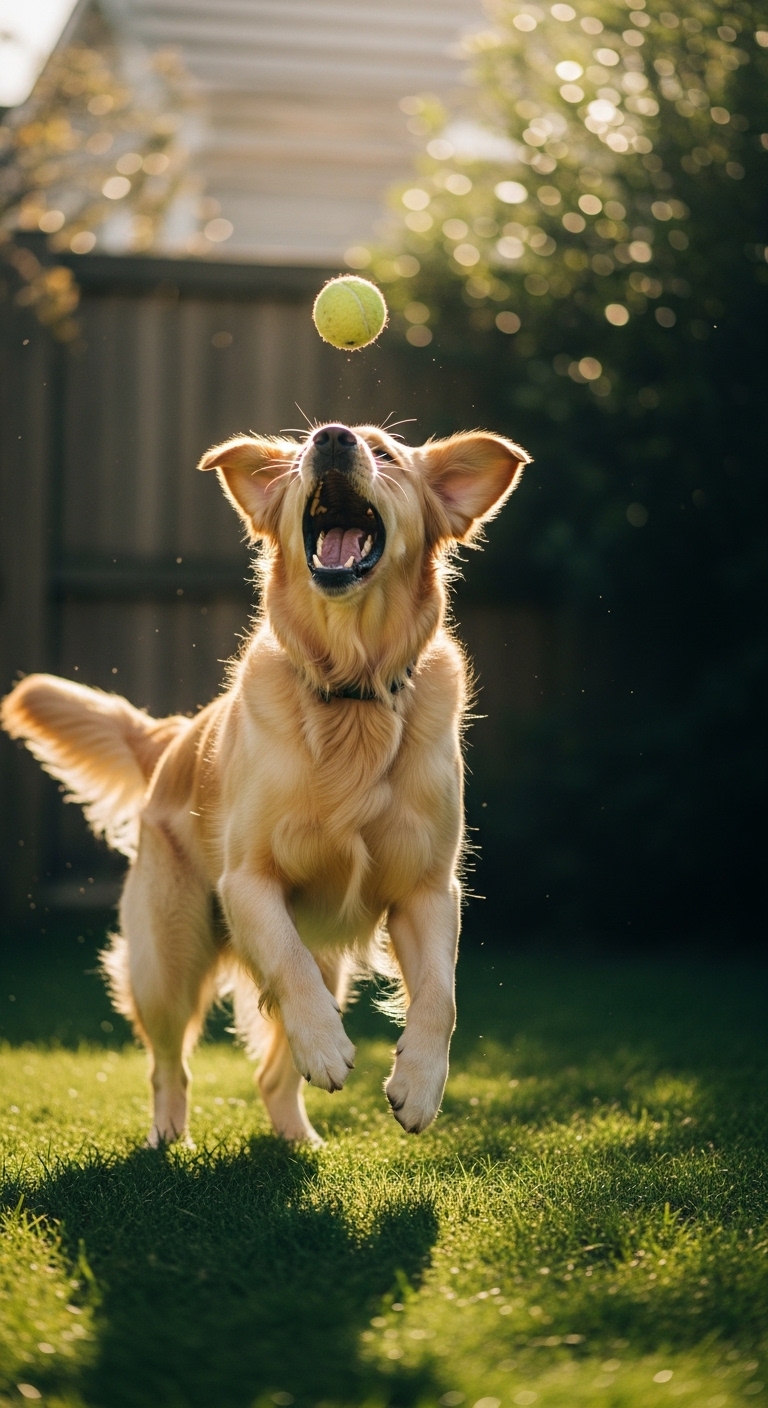
High-energy breeds like Border Collies thrive with agility training or long runs, while lower-energy breeds like Bulldogs benefit from short walks and mental games. Always tailor exercise to your dog's age, breed, and health. Avoid overexertion in extreme heat or for brachycephalic breeds.