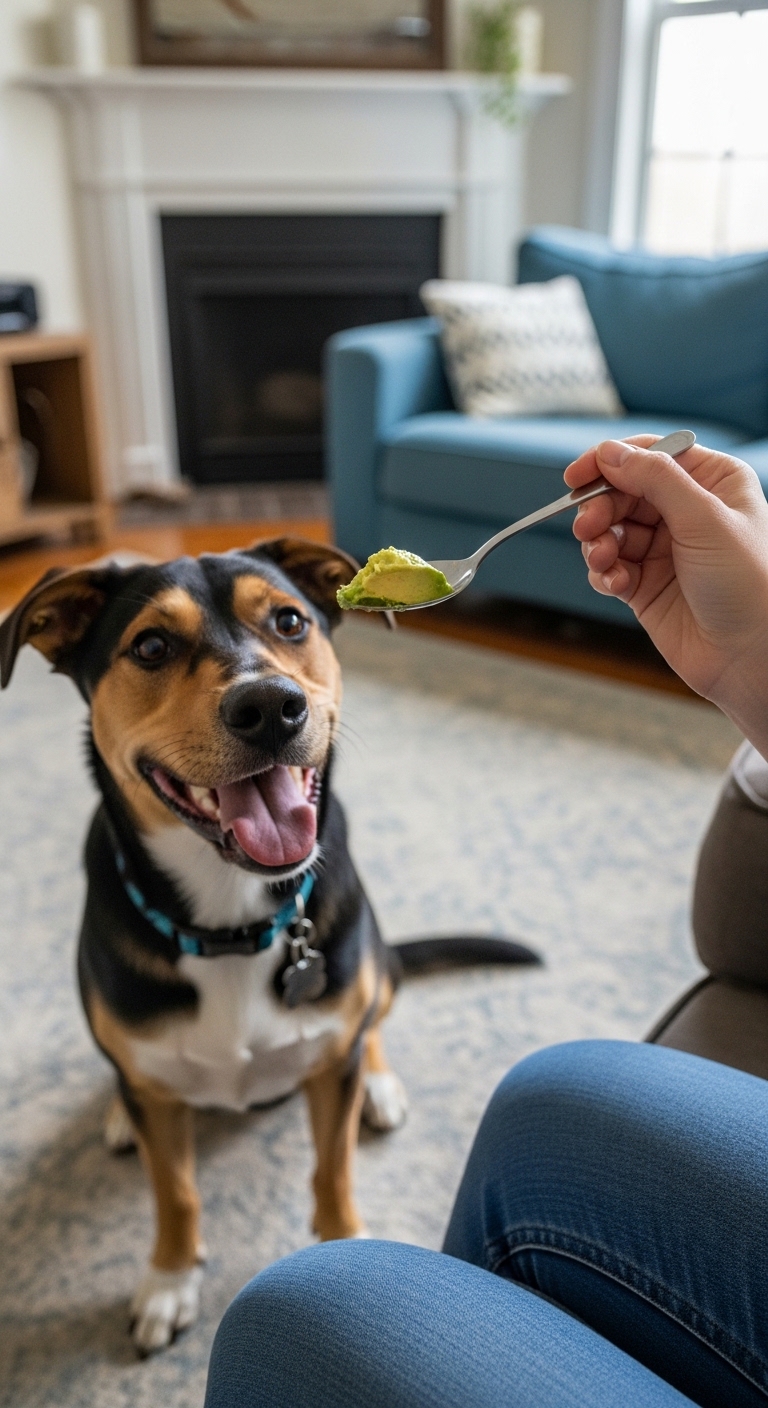
Avocados contain persin, a compound that can be toxic to dogs in large quantities. While the flesh is less dangerous, the pit, skin, and leaves pose serious choking and intestinal blockage risks. Small amounts of avocado flesh may not harm healthy dogs, but moderation is key. Symptoms of toxicity include vomiting, diarrhea, and lethargy. Always consult your vet before introducing new foods to your pet’s diet.
Avocados are a popular superfood for humans, but when it comes to dogs, the answer isn’t as simple. Many pet owners wonder if sharing this creamy fruit with their furry friend is safe or risky. Understanding the facts can help you make better decisions about what your dog eats and avoid potential health issues.
Why This Topic Helps
Prevents accidental poisoning by knowing which parts of the avocado are dangerous
Helps you recognize early signs of avocado toxicity in dogs
Guides safer treat alternatives that are just as nutritious
Encourages mindful feeding habits to keep your dog healthy
It’s easy to assume that what’s healthy for us is healthy for our pets, but dogs process foods differently. A small piece of avocado might seem harmless, but the risks often outweigh the benefits.
Key Things to Understand
Persin is a compound found in avocados that can be toxic to dogs, especially in large amounts. It’s most concentrated in the skin, pit, and leaves, but even the flesh contains some.
The pit poses a serious choking hazard and can cause intestinal blockages if swallowed. Its size and hardness make it dangerous for dogs of any size.
Avocado flesh is high in fat, which can lead to pancreatitis in dogs if consumed in excess. Even small amounts may upset sensitive stomachs.
Some dogs may have mild allergic reactions to avocados, leading to itching, vomiting, or diarrhea. Watch for unusual symptoms after any new food.
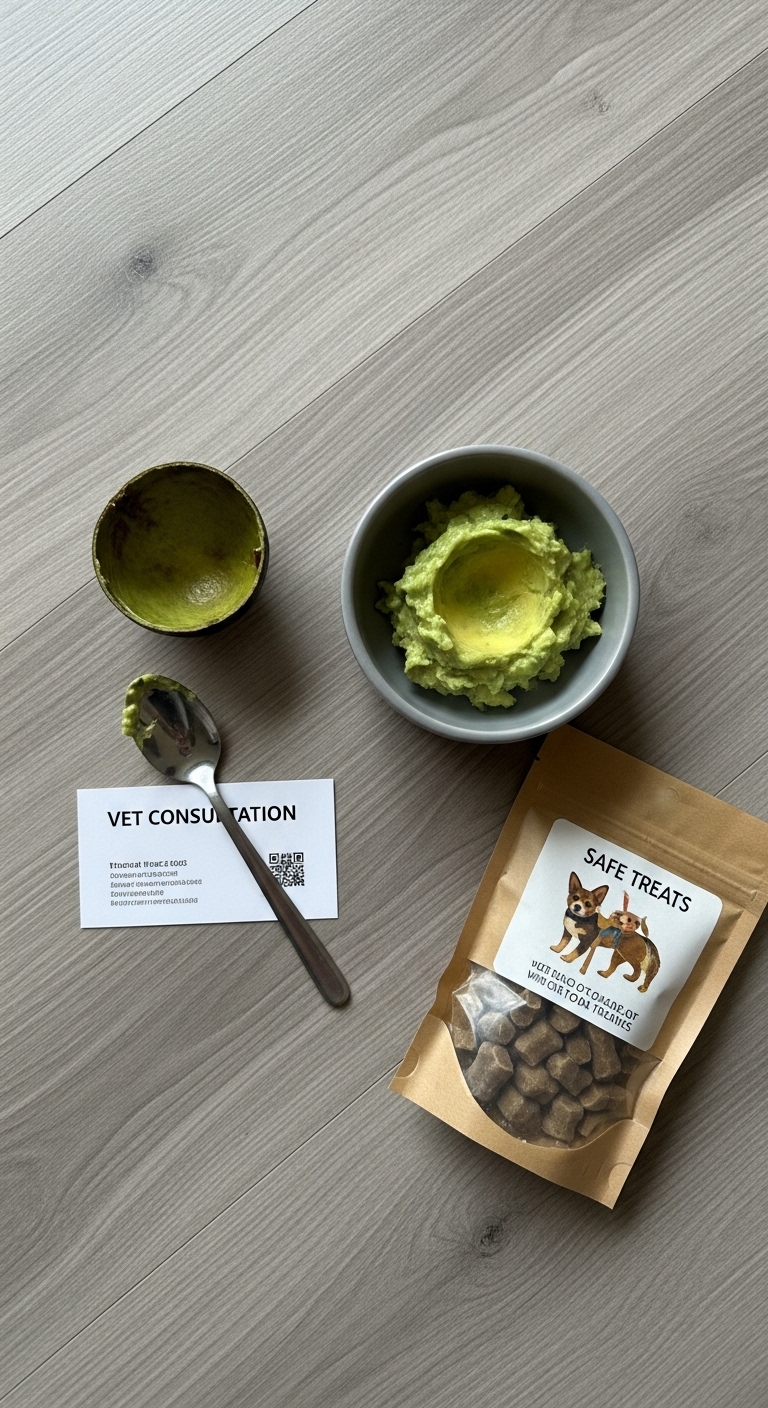
A bowl of avocado sits next to a bag of dog treats. | petcarepicked.com
What to Look For
When considering avocado for your dog, pay close attention to their reaction after eating even a tiny amount. Signs of distress like vomiting, diarrhea, or lethargy should be taken seriously. The pit is the most immediate danger, so always ensure it’s completely removed and disposed of safely where your dog can’t reach it.
Check your dog’s behavior after they’ve been near avocados, especially if they’ve had access to the skin or leaves. Some dogs are curious and may try to chew on parts of the plant that are more toxic than the fruit itself. If you notice any unusual symptoms, contact your vet right away.
You Must Know
Persin toxicity can vary by dog size, with smaller breeds at higher risk from even small amounts
The pit is the most dangerous part due to choking and blockage risks
Avocado oil and skin are more concentrated in persin than the flesh
Not all dogs will react the same way, but it’s better to err on the side of caution
While some dogs may tolerate tiny amounts of avocado flesh without issues, the risks are real and not worth taking. It’s always safer to stick with treats specifically made for dogs. If you’re unsure, a quick call to your vet can provide peace of mind.
Safer Alternatives to Avocado
If you’re looking for healthy fats to add to your dog’s diet, consider options like plain, unsalted peanut butter (xylitol-free), cooked salmon, or small amounts of plain pumpkin. These provide nutrients without the same level of risk.
Signs Your Dog Ate Something Toxic
Beyond avocados, it’s important to recognize general signs of poisoning in dogs. Symptoms like excessive drooling, tremors, or loss of coordination can indicate a serious problem. Keep the number for your local emergency vet or a pet poison hotline handy.
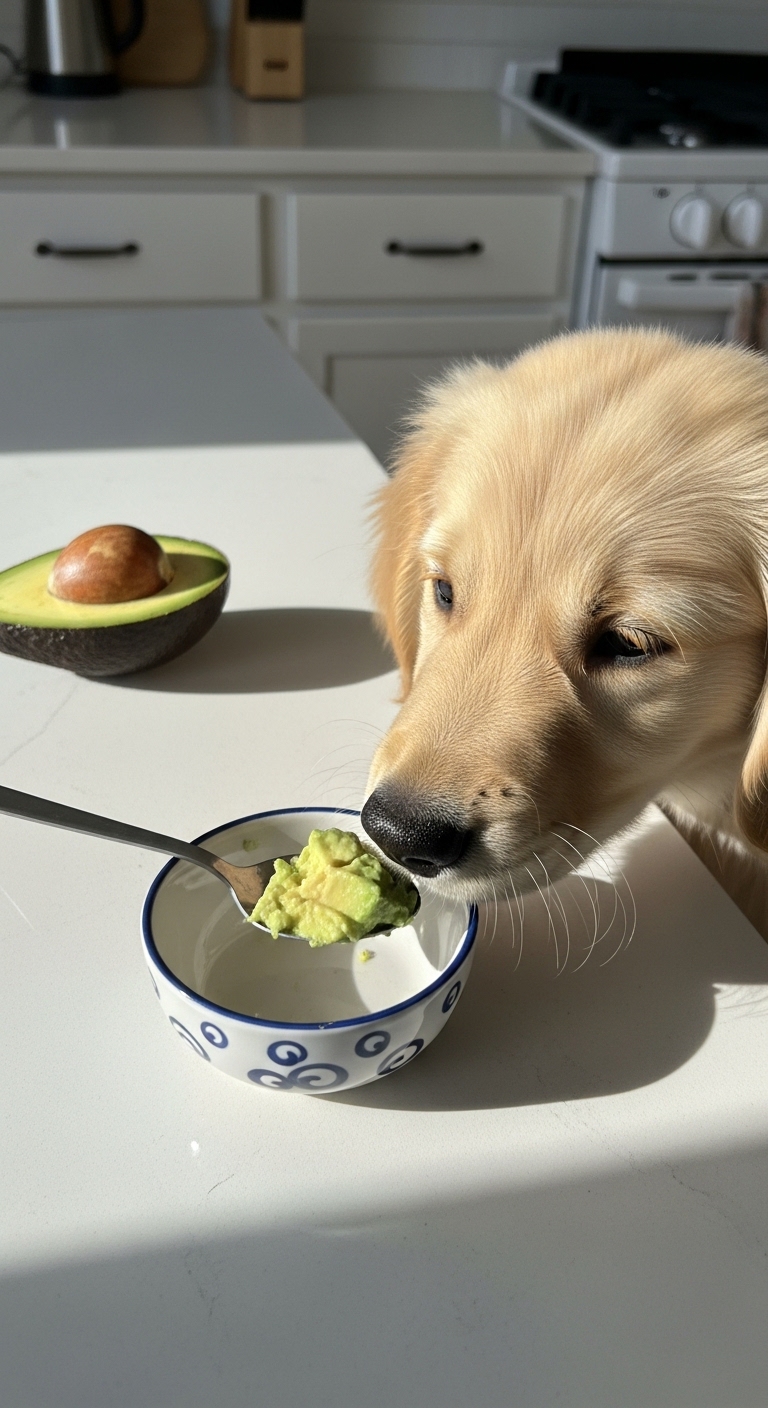
A dog is eating an avocado. | petcarepicked.com
When to Consult Your Vet
If your dog has eaten any part of an avocado, especially the pit or skin, don’t wait for symptoms to appear. Early intervention can prevent complications. Even if your dog seems fine, it’s worth a call to your vet for guidance.
Pro Tips
Always remove avocado pits and skins before disposing of them in a secure trash bin where your dog can’t access them
If you grow avocado plants at home, keep them out of reach, as the leaves and bark contain higher levels of persin
When in doubt, opt for dog-safe fruits like blueberries or apple slices (without seeds) as treats instead
Frequently Asked Questions
→ Can dogs eat avocado flesh safely?
In small amounts, avocado flesh is generally considered safe for dogs. However, the high fat content may cause digestive upset in some pets. Always introduce new foods gradually and monitor for adverse reactions.
→ What parts of the avocado are toxic to dogs?
The pit, skin, and leaves contain persin, which can be harmful. The pit also poses a choking hazard and risk of intestinal blockage. Even small pieces of skin or leaves should be avoided.
→ How much avocado can a dog safely eat?
There is no established safe amount, but moderation is crucial. A few small pieces of flesh occasionally is unlikely to harm most dogs. Larger amounts or frequent feeding increases the risk of toxicity and digestive issues.
→ What are the signs of avocado poisoning in dogs?
Symptoms may include vomiting, diarrhea, lethargy, or loss of appetite. In severe cases, pancreatitis can develop due to the high fat content. Contact your vet if you notice any concerning signs after your dog eats avocado.
→ Are there any dog-safe alternatives to avocado?
Yes! Safe alternatives include cooked lean meats, plain pumpkin, or dog-friendly fruits like blueberries and apples (without seeds). Always introduce new foods slowly and in small portions to avoid digestive issues.
→ Can puppies eat avocado?
Puppies have more sensitive digestive systems, so it's best to avoid avocado entirely. Their small size increases the risk of choking and toxicity. Stick to puppy-approved treats and foods recommended by your vet.
Stay Updated
Get the latest articles delivered straight to your inbox. No spam, just great inspiration!

 Pin
Pin