Can dogs eat yogurt? It’s a question many pet owners ask when looking for healthy treats or meal toppers for their furry friends. Yogurt is packed with protein, calcium, and probiotics, which can support your dog’s digestion and immune system. But not all yogurts are safe: some contain ingredients like artificial sweeteners or high sugar content that can be harmful. Knowing which types are okay and how much to give can make a big difference in your dog’s diet.
I remember when I first gave my dog plain yogurt, I was surprised by how much she loved it. It became a quick go-to treat during hot days, and I noticed her coat looked shinier too. But I also learned the hard way that flavored yogurts with xylitol are a big no.
Key Things to Understand
- Plain, unsweetened yogurt is the safest choice: because it doesn’t contain harmful additives
- Greek yogurt is a great option: as it’s higher in protein and lower in lactose
- Avoid yogurts with artificial sweeteners: like xylitol, which is toxic to dogs
- Check the ingredient list: for added sugars or flavors that can upset your dog’s stomach
- Introduce yogurt slowly: to see how your dog reacts, especially if they’ve never had dairy before
What to Look For
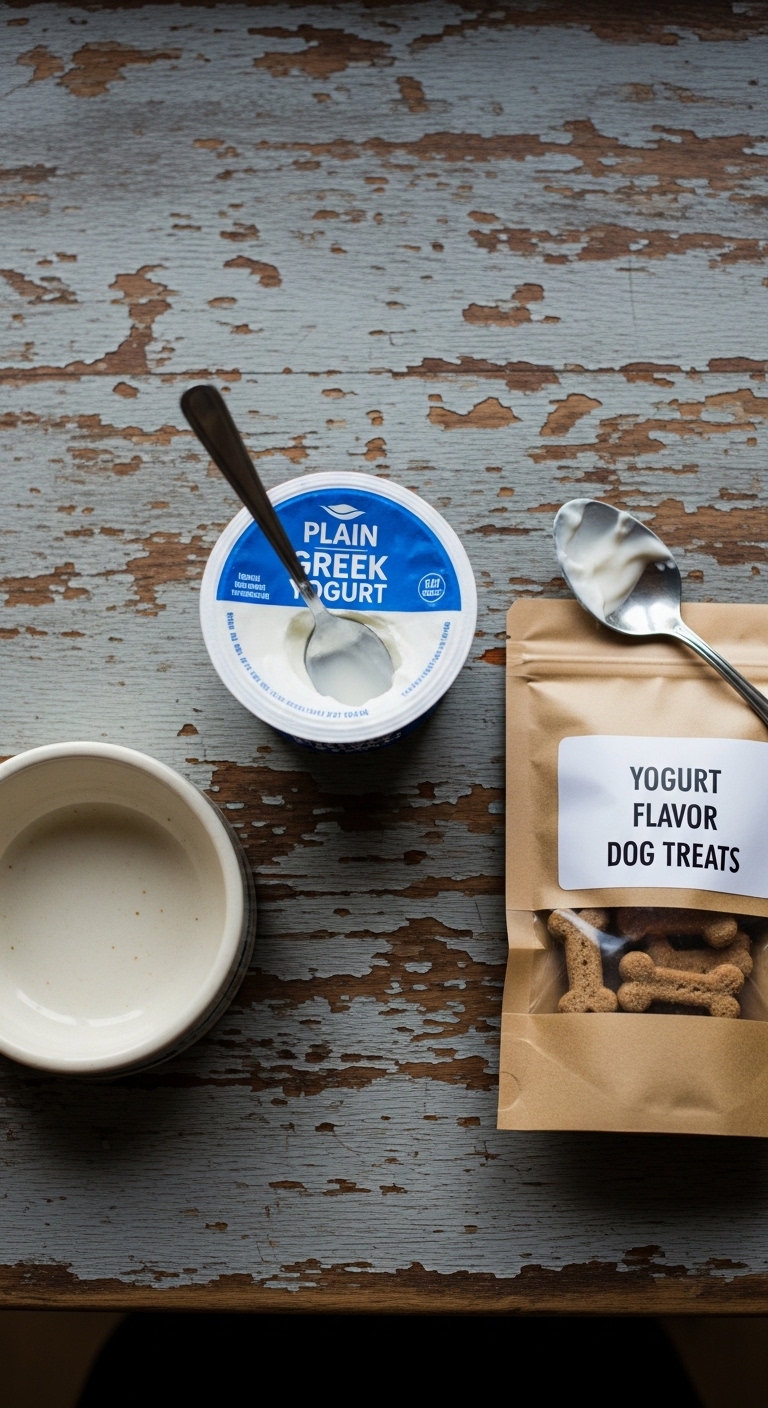
When choosing yogurt for your dog, the first thing to check is the ingredient list. Plain yogurt should only have two words: milk and live cultures. Any added flavors, sugars, or artificial sweeteners can be risky. If you see terms like "vanilla" or "strawberry," those are usually loaded with sugar that isn’t good for dogs. Even natural sweeteners like honey should be used sparingly.
Another thing to watch for is the fat content. Full-fat yogurts might seem like a treat, but they can lead to weight gain or digestive issues if your dog isn’t used to dairy. Low-fat or non-fat options are safer, especially for smaller breeds or dogs prone to pancreatitis. Also, keep an eye on the live cultures. Strains like Lactobacillus acidophilus can help with gut health, but not all yogurts list these clearly.
I once gave my neighbor’s dog a whole cup of yogurt as a treat, thinking it was harmless. Within hours, the poor pup was running to the yard every few minutes. It was a lesson in moderation that I’ll never forget. Also, if your dog has diabetes or is overweight, yogurt should be given as an occasional treat, not a daily snack, because of the natural sugars.
Daily Care Habits
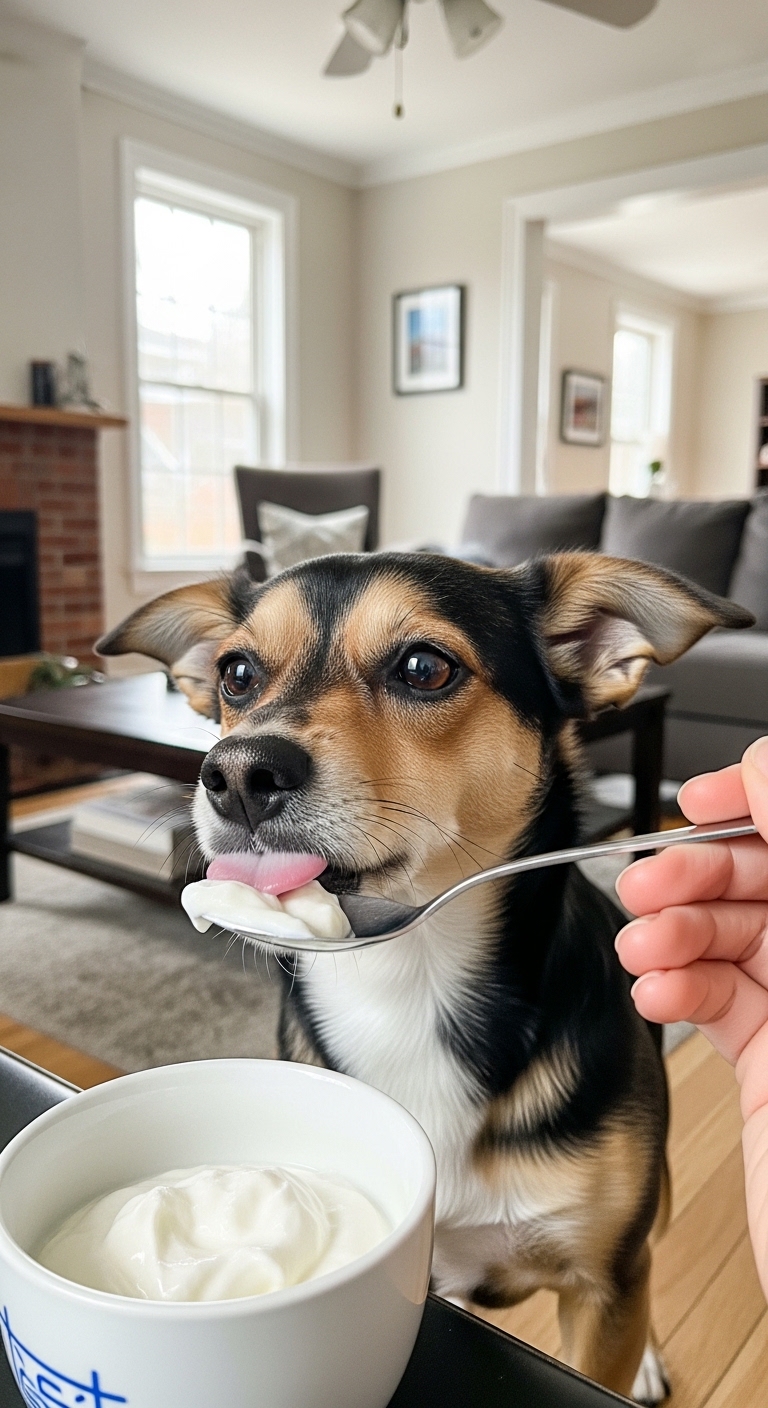
Adding a spoonful of plain yogurt to your dog’s meal a few times a week can be a simple way to boost their nutrition. It’s especially helpful for dogs on antibiotics, as the probiotics can restore good gut bacteria. Just mix it in with their regular food and watch their reaction. If they seem gassy or bloated, it might be too much too soon.
Choosing the Right Product
Look for yogurts labeled "plain" and "unsweetened." Avoid anything with fruit chunks or syrups mixed in, as these often contain added sugars. Organic yogurts are a good choice if available, as they’re less likely to have artificial additives. Brands that specifically market yogurt for pets are even better, as they’re formulated with canine digestion in mind.
Safety and Comfort
Always introduce yogurt gradually to avoid stomach upset. Start with a tiny amount and increase slowly over a week. If your dog shows signs of discomfort like vomiting or diarrhea, stop giving it and consult your vet. Also, avoid giving yogurt to puppies under six months old, as their digestive systems are still developing and may not handle dairy well.
Cleaning and Hygiene
If you’re using yogurt as a treat or meal topper, make sure to store it properly. Once opened, yogurt should be refrigerated and used within a week to prevent spoilage. If you’re giving it directly from the container, use a clean spoon to avoid cross-contamination. And always check the expiration date before serving.
Seasonal Adjustments
In the summer, frozen yogurt bites can be a refreshing treat for dogs. Just spoon small amounts of plain yogurt onto a tray and freeze for a few hours. These make a great hot-weather snack that’s hydrating and easy to digest. Just be sure to serve them in moderation to avoid brain freeze or stomach upset.
Age-Specific Advice
Senior dogs can benefit from the probiotics in yogurt, which may help with digestion and joint health. However, older dogs with weaker immune systems should only have plain, pasteurized yogurt to avoid any risk of harmful bacteria. For puppies, wait until they’re at least six months old before introducing yogurt, and always start with a very small amount.
Yogurt can be a healthy addition to your dog’s diet when chosen and served correctly. Always prioritize plain, unsweetened options and monitor your dog’s reaction.
Frequently Asked Questions
- → Is yogurt safe for all dogs?
Not all dogs can safely eat yogurt. Dogs with lactose intolerance or dairy allergies may experience digestive issues like diarrhea or vomiting. Always start with a small amount to test your dog’s tolerance.
- → What type of yogurt is best for dogs?
Plain, unsweetened yogurt with live and active cultures is ideal. Avoid flavored or sweetened yogurt, as these often contain artificial sweeteners like xylitol, which is toxic to dogs.
- → How much yogurt can I give my dog?
Portion size depends on your dog’s size. Small dogs should have no more than a teaspoon, while larger breeds can safely enjoy up to a tablespoon. Too much can cause stomach upset.
- → Can puppies eat yogurt?
Puppies can eat yogurt in moderation, provided they are not lactose intolerant. Yogurt can support their developing immune systems with probiotics, but always introduce it slowly.
- → What are the benefits of yogurt for dogs?
Yogurt offers several benefits, including improved digestion from probiotics, calcium for bone health, and protein for muscle maintenance. It can also help freshen breath and boost overall wellness.
- → Can yogurt help with my dog’s upset stomach?
Plain yogurt with live cultures may help soothe an upset stomach by restoring healthy gut bacteria. However, if your dog has severe vomiting or diarrhea, consult your vet before offering yogurt.