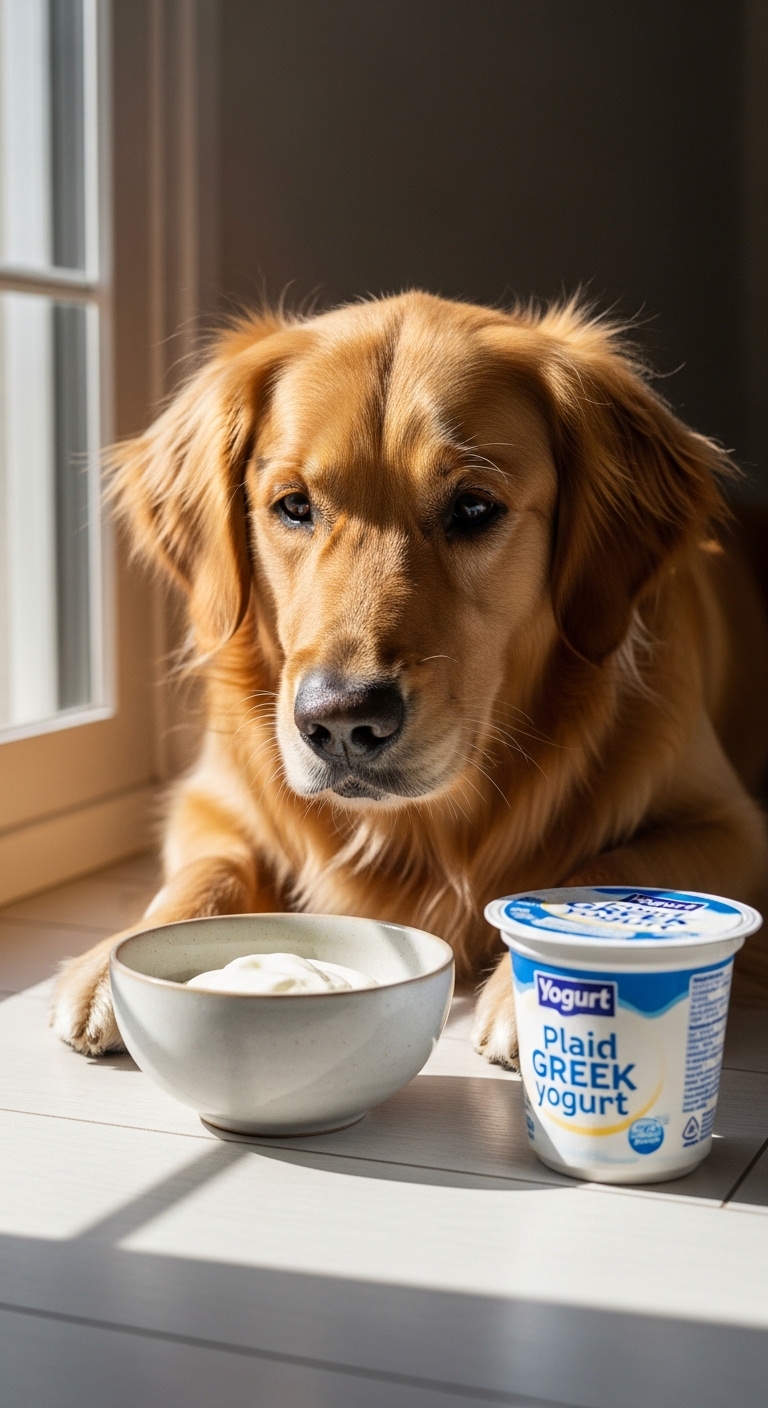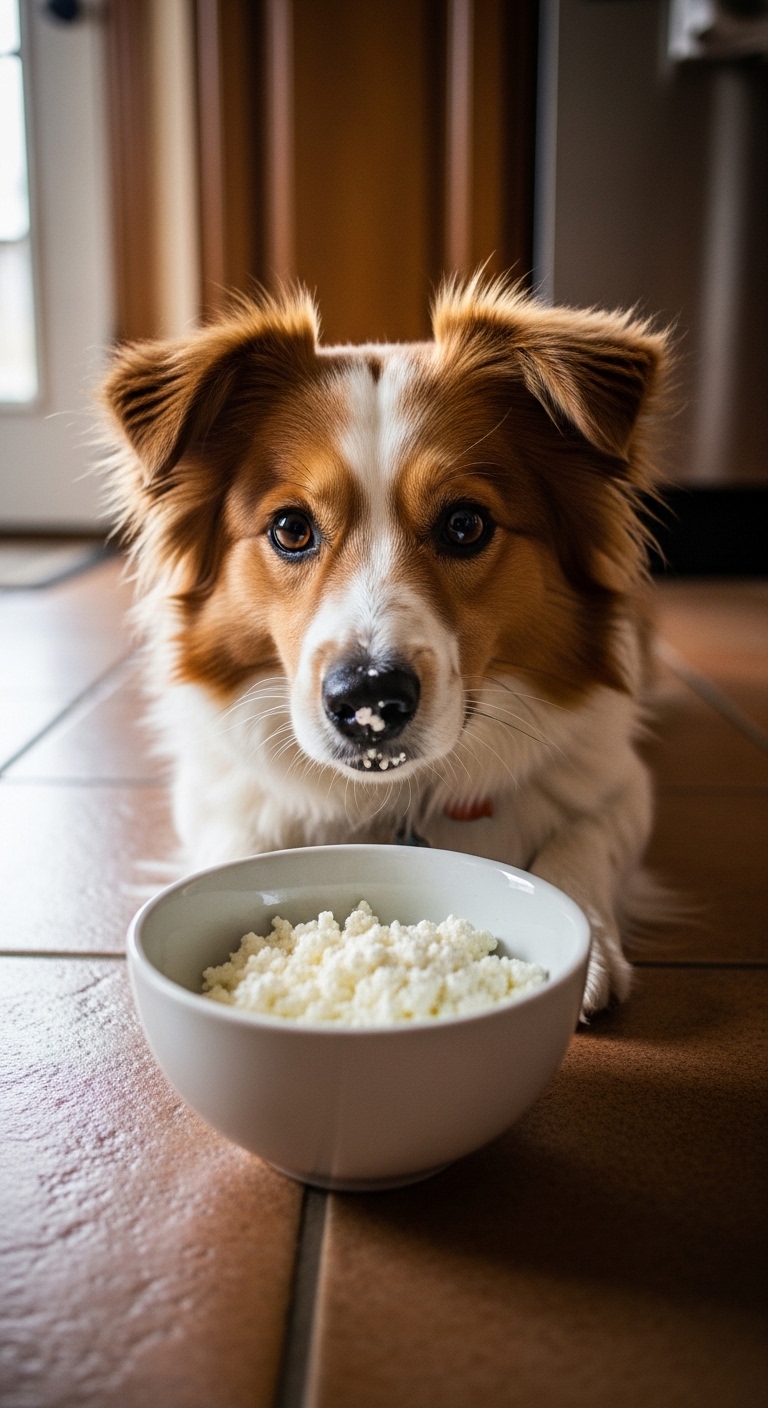
Can dogs have milk? It’s a question many pet owners ask, especially when their pup gives them those big, hopeful eyes during mealtime. While it might seem harmless to share a little milk with your dog, the truth isn’t as simple as a bowl of cereal. Some dogs tolerate milk just fine, but others can end up with an upset stomach or worse. Understanding how your dog reacts to dairy is key to keeping them happy and healthy.
I remember giving my neighbor’s golden retriever a sip of milk once, only to spend the next few hours cleaning up a mess I never expected. That’s when I realized how little most people know about this topic.
Key Things to Understand
- Lactose intolerance is common in dogs: Just like in humans, many dogs struggle to digest lactose properly.
- Breed sensitivities vary: Some breeds are more prone to dairy sensitivities than others.
- Portion size matters: Small amounts of milk might not cause issues, but larger portions often do.
- Alternative milk options exist: Goat milk is easier for some dogs to digest compared to cow’s milk.
- Watch for warning signs: Diarrhea, vomiting, or excessive gas after drinking milk indicate trouble.
What to Look For
Watch how your dog reacts after drinking milk. If they start licking their lips more than usual or seem restless, those could be early signs of discomfort. Pay attention to their bathroom habits too: any sudden changes in consistency or frequency might mean they’re having trouble processing the lactose. Some dogs will also show signs of itching or skin irritation if dairy doesn’t agree with them. If you notice any of these patterns, it’s worth reconsidering milk in their diet.
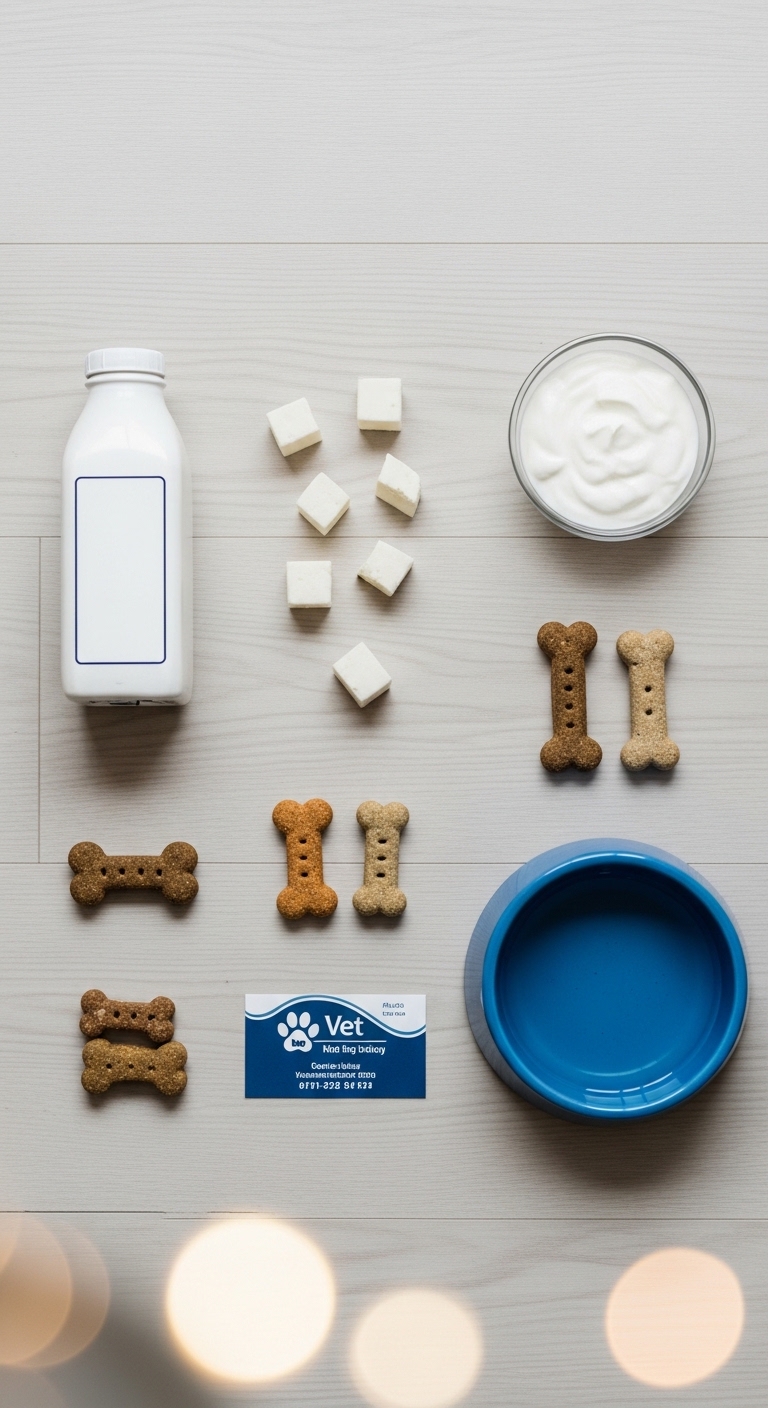
I once thought my beagle could handle milk because he loved the taste, but after a few incidents, I switched to plain yogurt instead. It’s been a much better fit for his system.
Safe Ways to Offer Dairy
If you’re determined to give your dog a dairy treat, there are ways to minimize risks. Start with tiny amounts and monitor their reaction closely. Lactose-free products or specially formulated pet milks can be gentler on their stomach. Always avoid flavored or sweetened varieties, as artificial additives can be harmful. Remember, water should always be their primary drink—milk is just an occasional indulgence at best.
When to Avoid Milk Completely
Some dogs should never have milk, no matter how much they beg. Puppies, senior dogs, and those with known digestive issues are especially vulnerable. Dogs with allergies or chronic conditions like pancreatitis may also react poorly. If your dog has ever had a bad experience with dairy, it’s safer to assume they’ll never tolerate it well. In these cases, stick to vet-approved treats and skip the milk entirely.
Healthier Alternatives to Milk
Fortunately, there are plenty of dog-friendly options that mimic the creaminess of milk without the risks. Plain, unsweetened yogurt (in moderation) can be a good probiotic-rich choice. Bone broth is another nutritious alternative that many dogs love. For a special treat, consider pet-safe “puppuccinos” made from whipped coconut cream or lactose-free formulations. Always introduce new foods slowly and consult your vet if you’re unsure.
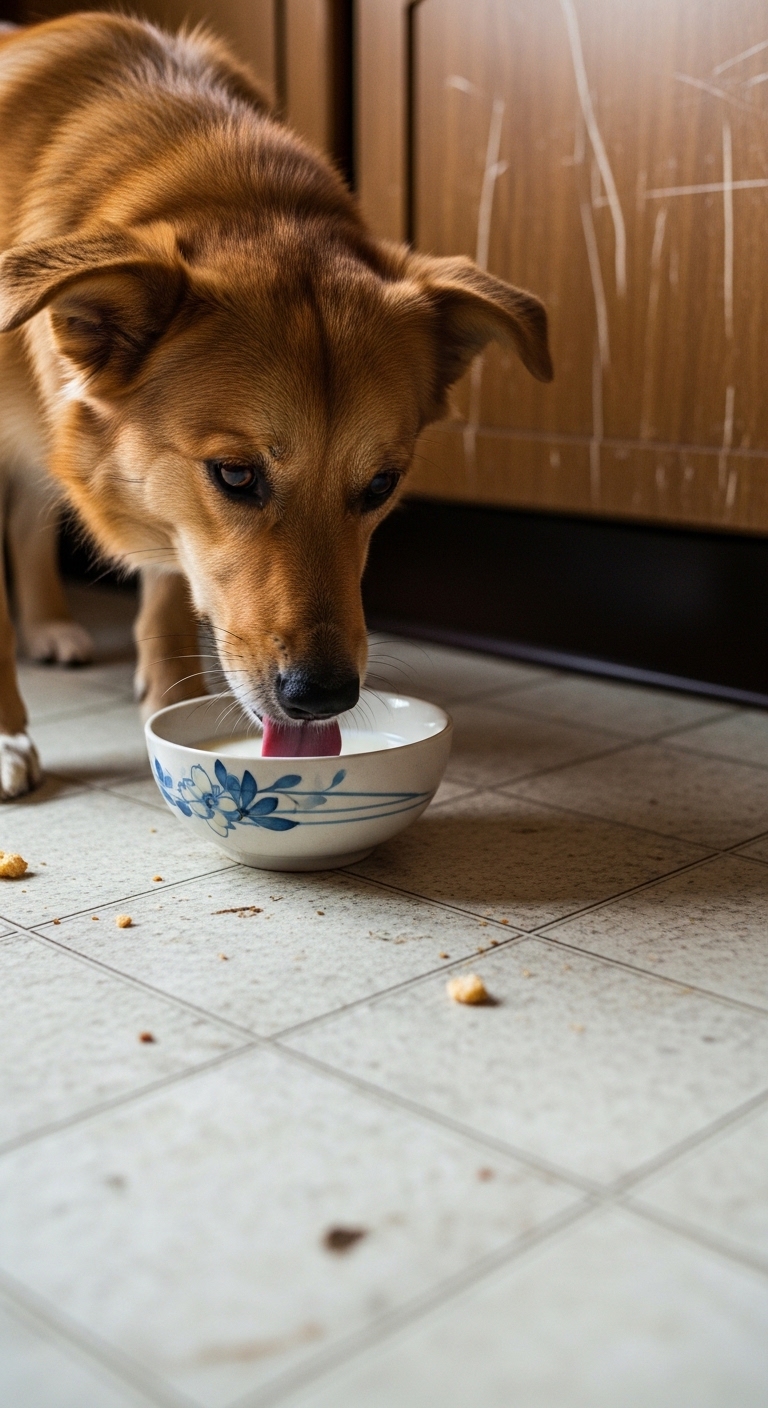
When in doubt, skip the milk altogether and opt for dog-safe treats instead. Your pup’s comfort is always the top priority, and sometimes that means saying no to those puppy eyes.
Frequently Asked Questions
- → Is milk safe for all dogs?
No, not all dogs can safely drink milk. Many adult dogs are lactose intolerant, which means their bodies struggle to digest lactose, leading to digestive issues like diarrhea or gas. Puppies can typically digest milk from their mother, but adult dogs often lack sufficient lactase enzymes.
- → What happens if my dog drinks milk?
If your dog is lactose intolerant, drinking milk may cause digestive upset, including diarrhea, vomiting, or excessive gas. Symptoms usually appear within a few hours of consumption. Severe reactions are rare but possible in dogs with sensitive stomachs.
- → Are there safer milk alternatives for dogs?
Yes, lactose-free milk or specially formulated pet milk products are safer options. Goat's milk is another alternative, as it contains less lactose than cow's milk. Always choose unsweetened and unflavored varieties to avoid added sugars or artificial ingredients.
- → How much milk can a dog safely drink?
If your dog tolerates milk, offer it in small amounts as an occasional treat. A few tablespoons for a large dog or a teaspoon for a small dog is sufficient. Overfeeding milk can lead to digestive issues, even in tolerant dogs.
- → Can puppies drink cow's milk?
Puppies can digest their mother's milk, but cow's milk is not ideal for them. Cow's milk contains higher levels of lactose and may cause digestive upset. Stick to puppy formula or mother's milk for young dogs to ensure proper nutrition.
- → What should I do if my dog drinks milk and gets sick?
If your dog shows signs of digestive upset after drinking milk, remove milk from their diet and provide plenty of fresh water. Monitor their symptoms closely. If symptoms persist or worsen, contact your veterinarian for advice.