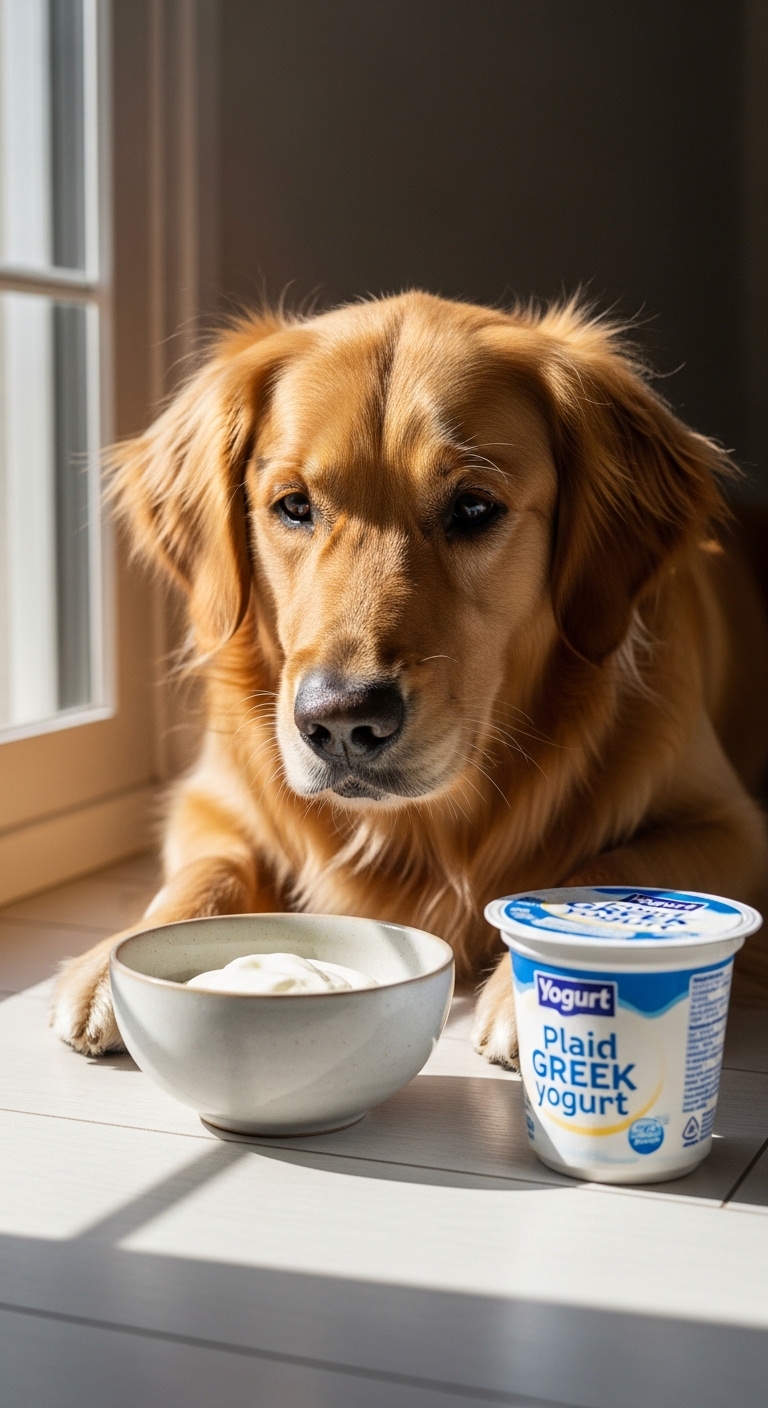
Can dogs have cottage cheese? It’s a question many pet owners ask when looking for healthy, protein-rich treats for their furry friends. Cottage cheese is often praised for its calcium and protein content, but is it safe for dogs? The answer isn’t as simple as yes or no: it depends on your dog’s health, diet, and how you introduce it. For some dogs, cottage cheese can be a great occasional snack, while for others, it might cause digestive upset or even long-term health issues. Understanding the right way to offer it can make a big difference in your dog’s well-being.
It’s easy to assume that human foods are fine for dogs just because they’re not toxic, but that’s not always true. I once gave my neighbor’s dog a spoonful of cottage cheese as a treat, only to find out later that the dog was lactose intolerant. The poor pup spent the next few hours dealing with an upset stomach, which was a lesson in always checking before sharing human food.
Key Things to Understand
- Lactose intolerance: Many dogs struggle to digest lactose, which can cause diarrhea or gas. Cottage cheese contains lactose, so monitor your dog’s reaction closely.
- Fat content: High-fat varieties can lead to weight gain or pancreatitis. Always choose low-fat or non-fat options.
- Allergies: Some dogs may be sensitive to dairy proteins, leading to itching or skin irritation.
- Health conditions: Dogs with kidney disease, diabetes, or pancreatitis should avoid cottage cheese unless approved by a vet.
What to Look For
When considering cottage cheese for your dog, pay attention to the ingredients list. Avoid varieties with added salt, garlic, or onion, as these can be toxic to dogs. The texture should be smooth and lump-free, as large curds can pose a choking hazard, especially for smaller breeds. Observe your dog’s reaction after the first few servings. Signs of digestive upset, such as vomiting or loose stools, mean it’s best to avoid cottage cheese in the future. If your dog shows no adverse effects, you can gradually increase the portion size, but keep it as a rare treat rather than a daily snack. Also, check for any changes in your dog’s energy levels or coat condition, as these can indicate whether the food is agreeing with them.
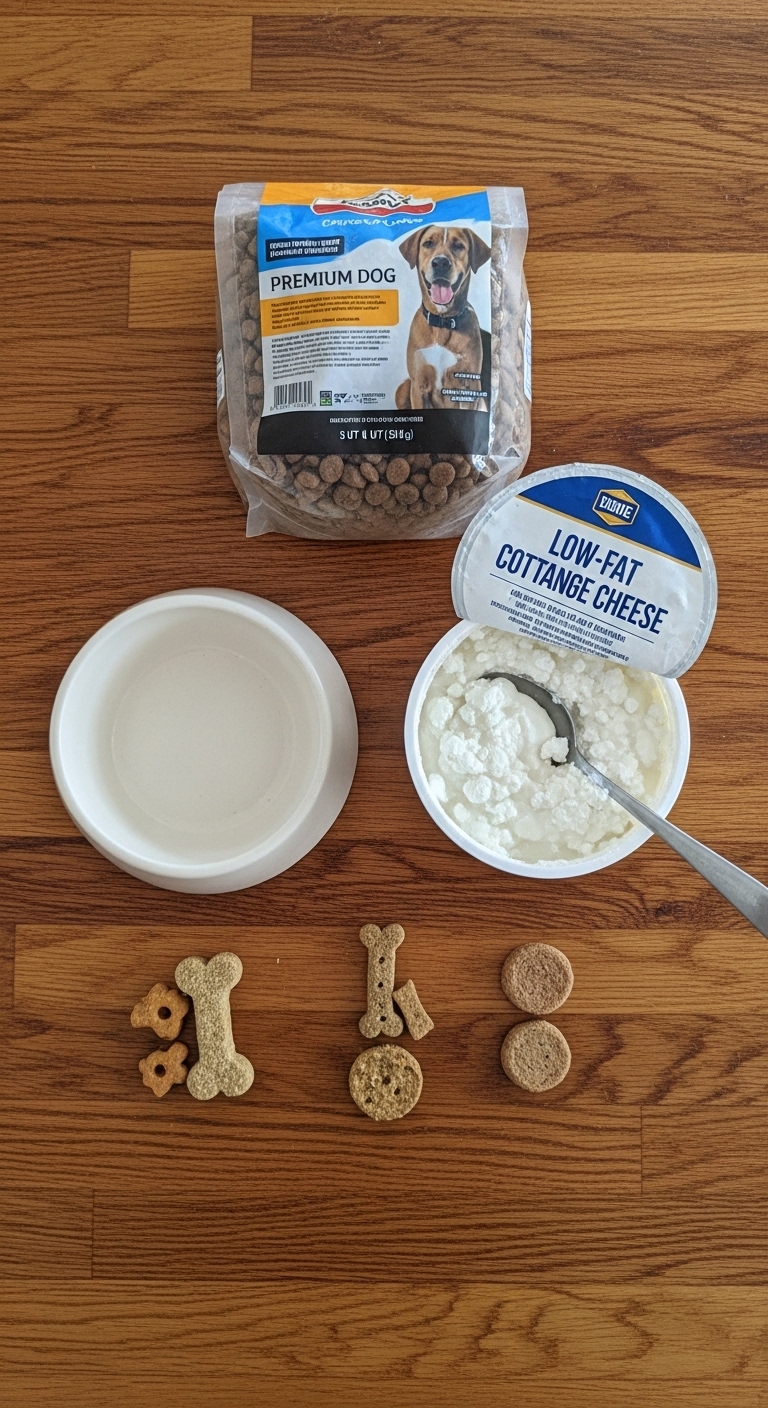
I’ve seen cases where a dog ate cottage cheese for years without issues, only to suddenly develop digestive problems. It’s a reminder that pets can change, and what worked before might not always be safe. If you’re unsure, your vet is the best resource for personalized advice.
Daily Care Habits
Incorporating cottage cheese into your dog’s routine can be a simple way to add variety to their meals, but it’s important to balance it with their regular diet. If you’re using cottage cheese as a training reward or a food topper, use it sparingly to avoid overfeeding. Some dogs love the taste and may beg for more, but resist the urge to give in: portion control is key. If your dog is on a weight management plan, cottage cheese can be a low-calorie alternative to higher-fat treats, but still, keep the servings small. You can also mix it with their kibble or wet food to make mealtime more exciting, but monitor their overall calorie intake to prevent weight gain.
Choosing the Right Product
Not all cottage cheeses are created equal when it comes to feeding your dog. Opt for organic, plain cottage cheese with no added sugars or artificial ingredients. The fewer additives, the better, as these can cause more harm than the dairy itself. If possible, choose a low-lactose or lactose-free variety to reduce the risk of digestive upset. Always check the label for xylitol, a sweetener that’s extremely toxic to dogs, even in small amounts. If you’re unsure about a brand, your vet can recommend a pet-safe alternative that offers similar nutritional benefits without the risks.
Safety and Comfort
While cottage cheese is generally safe for dogs, it’s not without risks. The high sodium content in some brands can lead to dehydration or sodium ion poisoning if consumed in large quantities. Dogs with sensitive stomachs may experience bloating or discomfort after eating dairy, so it’s best to introduce it slowly. If your dog has a history of pancreatitis, avoid cottage cheese entirely, as the fat content can trigger flare-ups. Always serve it at room temperature to make it easier for your dog to digest, and never force it if they show disinterest or reluctance.

When in doubt, always consult your vet before introducing new foods to your dog’s diet. Cottage cheese can be a healthy, tasty treat when used correctly, but it’s not a one-size-fits-all solution.
Frequently Asked Questions
- → Is cottage cheese safe for all dogs?
Not all dogs can tolerate cottage cheese well. Some may experience digestive issues like diarrhea or gas due to lactose intolerance. Always introduce it in small amounts and watch for adverse reactions.
- → How much cottage cheese can I give my dog?
Start with a small amount—about one teaspoon per 10 pounds of body weight. Too much can cause stomach upset or contribute to weight gain, especially in smaller breeds.
- → Can puppies eat cottage cheese?
Puppies can eat cottage cheese in moderation, as it provides protein and calcium. However, ensure it’s plain and unseasoned to avoid harmful additives. Consult your vet for personalized advice.
- → What type of cottage cheese is best for dogs?
Opt for low-fat or non-fat cottage cheese without any added flavors, salt, or seasonings. Plain varieties are safest and easiest for dogs to digest.
- → Are there risks to feeding cottage cheese to dogs?
Yes, risks include lactose intolerance, weight gain from high fat content, or allergic reactions. Always introduce it slowly and consult your vet if your dog has health conditions like pancreatitis.
- → Can lactose-intolerant dogs have cottage cheese?
Lactose-intolerant dogs may struggle with cottage cheese due to its lactose content. Consider lactose-free alternatives like plain yogurt or cottage cheese made for pets if your dog is sensitive.