Can dogs eat walnuts? It’s a question that pops up more often than you’d think, especially when you’re snacking and your pup gives you that classic “I’m starving” look. Walnuts seem harmless enough, packed with healthy fats and protein, but for dogs, they can actually be risky. Even a small amount might cause more trouble than you expect, from mild stomach upset to serious blockages. Knowing the facts helps you keep your dog safe without missing out on treats they can actually enjoy.
I’ll never forget the time a friend gave her golden retriever a single walnut as a “healthy” treat. By morning, the dog was lethargic and refusing food. A quick vet visit confirmed a mild obstruction—nothing life-threatening, but enough to teach both of us a hard lesson about assumptions.
Key Things to Understand
- Walnuts contain juglone: a toxin that can cause weakness or vomiting in dogs
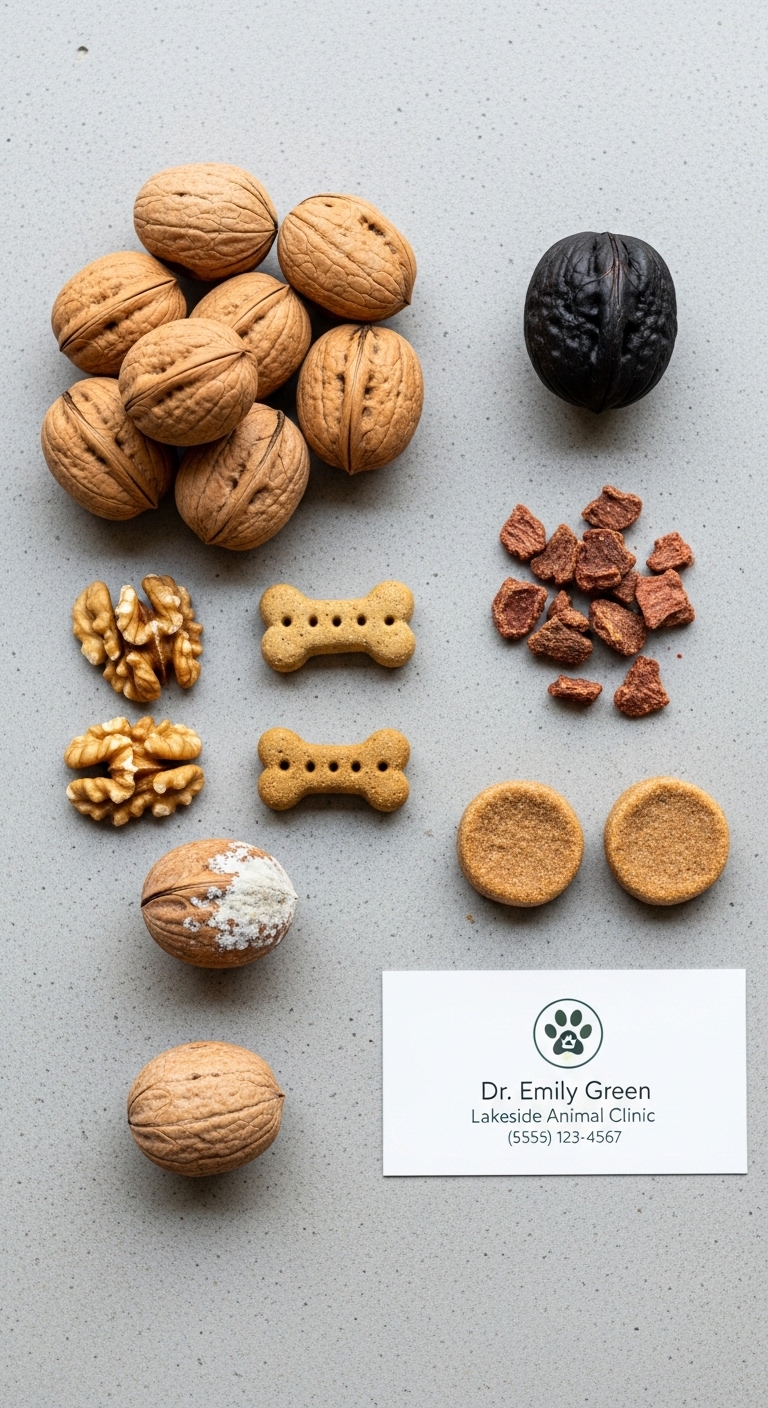
- Black walnuts are especially risky: because they’re harder to digest and may contain mold
- English walnuts are less toxic: but still pose a choking hazard or intestinal blockage risk
- Even shelled walnuts can splinter: and damage a dog’s mouth or throat
- Portion size matters: what’s harmless for you could be dangerous for a small dog
What to Look For
Watch for signs of discomfort like drooling, pawing at the mouth, or sudden lethargy after your dog eats something new. If you notice vomiting, diarrhea, or a bloated belly, it’s time to call the vet. Pay attention to how your dog chews: small dogs and fast eaters are more likely to swallow pieces whole, which increases the risk of choking or blockages. Also check the packaging of any human snacks you share; some “healthy” trail mixes or baked goods contain walnuts even if they’re not obvious.
I once saw a chihuahua sneak a walnut off a coffee table while its owner was distracted. The owner assumed it was fine because the dog seemed okay at first. By the next morning, the little guy was refusing food and acting strangely. A quick trip to the emergency vet confirmed a partial obstruction that required fluids and monitoring. It’s a reminder that even tiny amounts can lead to big trouble.
Safer Snack Alternatives
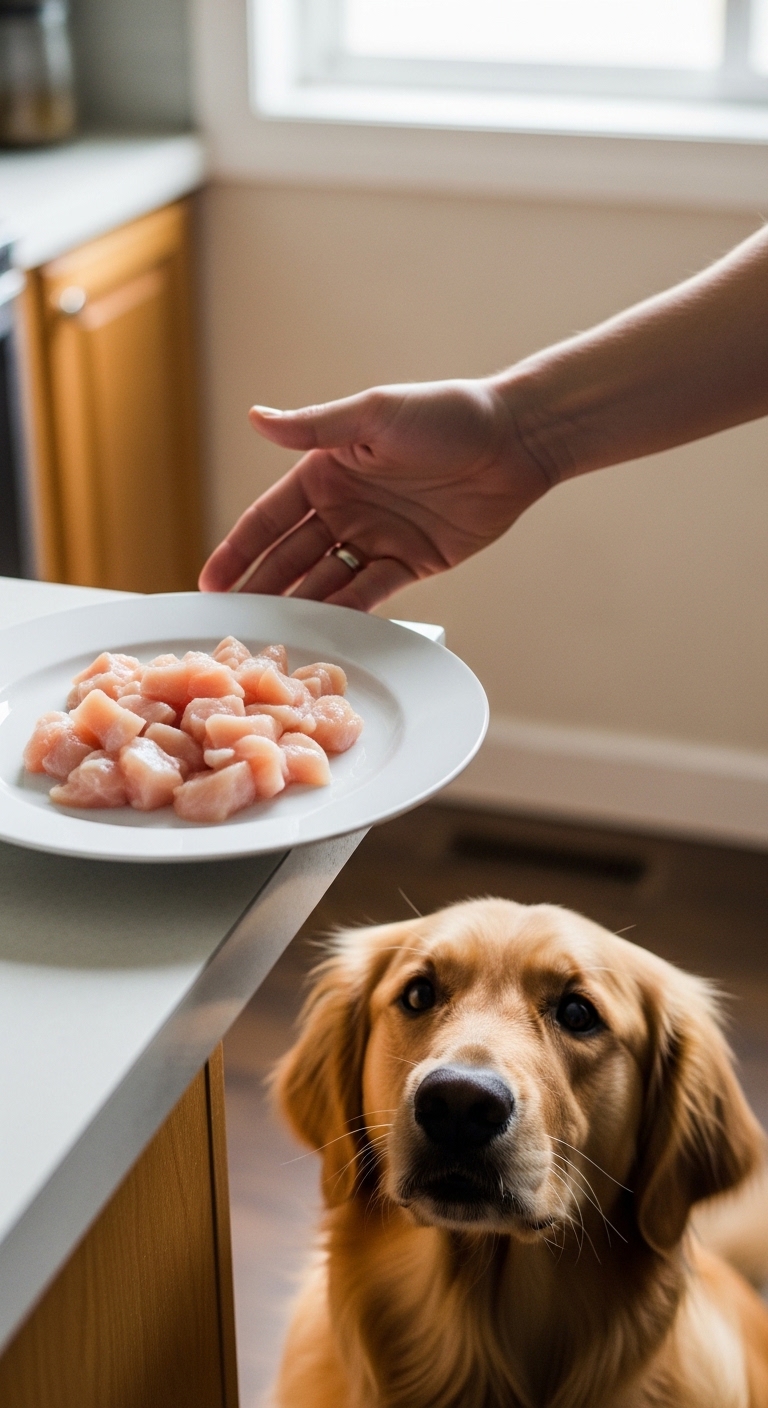
If you want to share a crunchy treat, try plain pumpkin seeds or unsalted sunflower seeds instead. Small pieces of apple or carrot work too, as long as you remove any seeds or cores. For a protein boost, plain cooked chicken or turkey (no seasoning) is usually a hit. Always introduce new foods slowly and in small amounts to see how your dog reacts.
When to Call the Vet
If your dog eats walnuts and shows any signs of distress—vomiting, diarrhea, lethargy, or loss of appetite—don’t wait. Even if symptoms seem mild at first, they can escalate quickly. Keep the vet’s number saved in your phone and don’t hesitate to ask questions. It’s always better to be safe than sorry when it comes to your pet’s health.
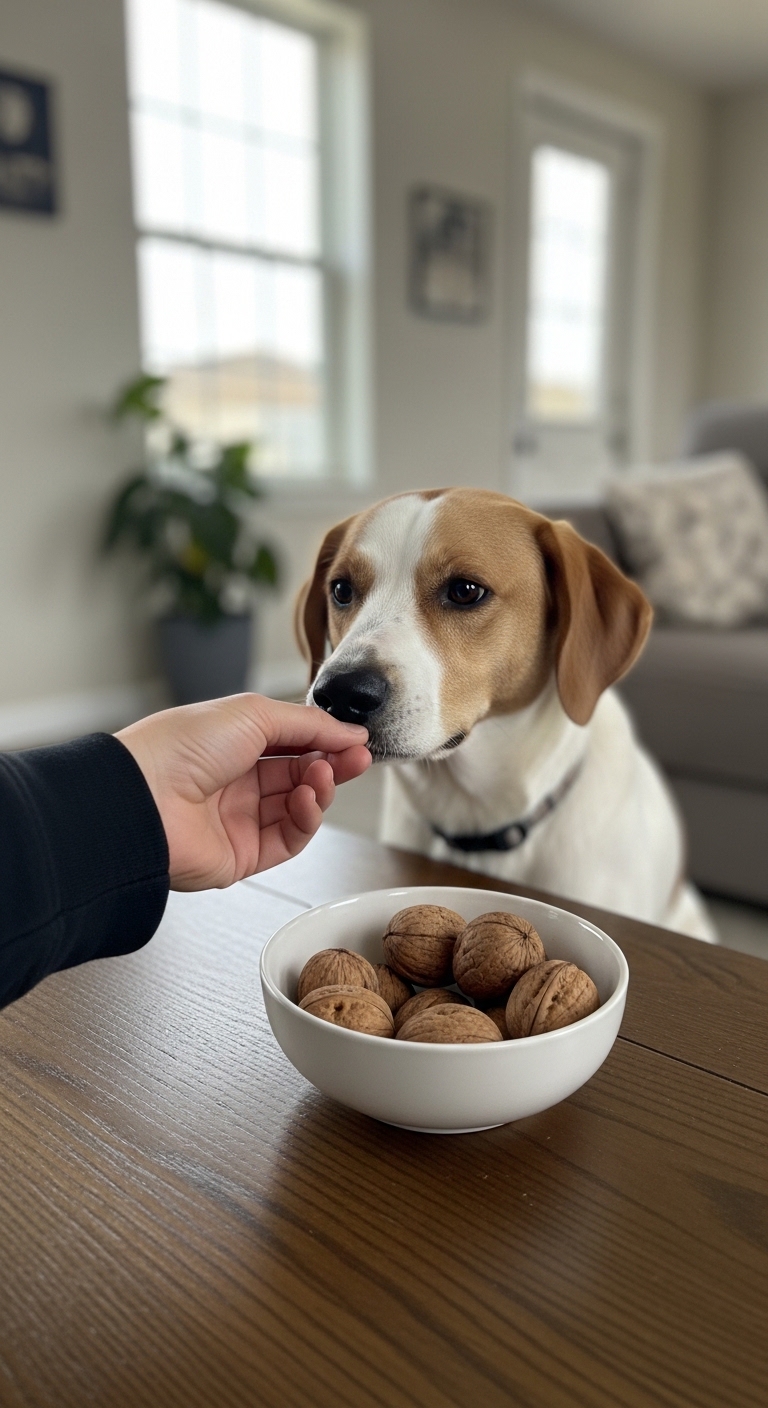
When in doubt, stick to vet-approved treats. Your dog’s health is worth the extra caution.
Frequently Asked Questions
- → Are walnuts toxic to dogs?
Walnuts are not toxic in the same way as chocolate or grapes, but they pose significant health risks. Their high fat content can lead to pancreatitis, while their hard shells may cause choking or intestinal blockages.
- → What happens if my dog eats a walnut?
Symptoms may include vomiting, diarrhea, abdominal pain, lethargy, or tremors. In severe cases, ingestion can lead to pancreatitis or an obstruction requiring emergency veterinary care.
- → Can dogs eat walnut shells?
No, walnut shells are dangerous as they can splinter and cause choking, mouth injuries, or intestinal perforations. Always keep walnuts and their shells away from pets.
- → What are safer alternatives to walnuts for dogs?
Opt for dog-safe treats like plain pumpkin, blueberries, carrots, or commercial dog snacks. Always introduce new foods gradually and in moderation after consulting your vet.
- → How much walnut is dangerous for a dog?
Even small amounts can be risky, especially for smaller breeds. The high fat content alone can trigger pancreatitis, so it’s best to avoid walnuts entirely and choose healthier options.
- → Can walnuts cause long-term health issues in dogs?
Repeated exposure may contribute to chronic conditions like obesity, pancreatitis, or liver problems due to their fat content and potential for mold contamination (e.g., black walnuts).