Can dogs have green beans? It’s a question many pet owners ask when looking for healthy, low-calorie treats to add to their dog’s diet. Green beans are often recommended as a safe and nutritious option, but there are a few things to keep in mind before sharing them with your pup. Whether you’re trying to find a crunchy snack or a way to sneak in some extra veggies, understanding the right way to serve green beans can make a big difference in your dog’s health and happiness.
I remember the first time I gave my dog a handful of steamed green beans as a snack: he looked at me like I’d just handed him a gourmet meal. It was a small change, but it made me realize how much dogs can enjoy simple, healthy foods when introduced the right way.
Key Things to Understand
- Safety and preparation: Green beans are safe for dogs when prepared correctly, but raw green beans can be tough to digest and may pose a choking hazard for smaller breeds. Steaming or boiling them until soft makes them easier to eat and gentler on their stomachs.
- Best types to choose: Fresh or frozen green beans are the best options, while canned green beans should be avoided due to high sodium content. The added salt and preservatives in canned varieties can be harmful to dogs over time.
- Nutritional benefits: Green beans are low in calories and high in fiber, making them a great option for dogs on a diet or those who need a crunchy, satisfying snack. They also provide vitamins like A, C, and K, which support overall health.
- Gradual introduction: Introducing green beans slowly is important to avoid digestive upset. Start with small amounts and monitor your dog for any signs of discomfort, bloating, or diarrhea.
- Avoid harmful additives: Avoid seasoning green beans with garlic, onions, salt, or butter, as these ingredients are toxic to dogs or can cause health issues like pancreatitis.
What to Look For
When choosing green beans for your dog, freshness is key. Look for firm, bright green pods without any wilting or discoloration. Frozen green beans are a convenient alternative, especially if fresh ones aren’t available, but make sure they’re plain with no added sauces or seasonings. If you’re using canned green beans, rinse them thoroughly under water to reduce the sodium content, though it’s still best to opt for fresh or frozen whenever possible.
Pay attention to how your dog reacts after eating green beans for the first time. Some dogs may love the crunchy texture, while others might take a little time to warm up to the taste. If your dog has a sensitive stomach, start with just a few pieces and see how they tolerate it before offering more. Watch for signs of gas, bloating, or loose stools, which could indicate that the green beans aren’t agreeing with them.
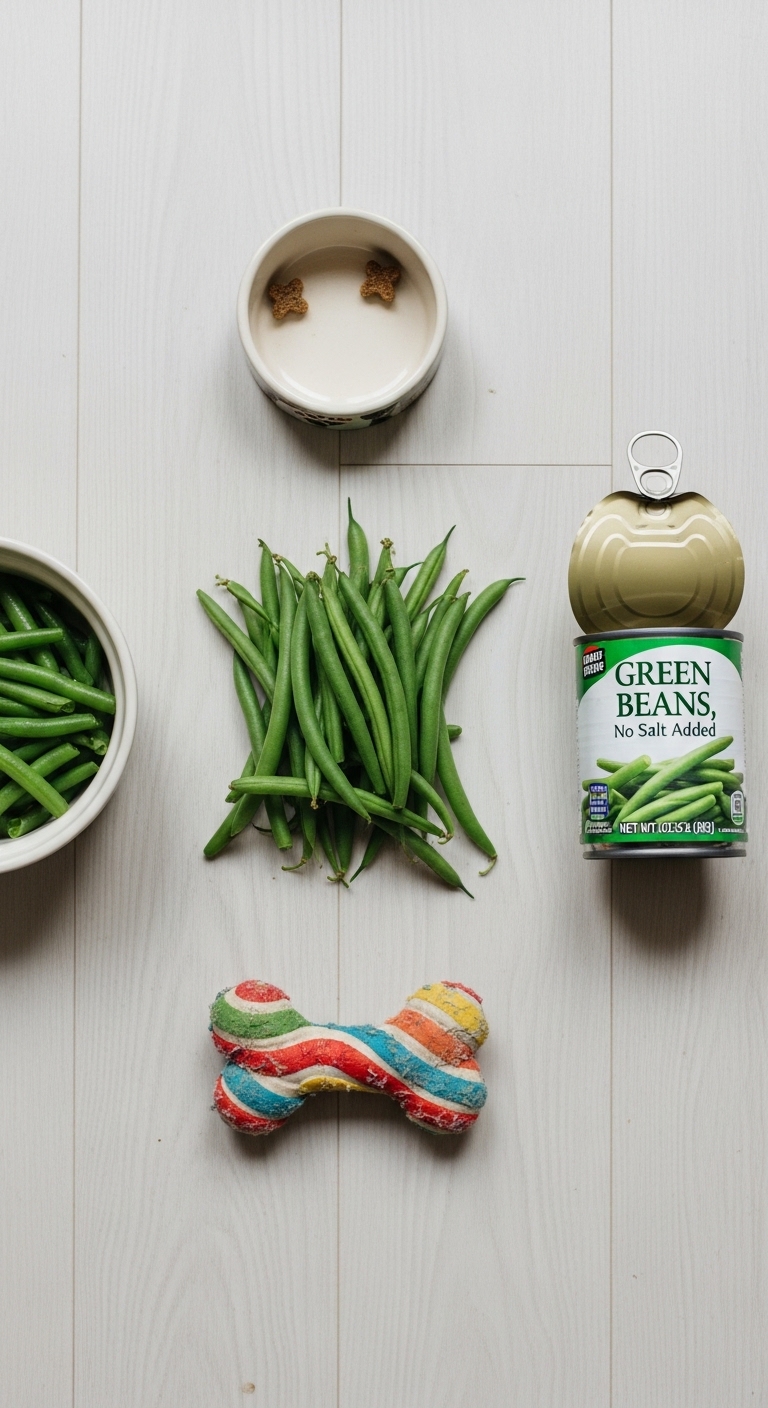
I once gave my neighbor’s small dog a whole green bean pod, thinking it would be fine. Within minutes, the dog was gagging and struggling to swallow it. It was a good reminder that even healthy foods need to be prepared with care. Another common mistake is assuming that all human foods are safe for dogs: always double-check before sharing something new.
Using Green Beans as Training Rewards
Serving green beans as a treat is a great way to add variety to your dog’s diet, but moderation is key. Too many green beans at once can lead to digestive issues, especially if your dog isn’t used to high-fiber foods. Think of them as an occasional snack rather than a daily staple, and always balance them with your dog’s regular diet.
Green beans can also be a helpful addition during training sessions. Their crunchy texture makes them an appealing reward, and their low calorie count means you won’t have to worry about overfeeding. Just keep a few pieces on hand during walks or playtime to reinforce good behavior without derailing your dog’s nutrition plan.
Incorporating Green Beans for Picky Eaters
For dogs who are picky eaters, mixing chopped green beans into their regular food can be a sneaky way to boost their nutrient intake. The mild flavor blends well with most dog foods, and the extra fiber can help with digestion. If your dog turns their nose up at the green beans at first, try lightly steaming them to enhance the aroma and make them more enticing.
Green Beans for Weight Management
If your dog struggles with weight management, green beans can be a fantastic low-calorie treat to help them feel full without adding extra calories. They’re also a great alternative to store-bought treats that are often packed with unhealthy fats and additives. Just remember to keep portions small and balanced with their overall diet.
Another thing to consider is how you serve green beans. Some dogs prefer them raw for the extra crunch, while others enjoy them cooked for a softer texture. Experiment with both methods to see what your dog likes best. If you’re using green beans as a training tool, the raw version might be more appealing due to the satisfying snap when they bite into it.
Engaging Your Dog with Green Beans
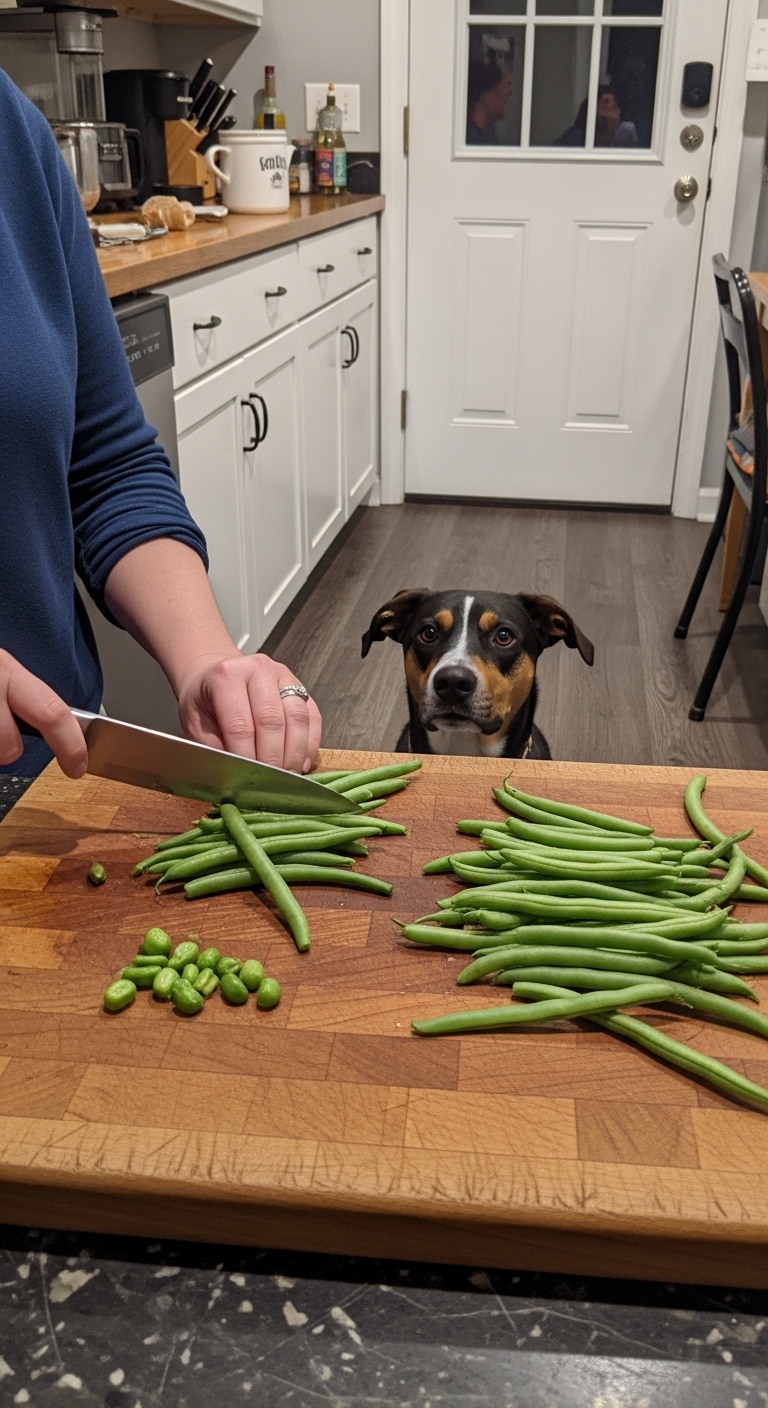
Green beans aren’t just a treat: they can also be a fun way to engage your dog’s natural foraging instincts. Try scattering a few pieces in their food bowl or hiding them around the house for a mini scavenger hunt. It’s a simple way to keep them mentally stimulated and make mealtime more exciting.
Green beans can be a healthy, low-calorie addition to your dog’s diet when served properly. Always prioritize freshness and moderation for the best results.
Frequently Asked Questions
- → Are green beans safe for all dogs?
Most dogs can safely eat green beans, but always introduce them gradually. Avoid feeding green beans to dogs with kidney issues or those prone to bladder stones due to their oxalate content.
- → How should I prepare green beans for my dog?
Wash thoroughly, remove stems and ends, and chop into bite-sized pieces. Serve raw, steamed, boiled, or baked without any seasoning or oils.
- → Can green beans help my dog lose weight?
Yes! Green beans are low in calories and high in fiber, making them an excellent treat for weight management. Replace some of your dog’s kibble with chopped green beans to reduce calorie intake.
- → How many green beans can I give my dog?
As a treat, green beans should make up no more than 10% of your dog’s daily calorie intake. For a medium-sized dog, a few pieces per day are sufficient. Always monitor for digestive changes.
- → Can puppies eat green beans?
Yes, puppies can eat green beans in moderation. Ensure they are soft and easy to chew. Introduce slowly to avoid stomach upset and consult your vet for portion sizes based on your puppy’s size and breed.
- → Are canned green beans safe for dogs?
Only plain canned green beans without added salt, preservatives, or seasonings are safe. Rinse them thoroughly to remove excess sodium before serving.