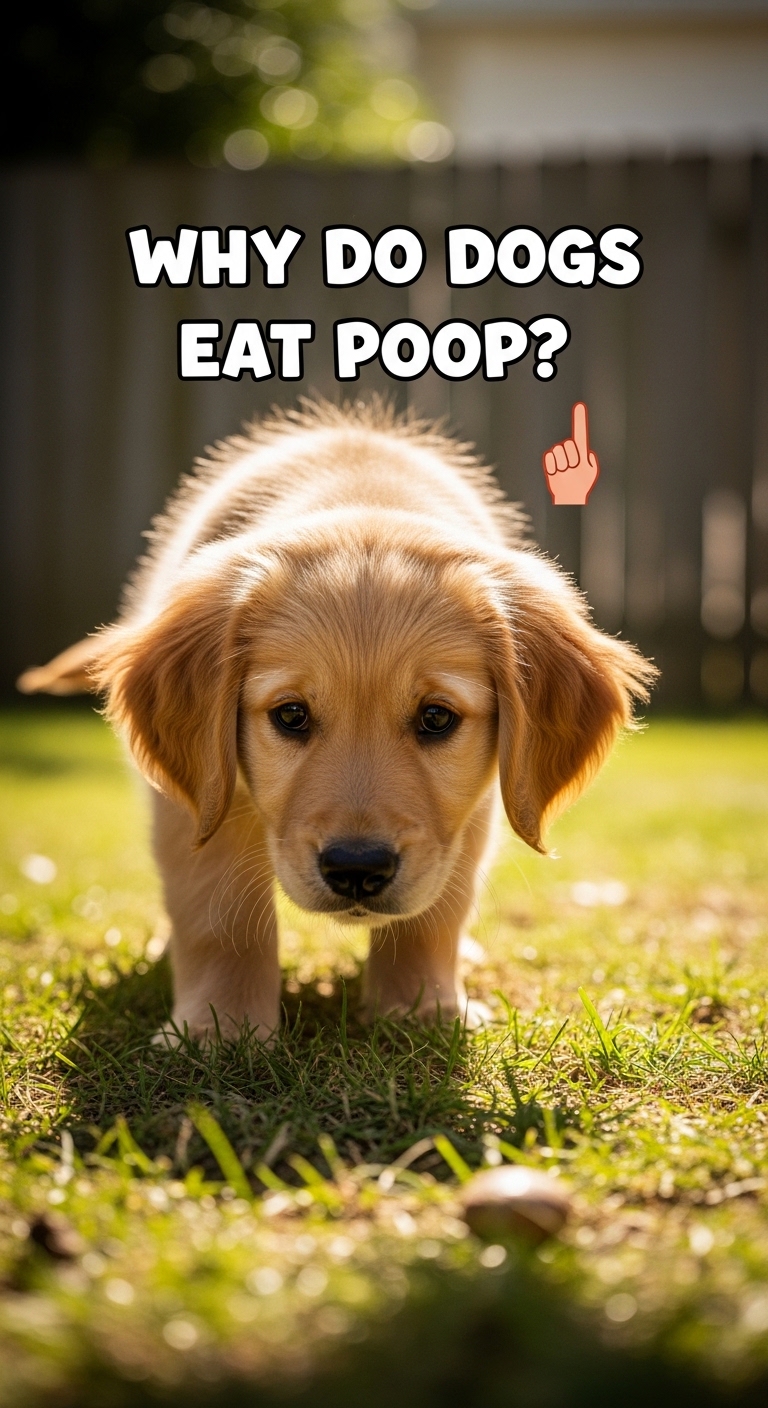
Why do dogs eat their own poop? It’s a question that baffles many pet owners, but it’s more common than you might think. This behavior, called coprophagia, can be frustrating and even worrying, especially when your dog seems perfectly healthy. Understanding why it happens helps you address the root cause instead of just the symptom. It matters because it affects your dog’s health, your home’s cleanliness, and even your peace of mind.
I’ve seen dogs stop eating poop just by adjusting their diet or adding a bit more exercise to their routine. Small changes can make a big difference.
Key Things to Understand
- Coprophagia is normal in puppies: as they explore the world with their mouths
- Adult dogs may do it: due to nutritional deficiencies, boredom, or anxiety
- Breed tendencies: some breeds are more prone to this behavior than others
- Medical triggers: parasites or malabsorption can encourage the habit
- Diet’s role: poor-quality food or insufficient nutrients can worsen the behavior
What to Look For
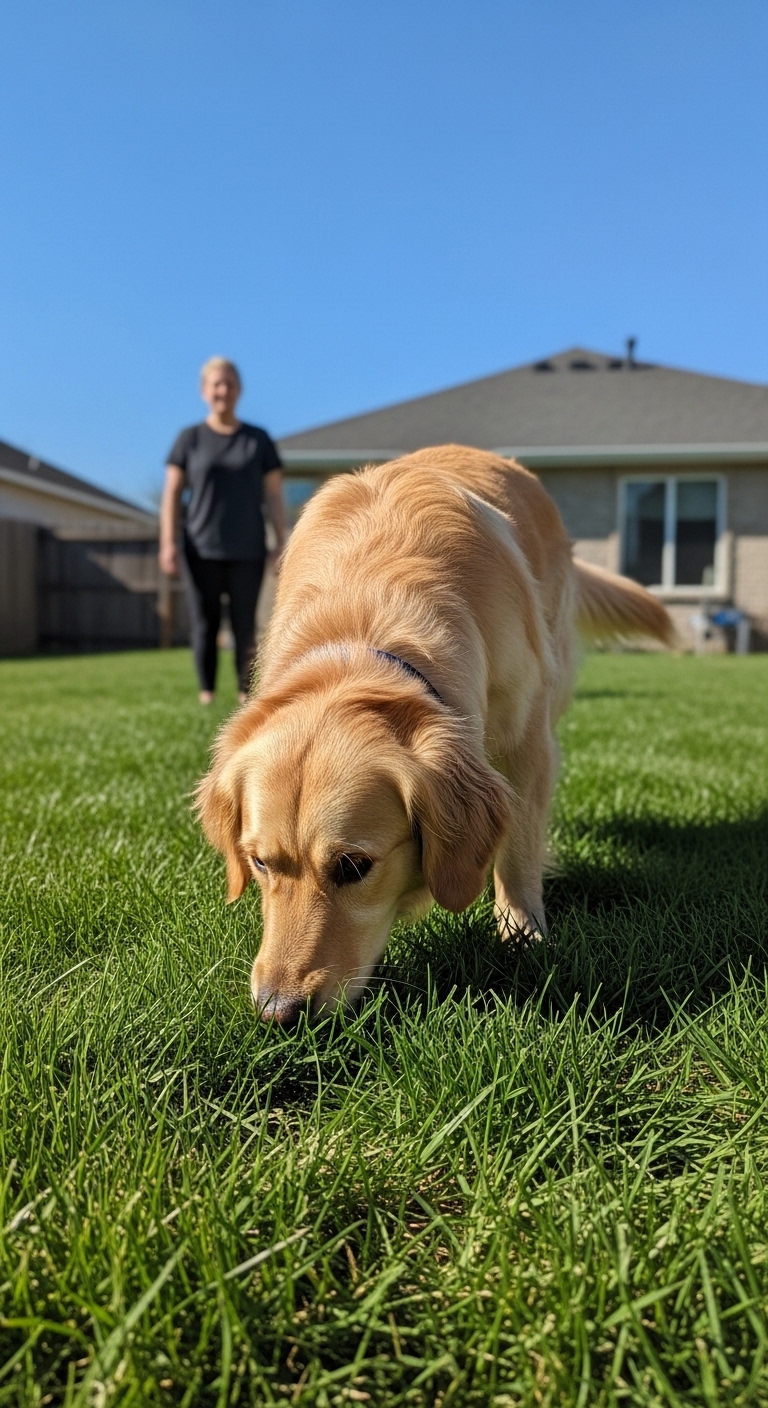
Watch for patterns in when your dog eats poop. Is it right after meals? Does it happen more when they’re left alone? These clues can point to boredom or anxiety. Also, check their stool consistency: if it’s soft or unusual, it might signal digestive trouble. Some dogs are sneaky about it, so if you notice them sniffing around the yard more than usual, they might be on the hunt for an old deposit. Pay attention to their energy levels too. A dog who’s restless or overly curious could be trying to fill a void in their routine.
I once had a client whose dog stopped eating poop after switching to a food with more digestible protein. It wasn’t a quick fix, but consistency made all the difference. Another common mistake is assuming it’s just a bad habit: sometimes it’s a cry for more mental stimulation.
Daily Care Habits
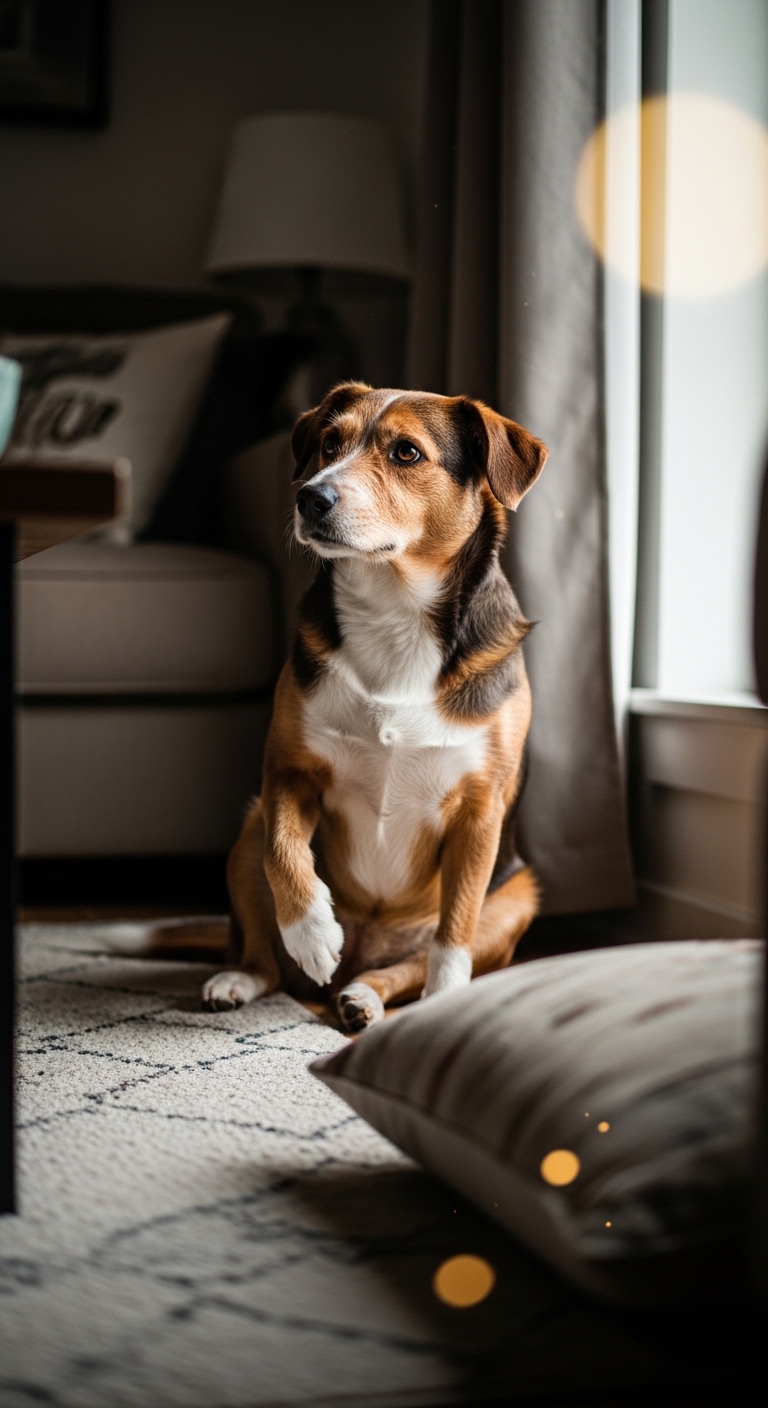
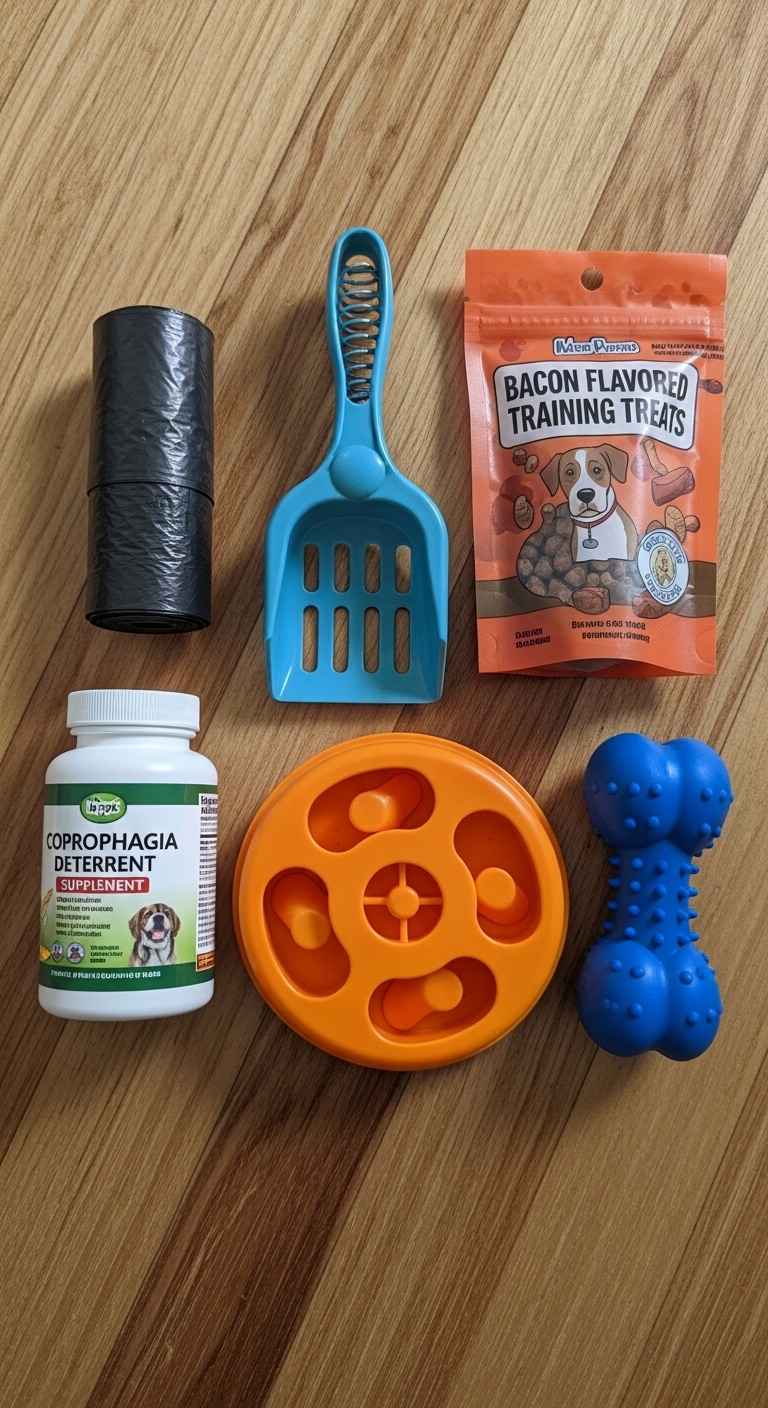
A bored dog is more likely to snack on poop out of sheer curiosity or frustration. Adding daily walks, puzzle toys, or training sessions can redirect their energy. Even a simple game of fetch or hide-and-seek with treats can keep their mind engaged. Rotate toys regularly to prevent boredom, and consider feeding them in a slow feeder to make mealtime last longer. If your dog is home alone for hours, leaving a treat-dispensing toy can help pass the time.
Choosing the Right Product
Look for foods with high-quality protein sources like chicken, beef, or fish as the first ingredient. Avoid fillers like corn or soy, which don’t provide much nutritional value. Probiotics and digestive enzymes can also support gut health, making poop less appealing. Some owners swear by adding pumpkin puree to meals: it’s not a miracle cure, but it can help firm up stools. If you’re considering supplements, check with your vet first to ensure they’re safe for your dog.
Safety and Comfort
Never use deterrent sprays or products with strong odors without checking with your vet first. Some contain ingredients that could upset your dog’s stomach. If your dog is eating poop in the yard, keep the area clean and pick up waste promptly. For dogs who target litter boxes, try a covered box or place it in a less accessible spot. Stress can also play a role, so create a calm environment with a cozy bed, familiar smells, and a predictable routine.
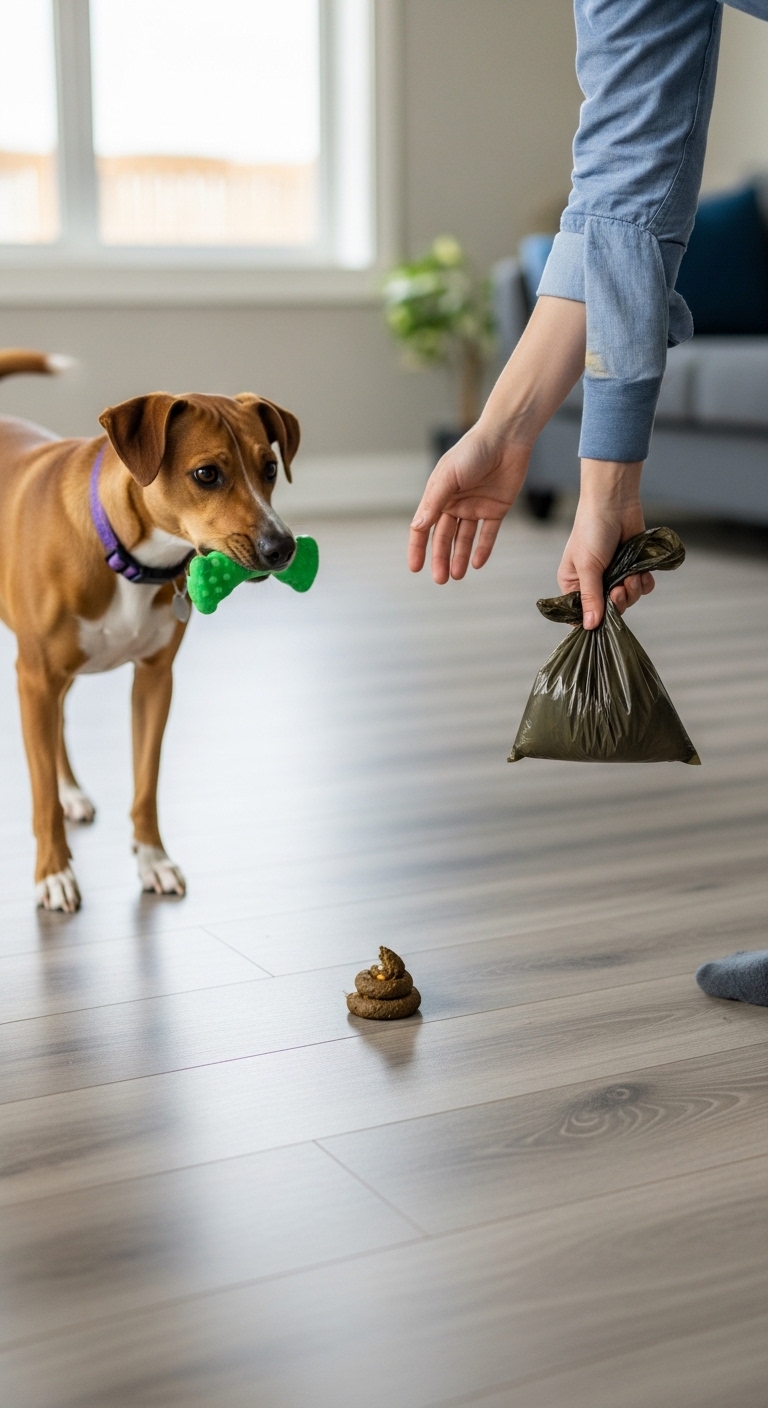
Addressing coprophagia takes patience, but focusing on diet, enrichment, and health can lead to lasting change.
Frequently Asked Questions
- → Is it normal for dogs to eat poop?
While not ideal, it’s relatively common, especially in puppies. Most dogs outgrow it with proper care and training.
- → What causes dogs to eat their own poop?
Possible causes include nutritional deficiencies, boredom, stress, or medical issues like parasites or malabsorption.
- → How can I stop my dog from eating poop?
Improve their diet, provide mental stimulation, and train commands like 'leave it.' Consult a vet to rule out health problems.
- → Does eating poop harm my dog?
It can expose them to parasites or bacteria, so addressing the behavior is important for their health and hygiene.
- → Can changing my dog’s diet help?
Yes, a balanced diet with sufficient fiber and enzymes may reduce the urge. Ask your vet about supplements if needed.
- → Is coprophagia linked to anxiety?
Yes, stress or anxiety can trigger this behavior. Providing a calm environment and routine may help alleviate it.