Why is my dog eating grass? It’s one of those behaviors that can leave pet owners scratching their heads. You might wonder if it’s normal or if it signals something deeper about your dog’s health. The truth is, grass eating is actually pretty common among dogs, and in most cases, it’s nothing to worry about. Still, it’s worth understanding why it happens so you can keep your pup happy and healthy.
I’ve noticed that dogs often eat grass after a meal, almost like they’re trying to settle their stomachs. It’s not always a red flag, but paying attention to the context can make all the difference.
Key Things to Understand
- Normal behavior: Grass eating is normal for many dogs and doesn’t always mean they’re sick.
- Possible reasons: Dogs might do it out of boredom, curiosity, or even to induce vomiting if they have an upset stomach.
- Breed tendencies: Some breeds are more prone to this behavior than others, so it’s good to know your dog’s tendencies.
- When to check with a vet: If your dog is eating grass excessively or showing other symptoms like lethargy or diarrhea, it’s worth checking in with your vet.
What to Look For
Watch how often your dog eats grass and in what situations. If it’s a rare occurrence, there’s likely no cause for concern. But if it’s happening daily or your dog seems obsessed with it, take note of any other changes in their behavior or appetite. Also, check the grass itself: if it’s treated with pesticides or fertilizers, that could be harmful. Pay attention to whether your dog vomits after eating grass, as this might indicate they’re trying to clear something from their system.
I’ve seen dogs eat grass after a long walk, almost like they’re refreshing their palate. It’s a reminder that sometimes pets just have their own little routines, and as long as they’re not showing signs of distress, it’s usually fine.
When to worry about grass eating
While grass eating is often harmless, there are times when it could signal a problem. If your dog is eating grass frantically or repeatedly vomiting, it’s worth investigating further. Also, if they’re showing signs of abdominal pain or refusing food, don’t wait to see if it passes: contact your vet. Sometimes, dogs eat grass because they’re missing certain nutrients in their diet, so a quick check of their food quality might help.
How to discourage the behavior if needed
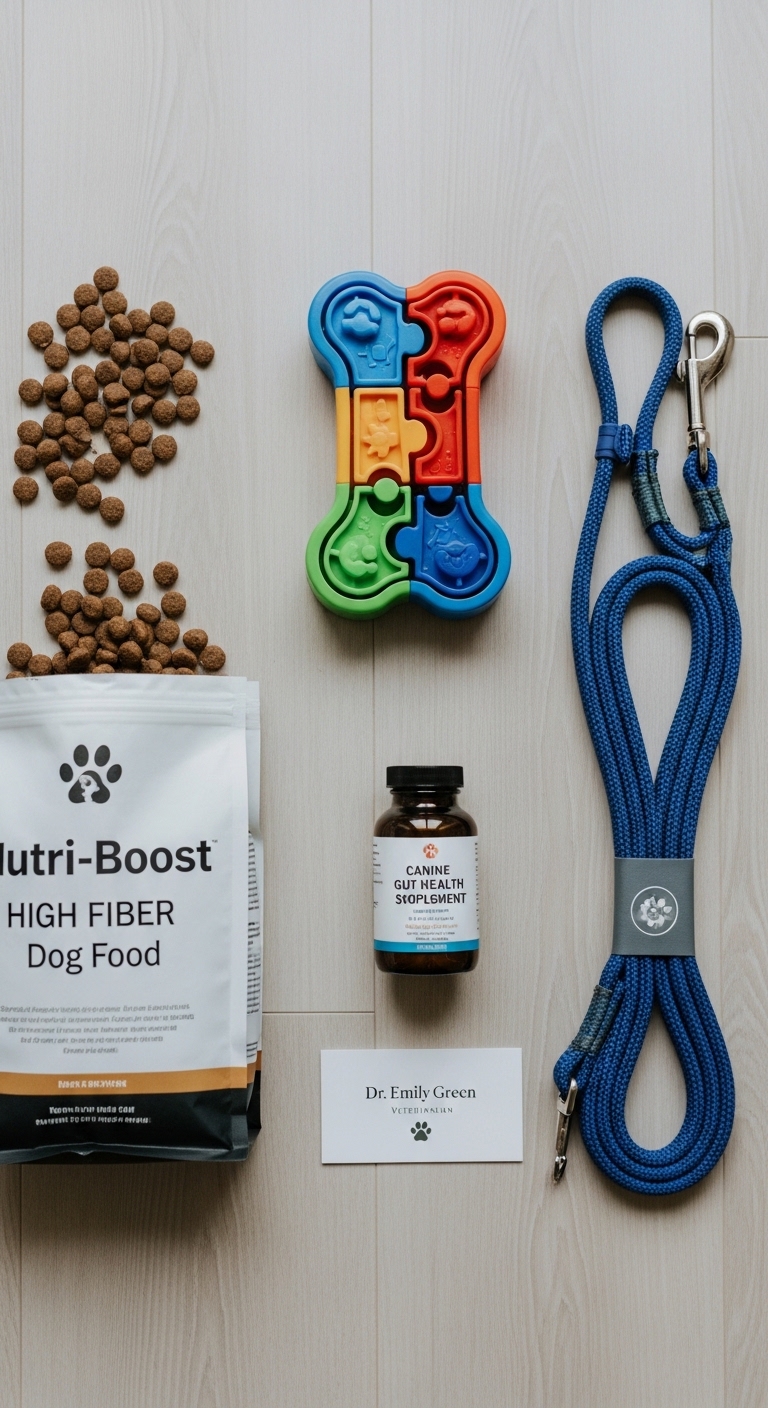
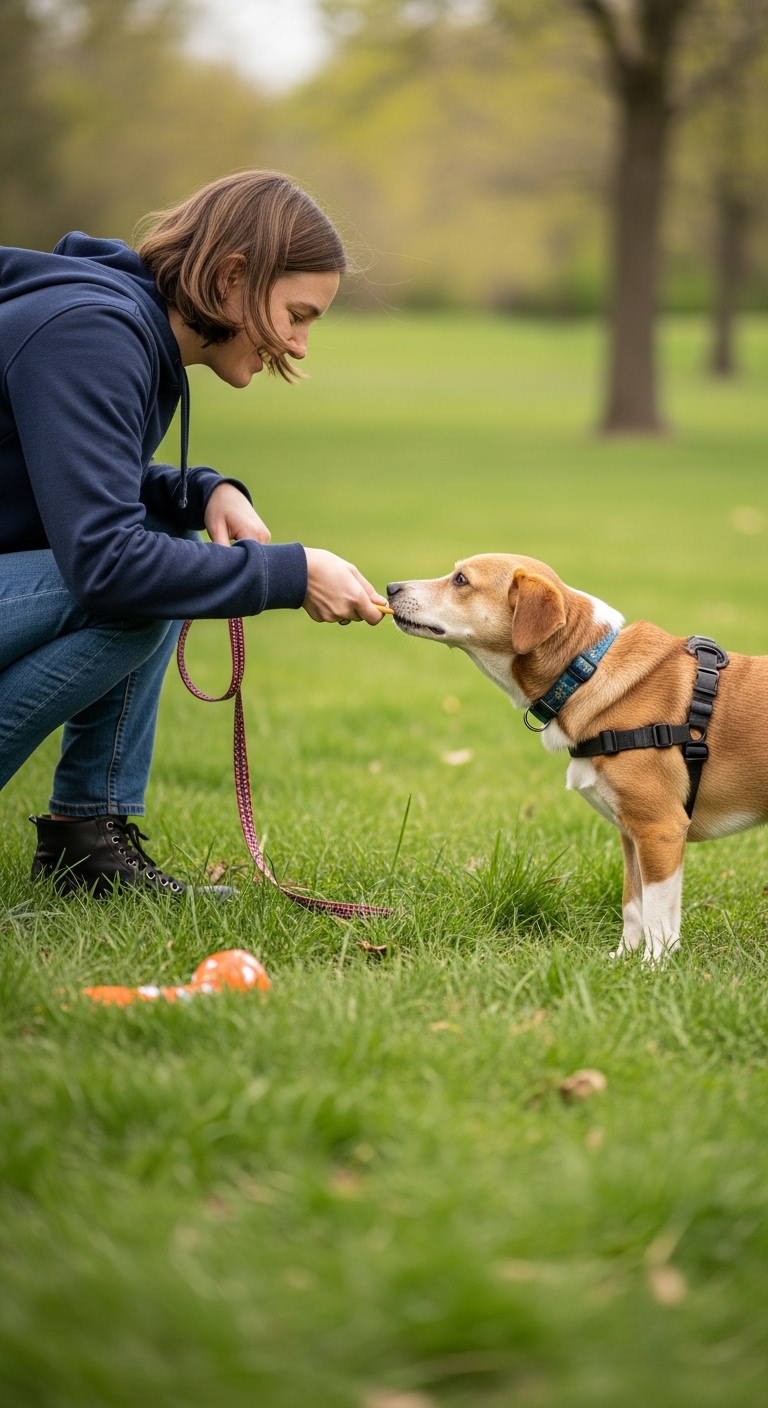
If you’d rather your dog didn’t eat grass, try redirecting their attention with a toy or a training command. Keeping them engaged with activities can reduce boredom-related grazing. You might also consider adding more fiber to their diet, as this can help with digestion and reduce the urge to eat grass. Just remember, if the behavior isn’t causing any harm, it’s okay to let them enjoy it occasionally.
Understanding why your dog eats grass helps you respond appropriately. Most of the time, it’s just a harmless habit.
Frequently Asked Questions
- → Is it normal for dogs to eat grass?
Yes, it’s relatively common and often harmless. Many dogs eat grass occasionally without issues, though the exact reason isn’t always clear.
- → Can eating grass make my dog sick?
While grass itself is usually safe, it can cause vomiting if consumed in large amounts. Pesticides or fertilizers on grass may also pose risks.
- → Why does my dog eat grass and vomit?
Vomiting after eating grass could indicate an upset stomach or dietary imbalance. It may also help dogs induce vomiting if they feel unwell.
- → Should I stop my dog from eating grass?
Not necessarily, unless it’s excessive or accompanied by other symptoms. Ensure your dog’s diet is balanced and provide plenty of mental stimulation.
- → Can grass eating be a sign of illness?
Occasional grass eating is usually normal, but frequent or compulsive behavior may warrant a vet visit to rule out conditions like pica or gastrointestinal issues.
- → What can I do to discourage grass eating?
Offer fiber-rich treats, increase playtime, or consult your vet about dietary adjustments. Training commands like 'leave it' can also help redirect the behavior.