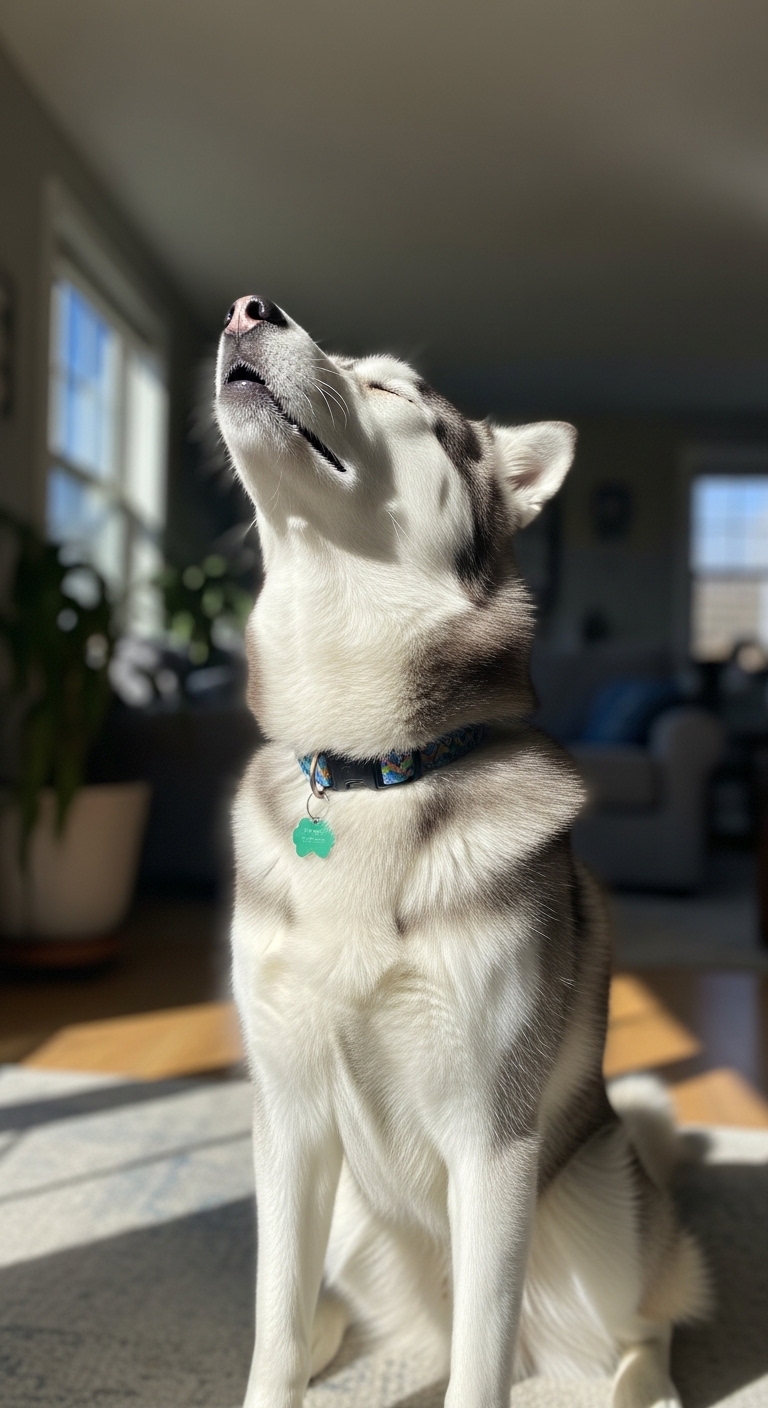
Why does my dog lick me so much? It’s one of those little quirks that can feel sweet one minute and overwhelming the next. Whether it’s a quick, excited lick after you walk in the door or a full-on face bath when you sit down, those slobbery kisses are a dog’s way of communicating. For pet owners, understanding why dogs lick so much isn’t just about curiosity: it can help you read their moods, strengthen your bond, and even spot when something might be off with their health.
I’ve noticed that dogs often lick more when they’re bored or seeking attention, which is why a simple game of fetch or a short training session can sometimes curb the habit without much effort.
Key Things to Understand
- Communication: Dogs lick as a form of communication, often to show affection or seek attention.
- Health signals: Excessive licking can sometimes signal anxiety, stress, or even a medical issue that needs attention.
- Endorphins: Licking releases endorphins in dogs, which can make them feel calmer and happier.
- Breed tendencies: Some breeds are naturally more prone to licking due to their genetics or upbringing.
- Context matters: Pay attention to the context: when and where your dog licks can tell you a lot about what they’re trying to say.
What to Look For
Notice when your dog licks the most. Is it right after you get home, during meals, or when you’re trying to relax? These patterns can reveal whether they’re excited, seeking comfort, or just following a routine. Also, watch their body language: if they seem relaxed and happy while licking, it’s likely just their way of showing love. But if the licking feels frantic or is accompanied by pacing or whining, it might be a sign of stress or something more serious.
I once had a client whose dog’s sudden increase in licking turned out to be a sign of an upset stomach: something that was easily fixed once identified.
Why dogs lick as a sign of affection
Licking is a natural behavior that starts in puppyhood when mother dogs lick their pups to clean and comfort them. As they grow, dogs transfer this behavior to their human companions, seeing you as part of their pack. Those wet nose boops and face baths are their way of saying, “You’re mine, and I love you.” It’s a simple but powerful gesture that strengthens your connection.
When licking becomes a problem
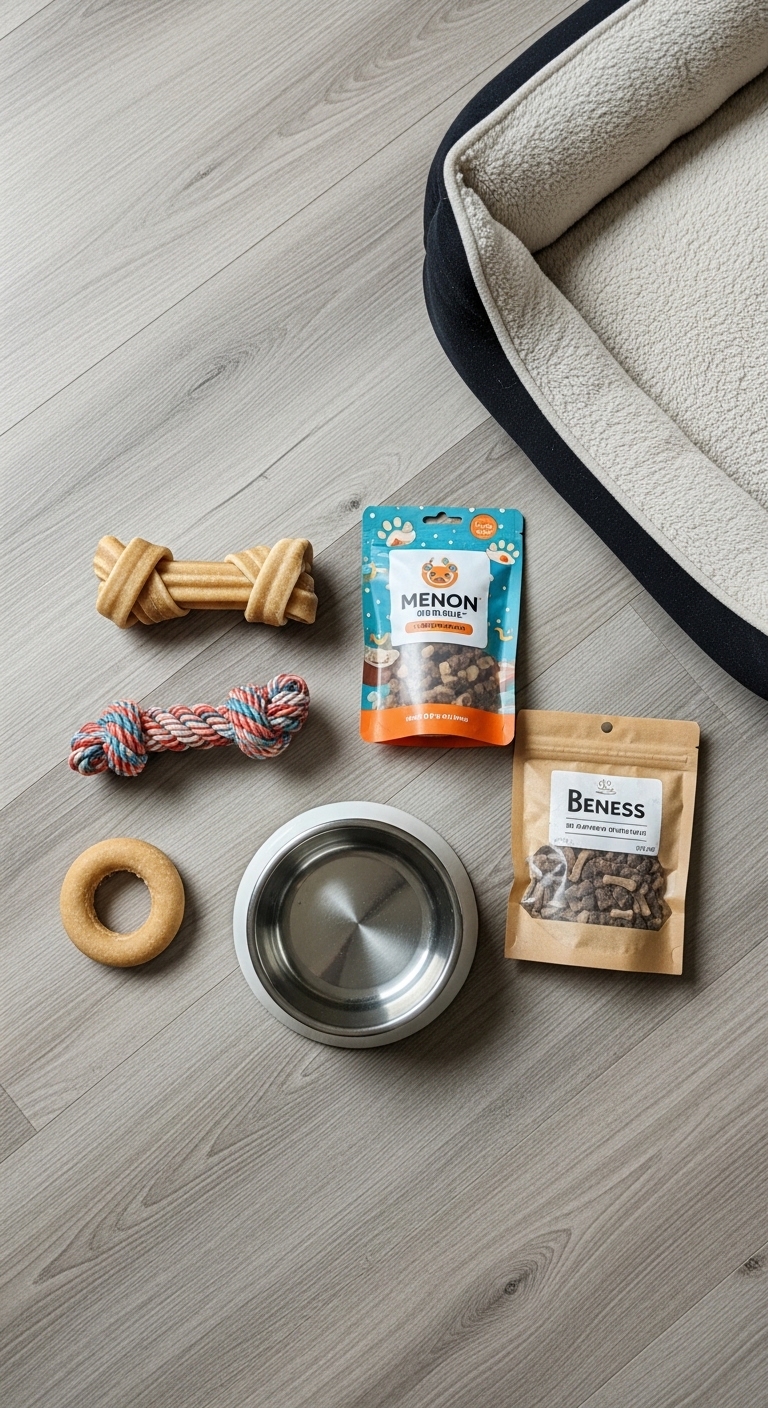
While licking is usually harmless, it can become an issue if it’s constant or directed at furniture, themselves, or other objects. If your dog is licking the air, their lips, or objects excessively, it might be a sign of nausea or anxiety. Redirecting their attention to a toy or a chew can help break the habit and give them something more appropriate to focus on.
How to respond to your dog’s licks
Instead of pulling away or scolding, try gently redirecting their attention to a toy or a command like “sit” or “paw.” This teaches them that while licking is okay in moderation, there are other ways to get your attention. Rewarding calm behavior with praise or treats can also reinforce positive interactions without making them feel like they’re doing something wrong.
Dogs and their love for human skin
Some dogs are particularly drawn to the taste of human skin, especially if it’s salty from sweat or has lotion residue. If your dog’s licking feels more intense than usual, a quick wipe with a damp cloth can remove any tempting flavors. Keeping your skin clean and dry might help reduce the appeal without taking away their affectionate nature.
When to seek help
If your dog’s licking is accompanied by other concerning behaviors like loss of appetite, lethargy, or changes in sleep patterns, it’s time to consult your vet. While most licking is harmless, sudden shifts in behavior can signal an underlying issue that needs attention.
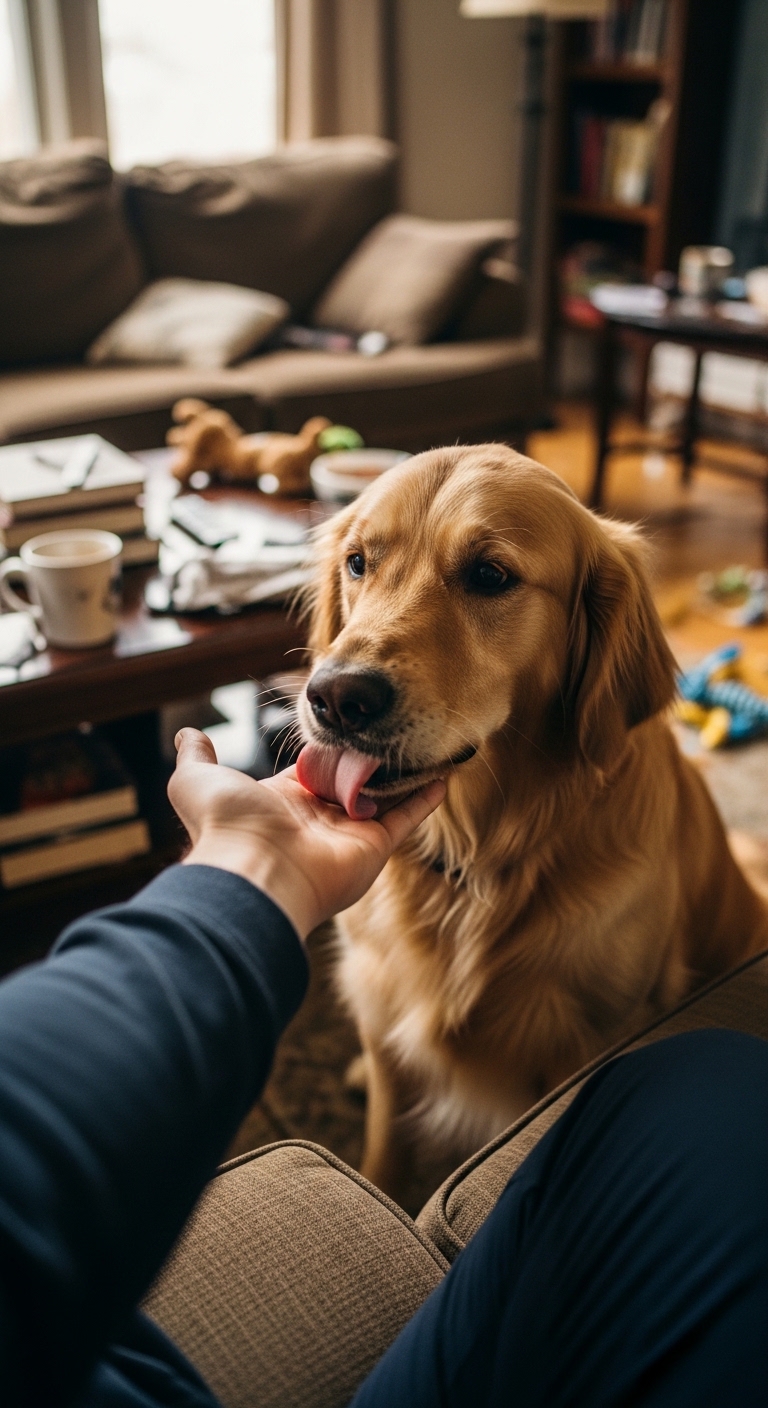
Dogs lick for so many reasons, but the most important thing is to understand their intent. Whether it’s love, curiosity, or a call for attention, those slobbery kisses are a reminder of just how connected we are to our pets.
Frequently Asked Questions
- → Is excessive licking in dogs normal?
Occasional licking is normal, but excessive or sudden changes may signal an issue. Monitor your dog’s overall behavior and health for patterns.
- → Can licking indicate my dog is sick?
Yes. Excessive licking of paws, wounds, or objects could point to allergies, pain, or digestive problems. Consult a vet if licking persists.
- → How can I stop my dog from licking me too much?
Redirect the behavior with commands like 'sit' or 'leave it,' and reward calm behavior. Provide toys or treats to keep them occupied.
- → Does licking mean my dog loves me?
Partly. Licking releases oxytocin in dogs, similar to how humans bond through touch. It’s a sign of affection, but context matters.
- → Are there health risks from my dog licking me?
Generally safe, but excessive licking can spread bacteria. Ensure your dog’s mouth is clean and avoid letting them lick open wounds or sensitive areas.
- → Why does my dog lick the air?
Air licking may indicate nausea, dental pain, or a neurological issue. If it happens frequently, a vet checkup is recommended.
- → Can I train my dog to lick less?
Yes. Use positive reinforcement to reward moments of calmness. Avoid punishing licking, as it can increase anxiety and worsen the behavior.