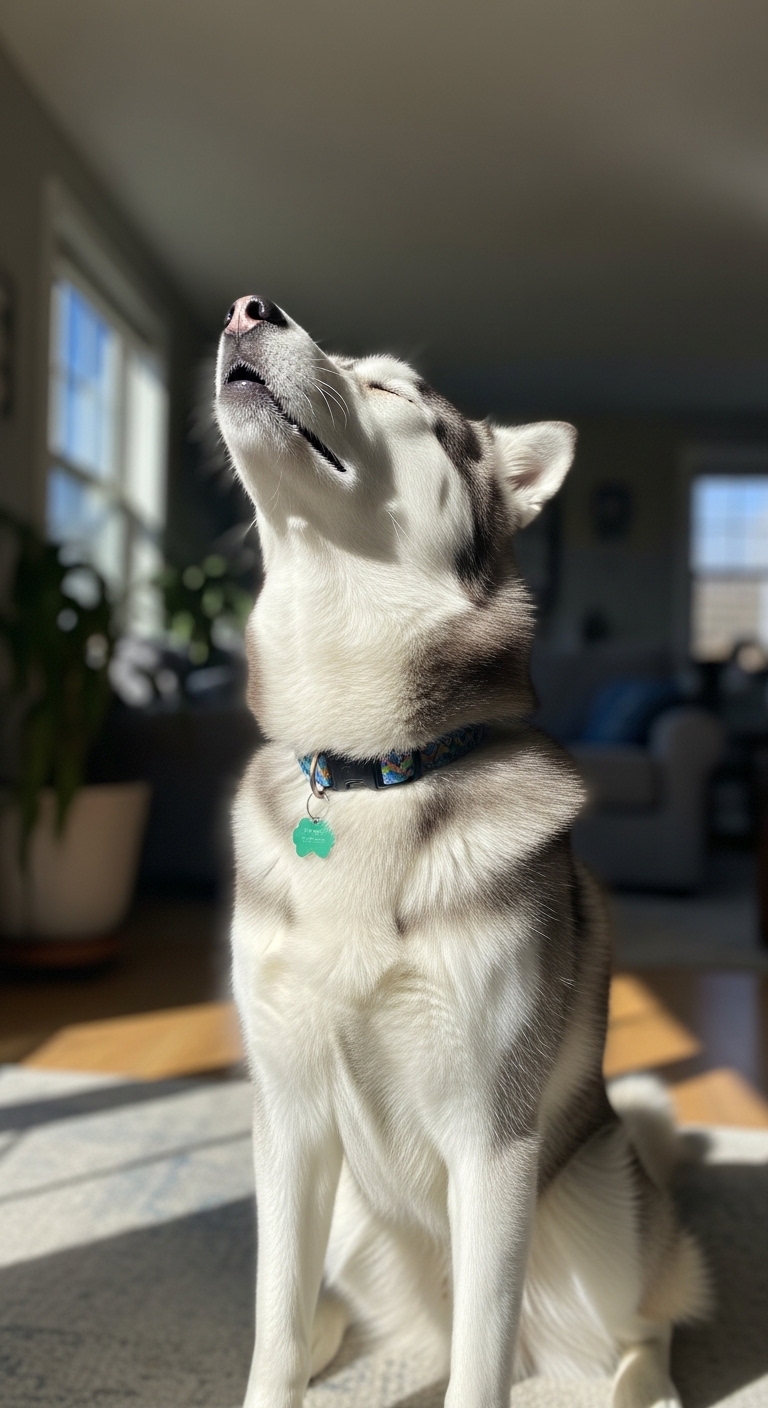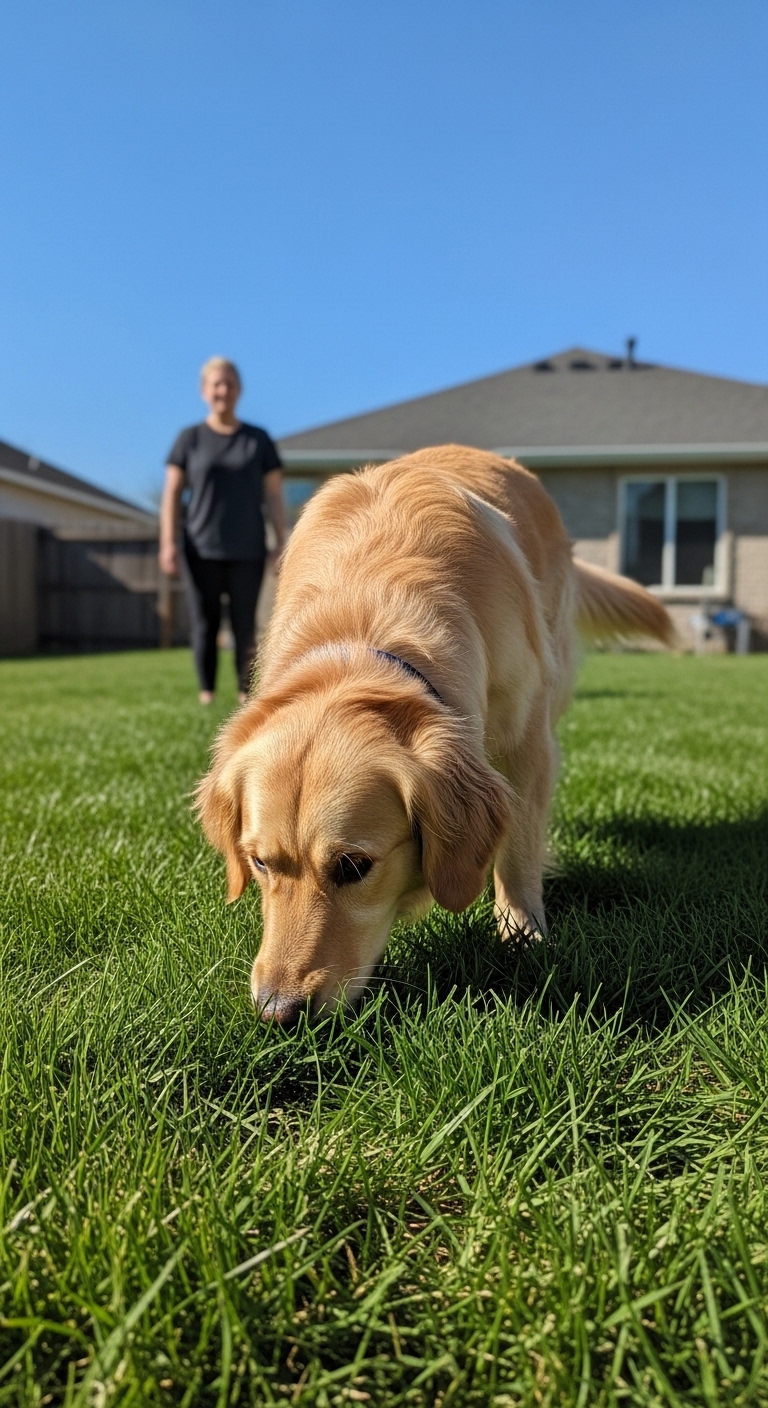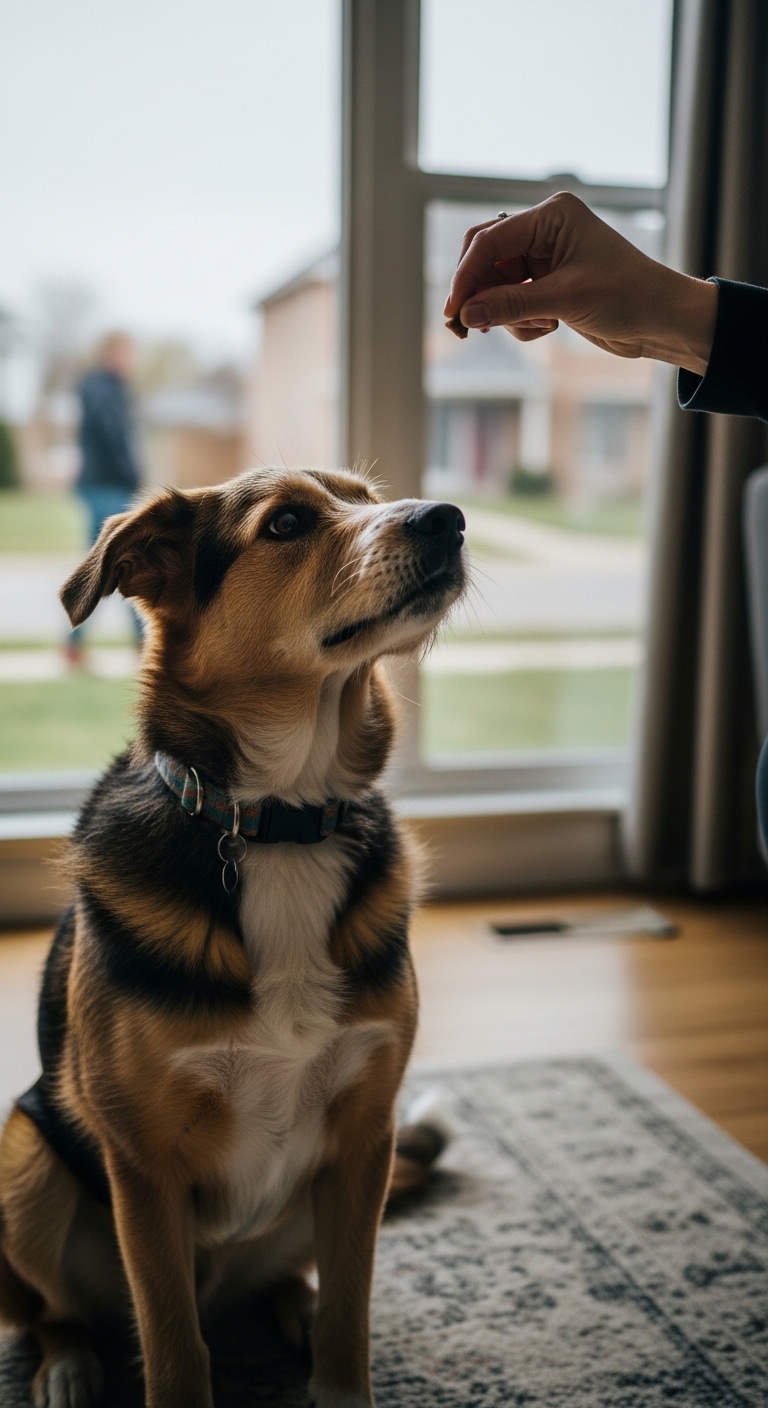
Can dogs be autistic? It’s a question that pops up more often than you’d think, especially among pet owners who notice their dogs acting differently. While autism isn’t a diagnosis vets typically use for animals, certain behaviors in dogs can mirror traits associated with autism in humans. Understanding these behaviors helps owners respond better to their pets’ needs and create routines that work for everyone.
It’s easy to dismiss odd behaviors as just quirks, but sometimes they’re clues. I’ve seen dogs that seemed stubborn or aloof suddenly thrive once their routines were tweaked: small changes can make a big difference.
Key Things to Understand
- Autism in dogs isn’t an official diagnosis: but refers to a cluster of behaviors similar to human autism.
- Repetitive actions: like tail-chasing, excessive licking, or fixating on objects can be signs.
- Social challenges: such as avoiding eye contact or struggling with new people, may also appear.
- Sensory sensitivities: like reacting strongly to sounds or textures, are common.
- These traits don’t mean your dog is “autistic” in the human sense: but they do signal a need for tailored care.
What to Look For
Pay attention to how your dog interacts with the world around them. Do they seem overwhelmed in busy environments or get stuck on certain routines? Notice if they avoid physical touch or prefer to be alone more often than other dogs. Watch for repetitive behaviors that don’t seem to have a clear purpose: these could be signs of sensory sensitivities or compulsive habits. Also, observe their response to changes in their environment. Some dogs handle transitions smoothly, while others may struggle with even small adjustments. These clues aren’t about labeling your dog but about understanding their comfort zone so you can adjust your approach.
I once worked with a dog that would spin in circles whenever someone new entered the house. His owner thought he was just anxious, but after some digging, we realized it was a coping mechanism for sensory overload. Small tweaks in his environment and gradual introductions made a huge difference. It’s not about fixing a problem but about finding what works for your dog.
Daily care habits
Dogs with sensory sensitivities often benefit from predictable routines. Feed, walk, and play at the same times each day to reduce stress. Use calming aids like weighted blankets or soft music during high-tension moments. Keep their space clutter-free so they’re not overwhelmed by too many stimuli at once. Even something as simple as choosing a quiet corner for their bed can make a difference.
Choosing the right product
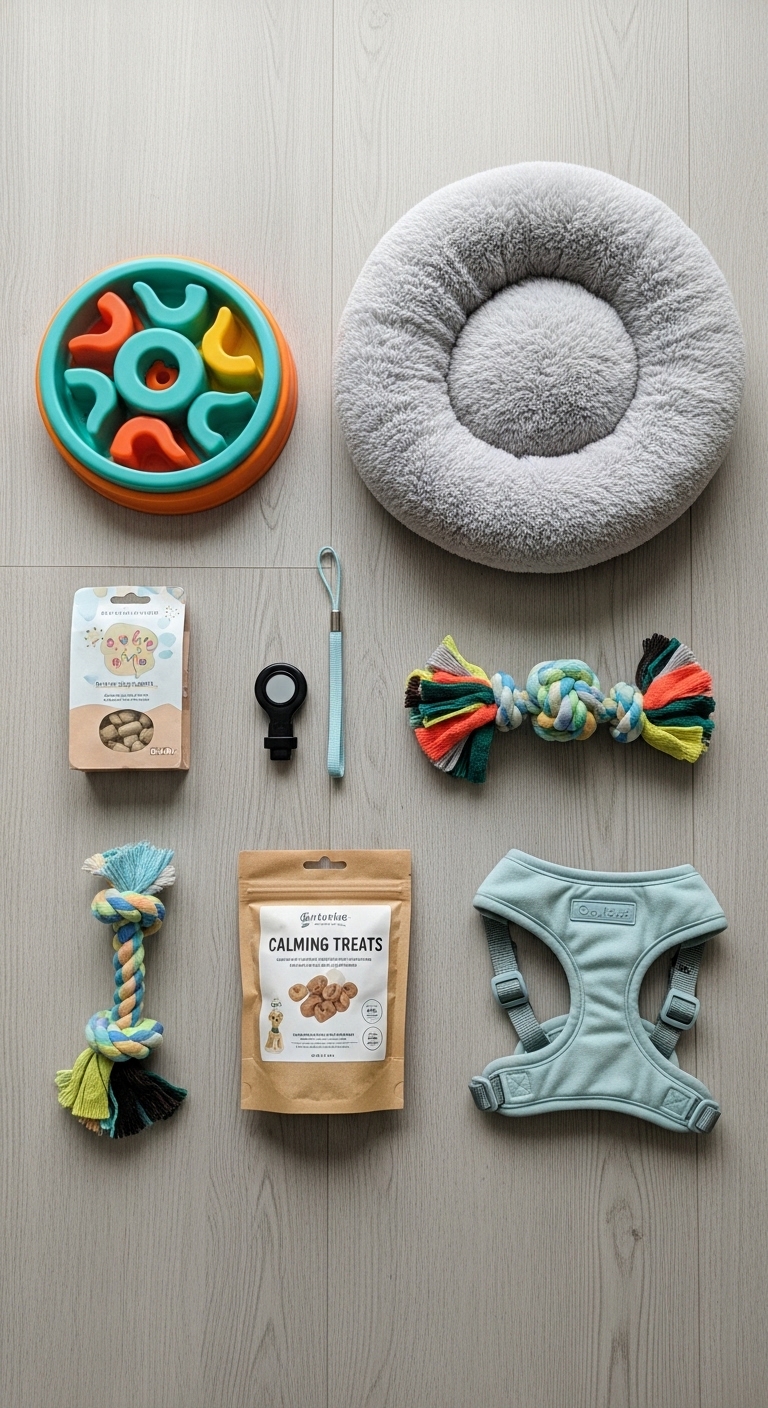
Look for toys and tools designed for sensitive dogs. Soft, textured toys can be soothing for dogs that fixate on certain sensations. Avoid products with loud crinkling sounds or bright colors if your dog is easily startled. Calming treats or pheromone diffusers might help during stressful events like vet visits or thunderstorms. Always introduce new items slowly to see how your dog reacts.
Safety and comfort
Create a safe retreat where your dog can go when overwhelmed. This could be a crate with a cozy blanket or a quiet room with low lighting. Avoid forcing interactions if your dog seems uncomfortable: let them approach you on their terms. Watch for signs of stress like yawning, lip licking, or avoiding eye contact, as these often come before more obvious reactions like growling or snapping.
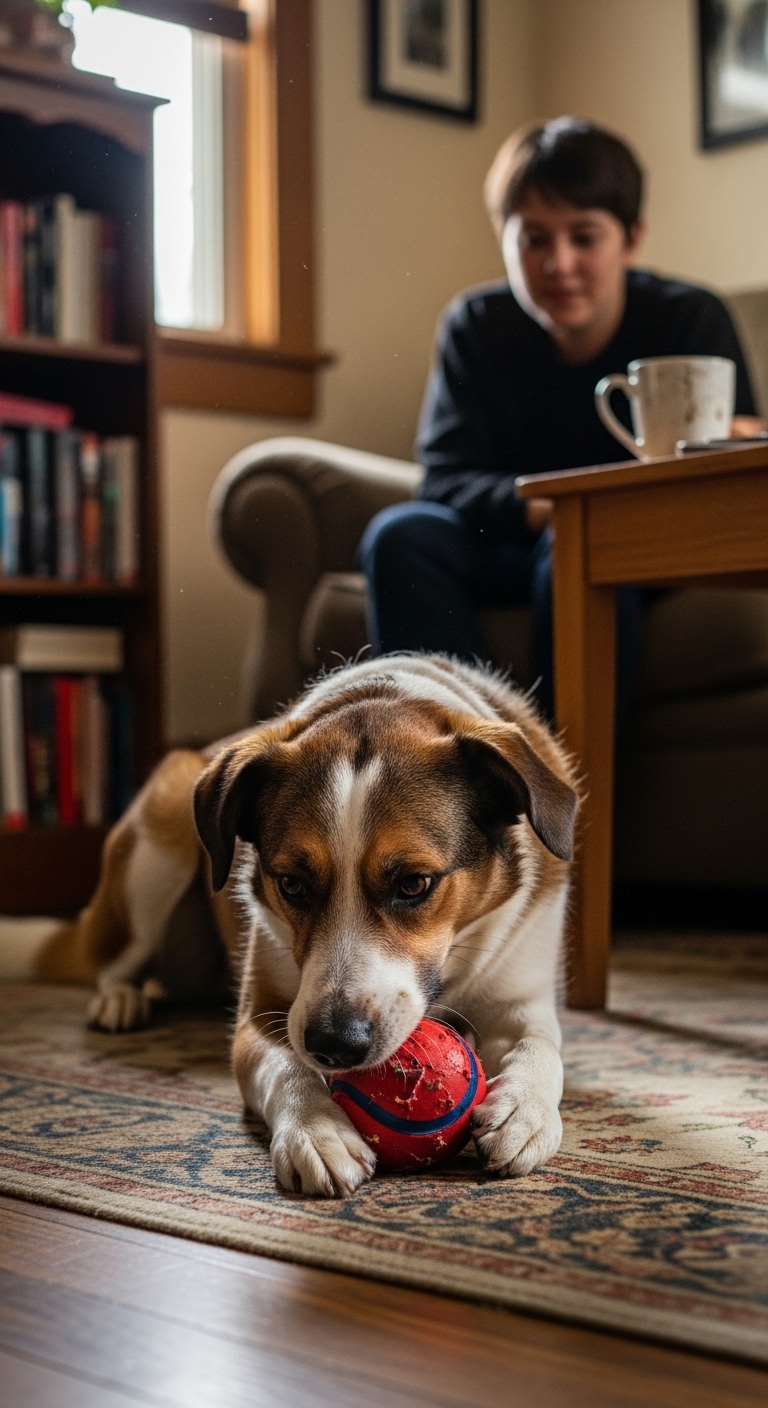
Understanding your dog’s unique needs is the first step toward a happier, healthier life together. Small adjustments can lead to big improvements in their comfort and behavior.
Frequently Asked Questions
- → Can dogs have autism?
While dogs cannot be diagnosed with autism in the same way humans are, some dogs exhibit behaviors that resemble autism spectrum disorder (ASD). These may include repetitive movements, social withdrawal, or sensory sensitivities. However, these behaviors can also be linked to other conditions like anxiety or neurological disorders.
- → What are common signs of autism in dogs?
Common signs include difficulty with social interactions, unusual reactions to sounds or textures, repetitive behaviors like tail-chasing or paw-licking, and rigid routines. Some dogs may also show avoidance of eye contact or indifference to affection.
- → How is autism in dogs diagnosed?
There is no official diagnosis for autism in dogs, but a veterinarian or veterinary behaviorist can evaluate your dog’s behaviors and rule out other conditions. They may perform a physical exam, behavioral assessment, and review your dog’s medical history.
- → Can autism in dogs be treated?
While there is no cure for autism-like behaviors in dogs, early intervention can help manage symptoms. Strategies may include structured routines, positive reinforcement training, environmental enrichment, and, in some cases, medication to address anxiety or compulsive behaviors.
- → What should I do if I suspect my dog has autism?
Consult a veterinarian or veterinary behaviorist for a professional evaluation. They can help determine if your dog’s behaviors are due to autism-like traits or another condition. Avoid self-diagnosing, as other health issues may require different treatments.
- → Are certain dog breeds more prone to autism-like behaviors?
Autism-like behaviors can occur in any breed, but some studies suggest that certain breeds, such as German Shepherds or Border Collies, may be more predisposed to repetitive behaviors or sensory sensitivities. However, more research is needed to confirm these trends.