
Can dogs eat pistachios? It’s a question many pet owners ask, especially when they’re snacking and their dog gives them that classic hopeful look. While those salty, crunchy nuts might seem like a harmless treat, the truth is more complicated. Pistachios aren’t toxic to dogs in small amounts, but they come with risks that most owners overlook. A single unsalted pistachio won’t likely cause harm, but the shells, salt, and fats can lead to serious issues. If your dog sneaks a few from your plate, don’t panic but it’s worth understanding why they’re not the best snack choice.
I once watched a friend’s dog gobble up a handful of pistachios from the floor, shells and all. The next day, the pup was lethargic and refused food. A quick vet visit confirmed mild gastrointestinal upset nothing life-threatening, but a clear reminder that what seems harmless isn’t always safe.
Key Things to Understand
- Pistachios aren’t poisonous to dogs: but their high fat content can cause pancreatitis
- The shells are a choking hazard: and can damage the digestive tract
- Salted pistachios are especially risky: due to sodium toxicity
- Moldy pistachios may contain aflatoxins: which are dangerous to dogs
- Even small amounts can lead to stomach upset: vomiting, or diarrhea
What to Look For
Watch for signs of discomfort like vomiting, diarrhea, or lethargy after your dog eats pistachios. These symptoms usually appear within a few hours and can range from mild to severe depending on how many were consumed. If your dog shows repeated vomiting or seems unusually tired, it’s time to call the vet. Also pay attention to their energy levels and appetite in the days following any unusual snacking. Dogs with sensitive stomachs or pre-existing conditions like pancreatitis are at higher risk, so even a single nut could be more problematic than you’d expect.
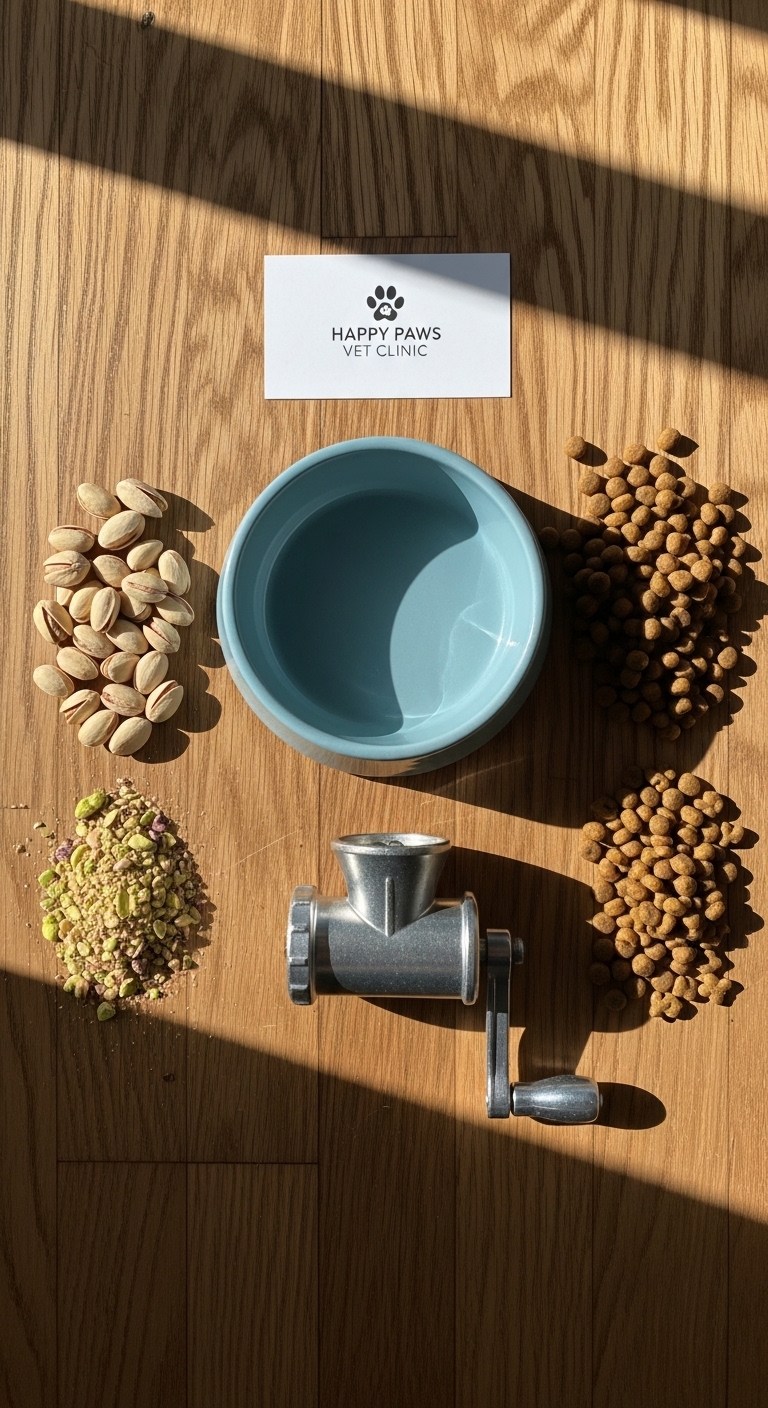
A common mistake is assuming that because a food isn’t toxic, it’s safe in any amount. I’ve seen owners give their dogs pistachios regularly, thinking the occasional nut wouldn’t hurt. Over time, though, the fat buildup can lead to serious inflammation. Another oversight is ignoring the shells: dogs don’t chew them properly, which can cause painful obstructions. When in doubt, stick to dog-specific treats.
Daily Care Habits
Instead of sharing pistachios, keep a small bag of dog-safe training treats in your pocket. These are portioned perfectly and won’t leave you worrying about hidden dangers. If you’re used to giving your dog scraps from your plate, try swapping pistachios for carrot sticks or apple slices (without seeds). These alternatives are crunchy, low-calorie, and much safer. Over time, your dog will learn to prefer these treats, making mealtime and snacks much less stressful.
Choosing the Right Product
When shopping for dog treats, look for options that list a single protein source as the first ingredient. Avoid treats with added salt, garlic, or onion: common in human snacks but toxic to dogs. Check the calorie content too; some “natural” treats pack more calories than you’d expect. If you’re unsure, ask your vet for recommendations tailored to your dog’s size and health needs. A good rule of thumb is to choose treats that are made in the USA or have clear quality certifications.
Safety and Comfort
If your dog accidentally eats pistachios, monitor them closely for the next 24 hours. Offer plenty of water and stick to bland food like boiled chicken and rice if they seem off. Never induce vomiting unless instructed by a vet: some cases require professional intervention. For dogs with a history of pancreatitis or sensitive stomachs, it’s best to keep all nuts out of reach entirely. Prevention is always easier than treatment.
Cleaning and Hygiene
Pistachio shells can leave sharp fragments on floors or carpets, posing a risk to both pets and kids. Sweep or vacuum thoroughly after snacking to avoid accidental ingestion. If your dog has a habit of counter-surfing, store pistachios in sealed containers and keep them on high shelves. A clean environment isn’t just about tidiness: it’s about preventing dangerous surprises.
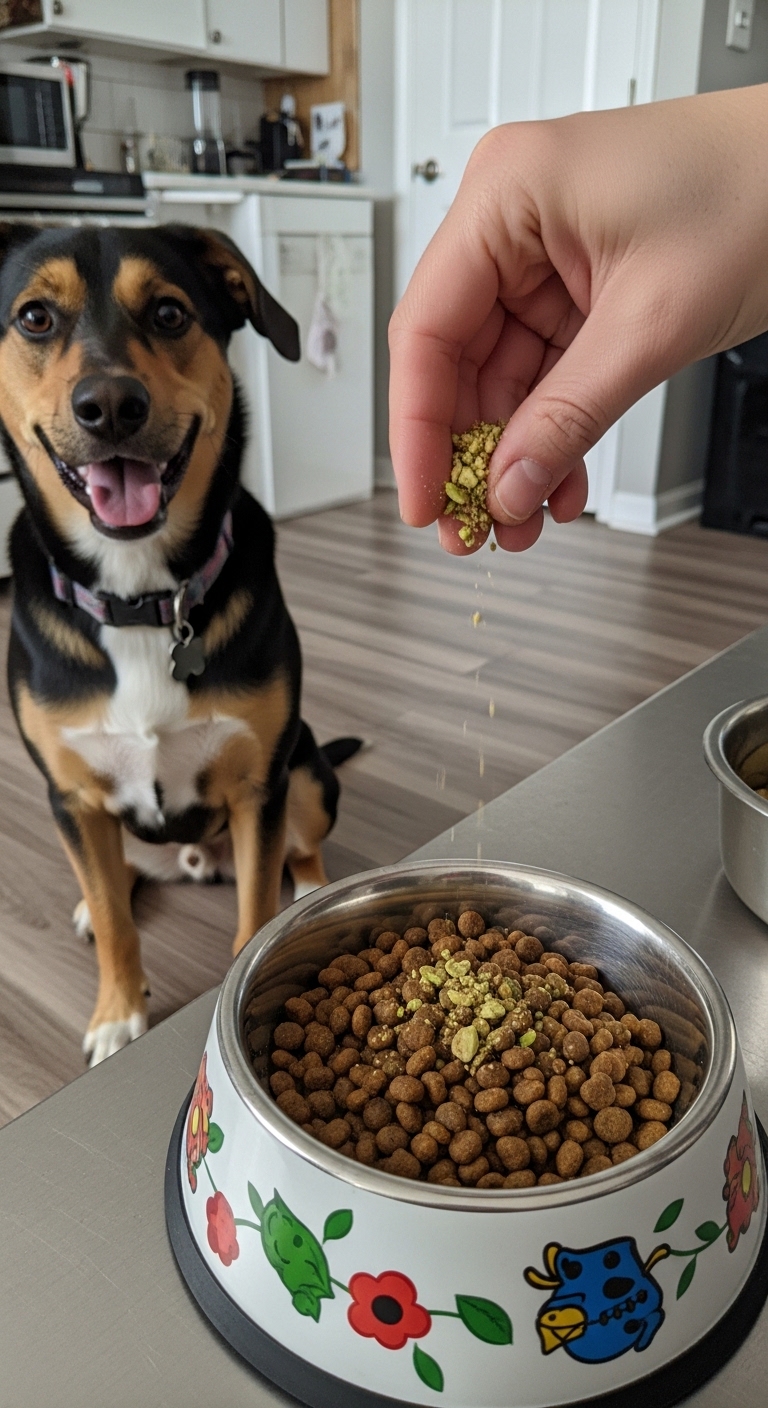
When in doubt, always err on the side of caution with your dog’s diet. A single pistachio might not seem like a big deal, but the risks add up over time.
Frequently Asked Questions
- → Are pistachios toxic to dogs?
Pistachios are not immediately toxic but can be harmful. The nuts contain fats and oils that may cause digestive issues, while salted varieties introduce risks of sodium poisoning. Always avoid giving pistachios to your dog.
- → What happens if my dog eats a pistachio?
If your dog eats a small amount of plain pistachio, they may experience mild stomach upset like vomiting or diarrhea. Larger quantities or salted nuts can lead to more severe symptoms, including lethargy or dehydration. Contact your vet if symptoms persist.
- → Can dogs eat pistachio shells?
No, pistachio shells are dangerous for dogs. They can cause choking, intestinal blockages, or damage to the digestive tract. Always keep pistachios and their shells out of reach of pets.
- → What are safer alternatives to pistachios for dogs?
Safer snack options include plain cooked carrots, apple slices (without seeds), blueberries, or commercial dog treats. Always introduce new foods gradually and in moderation to avoid digestive issues.
- → How much pistachio is dangerous for a dog?
Even small amounts of pistachio can cause issues, especially if the nuts are salted or flavored. The exact threshold varies by dog size, but it's best to avoid pistachios entirely to prevent risks like choking or toxicity.
- → Are flavored pistachios worse for dogs than plain ones?
Yes, flavored pistachios (e.g., salted, garlic, or onion) are more dangerous. Added ingredients like salt, spices, or artificial flavors can cause poisoning, digestive distress, or long-term health problems. Stick to dog-safe treats instead.
- → What symptoms should I watch for after my dog eats pistachios?
Watch for signs of digestive upset such as vomiting, diarrhea, lethargy, excessive thirst, or loss of appetite. In severe cases, symptoms like tremors, seizures, or difficulty breathing may indicate poisoning—seek veterinary care immediately.