Can dogs eat pears? It’s a question many pet owners ask when looking for healthy, low-calorie treats to share with their furry friends. Pears are packed with fiber, vitamins, and hydration, making them a tempting snack for dogs. But not all fruits are safe for pets, and even good options require careful handling. Knowing which parts of the pear are safe and how to serve them can make a big difference in keeping your dog happy and healthy.
I remember the first time I gave my golden retriever a slice of pear: she gobbled it up so fast I worried she might choke. That’s when I realized how important it is to cut fruit into small, manageable pieces for dogs, especially larger breeds.
Key Things to Understand
- Pears are safe for dogs in moderation: but should never replace their regular diet.
- The core, seeds, and stems contain cyanide: which is toxic to dogs and must be removed.
- Too much pear can cause digestive issues: due to the high fiber content, leading to diarrhea or stomach upset.
- Always introduce new foods slowly: to monitor for allergic reactions or digestive problems.
- Small dogs need smaller pieces: to avoid choking hazards.
What to Look For
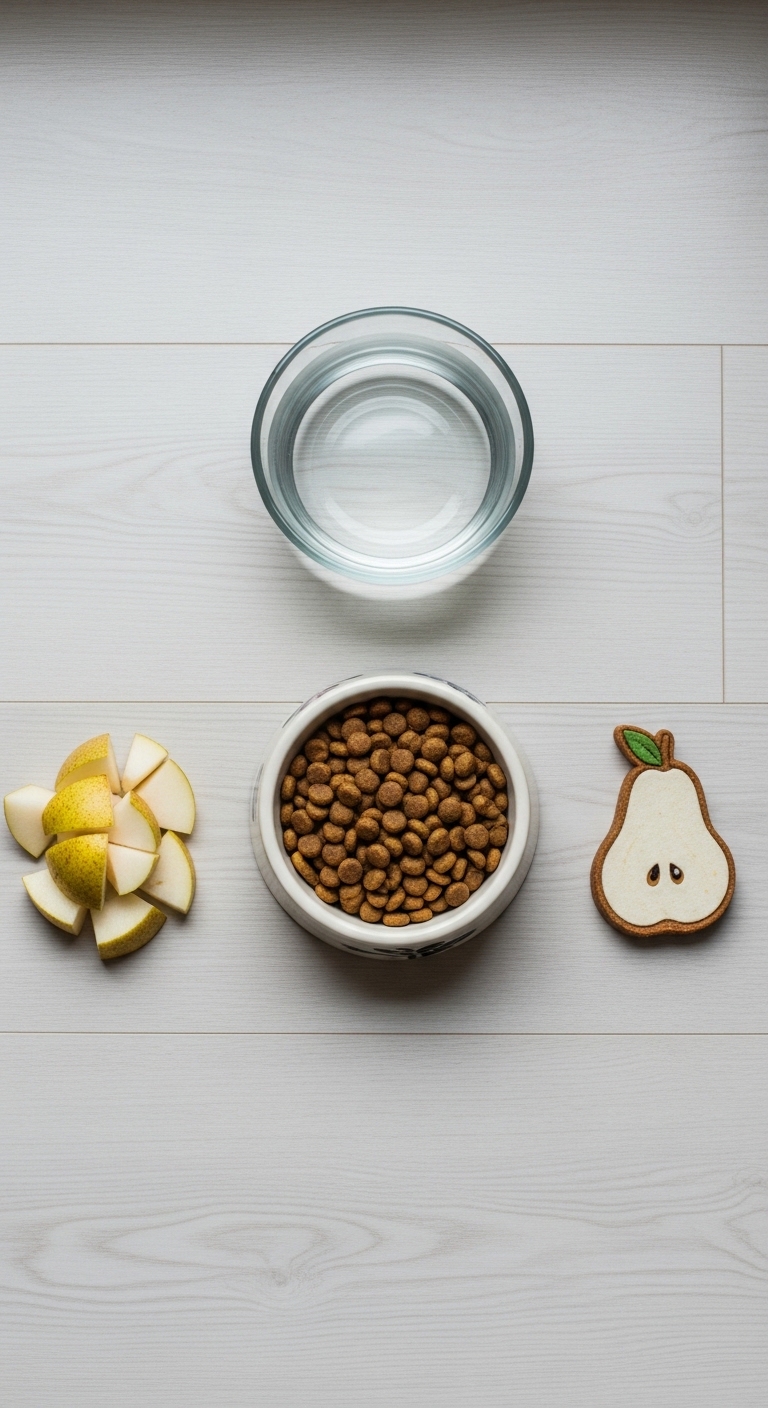
When choosing pears for your dog, opt for ripe but firm varieties like Bosc or Anjou. Overripe pears can ferment quickly in a dog’s stomach, leading to bloating or discomfort. Avoid pears that are overly soft or have bruises, as these may harbor mold or bacteria that could upset your pet’s digestive system. The skin of the pear is safe and contains extra fiber, but make sure it’s thoroughly washed to remove any pesticides or dirt. If your dog has never eaten pears before, watch for signs of an upset stomach, such as vomiting or loose stools, in the hours after feeding.
Many pet owners assume that because a food is healthy for humans, it’s automatically safe for dogs. But pears are a perfect example of why that’s not always true. I once saw a dog owner give their pup an entire pear core by mistake, only to rush to the vet the next day for a blockage scare. Always double-check what you’re feeding your dog, even with fruits that seem harmless.
Serving Pears Safely
When it comes to feeding pears to dogs, preparation is everything. Wash the pear thoroughly to remove any residue from pesticides or dirt on the skin. Cut the pear into small, bite-sized pieces, especially for smaller breeds, to prevent choking. Remove all seeds, stems, and cores, as these parts contain traces of cyanide, which can be dangerous even in small amounts. For larger dogs, you can offer a few slices at a time, but always monitor their reaction. If your dog has a sensitive stomach or is prone to digestive issues, introduce pears slowly and in tiny portions to avoid upsetting their system.
Signs Your Dog Might Not Tolerate Pears Well
Even though pears are generally safe, some dogs may not digest them well. Watch for signs like excessive gas, diarrhea, or vomiting after eating pears. These symptoms could indicate that your dog’s system isn’t used to the extra fiber or natural sugars in the fruit. If you notice any of these issues, it’s best to avoid giving pears in the future and stick to treats that your dog tolerates better. Always consult your vet if you’re unsure about introducing a new food to your pet’s diet.
Alternatives to Pears for Dogs
If your dog doesn’t take to pears or you’re looking for variety, there are plenty of other dog-safe fruits to try. Apples (without seeds), blueberries, and watermelon (seedless) are all great options that provide similar nutritional benefits. Each of these fruits offers vitamins and hydration without the risk of choking or digestive upset when served correctly. Rotating between different fruits can keep your dog interested in their treats while ensuring they get a range of nutrients.
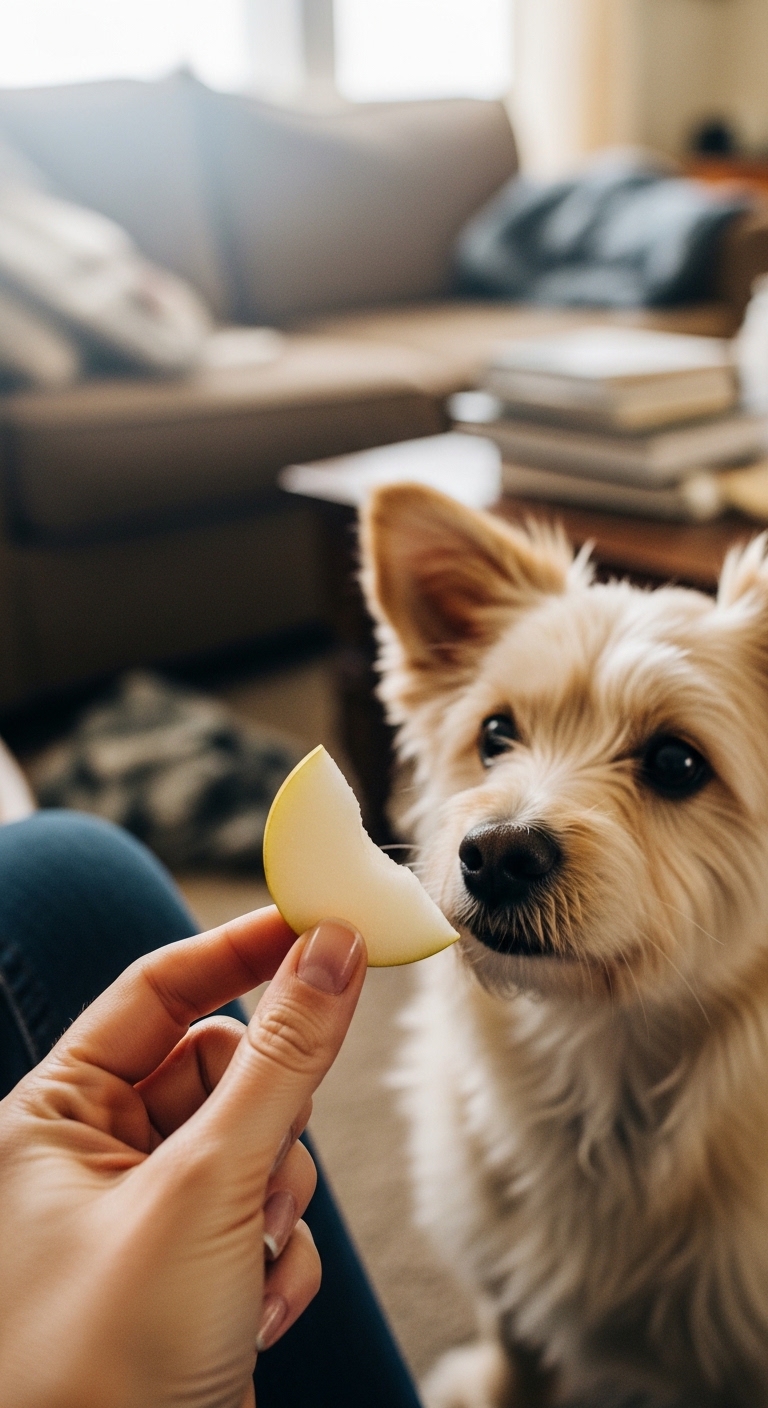
Pears can be a refreshing, nutritious treat for dogs when served properly. Always prioritize safety and moderation to keep your pet healthy and happy.
Frequently Asked Questions
- → Are pears safe for all dogs?
Most dogs can safely eat pears in moderation, but individual tolerance varies. Puppies, senior dogs, or those with digestive sensitivities should start with tiny amounts to check for adverse reactions.
- → How much pear can I give my dog?
Treat size depends on your dog’s weight: small dogs (1-2 teaspoons of diced pear), medium dogs (1-2 tablespoons), and large dogs (up to ¼ cup). Too much can cause diarrhea or vomiting due to high fiber content.
- → Can dogs eat pear seeds or skin?
No. Pear seeds contain amygdalin, which releases cyanide—a serious toxin. The skin is safe if washed thoroughly, but some dogs may have trouble digesting it. Peel pears for sensitive stomachs.
- → What are the benefits of pears for dogs?
Pears provide hydration (90% water), fiber for gut health, and vitamins A, C, and K for immunity. Their natural sweetness makes them a great training reward or boredom buster.
- → What should I do if my dog eats a pear with seeds?
Monitor for symptoms like vomiting, lethargy, or difficulty breathing. Contact your vet or an emergency pet poison hotline immediately, even if no symptoms appear yet.
- → Are canned pears safe for dogs?
No. Canned pears often contain added sugars, syrups, or preservatives that can upset your dog’s stomach or lead to obesity. Stick to fresh, plain pears only.