
Can dogs have raspberries? It’s a question many pet owners ask when looking for healthy treats to share with their furry friends. Raspberries are packed with vitamins and fiber, making them a tempting option for dogs. But before you toss a handful to your pup, it’s important to know the right way to serve them and when to avoid them altogether. Feeding your dog the wrong foods can lead to stomach upset or even more serious health issues, so understanding what’s safe is key to keeping them happy and healthy.
I remember the first time I gave my dog a raspberry: she sniffed it, licked it, and then looked at me like I’d just handed her a gourmet meal. It was adorable, but it also made me realize how much dogs can enjoy simple, natural treats when given the right ones.
Key Things to Understand
- Safe in moderation: Raspberries are safe for dogs in moderation because they contain antioxidants and fiber that can support their health
- Natural sugars: The natural sugars in raspberries mean they should only be given as an occasional treat, not a daily snack
- Digestive sensitivity: Some dogs may experience mild stomach upset if they eat too many raspberries at once
- Preparation: Always wash raspberries thoroughly to remove pesticides or dirt before giving them to your dog
- Avoid processed forms: Avoid raspberry jam, syrup, or any processed forms that contain added sugars or artificial sweeteners
What to Look For
When deciding whether raspberries are a good treat for your dog, pay attention to their size and dietary needs. Smaller dogs should only have a few raspberries at a time, while larger breeds can handle slightly more. Watch how your dog reacts after eating them: some may love the taste, while others might not care for the texture. If your dog has a sensitive stomach or a history of digestive issues, introduce raspberries slowly to see how they tolerate them. Also, check the raspberries for any signs of mold or spoilage, as these can be harmful to dogs. Fresh, ripe raspberries are the safest option, and they should be served plain without any added ingredients.
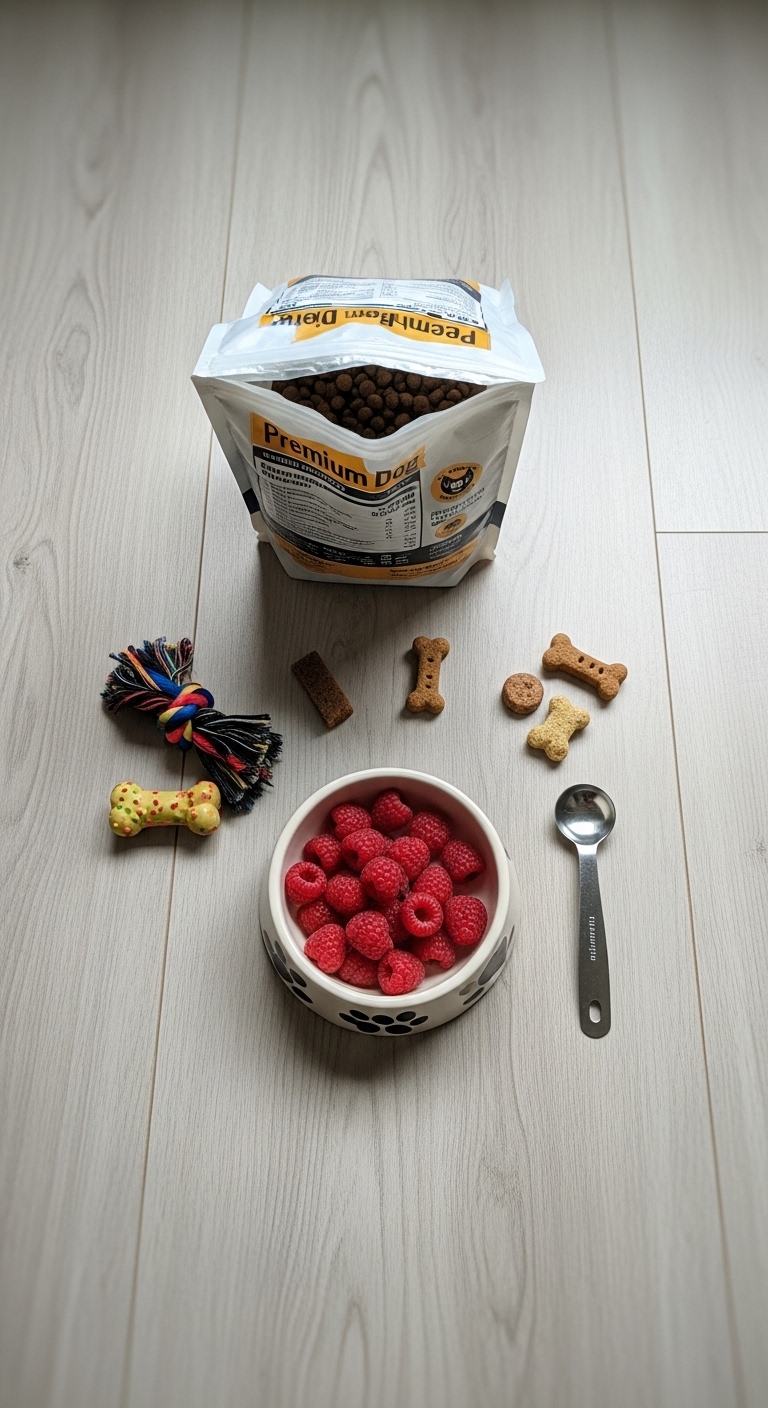
A common mistake is assuming that because raspberries are a fruit, they’re automatically safe for dogs in any amount. Even healthy treats can become problematic if overfed. I once gave my neighbor’s dog a whole handful of raspberries as a treat, only to find out later that the dog had a mild sugar sensitivity. It was a good lesson in always checking with a vet before introducing new foods, especially for dogs with preexisting conditions.
Daily Care Habits
Incorporating raspberries into your dog’s routine can be a fun way to add variety to their diet. Try freezing a few raspberries and offering them as a cool summer treat, which can also help soothe teething puppies. If your dog isn’t used to eating fruit, start with just one raspberry and observe their reaction over the next 24 hours. This slow introduction helps prevent any sudden digestive upset. You can also mix mashed raspberries into their regular food as a natural flavor enhancer, but keep the portions small to avoid adding too many extra calories.
Choosing the Right Product
When buying raspberries for your dog, opt for organic whenever possible to minimize pesticide exposure. If organic isn’t available, thoroughly wash conventional raspberries under running water to remove any residue. Avoid pre-packaged raspberry products like jams or preserves, as these often contain added sugars or artificial ingredients that can be harmful. Fresh or frozen raspberries are the best choices, and you can even grow your own if you’re feeling ambitious. Just make sure the plants are safe and non-toxic for pets.
Safety and Comfort
While raspberries are generally safe, it’s important to monitor your dog for any signs of an allergic reaction, such as itching, swelling, or difficulty breathing. These symptoms are rare but can occur, especially in dogs with food sensitivities. If your dog has never eaten raspberries before, introduce them gradually and in small amounts to gauge their tolerance. Also, be cautious with dogs who are prone to eating things quickly: some may try to gulp down whole raspberries, which could pose a choking hazard. Cutting them into smaller pieces can help prevent this.

Raspberries can be a delightful and nutritious treat for dogs when given responsibly. Always prioritize moderation and observation to ensure your pup enjoys them safely.
Frequently Asked Questions
- → How many raspberries can I give my dog?
Start with just one or two raspberries for small dogs and up to 5-6 for larger breeds. Too many can cause digestive upset due to their natural sugar content. Always introduce them slowly and watch for any adverse reactions.
- → Are raspberries good for dogs?
Yes! Raspberries are packed with fiber, vitamins, and antioxidants that support your dog’s immune system and digestion. They’re a healthier alternative to many commercial dog treats, but should be given in moderation.
- → Can puppies eat raspberries?
Puppies can eat raspberries in tiny amounts, but their digestive systems are more sensitive. Introduce them gradually and consult your vet before adding new foods to a puppy’s diet to avoid stomach issues.
- → What happens if my dog eats too many raspberries?
Overconsumption may lead to diarrhea, vomiting, or an upset stomach due to the natural sugars and fiber. Stick to small portions and avoid feeding them daily to prevent digestive problems.
- → Can dogs eat raspberry jam or jelly?
No, raspberry jam or jelly often contains added sugars, artificial sweeteners (like xylitol), or preservatives that are harmful to dogs. Stick to fresh or frozen raspberries without additives.
- → Are frozen raspberries safe for dogs?
Yes, frozen raspberries are safe if thawed and served in moderation. They can be a refreshing treat, especially in summer, but should be cut into small pieces to prevent choking in smaller dogs.
- → Do raspberries help with dog’s joint health?
Raspberries contain antioxidants and anti-inflammatory properties that may support joint health over time. However, they should complement a balanced diet rather than replace veterinary treatments for arthritis or joint issues.