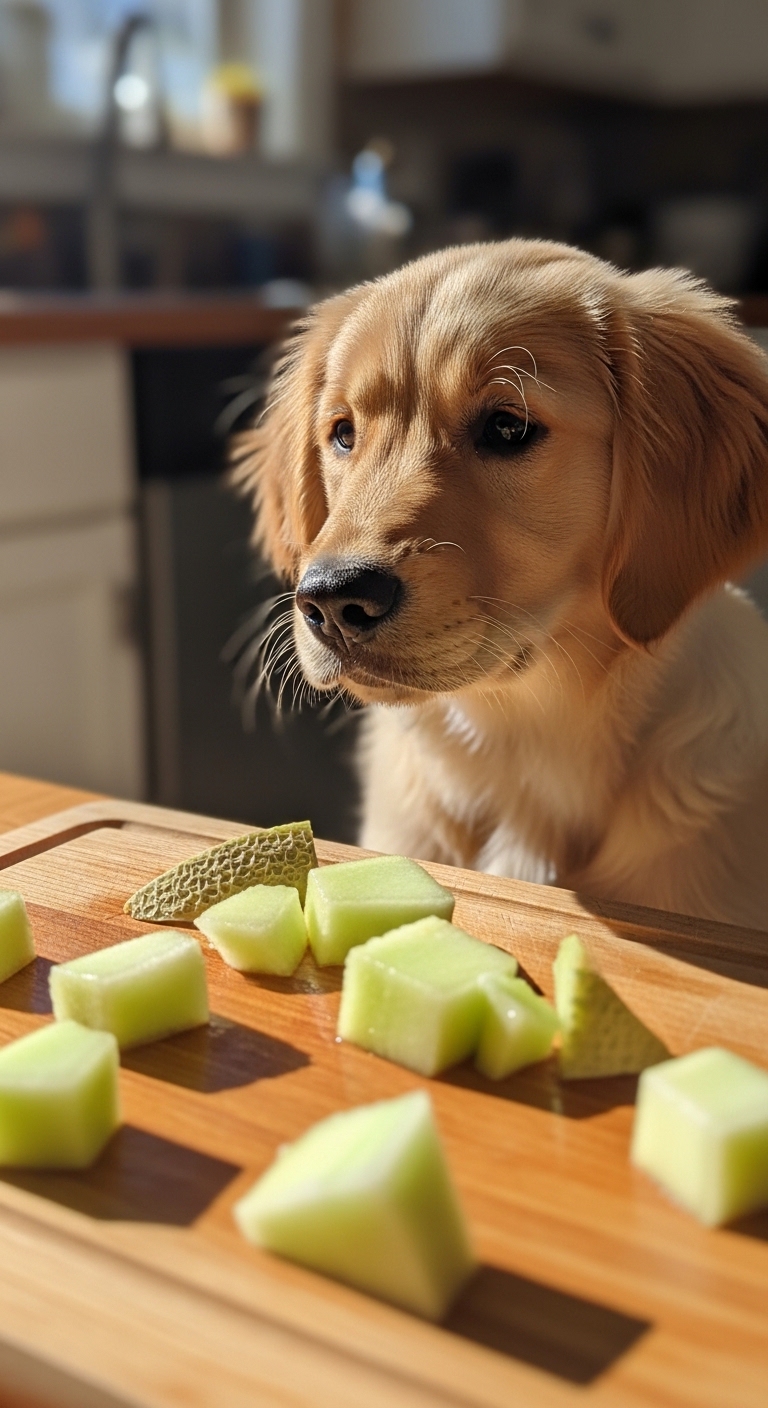
Cantaloupe is a sweet, juicy fruit that many pet owners wonder about feeding their dogs. It’s packed with vitamins and hydration, making it a tempting treat for pups, but not all fruits are safe for dogs. Knowing which parts are okay and how much to give can make a big difference in your dog’s diet and health.
I remember the first time I gave my golden retriever a small piece of cantaloupe. His tail wagged nonstop, and he licked the bowl clean, but I had to remind myself that moderation is key, especially with new foods.
Key Things to Understand
- Safe parts: Cantaloupe flesh is safe for dogs in small amounts because it’s hydrating and rich in vitamins A and C
- Dangerous parts: The rind and seeds should never be fed to dogs as they can cause choking or digestive blockages
- Portion control: Too much cantaloupe can lead to stomach upset or diarrhea due to its natural sugars
- Gradual introduction: Introduce cantaloupe gradually to monitor for any allergic reactions or sensitivities
- Preparation: Always remove the rind and seeds before offering cantaloupe to your dog
What to Look For
When choosing cantaloupe for your dog, pick ripe pieces that are firm but slightly soft to the touch. The flesh should be a bright orange color without any browning or mushiness, which could signal spoilage. Avoid cantaloupe that smells overly sweet or fermented, as this might upset your dog’s stomach. If your dog has never eaten cantaloupe before, watch for signs of excitement or hesitation: some dogs take to it immediately, while others need time to warm up to the texture.
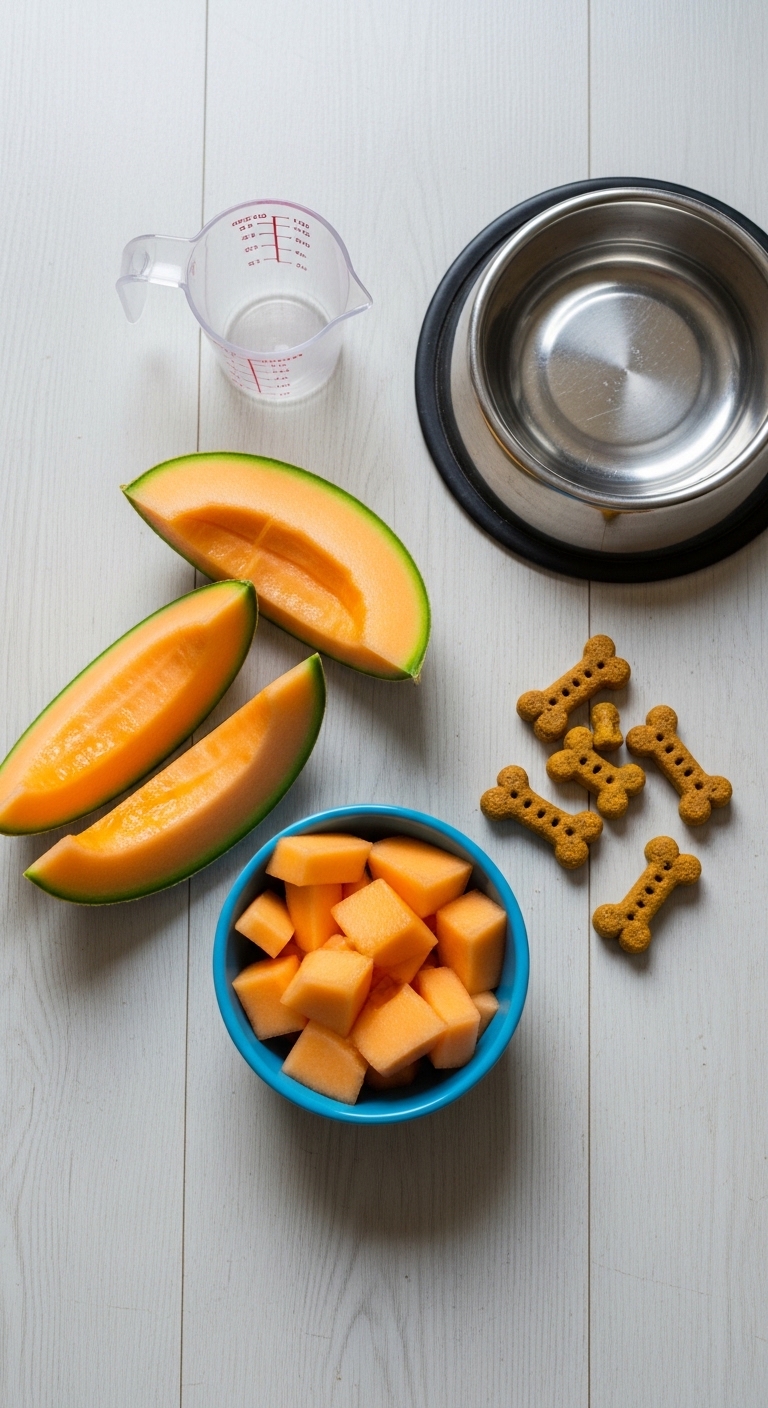
I once met a dog owner who gave their pup an entire cup of cantaloupe at once, thinking it was harmless. The next day, their dog had loose stools for hours. It’s a reminder that even healthy treats need to be portioned carefully.
Serving cantaloupe the right way
Start with tiny pieces to see how your dog reacts before offering more. Mix cantaloupe into your dog’s regular food for a hydrating boost. Freeze cantaloupe cubes for a refreshing summer snack. Avoid canned or preserved cantaloupe, which often contains added sugars or preservatives.
Safety first with cantaloupe treats
Never let your dog chew on the rind, as it’s tough to digest and can cause obstructions. Remove all seeds, even small ones, to prevent choking hazards. If your dog has a sensitive stomach, introduce cantaloupe slowly to avoid digestive upset. Store leftover cantaloupe in the fridge and use it within a few days to prevent spoilage.
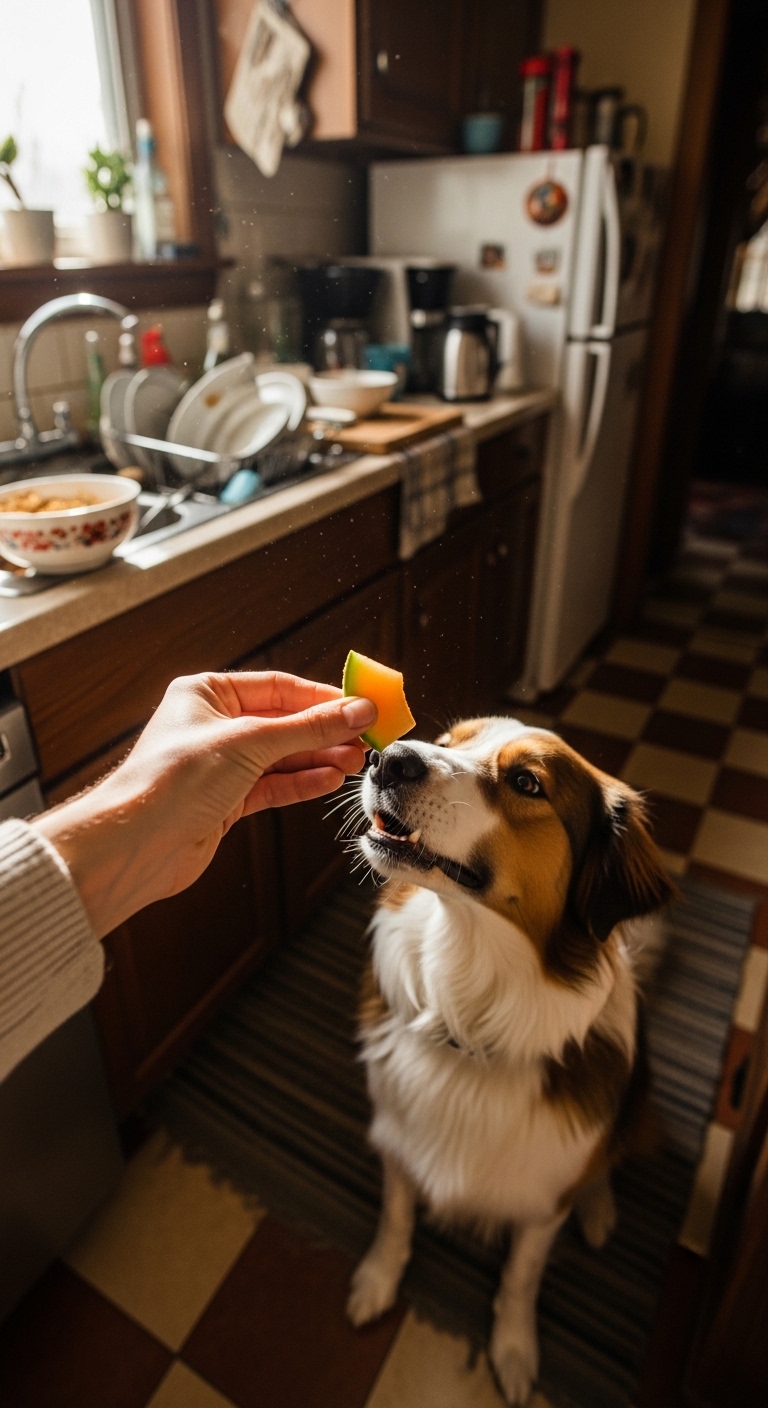
Cantaloupe can be a refreshing, nutrient-packed treat for dogs when served properly. Always prioritize safety and moderation to keep your pup happy and healthy.
Frequently Asked Questions
- → Is cantaloupe safe for all dogs?
Most dogs can safely eat cantaloupe in small amounts, but those with diabetes or sensitive stomachs should avoid it due to sugar content.
- → How much cantaloupe can I give my dog?
Start with a few small cubes (about 1-2 tablespoons) as a treat and observe for any adverse reactions before offering more.
- → Can dogs eat cantaloupe seeds?
No, cantaloupe seeds can pose a choking hazard and may contain traces of cyanide, so always remove them before serving.
- → What are the benefits of cantaloupe for dogs?
Cantaloupe provides hydration, fiber, and essential vitamins like A and C, supporting immune health and digestion when fed in moderation.
- → How should I prepare cantaloupe for my dog?
Wash the fruit thoroughly, remove the rind and seeds, and cut into small, bite-sized pieces to prevent choking hazards.
- → Can puppies eat cantaloupe?
Puppies can try cantaloupe in tiny amounts, but their digestive systems are sensitive, so introduce it gradually and in moderation.