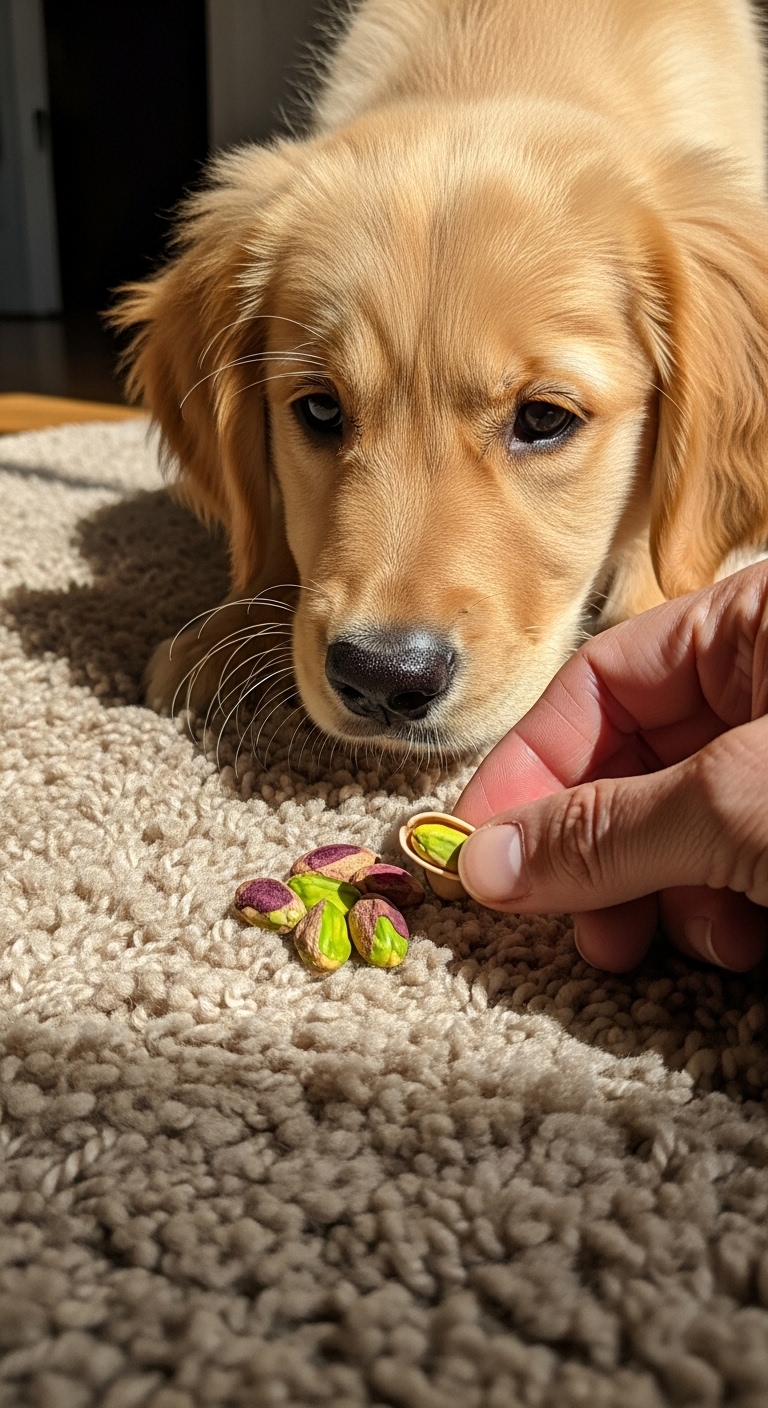
Can dogs eat eggs? It’s a question many pet owners ask, especially when considering adding variety to their dog’s diet. Eggs are a common human food, but are they safe for our furry friends? The answer isn’t as simple as yes or no: it depends on how they’re prepared and served. For dogs, eggs can be a nutritious treat or even a healthy addition to their meals when done right. They’re packed with protein, vitamins, and healthy fats that can benefit your dog’s coat, energy levels, and overall health. But there are important details to keep in mind before you crack one open for your pup.
I’ve seen dogs thrive on eggs when introduced properly, but I’ve also heard stories of upset stomachs from feeding them the wrong way. It’s all about doing it right.
Key Things to Understand
- Eggs must be fully cooked before giving them to dogs: Raw eggs can carry bacteria like salmonella, which poses health risks for both dogs and humans.
- Plain scrambled or boiled eggs are the safest options: Avoid adding salt, butter, oil, or seasonings, as these can be harmful to dogs.
- Moderation is key: Too many eggs can lead to weight gain or digestive upset due to their high fat content.
- Some dogs may be allergic to eggs: Introduce them slowly and watch for reactions like itching, vomiting, or diarrhea.
- Eggshells can be ground up and added to food for extra calcium: They must be thoroughly cleaned and dried first to avoid contamination.
What to Look For
When deciding whether to feed your dog eggs, pay attention to how they react after eating them. A small amount of plain scrambled or boiled egg should be easy for most dogs to digest, but some may experience bloating, gas, or loose stools if their system isn’t used to it. If your dog has never had eggs before, start with a tiny piece and monitor them for 24 hours. Look for signs of allergies, such as excessive scratching, redness around the ears or paws, or persistent vomiting. These reactions usually appear within a few hours, so it’s best to introduce eggs on a day when you can keep an eye on them.
Another thing to consider is the quality of the eggs you’re using. Organic, free-range eggs are less likely to contain harmful additives or antibiotics, making them a safer choice. If you’re feeding eggs as part of a homemade diet, balance them with other nutrients like vegetables, lean meats, or dog-safe grains to ensure your dog gets a well-rounded meal. Avoid feeding eggs to dogs with pancreatitis or those prone to weight gain, as the fat content can exacerbate these conditions.

I once met a dog owner who fed their pup raw eggs every day, thinking it was the healthiest option. Within a week, the dog developed a severe skin rash and digestive issues. After a vet visit and switching to cooked eggs in moderation, the dog bounced back quickly. It’s a reminder that even “healthy” foods can cause problems if not handled correctly.
Feeding Eggs Safely
If you’re new to feeding eggs to your dog, start with small amounts to see how they tolerate them. A quarter of a boiled or scrambled egg is a good portion for a medium-sized dog. For smaller breeds, even less is better. You can mix the egg into their regular food or serve it as a standalone treat. If your dog enjoys eggs and tolerates them well, you can gradually increase the amount, but keep it as an occasional addition rather than a daily staple.
For dogs with sensitive stomachs, boiled eggs are usually the gentlest option. The cooking process breaks down proteins, making them easier to digest. Scrambled eggs are fine too, but avoid using any oil or butter in the cooking process. If you’re feeling adventurous, you can even bake dog treats with eggs as a main ingredient. Just be sure to skip the salt, sugar, and other seasonings that are common in human recipes.
Eggs in Homemade Dog Food
If you’re preparing homemade meals for your dog, eggs can be a valuable ingredient. They provide high-quality protein and essential fatty acids that support muscle development and a shiny coat. When making homemade dog food, eggs can be combined with ingredients like lean ground turkey, sweet potatoes, or green beans for a balanced meal. Just remember that homemade diets require careful planning to ensure your dog gets all the necessary nutrients. A vet or a pet nutritionist can help you create a recipe that meets your dog’s specific needs.
For dogs with food allergies, eggs can sometimes be a safe alternative to common protein sources like chicken or beef. However, allergies to eggs do occur, so it’s important to introduce them slowly and watch for any adverse reactions. If your dog has a history of food sensitivities, a vet visit before adding eggs to their diet is a smart move.

Eggs can be a healthy addition to your dog’s diet when prepared and served correctly. Always prioritize safety and moderation.
Frequently Asked Questions
- → Are eggs safe for all dogs to eat?
Most dogs can safely eat eggs, but individual tolerance varies. Always introduce new foods gradually and watch for signs of allergies or digestive issues. Dogs with certain health conditions, like pancreatitis, should avoid high-fat foods like eggs unless approved by a vet.
- → How should I prepare eggs for my dog?
Cook eggs thoroughly without any seasoning, oil, or butter. Scrambled or boiled eggs are the best options. Avoid raw eggs due to the risk of salmonella, which can affect both dogs and humans.
- → How often can I give eggs to my dog?
Eggs should be given as an occasional treat or supplement, not as a daily meal replacement. A good rule of thumb is to limit eggs to 1-2 times per week, depending on your dog's size and dietary needs.
- → Can eggs help with my dog's skin or coat?
Yes! Eggs are rich in fatty acids and protein, which can improve your dog's skin and coat health. They may help reduce itching, flakiness, and promote a shiny, healthy coat.
- → What are the signs of an egg allergy in dogs?
Common signs of an egg allergy include itching, redness, rashes, vomiting, diarrhea, or ear infections. If you notice any of these symptoms after feeding eggs, discontinue use and consult your veterinarian.
- → Can puppies eat eggs?
Yes, puppies can eat eggs in moderation, but it's important to introduce them gradually. Ensure the eggs are fully cooked and served plain. Always consult your vet before adding new foods to a puppy's diet.