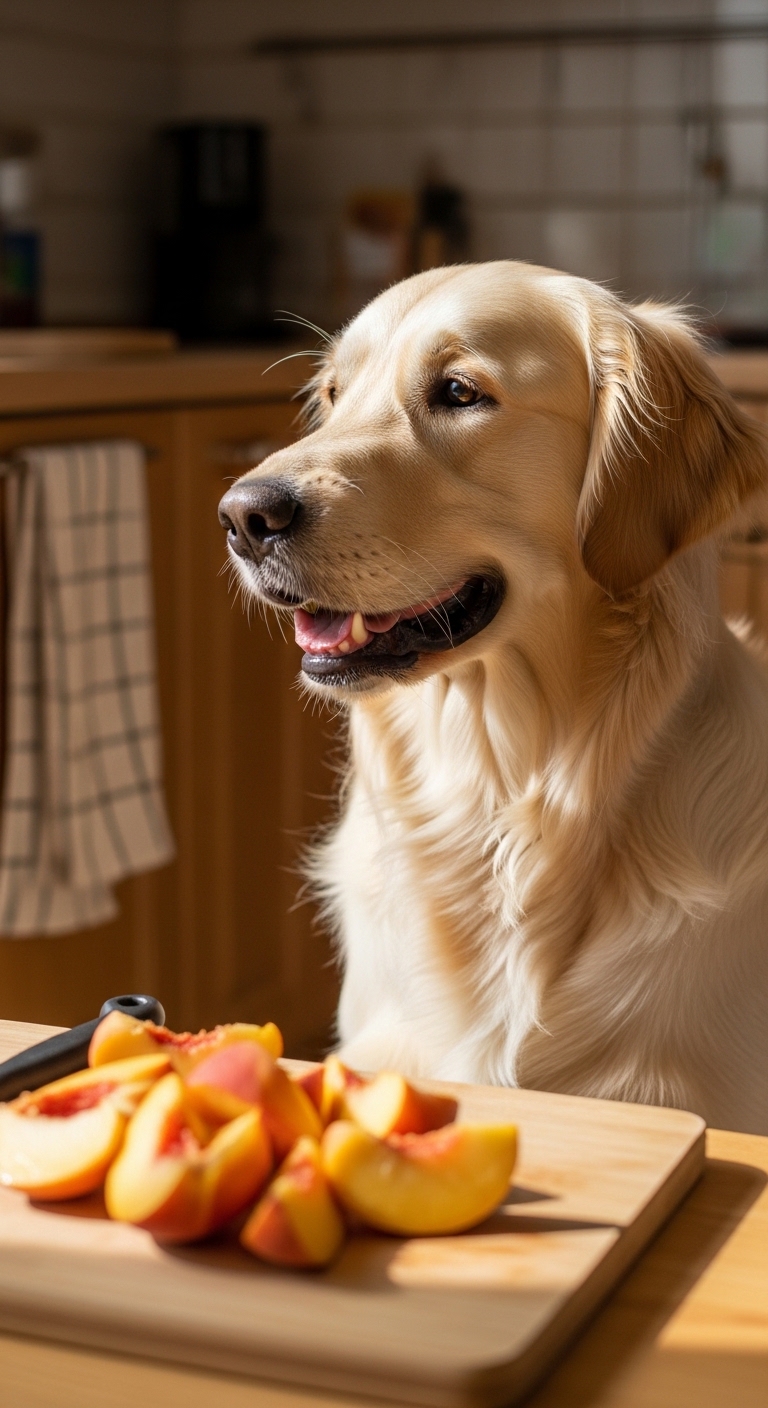
Can dogs eat onions? It’s a question that pops up more often than you’d think, especially when your pup gives you those big, hopeful eyes while you’re chopping dinner. Onions might be a kitchen staple for us, but for dogs, they can be a hidden danger. Even small amounts can cause serious health issues, so it’s worth knowing the risks and how to keep your furry friend safe.
I’ve seen firsthand how easy it is to overlook onions in foods like sauces or leftovers. Once, a friend’s dog got into a small piece of onion from a homemade pizza, and it was a stressful few days until they realized what happened. That’s why this topic matters: it’s better to be safe than sorry.
Key Things to Understand
- Toxic compounds: Onions contain compounds called thiosulfates and disulfides that are toxic to dogs. These damage red blood cells, leading to hemolytic anemia.
- All forms are dangerous: Raw, cooked, or powdered onions, as well as garlic and leeks, are harmful. Symptoms may not appear immediately.
- Size matters: Smaller dogs are at higher risk because even tiny amounts can be more concentrated for their body weight.
- Hidden sources: Onions can be found in unexpected places like soups, sauces, or baby food. Always check ingredient labels.
What to Look For
Pay attention to how your dog acts after eating something they shouldn’t. Early signs of onion toxicity include vomiting, diarrhea, loss of appetite, and lethargy. You might also notice pale gums, which indicate a problem with red blood cells. Watch for changes in urine color: dark or reddish urine can signal red blood cell destruction. If you notice any of these signs, contact your vet immediately. Symptoms can develop hours or even days later, so caution is key.
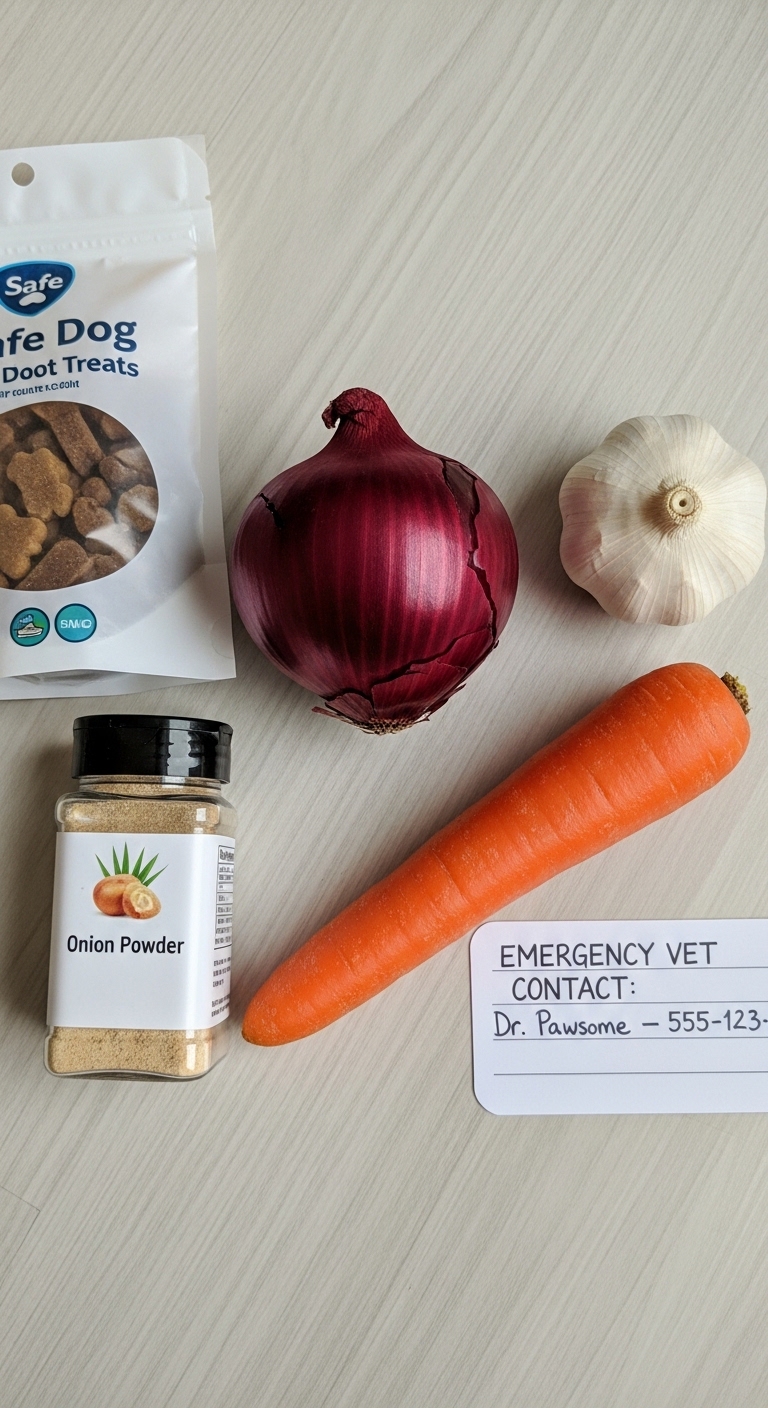
Many human foods contain onions or onion derivatives without us realizing it. Gravy, stuffing, and processed snacks often include onion powder. Even baby food can sometimes contain onion ingredients. Always read labels carefully and avoid sharing any food not specifically made for pets.
Signs Your Dog Ate Something Bad
If your dog has eaten onions, symptoms may not appear right away. Within a day or two, you might notice vomiting, diarrhea, or lethargy. Severe cases can lead to weakness or collapse. If you suspect onion ingestion, contact your vet immediately—don’t wait for symptoms to appear.
Safe Alternatives to Onions
For healthy dog snacks, stick to pet-safe options like carrots, seedless apples, or plain cooked chicken. Introduce new foods slowly to avoid stomach upset. These alternatives are much safer and won’t risk your dog’s health.

Knowing the risks of onions helps you protect your dog from accidental poisoning. Always prioritize their safety by choosing the right foods and staying informed.
Frequently Asked Questions
- → Why are onions toxic to dogs?
Onions contain thiosulfate, which dogs cannot metabolize. This compound damages red blood cells, reducing oxygen flow in the body and causing hemolytic anemia.
- → How much onion is dangerous for a dog?
Even small amounts (0.5% of a dog's body weight) can be toxic. For a 10kg dog, just 50g of onion may cause poisoning, depending on breed and health.
- → What are signs my dog ate onions?
Watch for vomiting, diarrhea, drooling, lethargy, weakness, or pale gums within 24-48 hours. Severe cases may lead to collapse or rapid breathing.
- → Can cooked onions harm dogs too?
Yes. Cooking concentrates the toxins and makes them more potent. Powdered or dehydrated onions (common in seasonings) are especially dangerous.
- → What should I do if my dog eats onions?
Contact your vet or an emergency pet poison hotline immediately. Do not induce vomiting unless instructed. Bring packaging details if possible.
- → Are any onion varieties safer for dogs?
No onion type is safe. White, red, yellow, or green onions, as well as leeks and garlic (in large amounts), all pose risks to dogs.